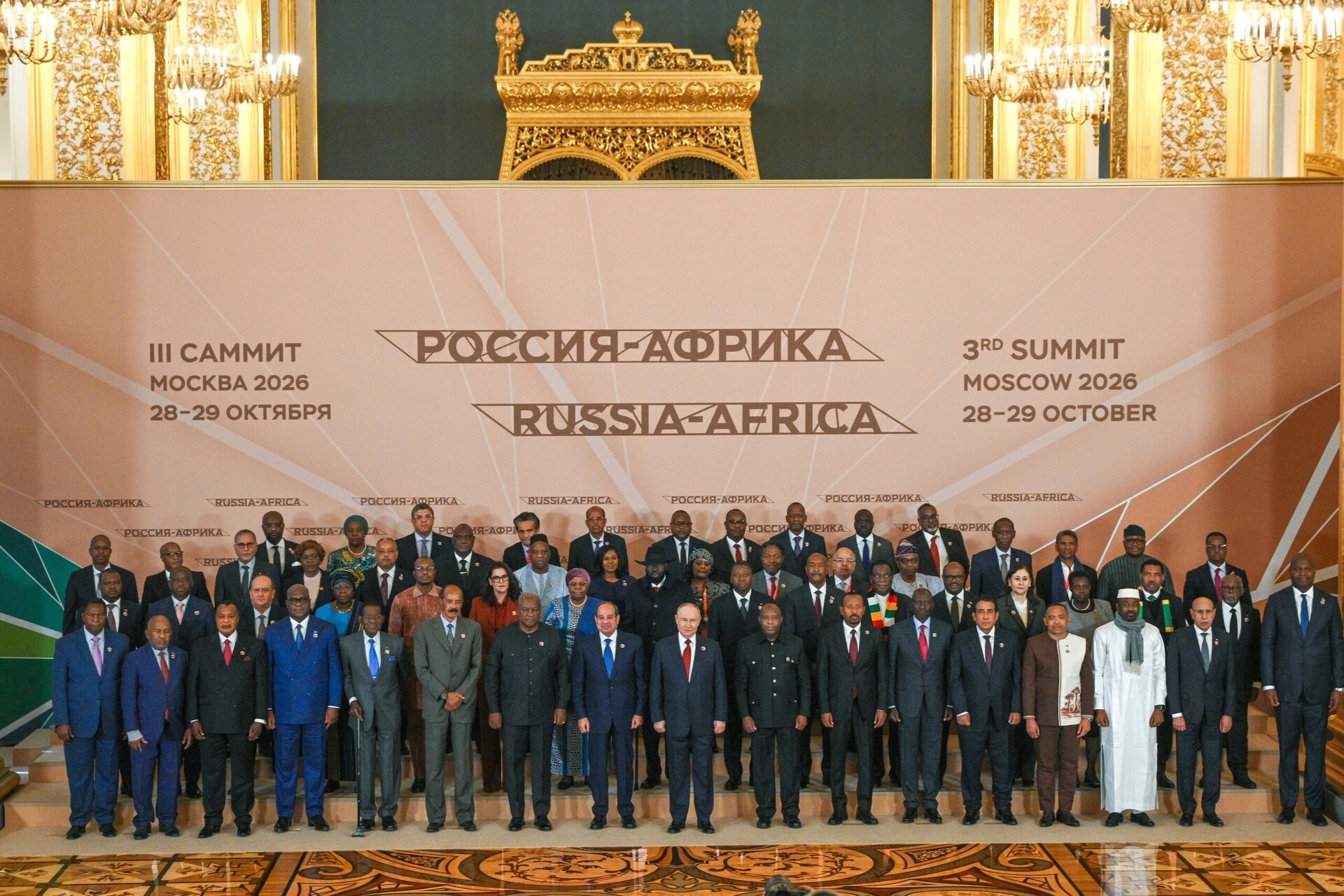

For nearly five years, Africa has been one of Russia’s foreign policy priorities. Moscow's diplomats, military personnel, private military companies, political consultants, and intelligence services are all operating extensively across the continent. But an Africa summit held in October demonstrated that those efforts have produced neither economic nor political success. The gathering drew barely half as many delegations as the 2024 China-Africa summit — 27 in Russia compared with 53 at the Chinese event — while those that did attend proved far less supportive of Moscow than the Kremlin would have liked. A number of countries, including South Africa, Ghana, Kenya, Nigeria, Cameroon, Gambia, and Zambia, have protested the recruitment of their citizens to fight in Russia’s war against Ukraine. Russia, meanwhile, accounts for only about 1% of Africa’s foreign trade, compared with roughly 22% for China and 15% for the European Union. Despite its enormous efforts, Russia has managed to exert serious political influence in only in a few African countries — and even there, its position remains unstable.
- 1.A return to Africa or a return to the Soviet past?
- 2.The war in Ukraine and the new geopolitical significance of Africa
- 3.The Sahel: Russia’s most consequential and problematic advance
- 4.The Central African Republic, Sudan, and Libya: Security and resources
- 5.Egypt, Algeria, Ethiopia, and South Africa: Enduring historical partnerships
- 6.Economic ambitions and educational outreach
- 7.The limits of Russia’s African gambit
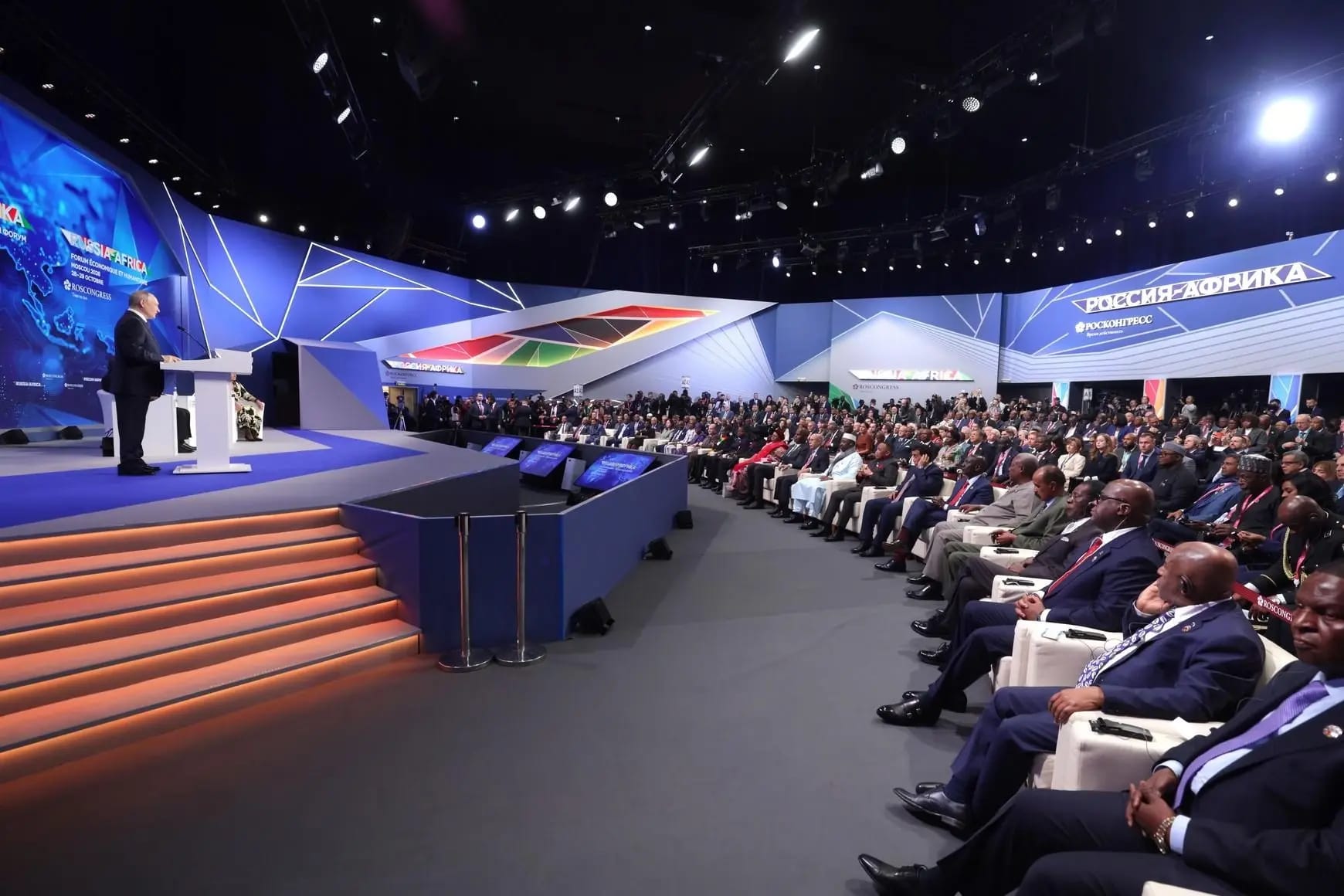
On October 29, 2026, the gilded halls of the Grand Kremlin Palace provided an appropriately imperial setting for Vladimir Putin’s latest diplomatic spectacle. Beneath the chandeliers and elaborate ornamentation of a building that once served as a ceremonial space for the Russian tsars, Putin welcomed an assortment of African presidents, prime ministers, ministers, and other dignitaries to the third Russia–Africa Summit. Representatives of 48 African countries had traveled to Moscow, including 22 heads of state or government. The occasion was carefully choreographed to convey a reassuring message: notwithstanding its ongoing war of aggression against Ukraine, international sanctions, and mounting economic difficulties, Russia remained a global power with friends and partners far beyond its immediate neighborhood. At the opening of the summit, Putin spoke of Russia and Africa as natural allies in the struggle for a more equitable international order, invoking the Soviet Union’s historical support for African independence movements and Russia’s commitment to the principle of sovereignty. Yet the grandeur of the Kremlin setting could scarcely conceal the contradictions underlying Moscow’s African ambitions. The Russian head of state, whose military is invading a neighboring country, presented himself as a champion of African sovereignty and an implacable opponent of imperialism. For Moscow, Africa had become at once a geopolitical battleground, a diplomatic refuge, an economic opportunity, and a stage upon which to reenact some of the Soviet Union’s long-lost global significance.
A return to Africa or a return to the Soviet past?
The Moscow gathering followed the inaugural Russia–Africa Summit in Sochi in October 2019 and the second summit in St. Petersburg in July 2023. The changing circumstances surrounding these three meetings offer a revealing chronology of Russia’s evolving international position. The Sochi summit, attended by 43 African heads of state, represented an ambitious attempt to institutionalize Russia’s reengagement with a continent from which it had largely retreated following the Soviet collapse.
By July 2023, the geopolitical landscape had changed dramatically. Russia’s full-scale invasion of Ukraine had transformed Moscow into an international pariah in much of the Western world, while Western sanctions and diplomatic pressure complicated its relationships elsewhere. Only 17 African heads of state attended the St. Petersburg gathering. The modest recovery in attendance in Moscow in 2026, to approximately 21 leaders, was therefore welcomed by the Kremlin as evidence of its diplomatic resilience. Nevertheless, the turnout remained well below that of 2019 and considerably smaller than the participation in China's 2024 summit with African leaders.
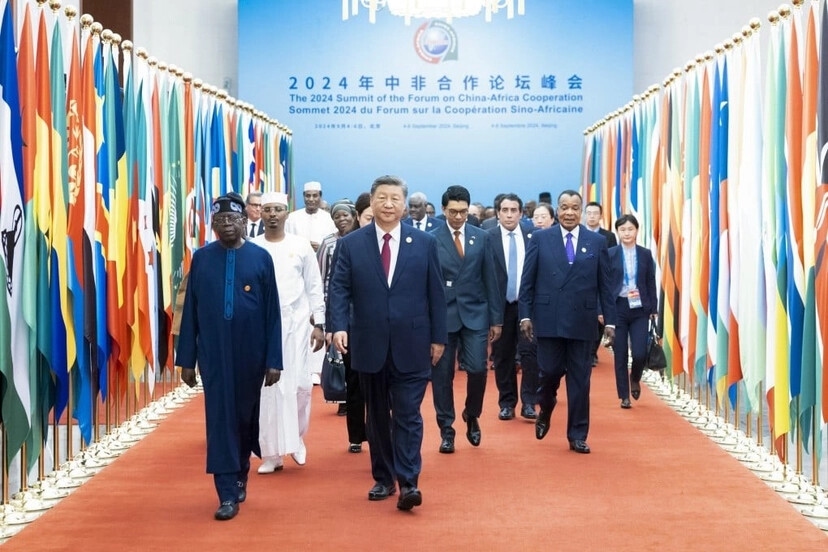
The three summits also reveal an important shift in the underlying logic of Russia’s African engagement. Before February 2022, Africa represented an arena in which Moscow could pursue commercial opportunities, challenge Western influence, and cultivate its credentials as a global power. Since the invasion of Ukraine, these objectives have acquired greater urgency. Africa has become increasingly important to Russia’s attempts to circumvent diplomatic isolation, diversify economic relationships, cultivate sympathetic voices in international organizations, and demonstrate that the Western campaign to isolate Moscow has failed.
Yet Russia’s return to Africa cannot be understood exclusively through the prism of its contemporary confrontation with the West. It also reflects Putin’s complicated relationship with the Soviet past. For much of the Cold War, the Soviet Union maintained an extensive political, military, educational, and ideological presence across Africa. Soviet weapons helped sustain liberation movements in Angola, Mozambique, Guinea-Bissau, and Southern Africa. Moscow supported the African National Congress in its struggle against apartheid, trained thousands of African military officers, and provided scholarships to students from newly independent countries. Soviet engineers, physicians, teachers, and technical specialists worked in countries ranging from Egypt and Algeria to Ethiopia and Nigeria.
The Soviet African project was never as altruistic or ideologically consistent as its official rhetoric suggested. Moscow’s commitments were shaped by Cold War rivalries, shifting strategic calculations, and frequent disagreements with its African partners. Nevertheless, the Soviet Union developed substantial networks of influence, and its educational and military assistance left enduring institutional and personal legacies.
The collapse of the USSR in 1991 brought a precipitous contraction of this presence. Russia closed diplomatic missions, curtailed development assistance, abandoned numerous projects, and largely withdrew from African affairs. Its new political elites, preoccupied with domestic transformations and relationships with Western powers, viewed Africa as a peripheral concern.
Putin’s return to the continent represents, in part, an effort to reverse this post-Soviet retreat. His repeated references to Soviet assistance to African liberation struggles reflect more than calculated diplomatic messaging. They also reveal an enduring attachment to the Soviet Union’s status as a global superpower.
Putin’s return to the continent represents, in part, an effort to reverse the post-Soviet retreat
Putin has never been particularly nostalgic for Soviet socialism as an economic system or for Marxist-Leninist internationalism as a coherent ideological project. His nostalgia is more selective. He admires the Soviet Union’s military strength, international reach, geopolitical influence, and capacity to challenge Western power. Africa offers an especially attractive arena for reconstructing this imagined Soviet grandeur without having to restore the Soviet ideological commitments that once accompanied it.
There is, however, an unmistakable irony in this appropriation of Soviet anti-colonial history. The Soviet Union presented itself as an opponent of imperial domination, even as it maintained an empire of its own in Eastern Europe and exercised coercive authority over numerous nationalities within its borders. Putin’s contemporary invocation of anti-colonial solidarity is still more contradictory, given Russia’s invasion of Ukraine, annexation claims, and persistent denial of Ukrainian national sovereignty.
The Kremlin’s preferred historical narrative conveniently separates Soviet support for African independence from the coercive practices of Soviet and Russian imperial power. It celebrates the Soviet Union’s assistance to African liberation movements while suppressing the uncomfortable parallels between colonial domination and Russia’s own behavior toward Ukraine.
The war in Ukraine and the new geopolitical significance of Africa
Russia’s war against Ukraine has transformed its relations with African countries in several important respects. Moscow increasingly regards Africa as an indispensable diplomatic constituency. With 54 internationally recognized states, the continent constitutes more than a quarter of the membership of the United Nations.
With 54 internationally recognized states, the continent constitutes more than a quarter of the membership of the United Nations
African votes are therefore important in determining the international response to Russian aggression. The voting patterns of African governments since February 2022 have been far from uniform. Kenya, Ghana, and several other countries have condemned Russia’s violation of Ukrainian sovereignty, while South Africa, Mali, Eritrea, and others have abstained on or opposed UN resolutions critical of Moscow.
These positions do not necessarily indicate support for the Russian invasion. Rather, they reflect different historical relationships, domestic political calculations, security dependencies, and longstanding preferences for strategic nonalignment. For Russia, however, abstentions can be nearly as valuable as expressions of support. They complicate Western efforts to portray Moscow as universally isolated and allow Russian diplomats to invoke the supposed solidarity of the Global South.
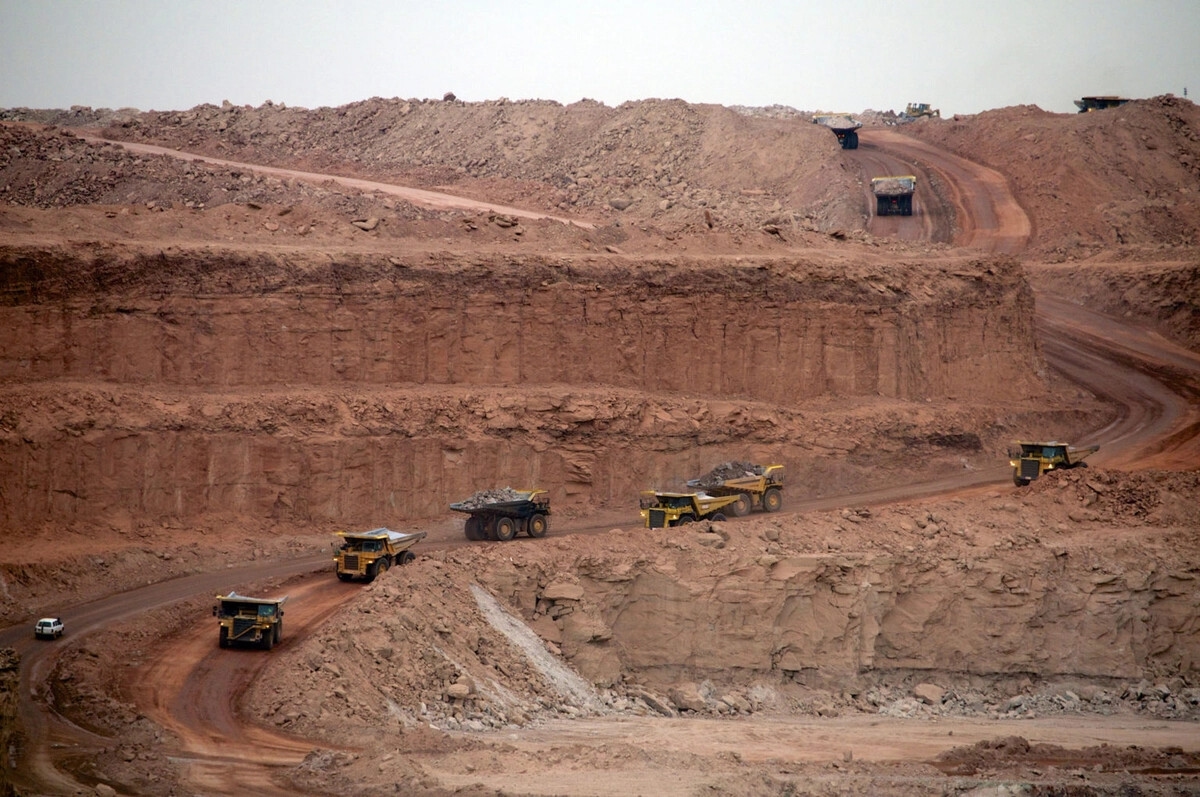
Besides its diplomatic significance for Russia, Africa has acquired new prominence as a source of commodities, commercial opportunities, and potential alternatives to Western markets. Russian companies seek access to uranium, gold, diamonds, bauxite, and other strategically valuable resources. Moscow also promotes grain and fertilizer exports, nuclear energy projects, and military-technical cooperation.
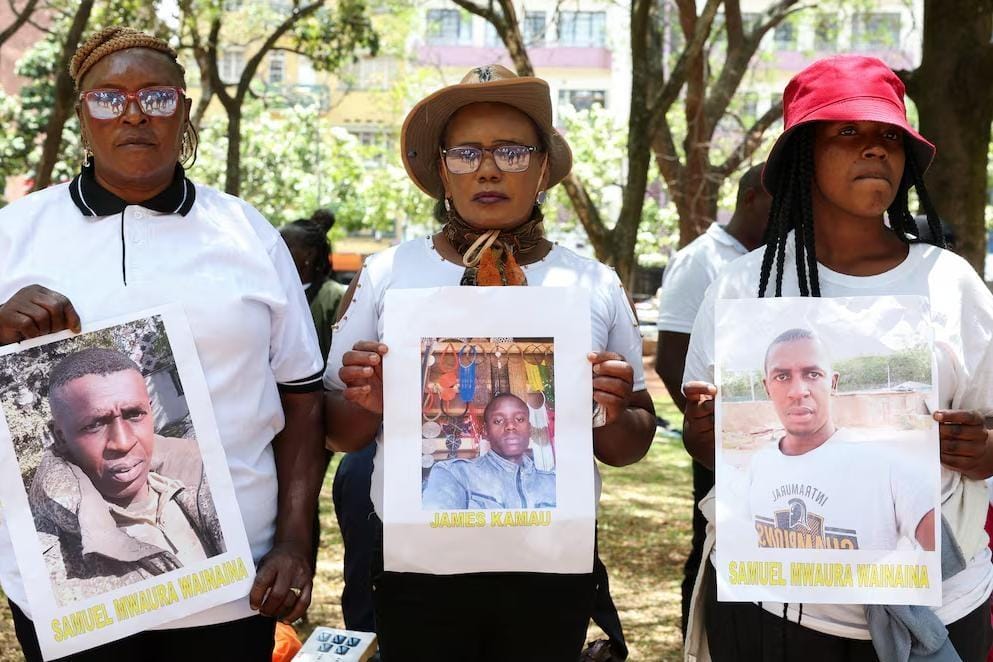
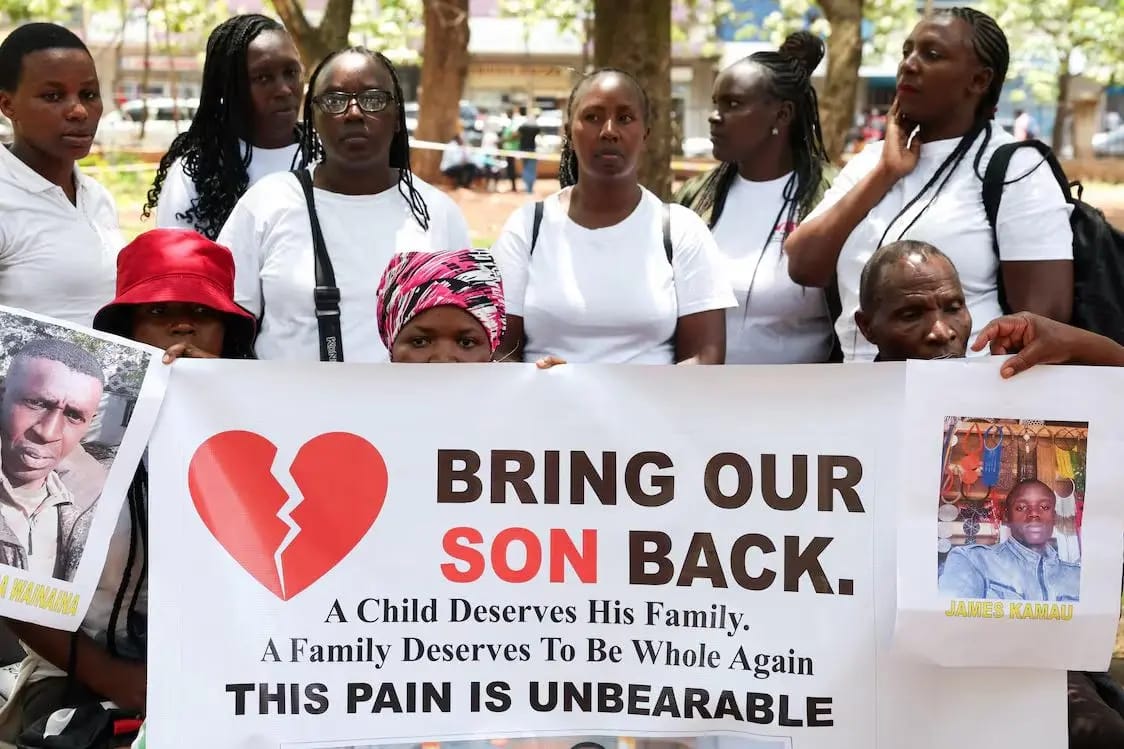
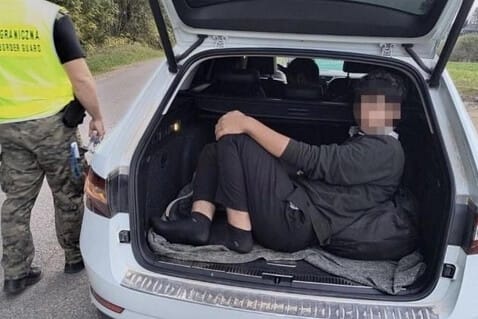
But there is a more troubling aspect to Russia’s engagement with African states. The war in Ukraine prompted Russian military recruiters to reach out to Africans. Reports of African nationals recruited into Russian military service, sometimes through misleading employment offers or coercive arrangements, suggest that Moscow increasingly regards parts of Africa as a potential source of manpower for its war. Such practices complicate Moscow’s claim to be an unselfish defender of African interests and can potentially severely damage its standing on the continent. In recent months, South Africa and Kenya have openly called on Moscow to stop the recruitment of their citizens.
The Sahel: Russia’s most consequential and problematic advance
Nowhere has Russia’s return to Africa been more dramatic than in the Sahel. The military coups in Mali in 2020 and 2021, Burkina Faso in 2022, and Niger in 2023 created opportunities for Moscow to displace Western security partners and establish relationships with governments seeking alternative sources of military assistance.
In Mali, the military government of Assimi Goïta turned increasingly toward Russian assistance as relations with France deteriorated. Russian Wagner personnel arrived in late 2021, eventually assuming important roles in counterinsurgency operations.
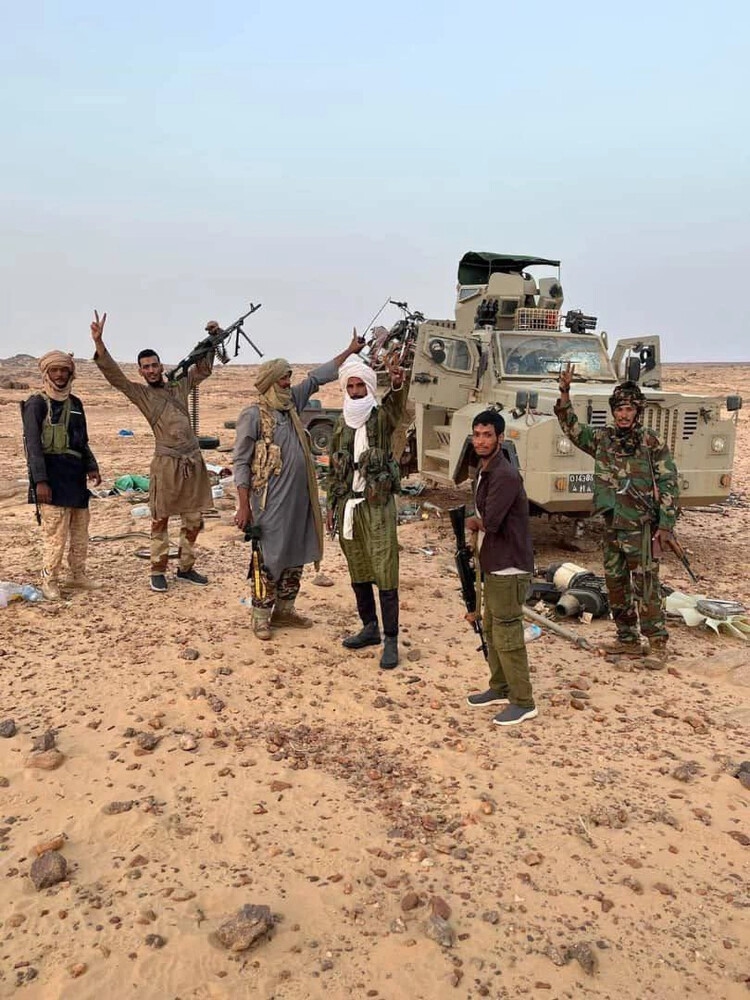
The withdrawal of French troops and the termination of the United Nations peacekeeping mission created additional opportunities for Moscow. Yet the results have been decidedly mixed. Russian forces and their Malian partners have participated in operations accompanied by serious allegations of atrocities against civilians. The March 2022 killings in Moura, investigated by the United Nations, became a particularly notorious example of the human costs of Mali’s militarized counterinsurgency strategy. The security situation has hardly improved sufficiently to vindicate the junta’s decision to embrace Moscow. Jihadist organizations affiliated with al-Qaeda and the Islamic State continue to operate across substantial areas of Mali. The devastating defeat suffered by Malian and Wagner forces near Tinzaouaten in July 2024 demonstrated their vulnerability to well-organized armed opponents.
In Burkina Faso, Captain Ibrahim Traoré has cultivated close relations with Moscow, portraying Russia as a partner in the struggle against terrorism and Western interference. Russian military personnel have helped provide security for the regime, while Russian flags and pro-Moscow symbolism have become conspicuous features of some political demonstrations. Nevertheless, Burkina Faso continues to confront a severe insurgency. Large parts of the country remain vulnerable to jihadist attacks, displacement, and disruptions of economic activity. Russian military cooperation has not produced the decisive transformation promised by the junta.
Niger offers a similar illustration of Moscow’s opportunities and limitations. Following the July 2023 coup against President Mohamed Bazoum, the new military authorities demanded the withdrawal of French and American forces. Russian personnel subsequently arrived, while Niger deepened its military relationship with Moscow. The loss of American access to the strategically important air base at Agadez represented a significant geopolitical setback for Washington. Yet the replacement of Western military partnerships with Russian assistance has not eliminated Niger’s security challenges. Insurgent violence remains a persistent problem, particularly in regions bordering Mali, Burkina Faso, and Nigeria.
The formation of the Alliance of Sahel States by Mali, Burkina Faso, and Niger has further encouraged cooperation among military governments sympathetic to Russia. However, this regional realignment has not created an effective solution to the transnational insurgencies that destabilize the Sahel.
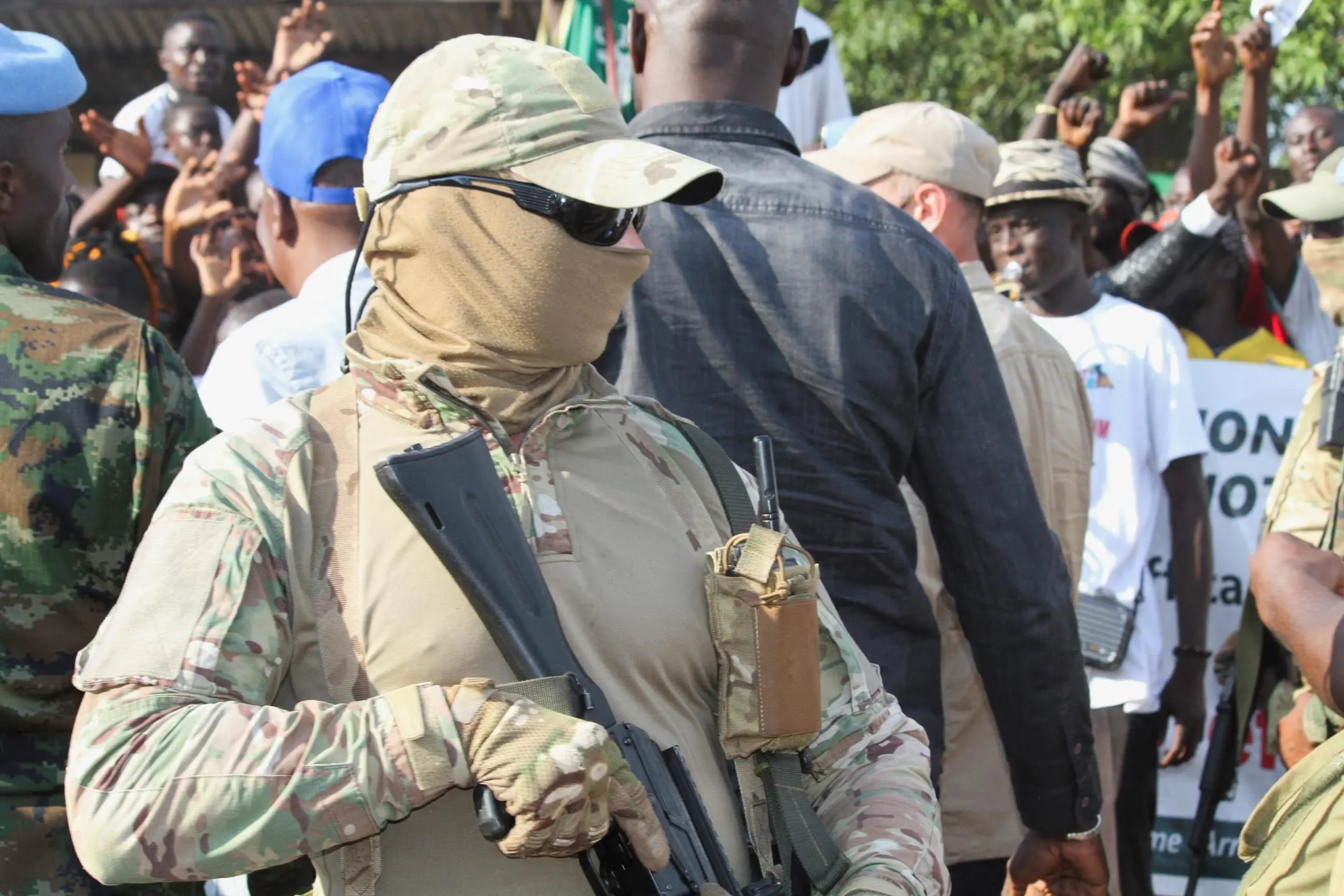
Russia’s transition from the Wagner Group to the more directly state-controlled Africa Corps has also exposed important limitations. Following Yevgeny Prigozhin’s death in 2023, Moscow sought to bring its African military operations under closer governmental supervision. The result has been greater formal control but not necessarily greater operational effectiveness. Estimates recently reported by the Associated Press placed approximately 1,700–2,000 Russian personnel across Mali, Burkina Faso, and Niger. These are not insignificant numbers, but hardly sufficient to stabilize an immense region characterized by weak state institutions, porous borders, and overlapping insurgencies.
The Sahel thus illustrates a central contradiction of Russia’s African strategy. Moscow has proved remarkably effective at exploiting anti-French resentment, cultivating military elites, and presenting itself as an alternative to Western security arrangements. It has been far less successful at delivering lasting security, economic recovery, or institutional stability.
The Central African Republic, Sudan, and Libya: Security and resources
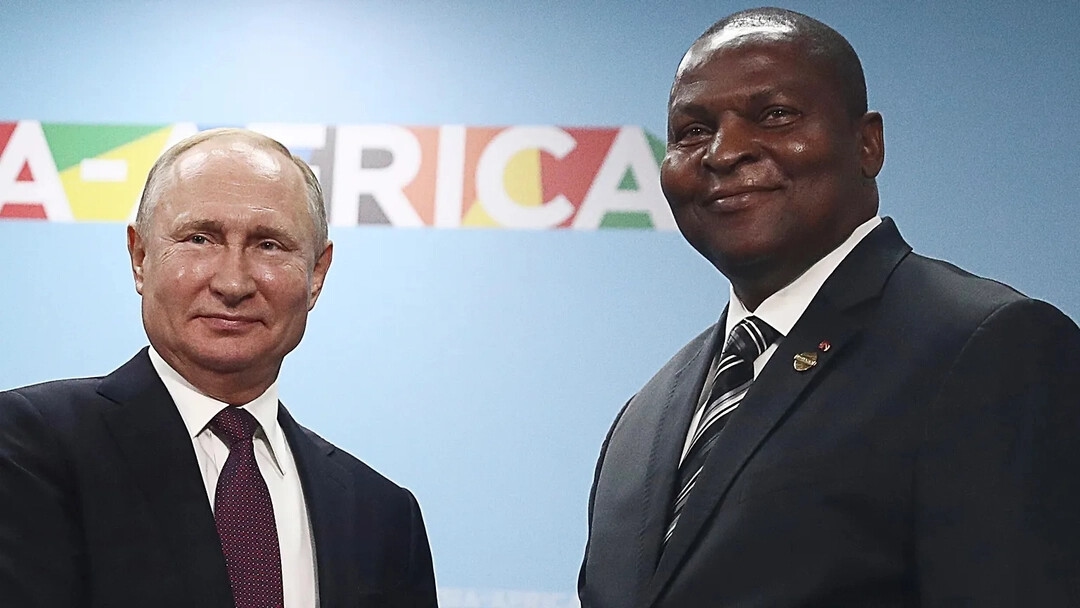
Russia’s relationship with the Central African Republic (CAR) represents perhaps its most consolidated security partnership on the continent. Since 2018, Russian military instructors and Wagner personnel have played important roles in supporting President Faustin-Archange Touadéra against armed insurgent groups.
Russian advisers have become deeply embedded in the country’s security structures, while Russian-linked commercial networks have pursued interests in gold, diamonds, and other natural resources. For Touadéra, the Russian presence has provided a measure of regime protection that traditional international partners were either unwilling or unable to guarantee.
For Moscow, the relationship offers political influence, access to resources, and a relatively inexpensive demonstration of its capacity to project power abroad. The arrangement, however, raises questions about sovereignty and accountability. The reliance of an African government on foreign security personnel whose activities are frequently opaque and whose commercial interests overlap with their military responsibilities hardly constitutes an uncomplicated victory for national independence.
A recent bombshell investigation by the Wall Street Journal exposed the role of Pavel Prigozhin, the 28-year-old son and heir of the late Wagner chief Yevgeny Prigozhin, in the ruthless and often violent exploitation of the Central African Republic’s natural resources, as well as his alleged involvement in drug trafficking.
Sudan presents a more fluid and dangerous environment. Russia has long sought access to a naval facility on the Red Sea, an objective that would enhance its capacity to operate in a strategically important maritime corridor. The civil war between the Sudanese Armed Forces and the Rapid Support Forces has complicated Moscow’s ambitions.
Russian-linked networks have previously been associated with Sudanese gold operations and contacts with the Rapid Support Forces. Moscow has also pursued relations with the Sudanese military authorities, reflecting a pragmatic willingness to adjust its partnerships as circumstances change. The result is a policy driven less by ideological commitments than by strategic opportunism. Russia seeks access to military facilities, resources, and influential political actors, while avoiding commitments that might become prohibitively expensive.
Russia seeks access to military facilities, resources, and influential political actors, while avoiding commitments that might become prohibitively expensive
In Libya, Moscow has maintained ties with warlord and oil magnate Khalifa Haftar and his eastern-based military establishment. Russian personnel, aircraft, and logistical facilities have helped sustain Moscow’s influence in a country still divided between rival political authorities. Libya’s Mediterranean coastline and its proximity to the Sahel make it particularly valuable as a logistical and geopolitical platform.
Egypt, Algeria, Ethiopia, and South Africa: Enduring historical partnerships
These three troubled countries illustrate the distinctive character of Russia’s contemporary African expansion: a relatively small military footprint, close relationships with political and military elites, commercial interests in extractive industries, and a willingness to operate amid political instability. Unlike the Soviet Union, which often attempted to contract with ideologically sympathetic regimes and institutions, contemporary Russia generally appears content to secure influence over existing rulers, regardless of their political orientation.
Russia’s African relationships are by no means confined to unstable countries or military governments. Indeed, some of its most consequential partnerships involve major regional powers pursuing their own carefully calculated interests.
Egypt occupies a particularly important position. Soviet-Egyptian relations reached their zenith under Gamal Abdel Nasser, when Moscow helped finance and construct the Aswan High Dam and supplied Egypt with substantial military assistance and logistical and diplomatic support in Egypt’s struggle against Israel.
Although Nasser’s successor Anwar Sadat subsequently reoriented Egyptian foreign policy toward Washington, the Soviet legacy remains an important element in the history of bilateral relations. Under Egypt’s current president Abdel Fattah el-Sisi, Russia has once again become a significant partner.
The most prominent undertaking is the El Dabaa nuclear power plant, being constructed by Russia’s state nuclear corporation Rosatom. The four-reactor project promises to expand Egypt’s electricity-generating capacity while creating a long-term relationship involving Russian technology, financing, fuel supplies, and technical expertise. During the Moscow summit, Putin and el-Sisi reaffirmed their commitment to bilateral cooperation. Egypt’s relationship with Russia nevertheless remains fundamentally pragmatic. Cairo continues to maintain extensive military, financial, and diplomatic ties with the United States, European governments, and Gulf states. Russia is an additional partner, not a replacement for these relationships.
Algeria offers another example of historical continuity. Soviet military assistance to independent Algeria established a durable defense relationship that survived the collapse of the USSR. Russia remains an important supplier of military equipment, while Algeria has sought to preserve its diplomatic autonomy and avoid becoming excessively dependent on any single external power. Recent developments suggest that Russian-Algerian cooperation may extend beyond arms sales and energy production into the transportation of natural gas.
At the summit, for example, Algerian officials discussed involving Russian companies in the proposed Trans-Saharan Gas Pipeline, a project intended to transport Nigerian gas through Niger and Algeria to European markets. In an ironic twist, a pipeline envisioned partly as a means of reducing Europe's dependence on Russian energy could itself involve Russian industrial expertise and investment.
At the summit, Algerian officials discussed involving Russian companies in the proposed Trans-Saharan Gas Pipeline
Ethiopia’s relationship with Moscow has followed a more turbulent trajectory. The Soviet Union supported Mengistu Haile Mariam’s brutal Marxist-Leninist regime after the Ethiopian revolution of 1974, providing massive military assistance during the Ogaden War and subsequent conflicts. This relationship ended with the collapse of the communist regime in 1991. Today, Ethiopia has reemerged as an important Russian partner in energy, defense, and diplomacy.
Prime Minister Abiy Ahmed attended the summit in Moscow and reaffirmed plans to develop nuclear power with Russian assistance. Ethiopia and Rosatom are negotiating an agreement to construct a nuclear power plant, building on cooperation agreements signed in 2025 and 2026. Addis Ababa has proposed two 1,200-megawatt reactors, although construction remains years away.
Ethiopia's Foreign Ministry also reported the delivery of 12 Russian Su-35 fighter jets and the signing of agreements on healthcare and media cooperation. Ethiopia’s membership in BRICS provides additional opportunities for diplomatic coordination, although Addis Ababa continues to pursue a diversified foreign policy.
South Africa represents a different kind of relationship. The African National Congress’s historical ties with the Soviet Union, which provided military training and assistance during the struggle against apartheid, continue to influence elements of South Africa’s political establishment. Pretoria’s reluctance to align unequivocally with Western governments over Ukraine reflects, in part, these historical memories, alongside its commitment to strategic autonomy and its participation in BRICS.
Military cooperation has nevertheless continued. In January 2026, South Africa hosted joint naval exercises involving Russia, China, and Iran, while in July, South African army chief Lawrence Mbatha visited Moscow to discuss closer military cooperation. Yet the economic relationship remains limited. According to a 2026 Carnegie Endowment study, Russia accounted for barely 1 percent of Southern Africa’s regional external trade in 2024, compared with more than 22 percent for China and 15 percent for the European Union. Pretoria remains a reliable trading partner for Moscow, but its business ties with the Kremlin should not be mistaken for a willingness to subordinate its broader economic interests to Russian geopolitical objectives.
In each of these economically and geopolitically important countries, Russia encounters political elites with their own priorities, memories, and strategic calculations. African governments are not merely passive recipients of Russian influence. They actively seek to use their relationships with Moscow to diversify partnerships, negotiate better terms with other powers, and expand their room for diplomatic maneuver.
Economic ambitions and educational outreach
The economic dimension of Russia’s African strategy reveals perhaps the greatest discrepancy between Moscow’s ambitions and its actual capabilities. During the summit, Putin announced that bilateral trade with Africa had exceeded $27 billion in 2025. While this represented an increase over previous years, it remained considerably below the ambitious targets established at the first summit in 2019. Moreover, Russian-African trade remains heavily concentrated in North Africa and dominated by Russian exports of grain, fertilizers, petroleum products, and military equipment. According to the Critical Threats Project, Russian exports to Africa exceed its imports from the continent by approximately seven to one, while Russia accounts for less than one percent of foreign direct investment in Africa.
Russian exports to Africa exceed its imports from the continent by approximately seven to one, while Russia accounts for less than 1% of foreign direct investment in Africa
It is quite clear that Russia cannot compete with China’s extensive infrastructure financing, manufacturing investment, and commercial networks. Nor can it match the European Union’s trade, development assistance, and institutional relationships across the continent.
The October summit nevertheless produced some potentially significant agreements. Most notably, Russia’s aluminum producer Rusal reached an agreement with Ghana’s state-owned Ghana Integrated Aluminium Development Corporation to develop bauxite deposits at Nyinahin and construct alumina-processing facilities.
The proposed refinery, estimated at approximately $1.5 billion, would contribute to Ghana’s ambition to develop domestic processing rather than merely export raw materials. For Russia, the agreement also has a direct connection to the Ukraine war. Rusal has sought alternative sources of alumina following disruptions to supplies from Ukraine and Australia in 2022. The Ghanaian initiative thus illustrates how Russia’s African economic engagement is increasingly shaped by the consequences of its own military aggression.
Russia’s African economic engagement is increasingly shaped by the consequences of its own military aggression
Nuclear energy offers another potentially important area of cooperation. Beyond the El Dabaa project in Egypt, Rosatom has pursued discussions with Ghana, Uganda, Ethiopia, Tanzania, Togo, and Namibia. However, there is an important distinction between preliminary agreements and completed infrastructure. Nuclear power plants require enormous capital investment, technical expertise, political stability, and long-term financial commitments. These are exactly the resources that Russia’s prolonged war against Ukraine is placing under increasing pressure.
The Kremlin also emphasizes educational and cultural cooperation. Approximately 40,000 African students are currently studying in Russia, according to figures cited at the Moscow summit. In 2025, Russia allocated more than 5,000 state-funded university places to African students, attracting over 40,000 applications, twice the previous year's number. Moscow has also expanded its network of Russian Houses, cultural and educational centers promoting Russian language instruction and academic exchanges, with additional initiatives targeting Egypt, Zambia, Tanzania, South Africa, and Ethiopia. The Russian–African Network University now connects more than 70 African universities across 17 countries, while branches of Kazan Federal University and St. Petersburg State University operate in Cairo. These educational connections evoke one of the Soviet Union's most enduring forms of influence on the continent, exemplified by the establishment of Patrice Lumumba People's Friendship University in Moscow in 1960.
Yet contemporary Russian educational diplomacy operates within a very different ideological environment, increasingly shaped by state nationalism and the Kremlin's confrontation with the West. Reports of African students being pressured or deceived into participating in Russia's war effort in Ukraine further complicate Moscow's efforts to present educational exchanges as an expression of international solidarity.
The limits of Russia’s African gambit
The third Russia–Africa Summit demonstrated Moscow’s continuing ability to cultivate influential African partners but also exposed the discrepancy between its geopolitical ambitions and economic and military capabilities. Russia’s trade and investments remain modest compared with those of China and the European Union, while many infrastructure and energy projects have yet to materialize. The war against Ukraine has further strained Moscow’s resources, including its capacity to supply arms and fulfill commitments abroad.
These limitations are particularly apparent in the Sahel, where Russia’s growing political influence has failed to produce lasting security improvements. In Mali, Wagner forces suffered a devastating defeat near Tinzaouaten in July 2024. Their Africa Corps successors faced another setback in April 2026, when Tuareg rebels and jihadist fighters recaptured Kidal, forcing hundreds of Russian personnel to withdraw. Although Russian-backed forces reportedly regained the city in October, the episode underscored Moscow’s military vulnerabilities. Throughout 2025, jihadist attacks intensified, culminating in a fuel blockade that disrupted economic life in Bamako. Russian-backed counterinsurgency operations have also been accompanied by serious allegations of atrocities against civilians. In Burkina Faso and Niger, closer military cooperation with Moscow has likewise failed to halt insurgent violence. Russia has proved more effective at protecting military governments than at restoring security to the territories they govern.
Elsewhere, Moscow faces different constraints. Sudan’s civil war complicates its ambitions for a Red Sea naval facility, while its influence in the Central African Republic depends heavily on security arrangements with President Touadéra and access to natural resources. Even traditional partners such as Egypt, Algeria, Ethiopia, and South Africa remain unwilling to sacrifice their economic relationships with China, Europe, and the United States. African governments increasingly exploit competition among external powers rather than exchange one dependency for another.
Unlike the Soviet Union, whose African engagement combined military assistance with ideological commitments, educational exchanges, and ambitious developmental projects, contemporary Russia offers a narrower, more transactional partnership centered on security cooperation, arms sales, commodities, and selective investments. Putin’s invocation of Soviet anti-colonial solidarity may resonate with some African audiences, but historical nostalgia cannot substitute for economic opportunities, reliable security assistance, and enduring institutional relationships.
Russia’s return to Africa is neither an unqualified success nor a merely symbolic exercise. Moscow has acquired new allies, expanded its diplomatic reach, and challenged Western influence in strategically important countries. Yet these achievements remain uneven, often dependent on fragile political arrangements and increasingly constrained by the war against Ukraine. The central paradox of Putin’s African gambit is that Russia seeks to recover the global stature of the Soviet superpower without possessing the economic strength, ideological appeal, or institutional capacity that once sustained Soviet influence. Memories of Soviet friendship and declared commitments to sovereignty and anticolonialism may open some African doors, but only tangible achievements can keep them open.