After the death-by-plane crash of Wagner Group founder Yevgeny Prigozhin in August 2023, the Kremlin’s influence operations in Africa have undergone a transformation. In addition to the Africa Corps — a state-run armed formation made up mostly of former Wagner fighters — Russia’s military intelligence agency (GRU) is also active on the ground. However, fresh revelations about a GRU break-in at an African Union facility in Addis Ababa threaten to tarnish relations between the Kremlin and the continent. The news couldn’t come at a worse time for Moscow, which is set to host the third ever Russia-Africa Summit on October 28-29.
On April 28, 2025, Mahamoud Ali Youssouf, the Chairman of the African Union Commission, arrived at a house in the upscale neighborhood of Bole Atlas in Addis Ababa, where the union’s secretariat is headquartered. The property is the official residence of Selma Haddadi, the Deputy Chairperson of the Commission, which is the executive arm of the supranational body representing all 55 African countries. But on that afternoon, it was in use by Youssouf and his family, who were then still recent transplants to the Ethiopian capital after arriving days earlier from Djibouti, Youssouf’s native country, where up until the previous month he’d served as its foreign minister.
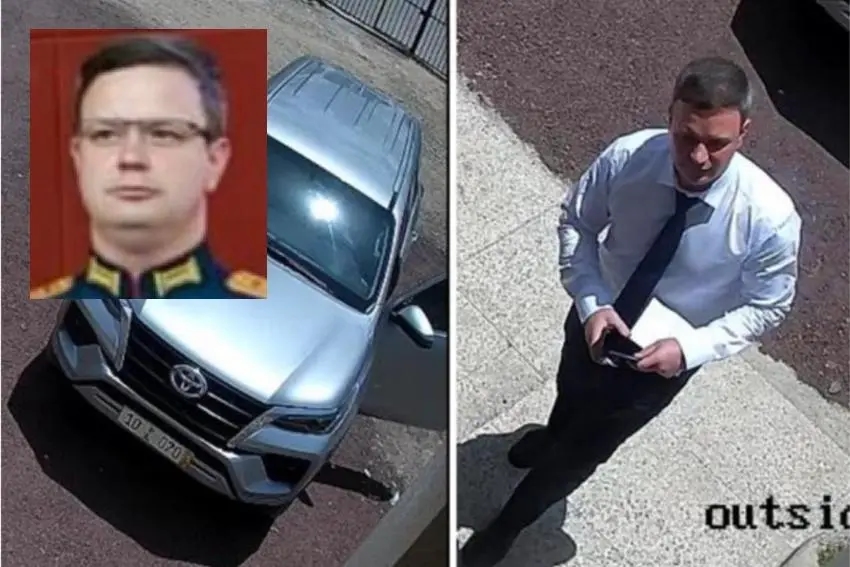
At 3:32 p.m., a vehicle with diplomatic license plates pulled into the parking area outside the main compound of Africa House. Out of it stepped a white man of medium build with short hair, dressed in a button-down shirt and tie. He waited until a car transporting Youssouf’s university-aged daughter entered the premises via an opened security gate and then snuck in on foot before the gate closed behind him. The intruder entered the residence and proceeded directly to the bedroom where Youssouf was staying, remaining inside the building for 4 minutes and 24 seconds. At some point, the unknown intruder ran into the daughter (The Insider is withholding her name) inside the house. A stationed private security detail met the man as he exited the residence at 3:37. They tried to question him, but the detail worried he might have been a VIP who’d gotten lost or entered without the proper checks. Amid the confusion, the intruder drove off at 3:38.
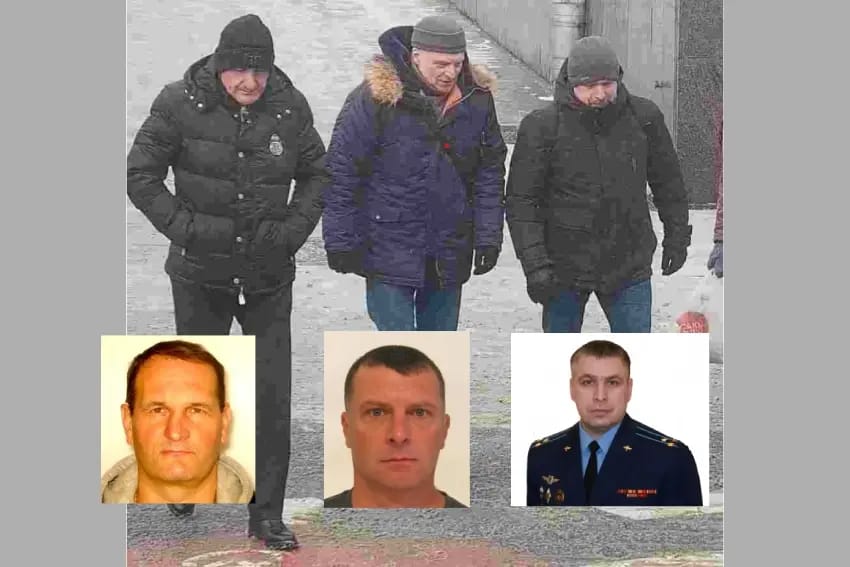
The exterior moments of this brief and seemingly uneventful trespass were captured on CCTV images, which The Insider has exclusively obtained. Facial recognition software confirms that the break-in artist was Major Aleksandr Dubikov, the assistant to Nikita Zayats, Russia’s military attaché in Ethiopia.
The footage of the break-in is available in our video below.
Zayats was reportedly expelled from Portugal in 2022 over alleged links to the GRU, Russia’s military intelligence agency. As it happens, Dubikov, a 36-year-old Moscow resident, is also a GRU officer, meaning his illicit entry into a diplomatic residence in Addis Ababa was almost certainly an intelligence operation.
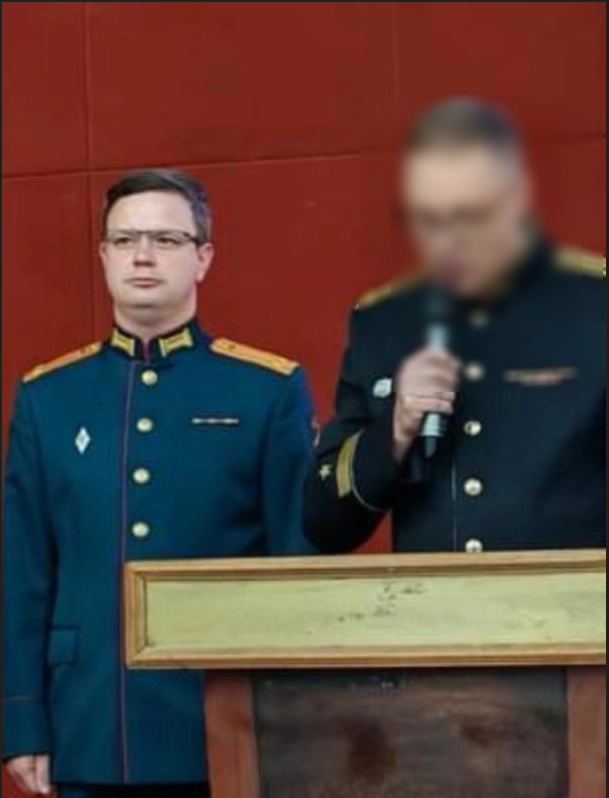
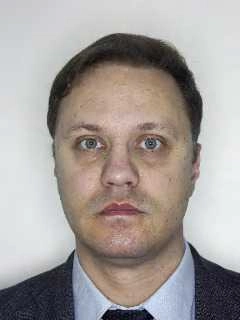
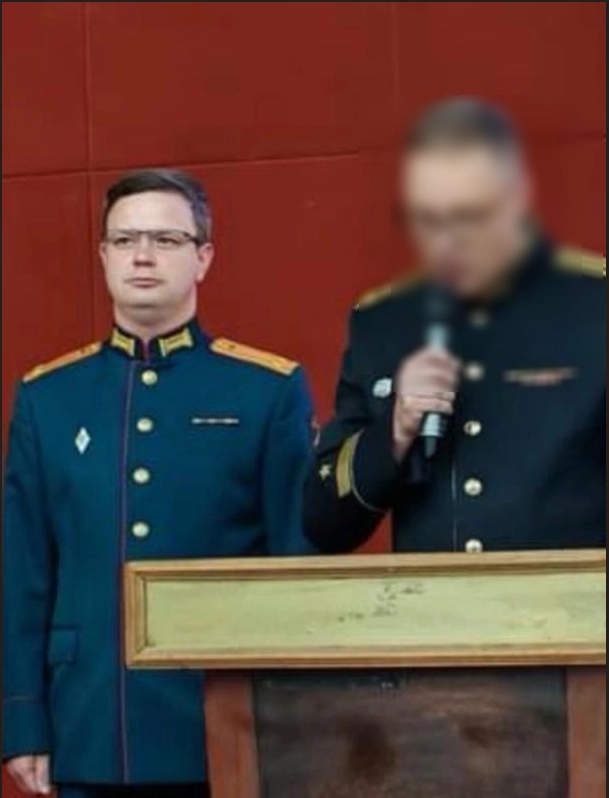
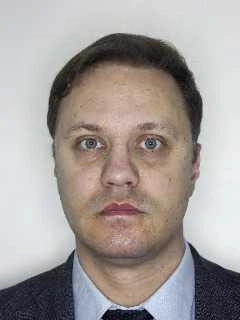
The Insider is publicly revealing his identity as the break-in artist for the first time. It is unclear if the African Union or the Ethiopian government knew of Dubikov's role in this incident, or his work for the GRU.
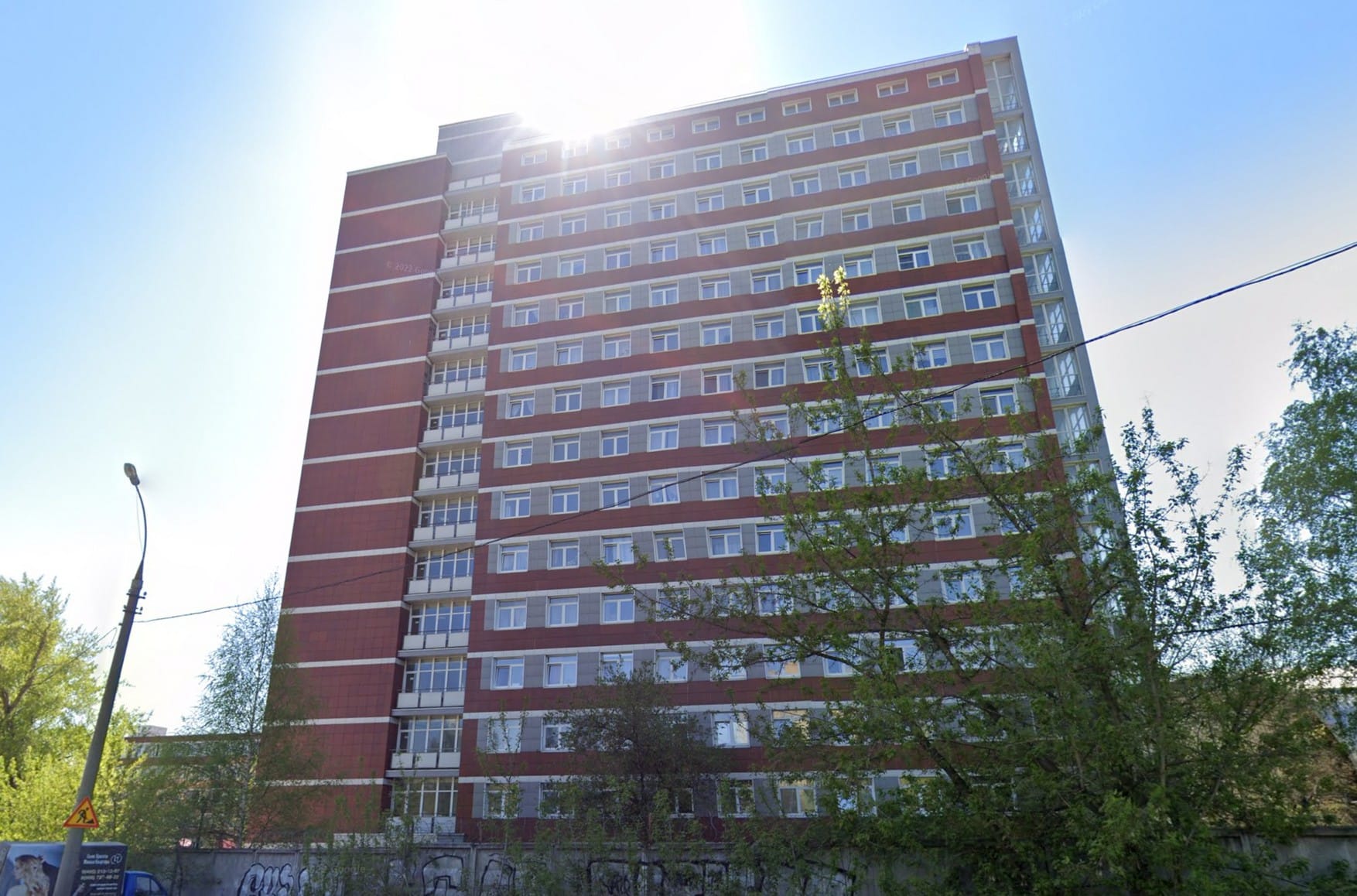
Records show that he was registered to a well-known dormitory of the GRU Academy at 52 Narodnogo Opolcheniya Street in Moscow. On his VK profile, last updated in May 2008, Dubikov says that he is a student of the Peter the Great Military Academy of the Strategic Missile Forces, a premier defense institution now based in Balashikha, Moscow region, where he studied computer science and information technologies in control systems. “Like everyone else,” he writes, “I study — but in my own way, combining usefulness with pleasure… Just a cadet.”
He described himself as “[v]ery kind and cuddly. I’m a well-rounded person interested in many things,” and was a fan of Rihanna, Chris Brown, the Mafia and Max Payne video games.
An Insider analysis of Dubikov’s phone data found several numbers belonging to GRU officers. His second-most frequently called number belongs to 37-year-old Vladislav Popov, a known GRU hacker linked to “Sandworm,” or GRU’s Unit 74455, responsible for launching a series of destructive and costly cyberattacks — including one in 2017 shutting down operations by Danish shipping company Maersk and U.S. pharmaceutical giant Merck, and mission-critical hospital computers in Pennsylvania. NotPetya, malware developed and deployed by “Sandworm” that initially infected Ukrainian computer systems, caused more than an estimated $10 billion in damages globally.


Following the 2025 incident in Addis Ababa, a source familiar with the matter told The Insider on the condition of anonymity that the African Union’s Security Directorate had strengthened security measures around Africa House. However, the breach raises concerns that Dubikov may have tried to steal files, data, or electronic devices belonging to Youssouf, or to install surveillance equipment to gather information about the chairman. Dubikov’s closeness to Popov and Sandworm only adds to that suspicion.
The breach raises concerns that Dubikov may have tried to steal files, data, or electronic devices belonging to Youssouf
According to flight records, Dubikov is still in the country—which means that either the Ethiopian authorities failed to identify him prior to this report, or they simply chose to ignore the scandal. The latter cannot be ruled out; judging by the frequent travel of GRU operatives — as analyzed by The Insider — Ethiopia has become a key hub for Russian intelligence activity in recent years.
“Ethiopia has long been an important operating base for Russian intelligence in East Africa,” according to Philip Obaji, a Nigerian Russia expert and investigative journalist who has extensively reported on Russia’s covert operations in Africa. “Senior GRU officials Anton Papshev and Yury Mikheyev, who play key roles in coordinating Russian intelligence activities across the continent, were based there for years.”
A spokesperson for Youssouf did not respond to a request for comment.
The disclosure of a Russian spy’s break-in of a diplomatic compound in East Africa comes at an awkward moment. On October 28-29, the third Russia-Africa summit is set to take place in Moscow, with Yuri Ushakov, Vladimir Putin’s adviser, heading its organizing committee. The second summit, held in 2023, aimed to “bolster comprehensive ties between the Russian Federation and African states, while establishing fresh frameworks for bilateral and multilateral collaboration,” according to its official website.
The co-chairs for the upcoming summit will be Vladimir Putin and Évariste Ndayishimiye, the Burundi president who this year holds the African Union’s rotating chairmanship.
“While Russia continues to establish relations with many African Union member states, the GRU break-in reveals its twofold game,” a Western security official told The Insider. “While it officially engages in cooperation with African Union members, it does not hesitate to use manipulation and lies to achieve its aims.”
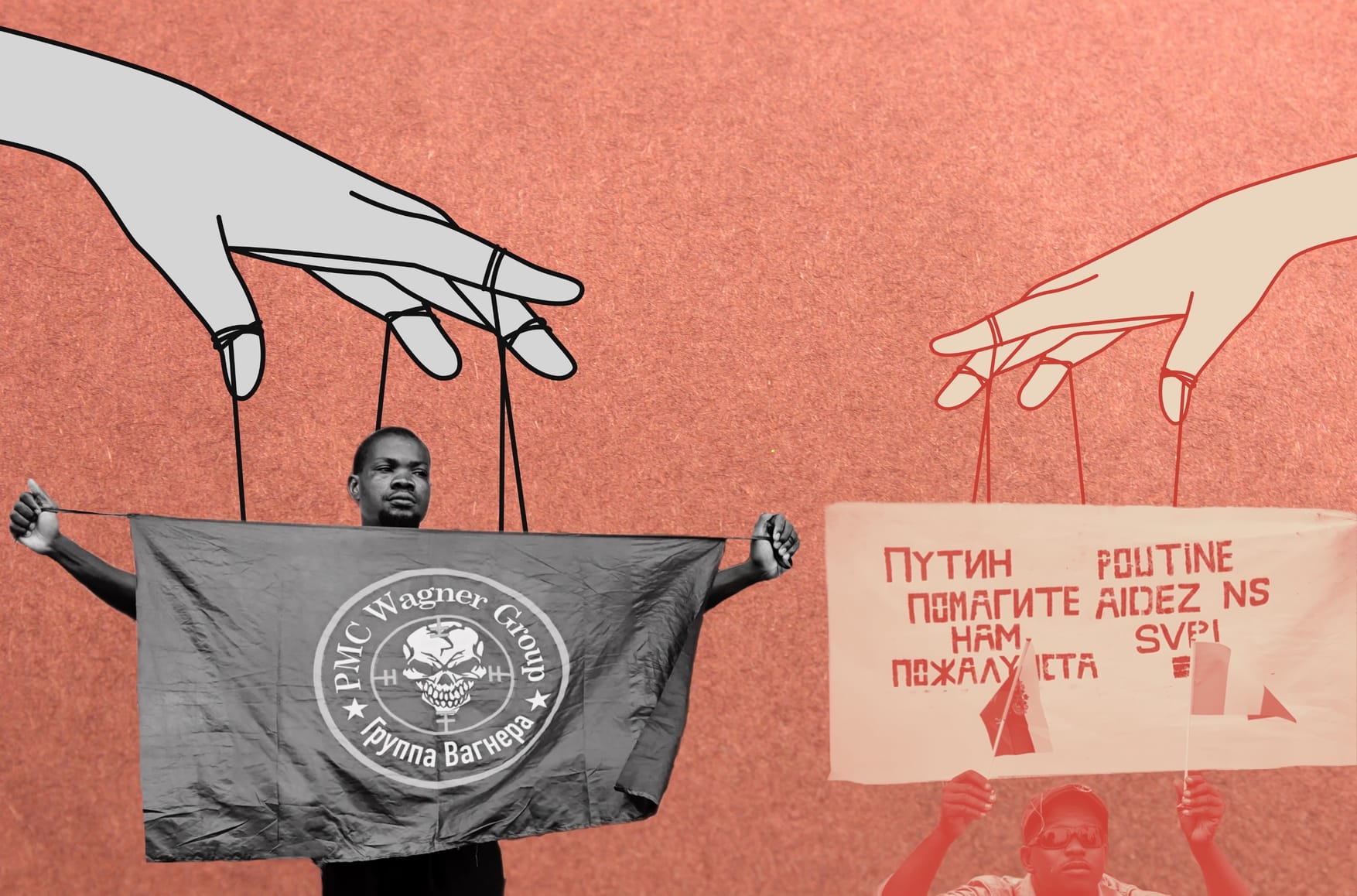
Russia’s role in Africa is both expansive and fraught. Much of its military presence was established by the Wagner Group, formerly headed by catering magnate-cum-mercenary chief Yevgeny Prigozhin, who died in a plane bombing in August 2023, two months after attempting an abortive mutiny against the Russian government. From 2017 until its demise, Wagner acted as a plausibly deniable arm of the Kremlin in multiple African theatres — Mali, Libya, Sudan and the Central African Republic. The mercenaries have acted as bodyguards and protection squads to help coup-proof regimes (they were the praetorian guard for CAR President Faustin-Archange Touadéra for over half a decade) and as combat forces to wage war against jihadist and rebel groups.
From 2017 until its demise, Wagner acted as a plausibly deniable arm of the Kremlin in multiple African theatres — Mali, Libya, Sudan and the Central African Republic
Wagner’s political technologists have also overseen information operations similar to the troll farm campaigns Prigozhin’s employees ran out of St. Petersburg to interfere in Western elections. Using the front organization AFRIC, they imported European neo-Nazis and white supremacists to act as ”election monitors” in several African countries, though their real purpose was to act as agents of influence to promote certain candidates and drum up anti-Western sentiment. (That white racists were at times pushing a pan-Africanist agenda at the expense of the bitter legacies of British and French colonialism was an irony Prigozhin may have relished privately.) Quite often, in fact, Wagner armed and funded opposing sides or a multiplicity of political actors vying for control of the same government — especially in Libya, where it worked on behalf of Saif al-Islam Gaddafi, the son of slain dictator Col. Muammar Gaddafi, and also of Gen. Khalifa Haftar, a Libyan warlord once beholden to the CIA.
“Russia’s broader approach in Africa is highly opportunistic,” Obaji told The Insider. “It deals with sitting governments while quietly maintaining relationships with opposition figures working against them. Rather than showing consistent loyalty to any one side, Moscow runs a dual-track strategy designed to protect and advance its own interests no matter which way the political winds blow.”
Wagner has enriched itself by extracting natural resources where it operated, running gold and diamond mines. In late 2021, Wagner usurped the French military in Mali at the invitation of the country’s ruling junta to defend the Bamako regime against Jama’at Nusrat al-Islam wal-Muslimin, the al-Qaeda affiliate, and Tuareg rebels. Both groups routed Wagner in Tinzaouatène, Mali, in 2024, precipitating the group’s withdrawal in 2025.
The UN Panel of Experts for Mali stated in an August 2023 report that Wagner, which was credibly accused of gross human rights abuses such as torture, beheadings, and summary executions, has hardly been a successful counterterrorist force in the country, allowing the ISIS franchise in Mali to nearly double its territorial control in under a year. Wagner has, however, tried to pass off its atrocities as the work of the French military, including the on-camera burial of bodies in a mass grave near a Malian military base Wagner was using in April 2022.
Wagner has hardly been a successful counterterrorist force in Mali, allowing the ISIS franchise to nearly double its territorial control in under a year
Since Prigozhin’s death, Wagner’s operations have largely been incorporated into Africa Corps, a Russian state-run expeditionary force headed by Gen. Andrey Averyanov, now the deputy director of the GRU but formerly the founding commander of Unit 29155, the service’s black ops team responsible for poisoning the Skripals in Salisbury, staging a failed coup in Montenegro, and blowing up a series of weapons and ammunition storage facilities across NATO territory, where materiel destined for Georgia, Ukraine and Syrian rebels were being stockpiled. Averyanov, in fact, took Prigozhin’s place at a roundtable discussion on the last day of the second Russia-Africa summit in St. Petersburg in July 2023. Seventy to eighty percent of Africa Corps’ forces are ex-Wagner mercenaries, according to an investigation by Reuters.
Moscow’s hard power projection in Africa, meanwhile, competes with soft power initiatives that are often masquerades for intelligence operations. Rossotrudnichestvo, the Foreign Ministry’s cultural arm, which doubles as a conspicuous clearinghouse for the SVR, has plans to open new “Russian Houses,” or educational and cultural centers, in Egypt , Zambia, Tanzania, South Africa, and Ethiopia. In 2025, Russia granted 5,000 state-funded places at Russian universities to African students, mainly from Sudan, Guinea, Ghana, and Chad.