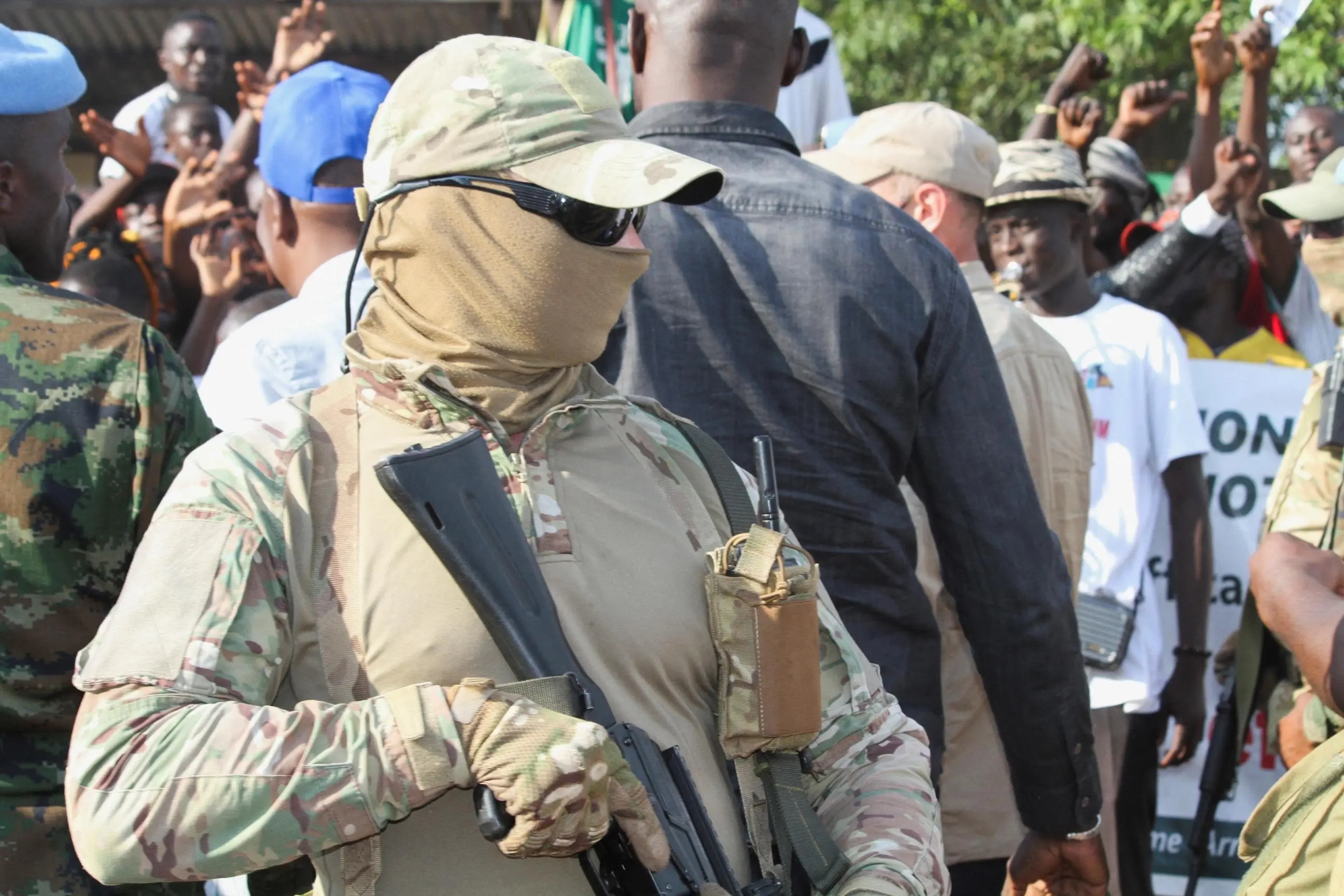
Members of the Russian private military company Wagner Group who remain in the Central African Republic (CAR) control the supply and distribution of tramadol, an opioid painkiller used in high doses as a narcotic stimulant. The drug comes from India via the Democratic Republic of Congo, after which it is transported along the Ubangi River into the CAR. The revenue from the trade allows Wagner fighters to maintain its influence in the country, the Wall Street Journal reports, citing researchers, drug traffickers, and a former member of Wagner-affiliated organizations.
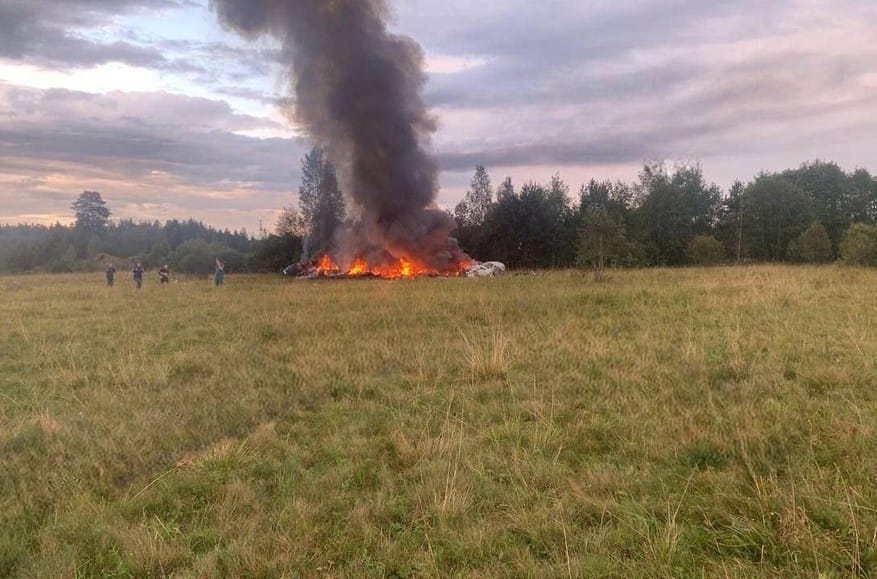
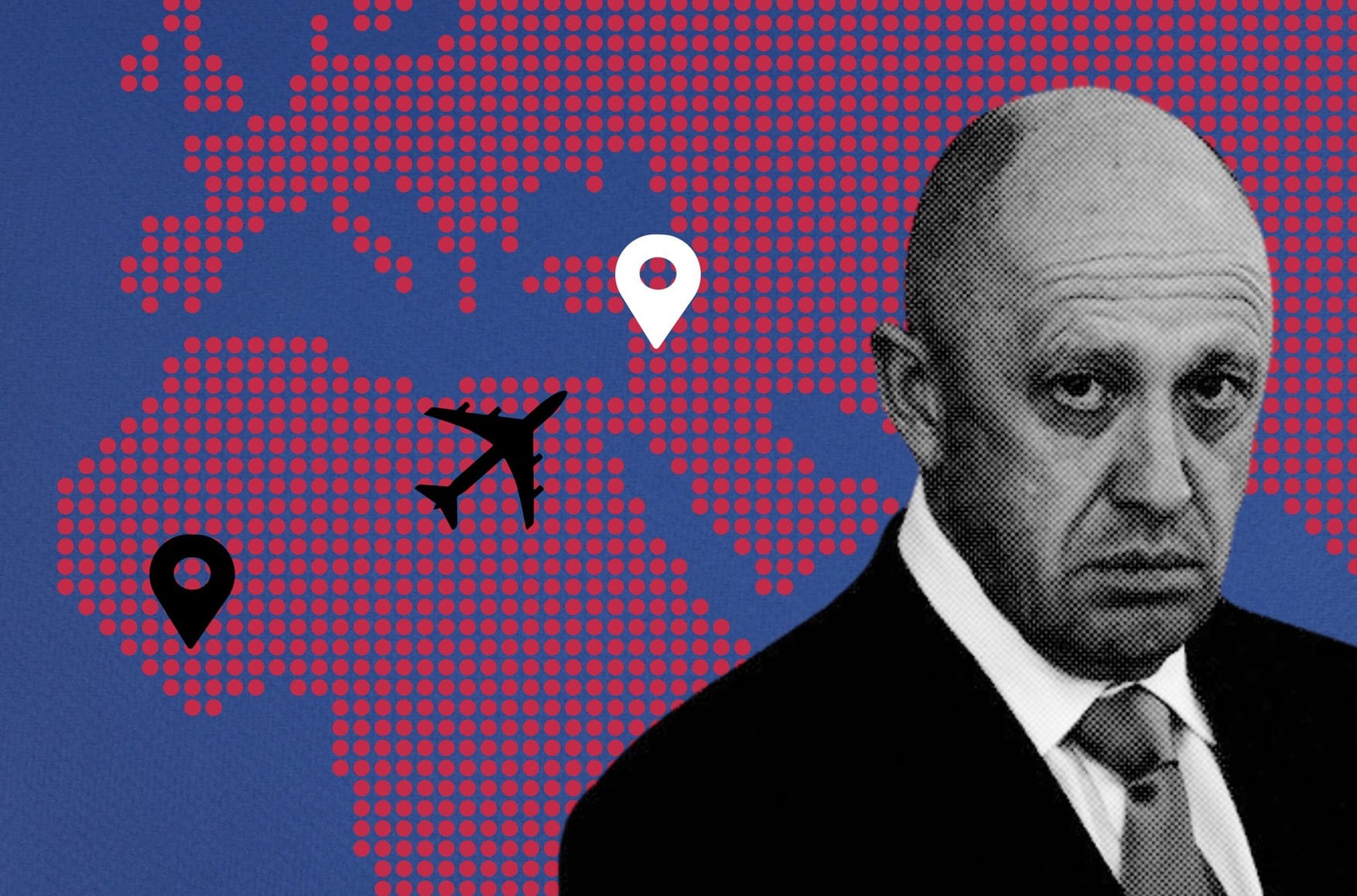
According to the WSJ’s estimate, up to 500 Wagner Group members remain in hard-to-reach areas along the upper reaches of the Ubangi. Following the death of the group’s founder Yevgeny Prigozhin — in an August 2023 plane crash that occurred inside Russia two months after his abortive march on Moscow — a significant portion of Wagner’s foreign operations was absorbed by the Russian state. In the CAR, however, the former Wagner Group entities have retained their economic assets, ties with security agencies, and control over part of the smuggling routes. The WSJ asserts that they are now led by Prigozhin’s son, Pavel.
The prescription drug tramadol is intended to treat pain, but when consumed in large doses it produces an addictive stimulating effect. A standard single dose of the drug is 50 to 100 mg, but in the CAR, pills containing 200 mg or more of the active substance are widely sold. According to researchers, the drug is taken by laborers at gold mines in order to allow them to work longer hours, by participants in pro-Russian rallies to suppress hunger and fatigue, and also by fighters of armed formations.
Nathalia Dukhan, a researcher at the Global Initiative Against Transnational Organized Crime, told the WSJ that in combat conditions tramadol is consumed in particularly high doses, as it suppresses fear and increases alertness. According to researchers, commanders of Wagner-affiliated formations distribute tablets to fighters before battles to increase their aggression. A former member of Wagner entities also told the publication that the drug is supplied to members of the Central African Republic’s presidential guard and the pro-government youth group Les Requins (“the Sharks”), whose members patrol the capital Bangui, attacking opposition supporters.
According to the WSJ report, a significant portion of the tramadol entering the CAR is manufactured in India before being exported to firms in the Democratic Republic of Congo (DRC). Officially, the shipments are documented as standard-dosage tablets — 50 mg — but high-potency formulations are also concealed among them. The publication does not name the manufacturers or the importing companies.
In the DRC, the high-dosage tablets are repackaged and shipped from Kinshasa to the border town of Zongo. From there, smugglers transport them into the CAR across the Ubangi River, which has become an important supply route for fuel, weapons, and illegal drugs. Wagner fighters and associated armed groups control the distribution of tramadol within the country, as well as its onward shipment to neighboring states. According to traffickers, a batch that costs around $7,000 in the CAR can be sold for $21,000 after being smuggled into Cameroon. However, the smugglers must first pay around $4,000 in bribes to Wagner fighters and associated armed formations.
Tramadol trafficking is not the former Wagner Group’s only source of income in the CAR. The Global Initiative estimates the group generates around $180 million in annual revenue from the export of gold. According to the WSJ, opioid trade profits are also used to import weapons and support a network of controlled militias.
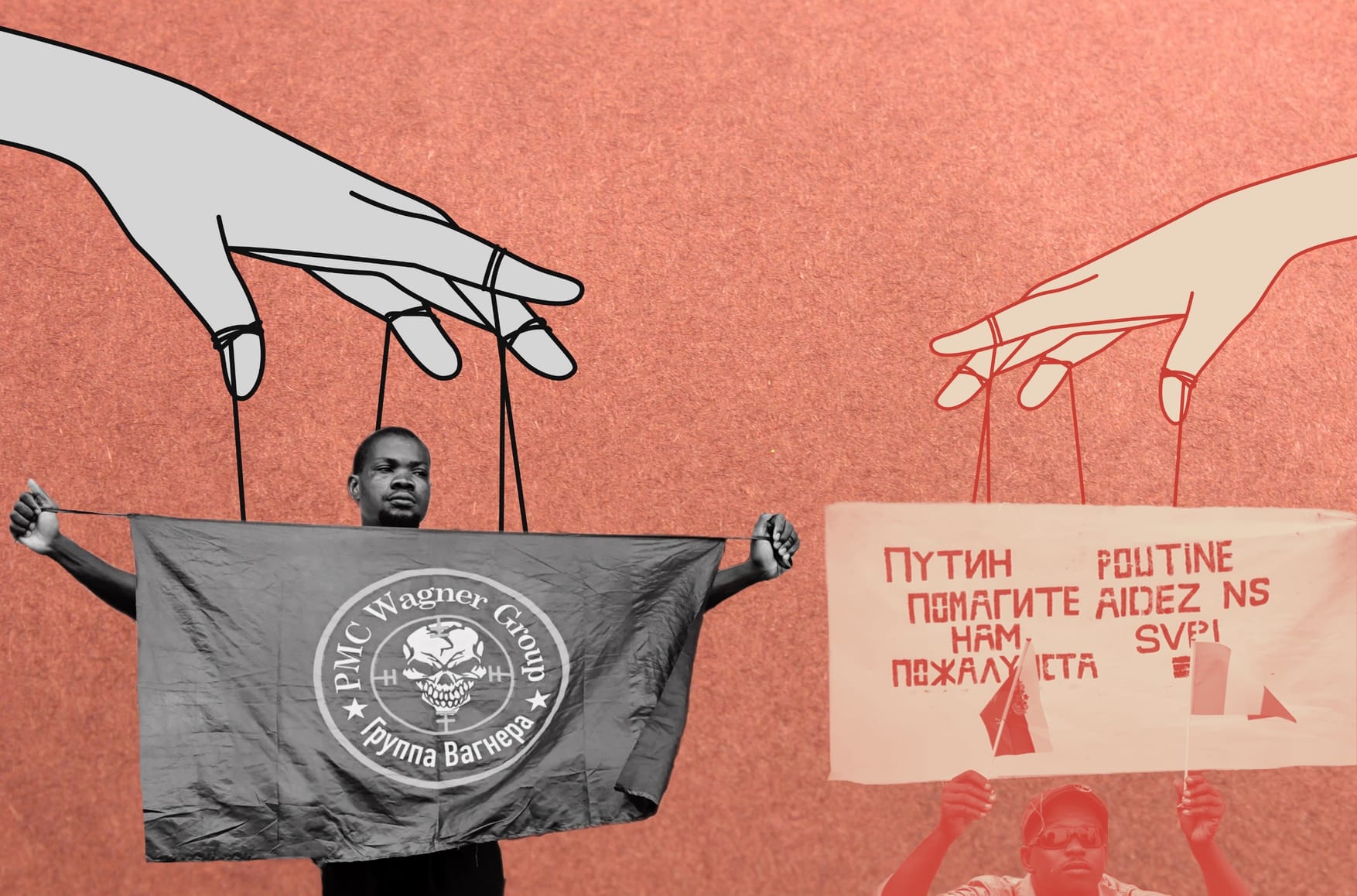
The Wagner Group first appeared in the CAR in 2018 following an agreement with the country’s president, Faustin-Archange Touadéra. The Russian mercenaries helped the government repel a rebel advance on the capital in exchange for access to gold deposits and other resources. Today, they remain deeply integrated into the country’s army and pro-government formations. As International Crisis Group analyst Charles Bouëssel tells the WSJ, Moscow is avoiding open conflict with the Russian mercenaries.
According to the outlet, the strengthening of Wagner-affiliated formations has been accompanied by a rise in violence. In February 2025, the Anti-balaka militia, linked to Russian mercenaries, killed around 130 members of the Fulani people near the border with Cameroon. ACLED called the massacre the deadliest attack on civilians in the country since March 2022. The number of deaths in fighting over mineral-rich areas has grown by nearly 20% over the past year — to approximately 500 people, according to Uppsala University data cited by the WSJ.