From January through the end of July 2026, the Latvian State Border Guard prevented 8,814 attempts by illegal immigrants to enter the country. Still, despite the best efforts of European border services, routes for the illegal movement of people across the Belarusian border continue to operate. As The Insider found, up to 20 illegal immigrants at a time slip into the European Union with the aim of reaching the German border. Most importantly, however, is the fact that their movements are being coordinated by Russia’s Federal Security Service (FSB).
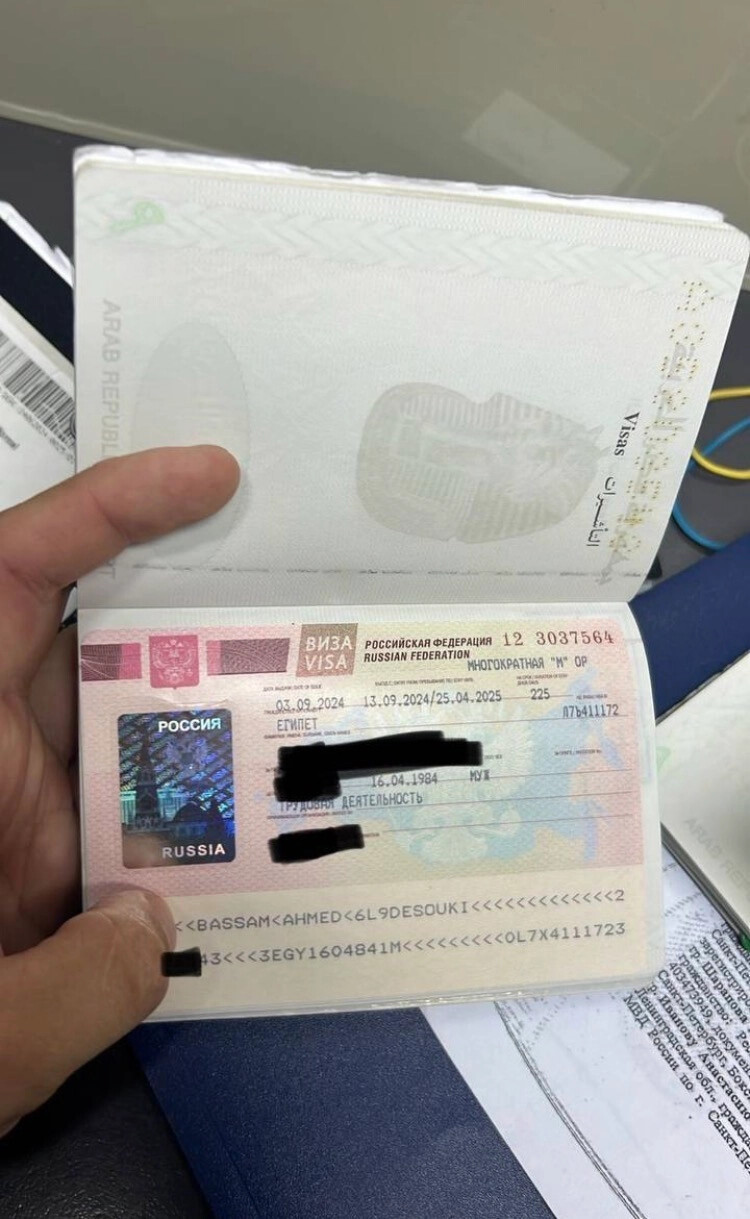
Iraqi citizen Obeid Mohaymen flew to Moscow in May 2025 at the invitation of Rus Gateway LLC, a Moscow-based company that operates under the brands Middle East Group and MiG LLC. Officially, the company helps migrants obtain invitations to Russia while also running the Cassandra hotel in Balashikha, outside Moscow. Unofficially, it is part of a scheme to smuggle people from Arab countries into the European Union.
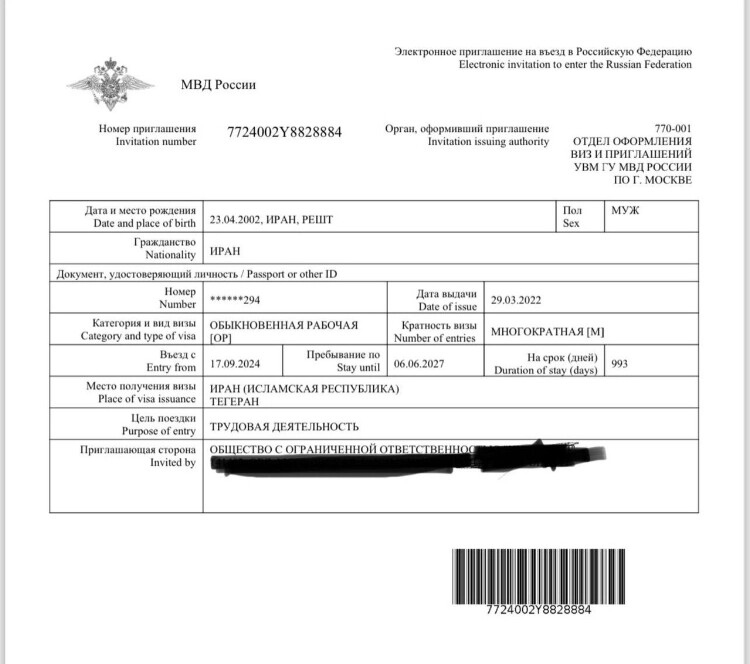
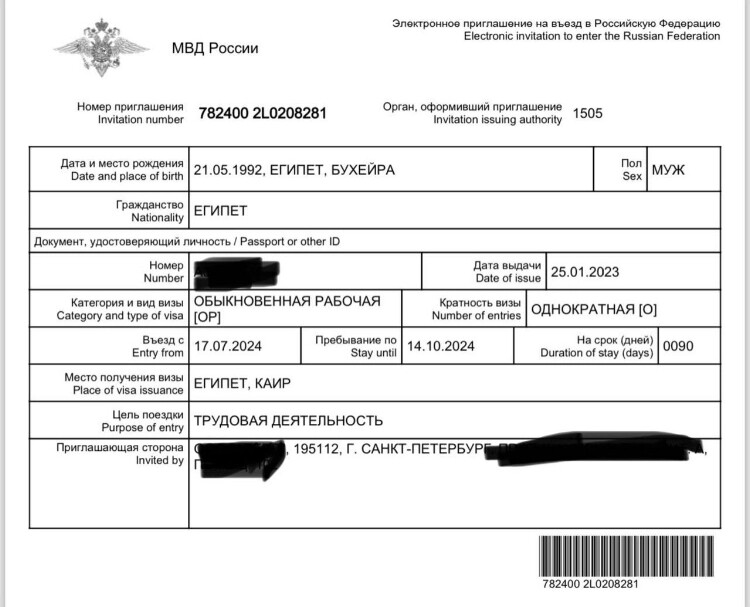
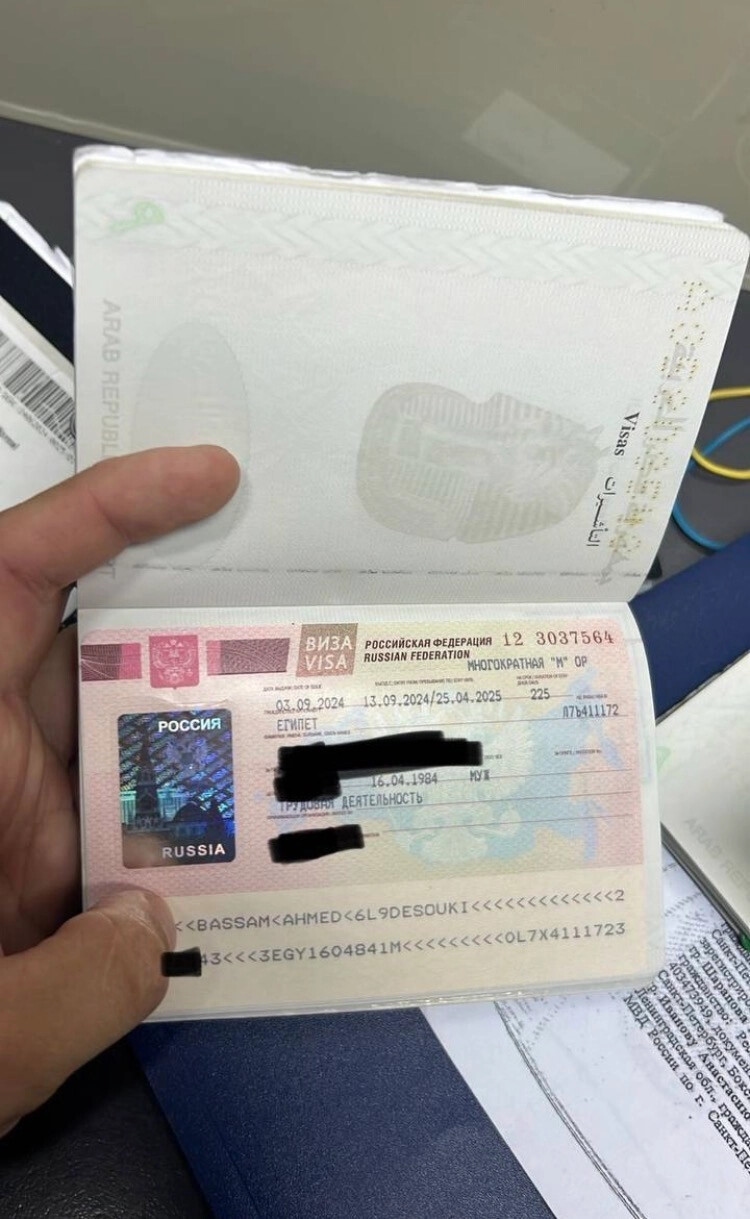
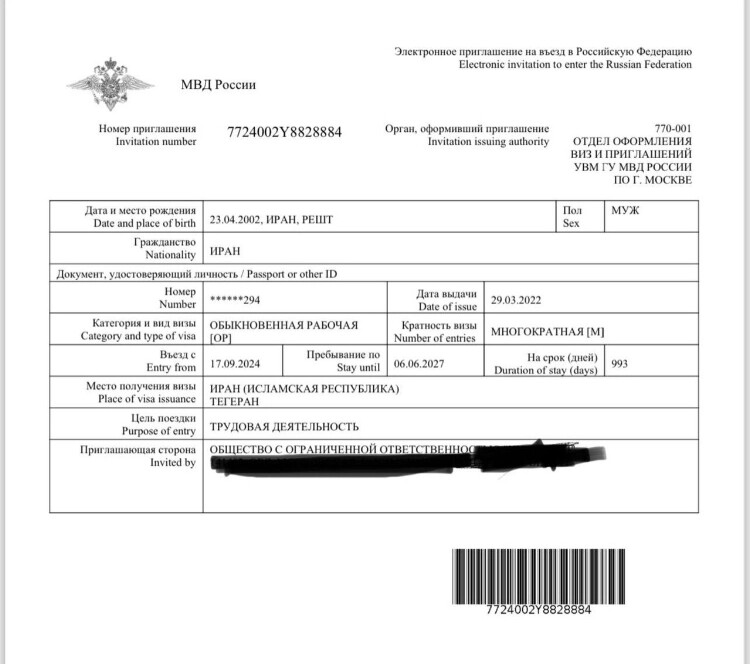
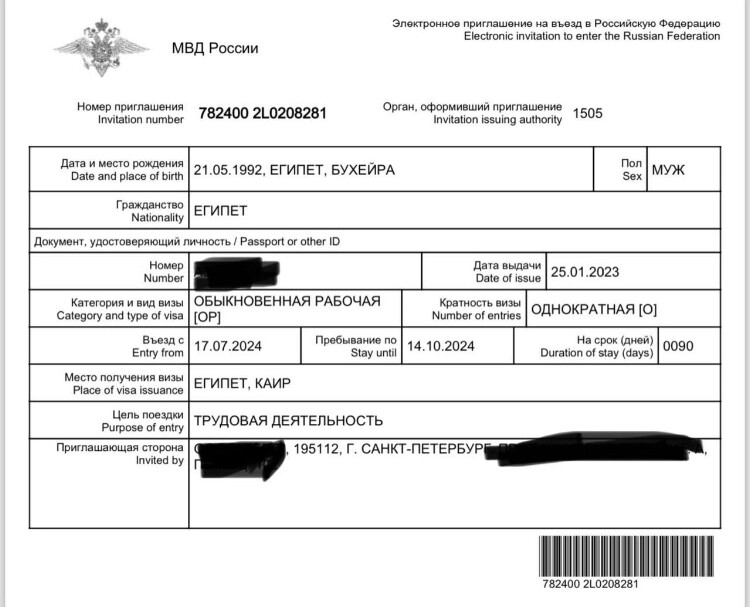
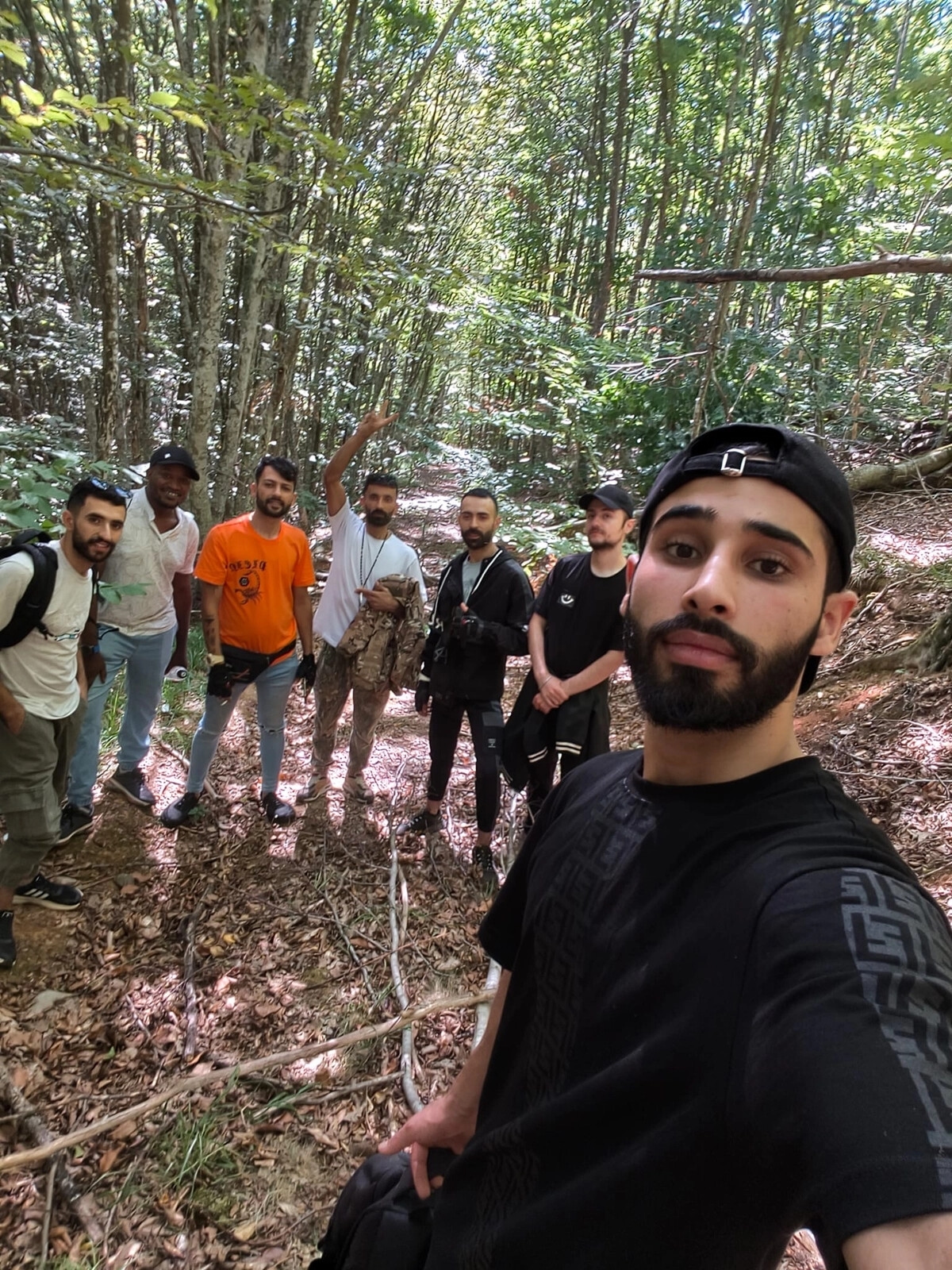
Participants — like Mohaymen — meet through Telegram groups and ads, or in comments under TikTok and Facebook videos advertising illegal routes. Most coordination takes place in closed WhatsApp chats.
In TikTok and Telegram videos, people who illegally entered the EU state their names and thank a certain man, addressing him as “Abu Radad,” “Abu Redad,” or “Abu Harbi” (“father of war”). Apparently, they are referring to one and the same person.
The Insider established that this network is run by Yemeni smuggler Abu Radad. According to a report by the Center for the Study of Democracy, since at least 2021 Radad has specialized in organizing instrumentalized influxes of Arab and African refugees to the borders of EU countries and the United Kingdom, using messenger apps and social media channels to attract prospective clients.
Abu Radad’s phone number also turned out to be linked to channels where migrants are gathered, The Insider confirmed.
Dark Logistic: 10,000 euros per trip
Organized groups of illegal migrants from Africa and the Middle East often enter the European Union through the Baltic states using thoroughly organized routes. First, people from a range of countries — Syria, Yemen, Ethiopia, Eritrea, Somalia, Kenya, Sudan, Chad, Uganda, Lebanon, Iraq, Saudi Arabia, Egypt, and Morocco — are invited to Russia under the pretext of work or tourism. Moscow’s Foreign Ministry issues them visas, and then, under the control of FSB officers, they are transferred through Belarus to the EU border.
The Insider identified several drivers who transported migrants from Moscow and St. Petersburg through Belarus to the edge of Europe. One of them, Tajikistan-born Buned Bakhtiyerov, goes by the name of Ali. Another driver, who uses the pseudonym Max Paron, turned out to be Russian national Vyacheslav Borisov; his contact information was saved in the phone of an Arab illegal migrant as “Andrey Minsk” or “Max Moscow–Minsk.”
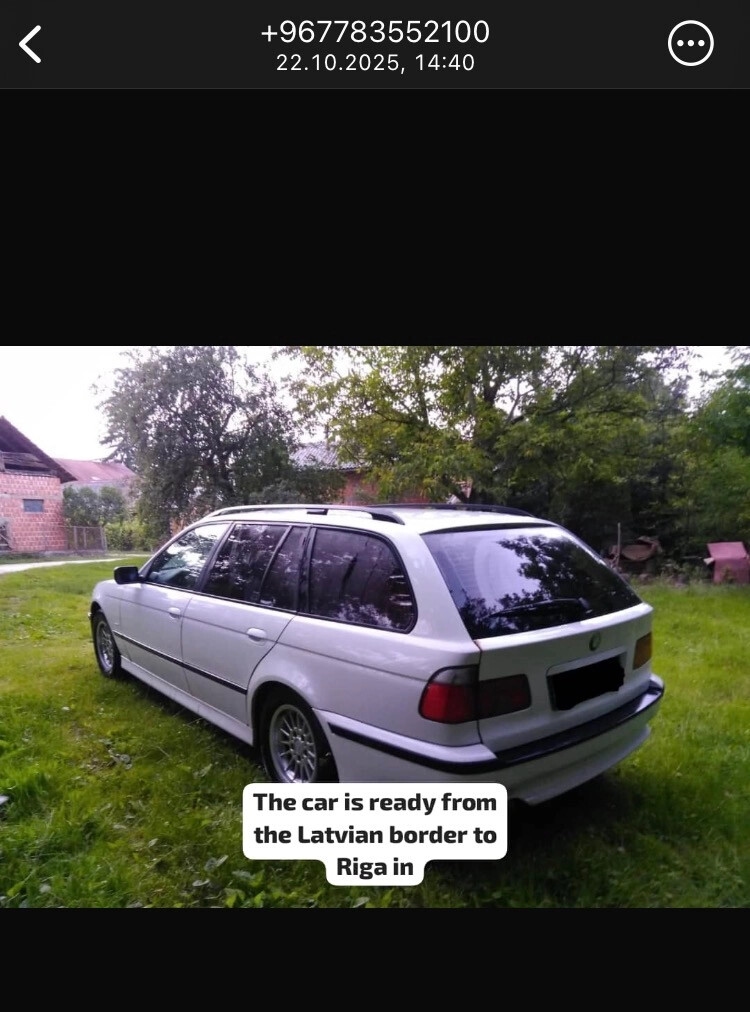
Inside the EU, Russian-speaking drivers are recruited in Telegram groups with names like Work in the EU, Work in Poland, International Transportation, Drivers in the EU, Black taxi, Transportation Europe, Dark logistic, and DarkDrive, and also through ads posted in general-purpose aggregator groups on behalf of Abu Bakh, Abu Sakhr, Raji, Ali, Takata, Kalak, and other seemingly Arabic names.
First, the driver talks to a contact. Then, after some brief questioning, he is redirected to a “manager” for a more detailed interview involving a discussion of “business trip” options.
Ads are published every day. If a driver does not have a car, a rental is booked. On average, drivers are promised 1,000 to 10,000 euros per trip, depending on the number of illegal migrants being moved. Possible routes include going through the forest to Riga, transit to the Polish–German border, and to Finland by ferry via Estonia.
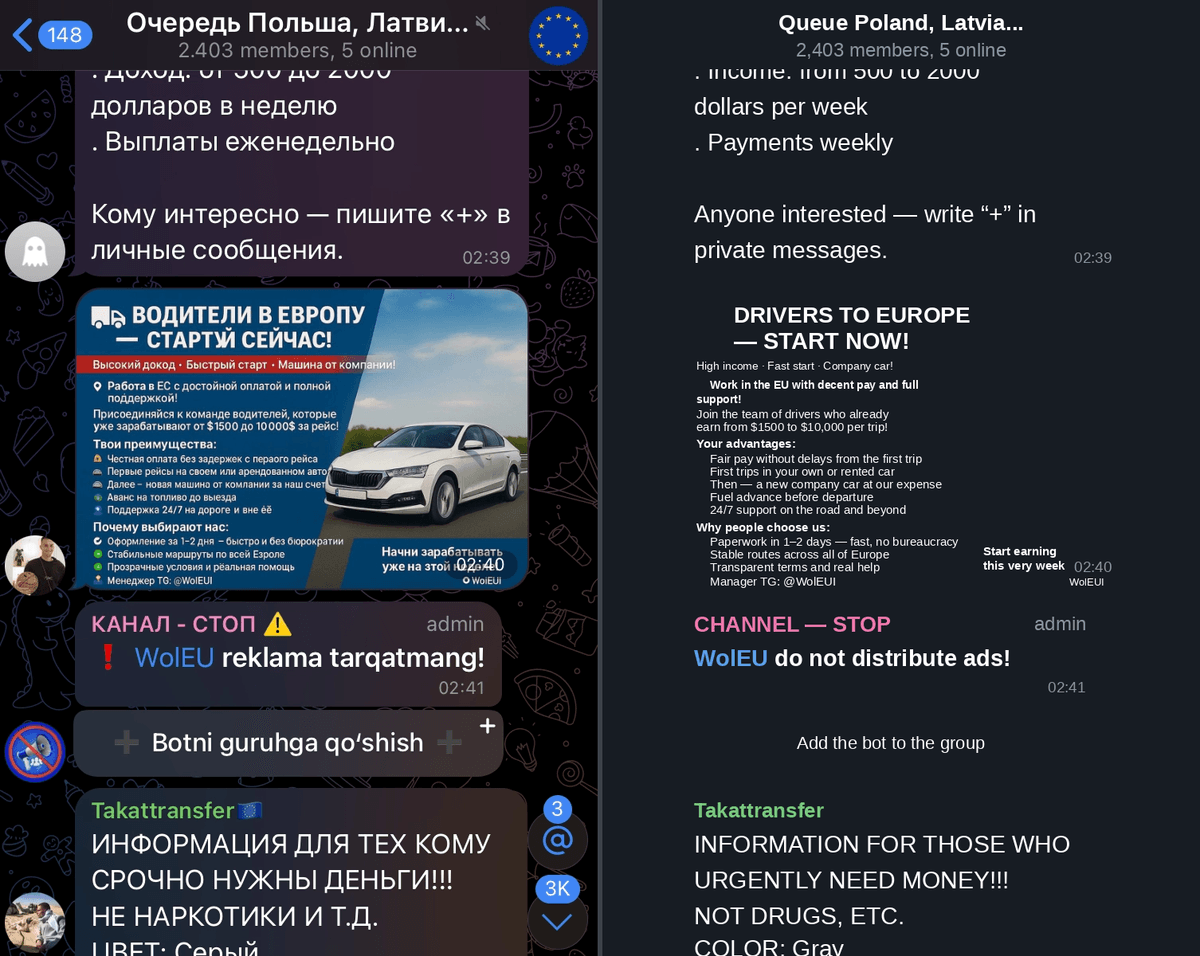
Upon reaching their destination, the illegal migrants are recorded on video, and the driver is paid a fee in cryptocurrency once a report is made to the organizers. Moldovan resident Mikhail Demidenko received money via just such an arrangement in 2024 after renting a car and transporting migrants from clients in the Black Taxi group. Syrian-born Ramadan Mahruz, who had himself arrived in Germany as a refugee, was among those who paid drivers including Demidenko for transporting other illegal migrants.
Forest, fence, airBaltic
The Insider’s sources say that Russian and Belarusian border guards show no interest in groups of people from Africa and the Middle East moving toward the European Union border, allowing guides to bring the migrants to the border crossing point without much trouble. The smugglers forbid them from using mobile phones, knowing that EU border services can locate them via GSM signals.
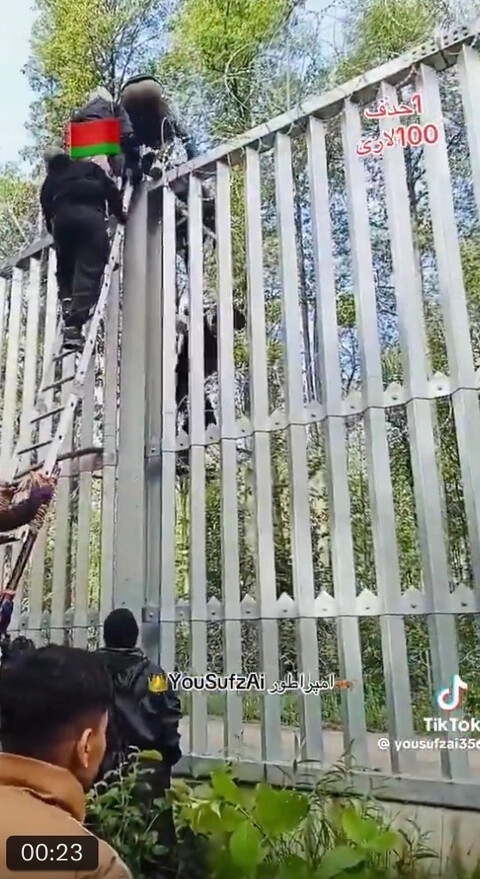
The fences on the border with Latvia are crossed differently each time — “guides” might cut the barbed wire, dig a tunnel, or set up ladders. In Latvia, another guide either walks the group through the forest or has a hired driver take them to Riga, and from there to the border crossing between Poland and Germany.

In the Baltic states and Poland, smugglers rent apartments for illegal migrants to use as temporary stops. For example, the smuggler Abu Harbi promises participants a house in Warsaw and Lithuania.
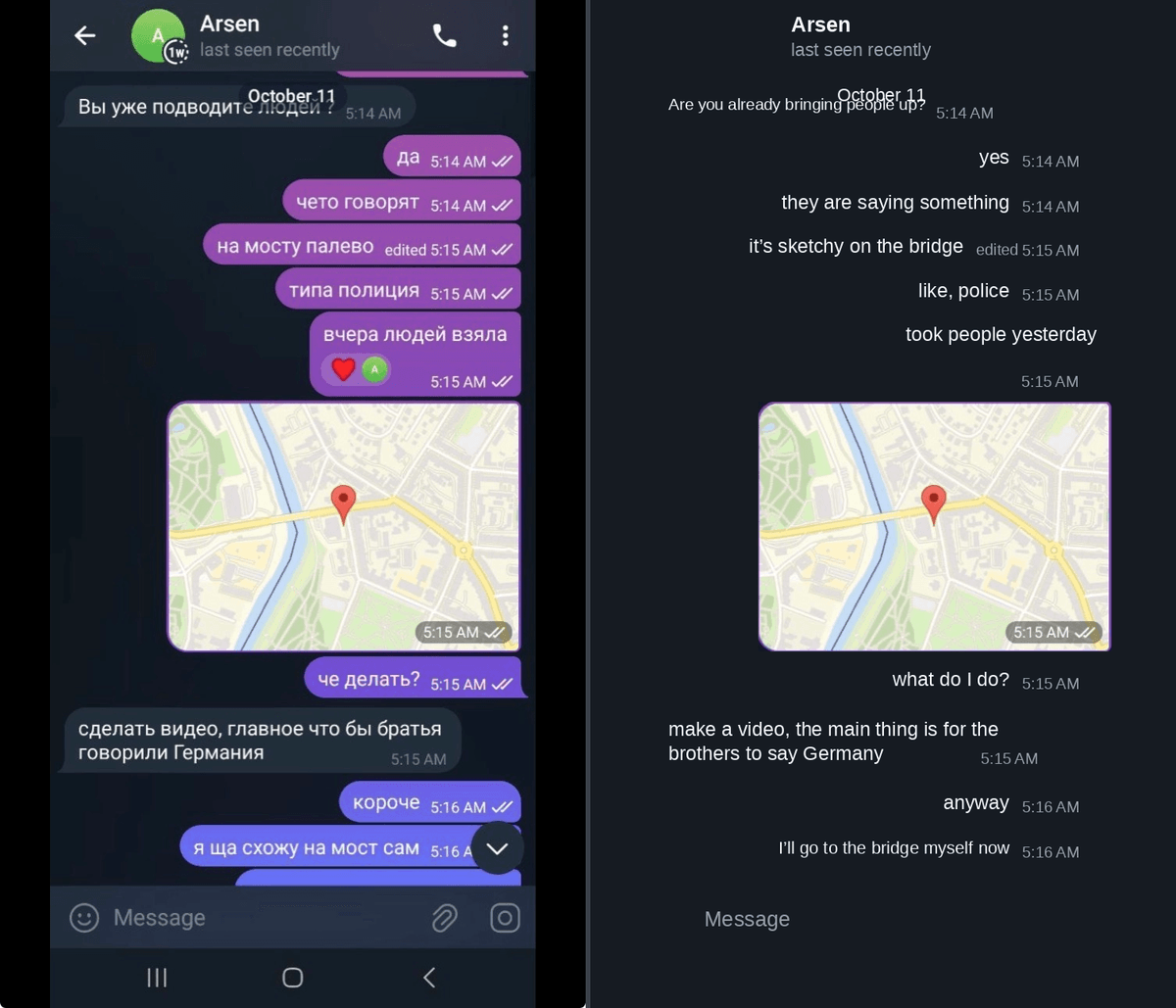
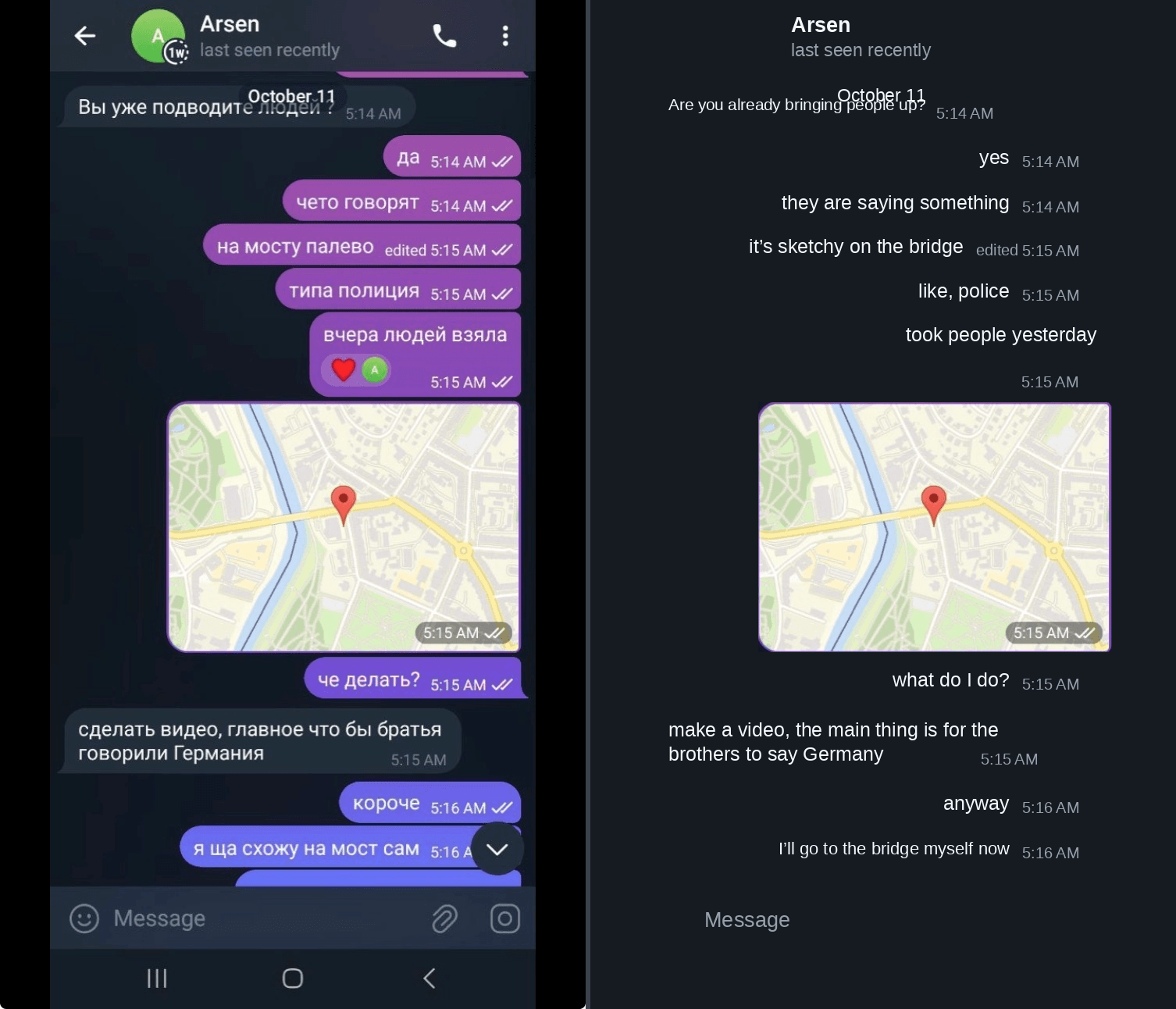
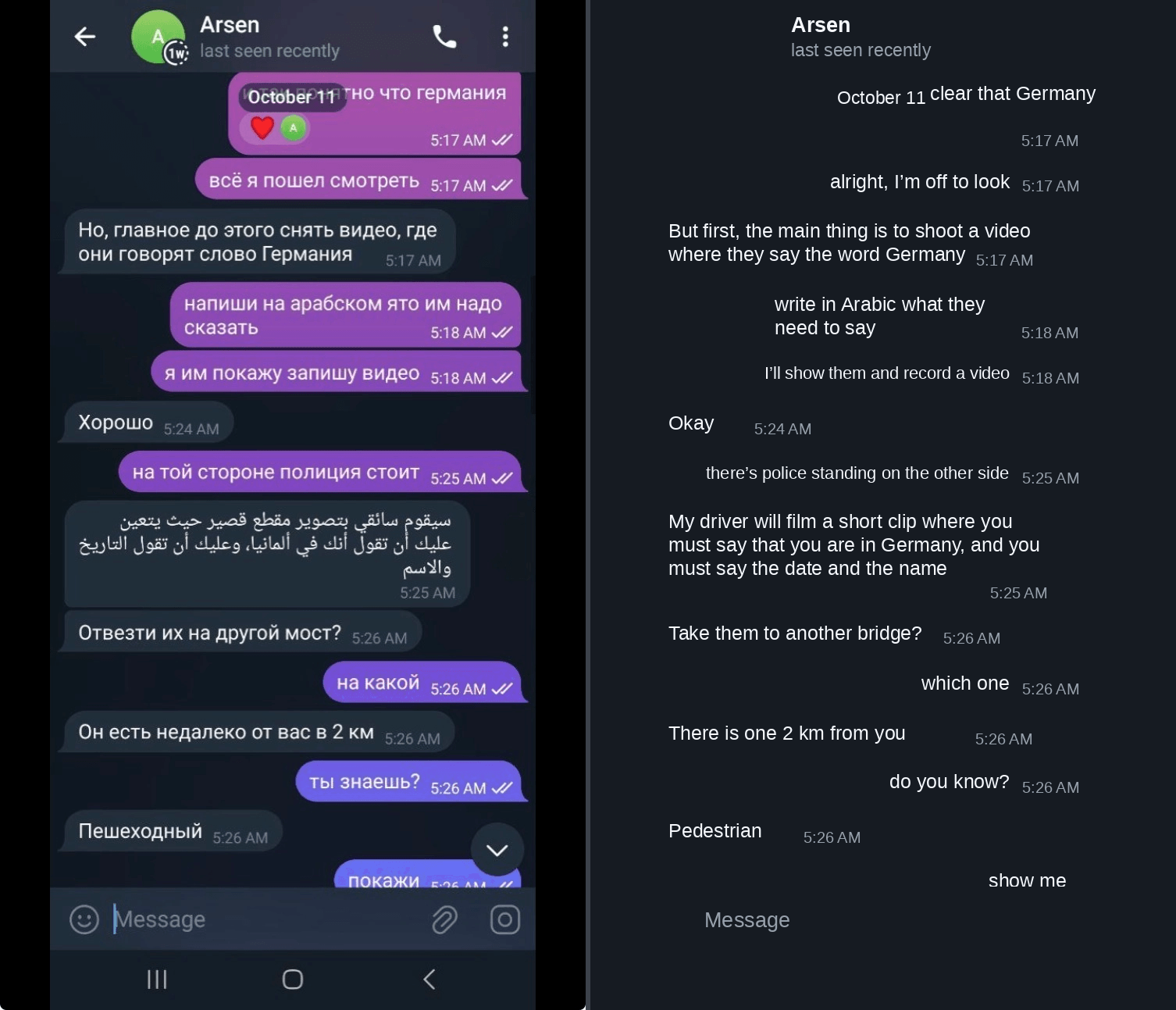
One of the routes identified by Latvian border guards led to Germany. Materials from the smugglers’ internal chat, obtained by The Insider, show that they got there via the road bridge between Polish Zgorzelec and German Görlitz. A scout reconnoitered the route beforehand; if police had been on the road, the group had a second option via a pedestrian bridge.
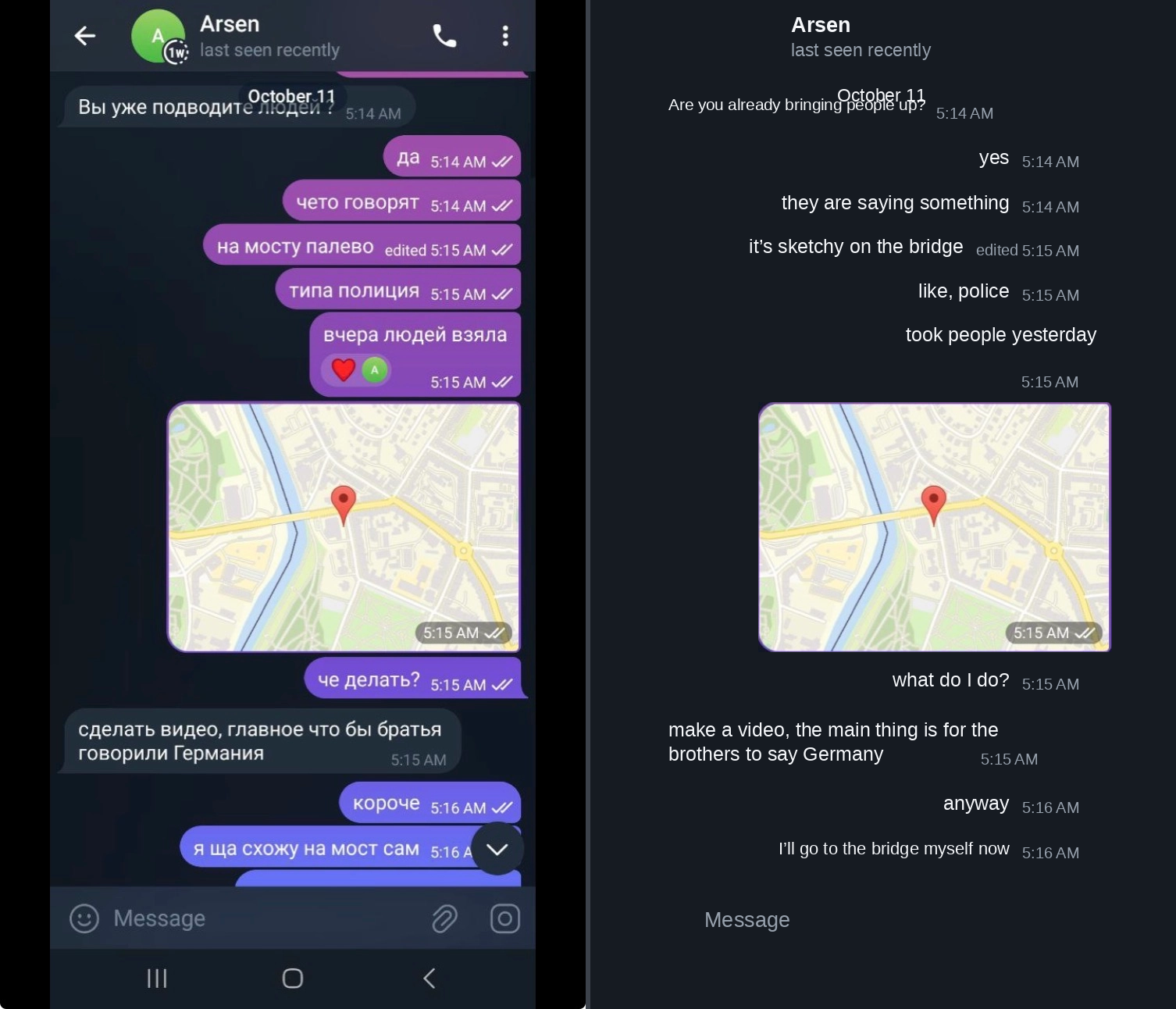
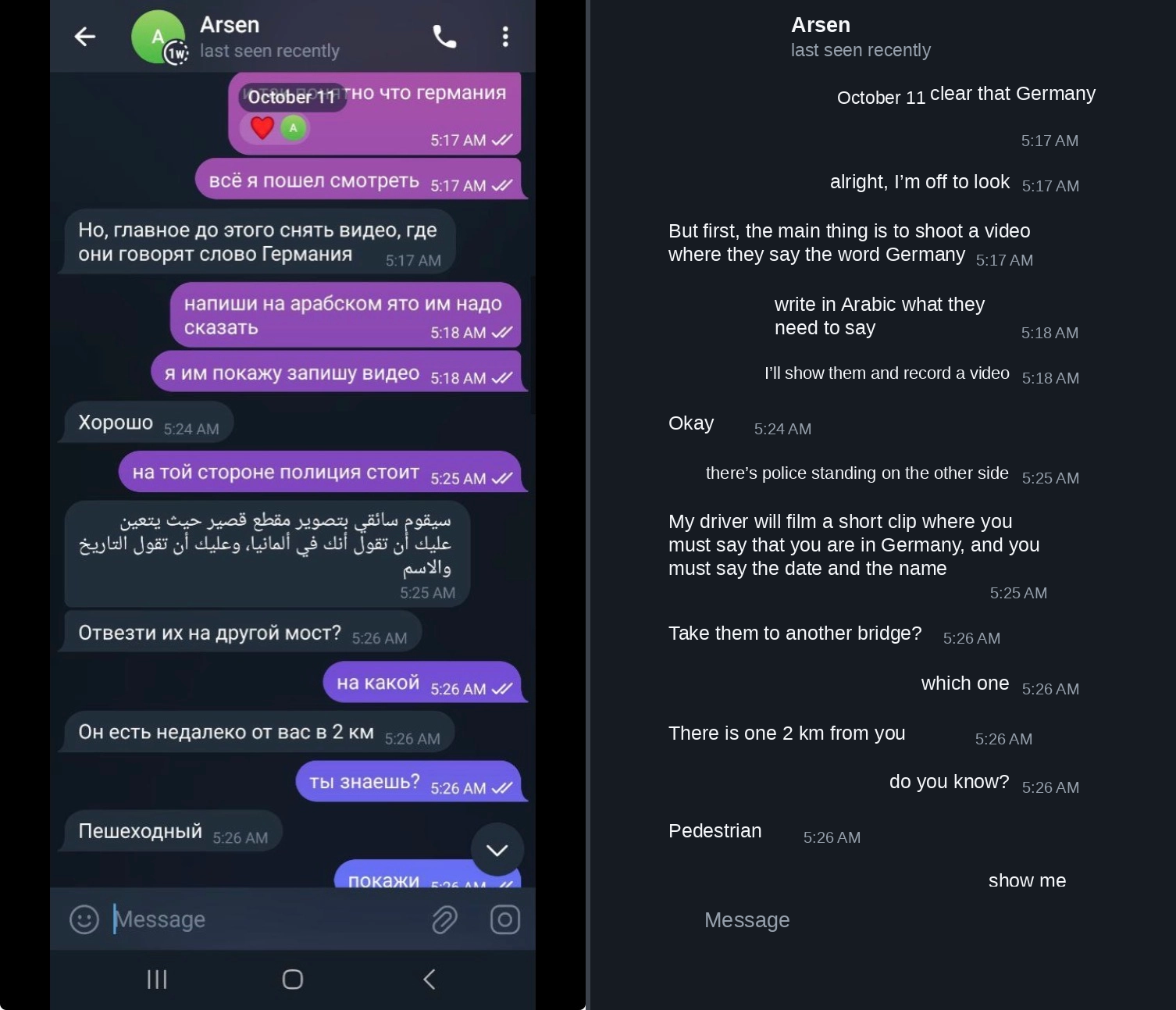
Of course, infiltration does not always succeed. According to a report from the Polish Border Guard, on June 9 a group of 22 illegal migrants from Somalia, Sudan, Morocco, and Ethiopia was detained on the border between Lithuania and Poland.
Notably, since late 2025 many smugglers and guides have been using new schemes with Finland as the final destination. In 2023, Helsinki closed checkpoints on the border with Russia after an obviously organized influx of migrants from the Russian side. After that, the Finns increased the number of border guards, strengthening their control along the entire perimeter. However, the groups could still enter the country through the more accessible Baltic states.
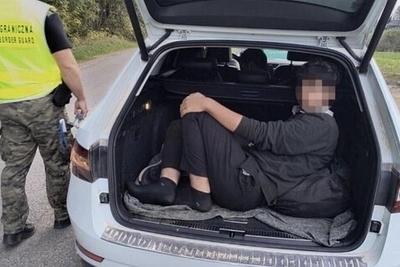
As before, illegal migrants fly to Russia and travel through Belarus to Latvia, Lithuania, or Estonia. From there, they might fly from Riga to Finland on airBaltic, or hide in a vehicle at the port of Tallinn as a driver takes them by ferry to Helsinki. That’s how, on Sept. 6, citizens of Eritrea and Morocco were detained in the port of the Finnish capital, and on the night of Sept. 25, Finland’s border guard service detained another vehicle with two illegal migrants inside.
Smuggler with a certificate of honor from the FSB
On the Russian side, waves of illegal migration are coordinated by FSB officers themselves. The Insider discovered and identified a member of the FSB Border Service in the Republic of Karelia — Magdeburg native Maxim Kazydub — who was a participant in closed communication channels and groups involved in smuggling illegal migrants into the European Union, one of which had been part of the effort that prompted Finland to strengthen its border in 2023. On social media, Kazydub appears as “Dmitry Titov,” “Max Koza,” “Sanek Orlov,” and “Max Karelsky.”
For example, under the “Dmitry Titov” pseudonym, Kazydub monitored the activity of participants in the Telegram group Kovcheg Finlandia (Ark of Finland), where anti-war Russians and legal asylum seekers from Russia discuss pressing issues, such as how to arrange for relatives to get into Europe.
After Finland fully closed its border with Russia, the same FSB officer turned up in closed WhatsApp groups tied to Abu Radad and Abu Harbi — chats that can only be joined via an invitation link. Inside, members can coordinate the movement of migrants in the border zone on the Russian and Belarusian side.
Kadzydub’s actions cannot be a secret to his superiors. In 2024, he was awarded a certificate of honor from the government of the Republic of Karelia for services in ensuring border protection — the same border he indirectly helped close off after Finland actively responded to the FSB’s instrumental influx in late 2023.