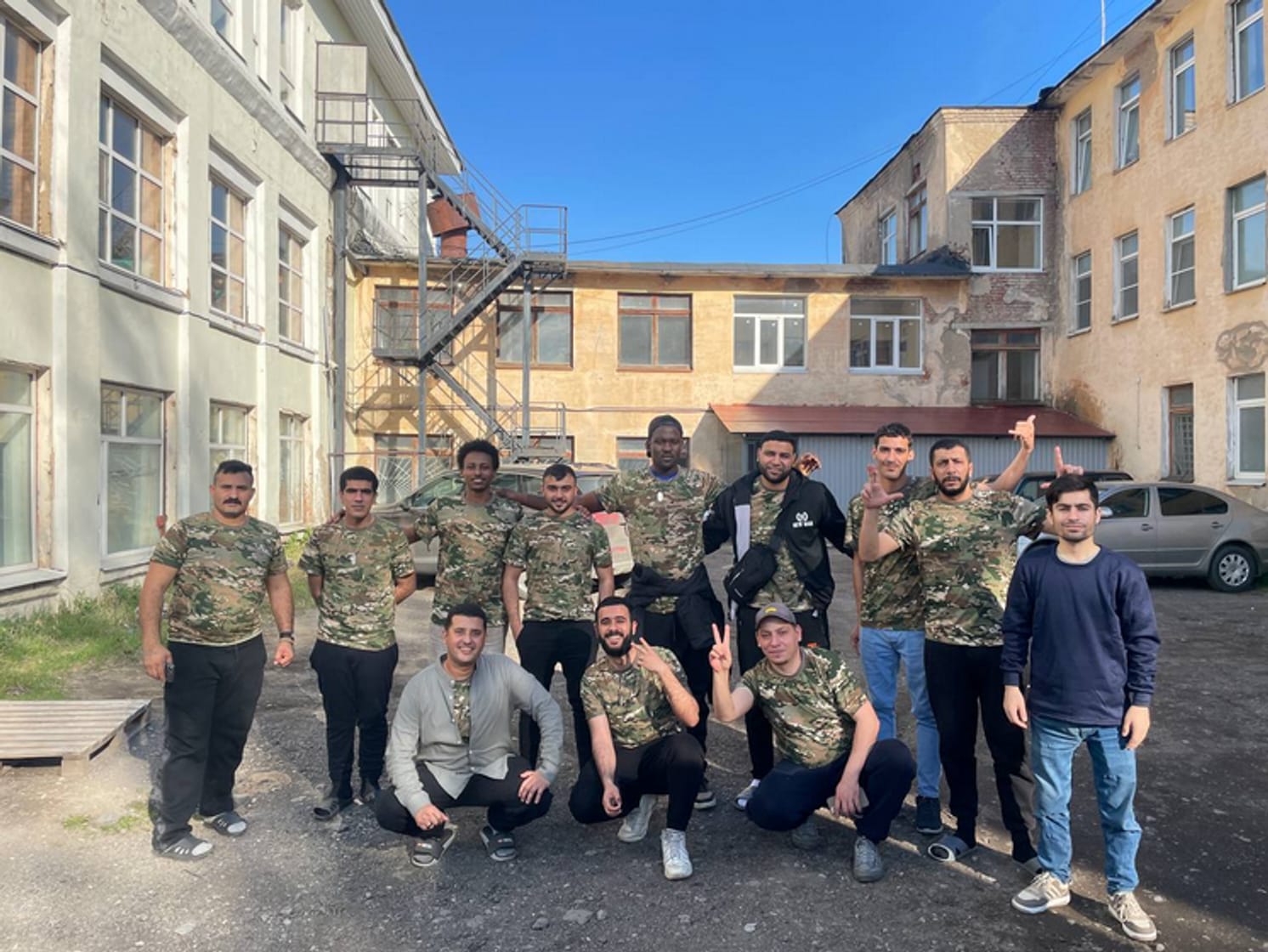
Russia has sharply stepped up its recruitment of Africans for the Kremlin’s war against Ukraine, shifting its focus to countries with lower incomes and weak democratic institutions, Bloomberg reports, citing a presentation by Ukrainian intelligence obtained from sources. According to the document, after the authorities in Kenya and South Africa tried to stop recruitment, Russia ramped up recruitment in Burundi, Zimbabwe, and Sierra Leone, among other countries. In the first nine months of 2026, 699 Burundian citizens signed contracts with the Russian Ministry of Defense, compared with 30 in all of 2025. In Zimbabwe, the number of recruits over the same periods rose from 65 to 530.
In January–September 2026, Russia recruited 23 times more contract soldiers from Burundi than it did in all of 2025, and the number of recruits from Zimbabwe rose more than eightfold. In total, Russia signed up 1,229 fighters from the two countries over the course of nine months, compared with 95 in 2025.
Another notable source of new recruits is Madagascar, whose military officials have expanded their cooperation with the Kremlin in recent months. Ukrainian intelligence assesses that the campaign is aimed at making up for the Russian army’s losses and personnel shortages.
At the same time, according to Bloomberg, Russia has all but stopped military recruitment in at least nine countries where it faced resistance from local authorities. Instead of army contracts, citizens of those countries have been offered jobs at Russian defense enterprises.
African governments demand an end to recruitment
Authorities in several African countries have previously accused Russian recruitment networks of deceiving their citizens. Men who were offered well-paid civilian jobs, including as drivers, security guards, or cooks, ended up at the front after arriving in Russia. Recruiters also promised potential soldiers large payments and the chance to obtain Russian citizenship.
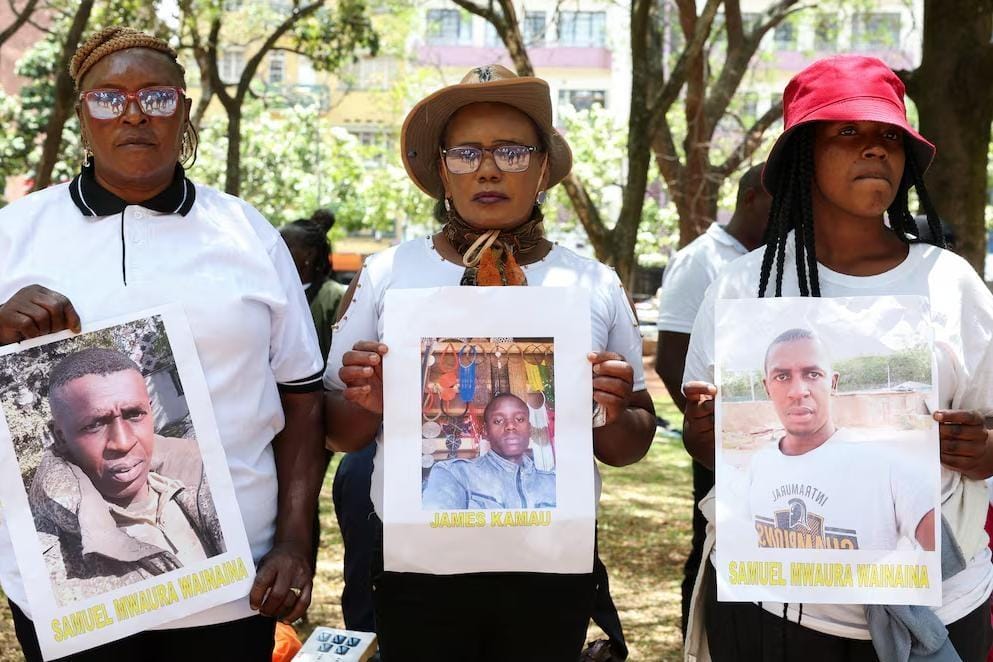
In February, Kenya’s National Intelligence Service stated that more than 1,000 Kenyans had been recruited into the Russian army, and a month later, Foreign Minister Musalia Mudavadi traveled from Nairobi to Moscow to demand an end to recruitment. Following the talks, the Kenyan government reported that Russian authorities agreed to add Kenya to the list of states whose citizens should no longer be accepted for military service.
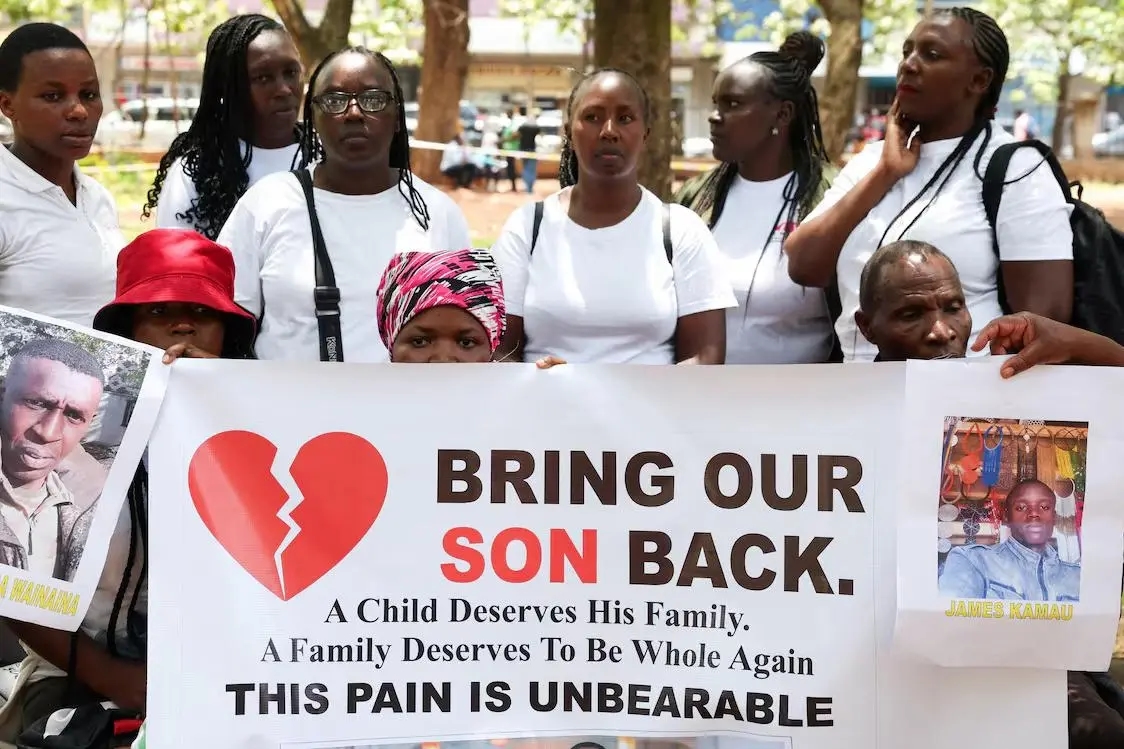
Meanwhile, Kenya continues to seek the return of its citizens who are already serving in the Russian army. In early October, Mudavadi told Parliament that the authorities have information about 354 Kenyans who became participants in the war. Of them, 84 are believed to have been killed or have gone missing.
On Oct. 26, Mudavadi again headed to Moscow — this time to take part in the Russia-Africa summit, scheduled for Oct. 28–30. Kenyan authorities have previously said that the problem of recruiting citizens for the war remains one of the issues in bilateral relations.
In Zimbabwe, the authorities have also begun prosecuting alleged recruiters. In March, the government confirmed the deaths of 15 citizens recruited to fight in the war against Ukraine, adding that it was trying to bring back 66 more.
Authorities detained several alleged recruiters, including two Russian citizens. This past May, Russian citizen Sofia Leonova, who is accused of recruiting local residents under the guise of job offers to work as truck drivers in Russia, appeared in court. And in June, Russian citizen Leonid Koftev was detained at Harare airport on the suspicion that his facilitation of a Zimbabwean citizen’s trip to Russia constituted human trafficking.
Ukrainian authorities: more than 5,400 Africans recruited into the Russian army
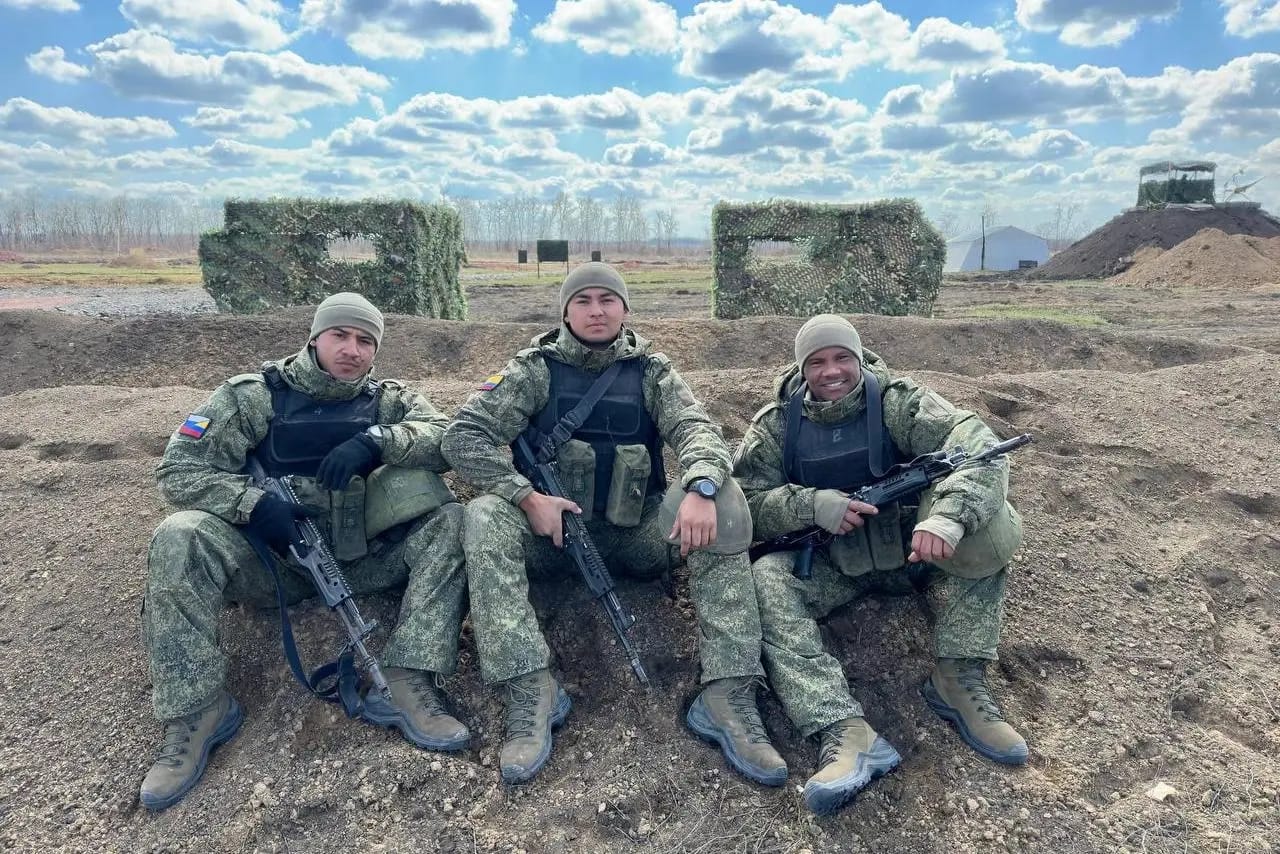
According to data from Ukraine’s Coordination Headquarters for the Treatment of Prisoners of War, approximately 45,900 foreign nationals and residents of unrecognized territories had signed contracts with the Russian army as of Oct. 1, 2026. Among them are 5,400 people from 43 African countries — about 12% of all identified foreign contract soldiers. In the first nine months of 2026, according to Ukrainian data, Russia recruited 16,200 foreigners — more than in all of 2025, when the figure was 16,000.
Russia denies allegations of illegal recruitment of Africans. The Russian embassy in Kenya has previously acknowledged that foreign citizens have the right to voluntarily join Russia’s armed forces, but the Kremlin has rejected claims of a shortage of contract soldiers and a need for a new mass mobilization.
The Insider has previously reported in detail how Russian recruiters use social media and promises of high pay and citizenship to lure Africans into the war. Journalists uncovered recruitment-related websites and Telegram accounts, including contacts leading to entities in Bashkortostan. One advertisement offered foreigners signing bonuses of up to 3.1 million rubles ($38,500) and a monthly salary of 260,000 rubles ($3,200). In another investigation, The Insider established that hundreds of foreign mercenaries passed through an assembly point in the Central Russian city of Saransk.