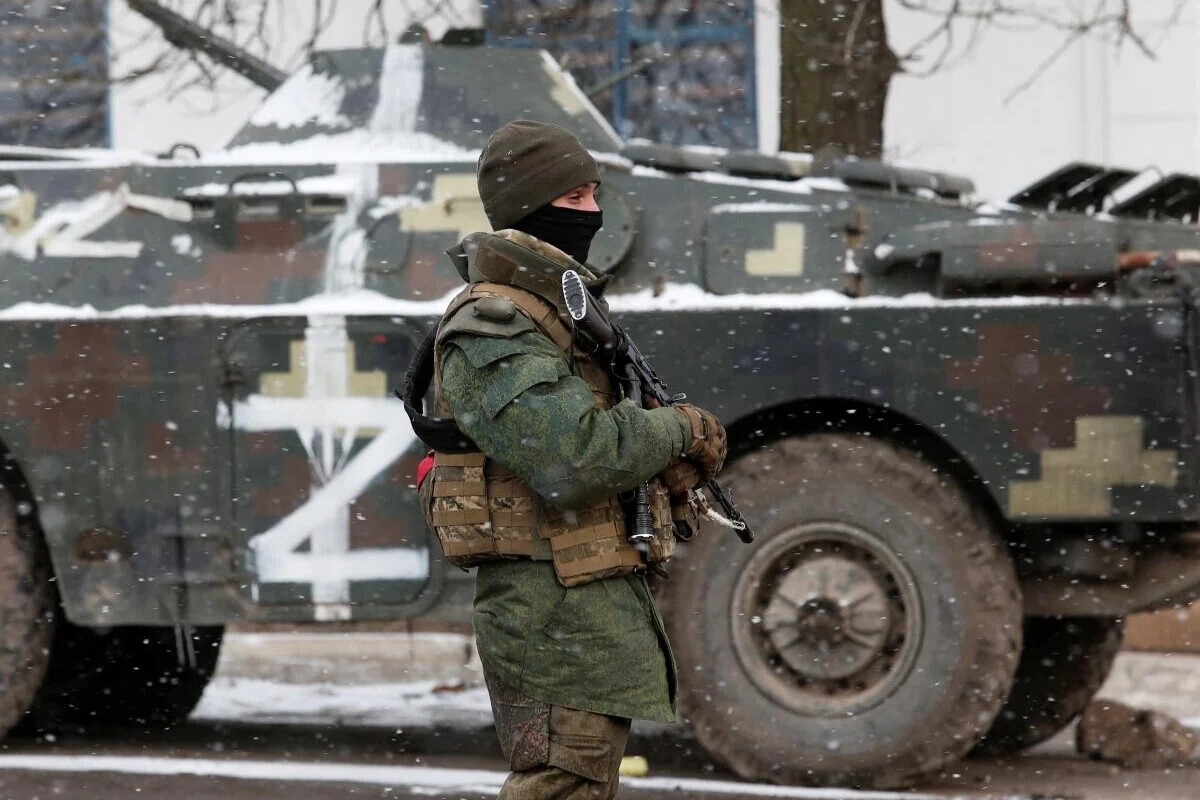
Russia’s war is costing its people more every year, and the government is still preparing new taxes and levies. Yet by the standards of the Second World War, the burden on society is still relatively mild. Stalin’s USSR introduced ration cards, cut consumption by almost two-thirds, and paid one-twelfth of wages in bonds. The state raised the price of vodka 7.5-fold and opened commercial shops for the elite to bring money back into the treasury. The result was a society in which it was impossible either to get rich or to go broke. In today's Russia, military spending as a share of GDP is three to four times lower than it was for the belligerents in the world wars. The current Kremlin is protecting not the budget, but the illusion of normal life on which loyalty depends. But the one thing it does not protect is people.
The material damage the war in Ukraine has inflicted on Russia’s population is so far far less than most opposition commentators expected in 2022, but it is simultaneously much greater than the authorities admit. The government is trying to place the main burden on businesses, but economic forces still shift much of the true cost onto ordinary people. Even if prices for consumers do not increase faster than wages, companies’ profit margins shrink, which ultimately hurts ordinary people too.
Profits at Russian companies have been falling for the third consecutive year after their 2023 peak. Investment began to decline in 2025, making a rise in profitability in the foreseeable future unlikely. The wage bill keeps growing, but that cannot go on for long. And the weaker business activity becomes, the narrower the range of goods and the less accessible consumer products are.
Consumers are also hit by tax increases, especially VAT and excise duties, as well as mandatory charges such as recycling and technology fees. Many Russians are also losing out as government spending on health care, education, and social policy falls.
At least the purchasing power of the ruble has been relatively stable: average inflation in 2022–2026 was lower than during the period of rapid growth from 2000–2008. Of course, many familiar and important services, especially foreign online shops and payment systems, are no longer directly accessible. For example, intermediaries are needed to access many AI services (like Google AI Studio) and to launch new computer games such as Civilization VII.
But all this inconvenience is entirely out of proportion to the heated rhetoric of Russian officials, who present their invasion of Ukraine as a battle to preserve Russia, its people, and its culture. The stakes in this conflict really are very high: the question is whether the world will return to the 1940s — the last time a European country annexed its neighbor's territory until Putin broke the norm in 2014.
The inconvenience Russians face as consumers is entirely out of proportion to the authorities’ heated rhetoric
Given that this basic rule of international politics is now on the verge of collapse, it is fair to ask: could ordinary Russians' wallets return to the realities of the 1940s too? Objectively, the answer is no, but it is nevertheless useful to consider where Russia stands relative to other wartime economic models of the past century.
In its fifth year of war, Putin’s Russia is losing the ability to contain the federal budget deficit, which is nearing 3–4% of GDP after posting a surplus of 0.4% in 2021. In monetary terms, Putin’s war against Ukraine is very cheap, at least compared with the outlays of the United States in the Second World War. In human lives, however, it is not cheap: as of the end of October 2026, the names of 285,000 Russian soldiers killed have been confirmed individually, and Rosstat date indicates that 450,000 have been killed in the war. The total death toll has therefore already exceeded U.S. losses in 1941–1945 (407,000, according to the National WWII Museum). In Russian history, the closest precedent is the number of people the Russian army lost in all itswars against Napoleon,from Austerlitz to the capture of Paris.
Before the war: Stalinist free trade
The Soviet economy of the 1940s had a centrally planned command structure based on the allocation of physical resources by directives from the center. But money still circulated, and markets with prices determined by supply and demand never disappeared entirely.
A typical city dweller earned a salary in Soviet rubles and spent it in shops, buying goods at state-set prices. For each type of product, the authorities determined a “market fund” — the volume to be sold to citizens through Soviet retail outlets. For example, the share of cotton fabrics allocated to the retail market was 44% in 1940, but only 8% in 1942.
At the beginning of 1941, on the eve of the war with Germany, Soviet cities had three categories of places where money could be exchanged for goods: ordinary shops, “collective-farm markets,” and “commercial shops.” Ordinary shops belonged to the state and sold goods at government-set prices. For political reasons, those prices were artificially low, generally two to four times below market levels. This type of trade accounted for most retail turnover, but it also meant shortages, queues, a limited selection, and poor-quality goods, especially outside major cities and priority industrial centers.
In Soviet shops, prices were set for political reasons at two to four times below market levels, causing shortages and queues
So-called collective-farm markets were permitted in 1932, when the Lenin-era New Economic Policy was abolished, private trade was destroyed, and the state-only supply system proved inadequate, threatening millions with premature death from hunger. City dwellers spent about one-sixth of their usual outlays at the markets. Sellers included collective-farm representatives, people with household plots and gardens, and city residents selling their personal belongings.
Market prices were not regulated, and sellers did not have to declare their income. Taxation amounted to an entry fee or a charge for a stall. Nevertheless, “speculation” — i.e. buying something and reselling it at a profit — was punished harshly, as were selling goods produced with hired labor, lending at interest, and engaging in commercial leasing. A Soviet citizen could legally sell only personal belongings and things made by hand in their spare time.
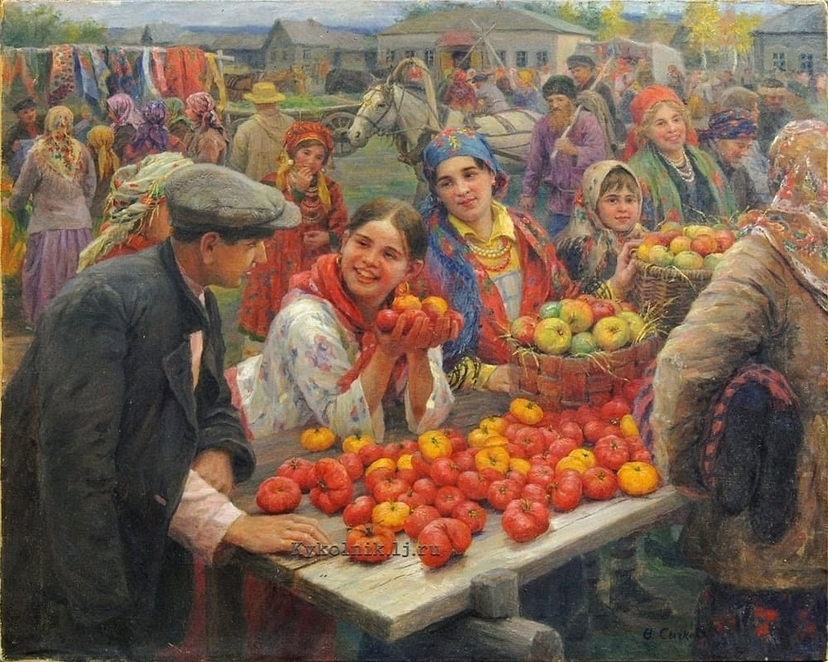
Commercial shops were the smallest retail sector by turnover, but the authorities paid them the most attention. Like ordinary shops, they belonged to the state, but they nevertheless served a very different purpose: their windows were meant to display Soviet abundance on a par with that of the bourgeois world. To keep their shelves from being emptied, prices were kept high, roughly in line with market rates. Most visitors could only go there as if on a museum tour, and they existed primarily in Moscow, Leningrad, and the capitals of the Union republics.
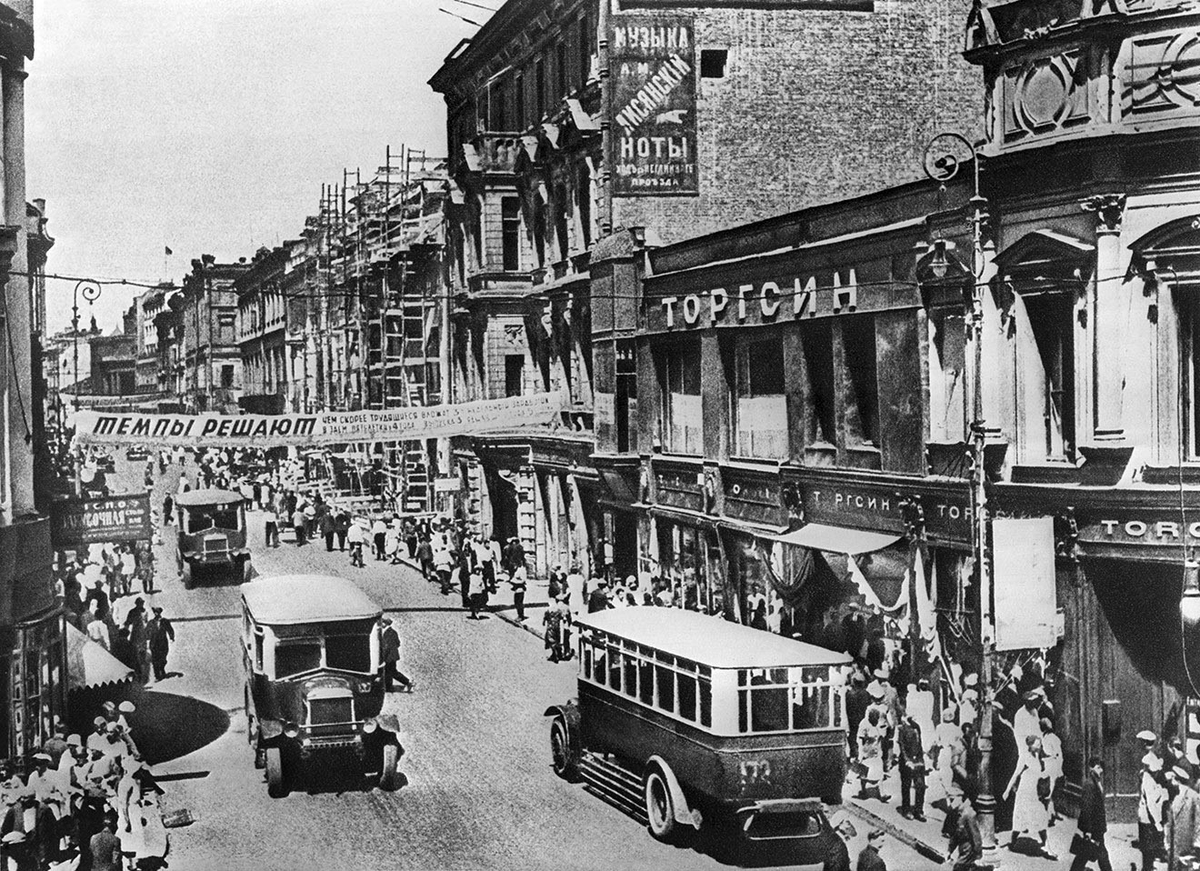
These three worlds coexisted from January 1935 to June 1941, a period in which there was no need for ration-card distribution in the cities, and the markets and commercial shops had no shortages at all. But the crisis was already developing. Residents of small towns with meager supplies flocked to Moscow to buy manufactured goods, especially clothes. Their growing presence in queues spoiled the showcase of prosperity, and the authorities responded by tightening the domestic passport regime and carrying out brutal police raids at stations and on trains. Anyone caught engaging in unauthorized economic activity risked being sent to the Gulag as a supposed speculator or saboteur.
The ruble in retreat and counteroffensive
As soon as Hitler’s invasion began, this fragile balance collapsed, and the USSR stopped pretending to have a market economy. On June 23, 1941, one day after Nazi forces crossed the border, the Soviet government banned savings-bank depositors from withdrawing more than 200 rubles a month, “in order to reduce cash payments to the population.”
To fight inflation, workers were not paid compensation for unused vacation, and workers were given no vacation whatsoever during the war (the money was transferred to special savings accounts and could be withdrawn only after the war). Military personnel, too, were urged to deposit their pay in the state labor savings banks on the grounds that they did not need money at the front and could collect it after victory. Thirty percent of service members never collected it, and that money went into the budget.
Commercial shops were abolished and, like ordinary shops, turned into ration-card outlets. Food was not given away for free with ration cards, but was sold at fixed prewar prices, which had become even more detached from the reality of supply and demand.
The free markets, however, survived, and their prices reflected the Soviet ruble’s rapid inflation. According to official figures, the amount of money in circulation stood at 19 billion rubles just before the war began, it rose to 35 billion by January 1, 1942, and it reached 70 billion by May 1, 1945.
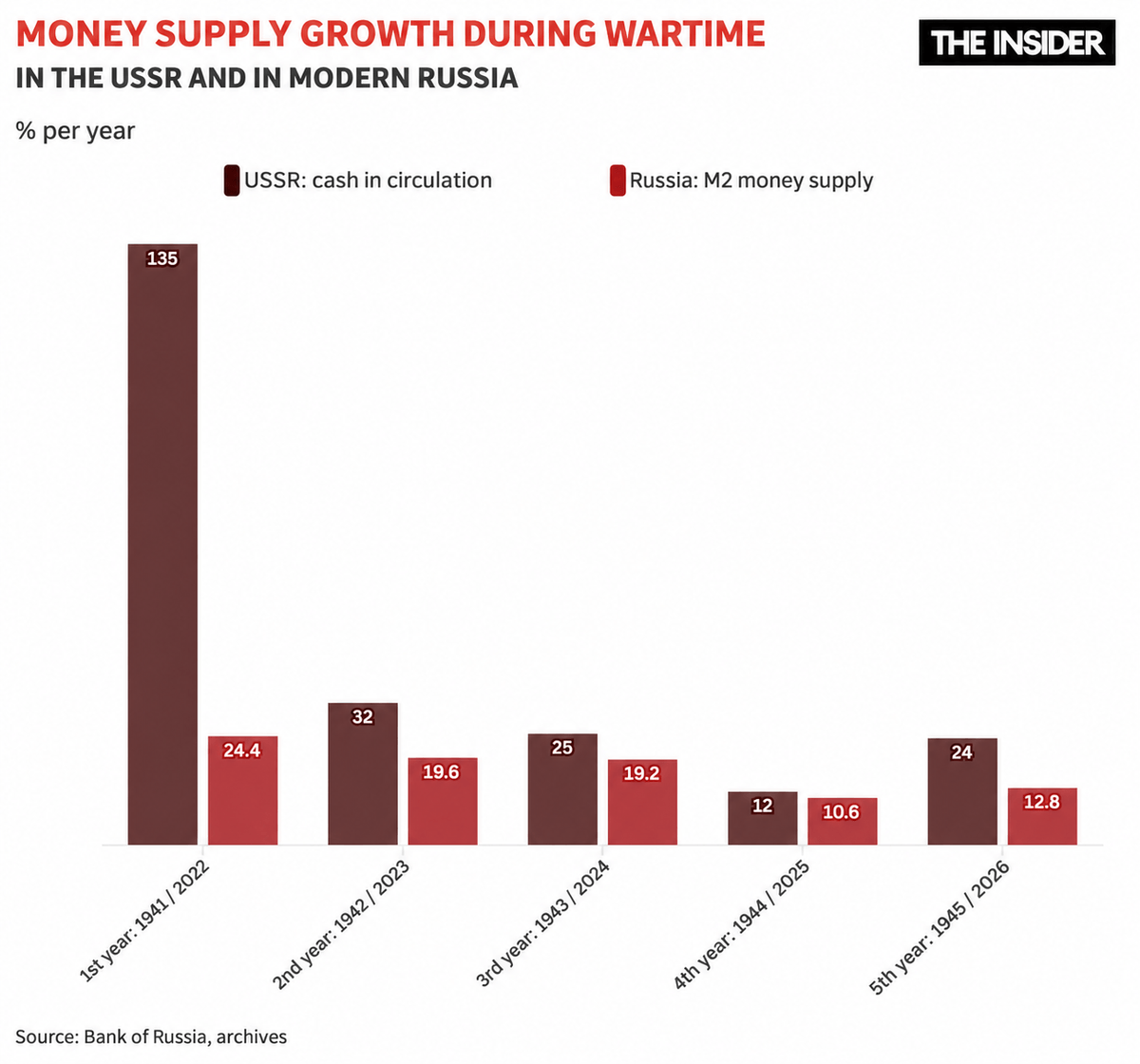
In fact, the rapid pace of ruble creation was confined to 1941 and early 1942. In 1943, the amount of money in circulation rose by only 25.3%, and the pace then gradually slowed. Compare this with the growth of Russia’s M2 money supply during the current war with Ukraine: 24.4% in 2022, 19.6% in 2023, 19.2% in 2024, and 10.6% in 2025. In 2026, the money supply is growing at an annual rate of 12.8%. Russia’s money supply grew almost as much in 2022 as it did in 1943; it is now growing slightly faster than it did in 1944. Over the entire war against Hitler, it increased by a factor or about 3.6; since the beginning of 2022, it has grown 2.1-fold.
However, there was far less money in the USSR during the Second World War than there is today. Almost immediately after the German attack, a ration-card system was introduced — starting in Moscow and Leningrad on July 18, 1941 and spreading to all large cities on November 1, 1941. Ration allowances varied widely by region and population group.
For many people, the system meant constant hunger, and for others, it created a heavy dependence on relatives or acquaintances with adequate rations. Losing a food ration card usually meant death, and even valid ration cards could not always be used to obtain the promised goods. A heavy-industry worker in Moscow, for example, was entitled to 2.5 kilograms of meat and 900 grams of butter a month, but Muscovites received neither meat nor butter in August and September 1942. Peasants lived on what they grew themselves (and could keep from requisitioning).
When Soviet citizens during the war used their ration cards, they spent only about a third of their money; the other two-thirds went to the markets. But because prices at ration shops were dozens of times lower than market prices, people received as many goods as they could through the ration system.
In the market sector, prices rose substantially — albeit unevenly across regions and towns. On average, inflation was at least 25% a month until April 1942. It was sharpest in January 1942, when the Central Statistical Administration’s price index rose by almost 45%.
At the start of the war, the Soviet ruble was losing ground even as a medium of exchange at collective-farm markets, where barter took its place. The most common exchanges were bread for milk and potatoes for salt or vodka. In a 1943 analytical memo titled “The State of Monetary Circulation in 1943,” S. Barngolts, an expert at the USSR State Bank, noted that direct barter accounted for 21.5% of collective-farm market turnover in 1942, 15% in 1943 overall, and only 7.7% in the second half of 1943. Monetary circulation therefore normalized considerably during 1943: money creation slowed, barter at markets became much less common, and price increases stayed below 10% a month.
In 1941–1942, the price index rose much faster than the money supply because money creation was not the only driver of inflation: consumer-goods production collapsed, while demand for those goods surged. In January 1943, market prices were about 17 times their prewar level, but they began to fall as civilian production recovered.
The first overall decline in prices was recorded in July 1942, and it happened again in September. These drops were seasonal, but in 1943 market prices also fell outside the harvest months. From 1944 onward, deflation became the rule rather than the exception. By September 1944, prices were nine times their prewar level; in 1945, they were 5.5 times higher (almost in line with the 3.5-fold increase in the money supply over the course of the war).
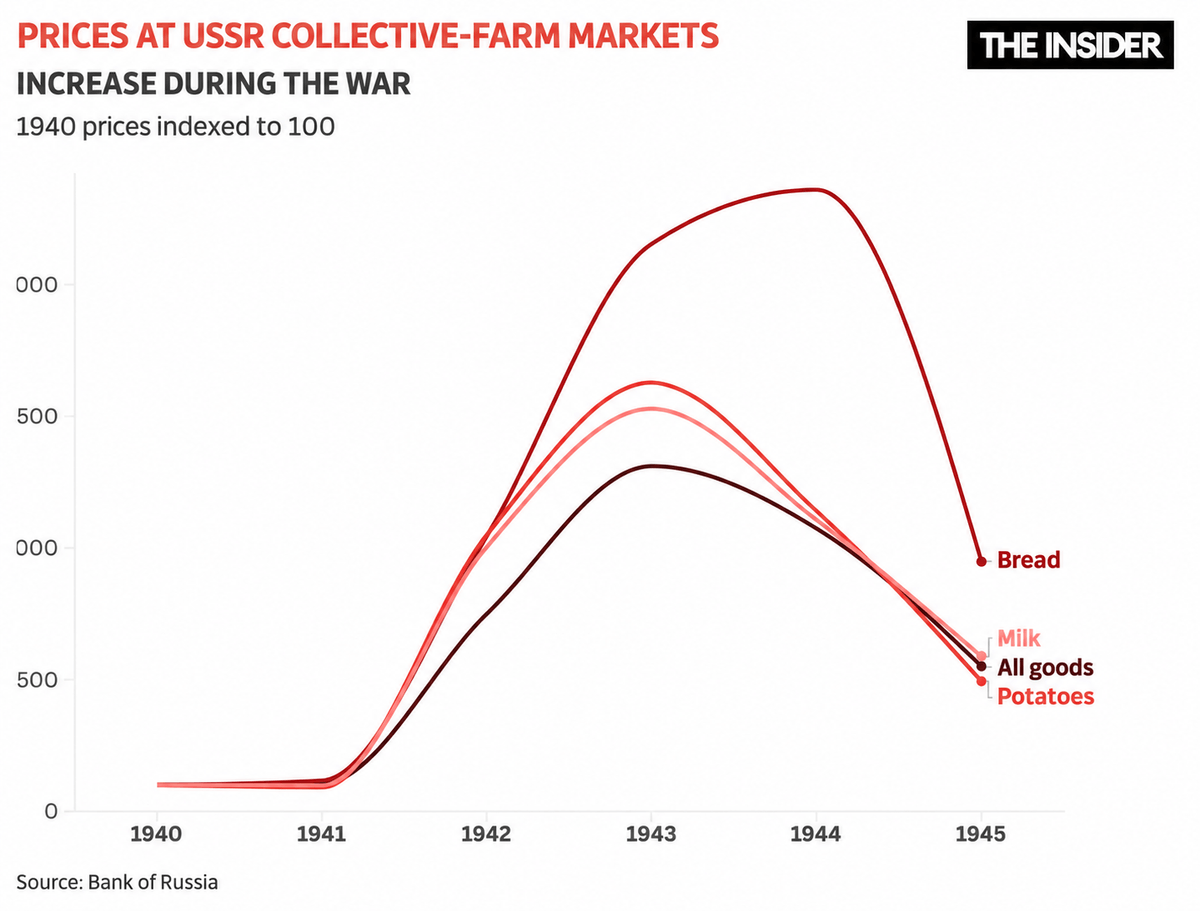
These averages conceal the fact that prices rose less in small settlements and more in large cities. Disrupted transport and anti-speculation laws made it impossible to smooth out these differences. Price increases also varied by product category. The sharpest rises affected essential foods that could be stored for long periods: grain, flour, and groats.
In Saratov, for example, in 1942 flour already cost 90 times its prewar price; in Ufa, it cost 30 times as much. In Moscow, Yaroslavl, Tula, Ryazan, Gorky, Kirov, Sverdlovsk, Chelyabinsk, and Novosibirsk, flour could generally not be bought at the market for any amount of money.
The government made an exception for vodka, which rose in price 7.5-fold, making the state monopoly on vodka sales an important source of budget revenue. As a result, vodka’s share of retail turnover in ordinary shops rose from 11.6% in 1940 to 26.7% in 1944. The state earned 45 billion from the increase in price on vodka, tobacco, and perfume over the course of the war, almost as much as the 50 billion rubles it brought in from money creation.
Rebuilding the temples of Soviet trade
Once the immediate risk of military defeat had receded, Stalin’s government decided to recreate the “showcase of abundance” in commercial shops. On March 18, 1944, the Council of People’s Commissars of the USSR issued Resolution No. 283, “On the Organization of Shops and Restaurants in Moscow to Serve Scientists, Engineers, Artists, Writers, and Senior Officers of the Red Army.”
Under the new system, known as Osobtorg, members of the Soviet elite could buy ordinary goods with cash and without ration cards —almost like in a capitalist country, though there were limits on “the quantity sold to one person.”
From April 15, 1944, Moscow opened 20 food shops, including eight grocery stores and 12 specialty shops, as well as 50 restaurants. These included 20 “first-class night restaurants, with music and stage performances, open until 5 a.m.”
There were special restaurants for scientists, architects, writers, film workers, musicians, performers, arts workers, officers, and “aviation and aircraft-industry workers” — one restaurant for each favored category.
The other restaurants, divided into classes, were open to everyone. On May 15, 1944, Moscow also opened the Central Department Store and four specialty shops selling manufactured goods. The menus and product ranges of all these establishments were set out in unpublished appendices to the same Council of People’s Commissars resolution.
The new commercial shops and restaurants charged “special” prices, well above ration-card rates and close to market levels. As a result, there were almost no shortages or queues. People whom Stalin’s state deemed most useful gained access to open, comfortable, prestigious consumption that was completely out of reach for most Soviet citizens. A party leader, general, academic, or famous performer was meant to be a “person with money” in a victorious empire, able to enjoy life.
People whom Stalin’s state deemed most useful gained access to open, comfortable, and prestigious consumption
Alongside their social-engineering and propaganda aims, commercial shops also served a purely financial purpose. They generated profits for the state and prevented money from flowing out of the cities and into the countryside, which the authorities considered undesirable.
Stalin’s government had a very dim view of citizens trying to accumulate cash and used every means to retrieve money once it had been issued to private individuals. One reason for allowing trade and public catering to return to something closer to normal was to bring that money back.
Soviet bonds
Another way to extract money from the population was to issue war bonds. Mass campaigns to sell them took place every May from 1942 through 1945. The 1942 issue raised 10 billion rubles, the 1943 issue 12 billion, the 1944 issue 25 billion, and the 1945 issue another 25 billion.
Most bonds were issued as “prize loans”: every six months, the state paid bondholders 2% of the face value. But interest was not paid proportionally on every bond; instead, it was distributed through a lottery. Most bonds, like lottery tickets, yielded nothing, while the rest won prizes ranging from 150% of face value to sums hundreds of times larger than the initial investment.
A winning bond was considered redeemed and withdrawn. The expectation was that the typical, less lucky bond buyers would get their money back at face value after 20 years, with no return. Others might win only near the end of that period, with a prize unlikely to compensate them for the wait. Some would win earlier, but only modestly, earning a return comparable to an ordinary bank rate. A small, luckiest group would win the top prizes.
People were often forced to buy bonds simply by being paid part of their wages in them — usually one-twelfth. As a State Bank report put it, wage increases did not require a corresponding rise in cash payments because voluntary and compulsory contributions withheld from workers’ and employees’ paychecks had increased. Taxes and voluntary payments, which amounted to 8.4% of the wage bill in 1940, had risen to 26.7%.
The 1941–1945 war cost the USSR dearly, and the country’s citizens had to give up butter for guns in the most literal sense. In nominal terms, retail turnover in 1942 was 45% of its prewar level; in constant prices, it was only 35% — meaning that actual consumption had been cut almost threefold. Even in 1945, retail turnover at constant prices was just 57% of the prewar level. Most of that trade still went through the ration-card system, which kept the majority of the population on near-starvation rations.
Yet the Soviet ruble did not turn into trash, as often happens to the currencies of countries fighting a major conflict. The amount of money in circulation grew 3.5-fold over the four years of war, while prices at collective-farm markets rose an average of 5.5-fold. That was less than in Russia in 1993 alone. Money-supply growth in 1941–1945 was roughly the same as in 2017–2026.
Over four years of war, prices at Soviet collective-farm markets rose an average of 5.5-fold. That was less than in Russia in 1993 alone
Money creation was not the main way the war was financed. It brought in 50 billion rubles, while non-monetary measures — war taxes and loans, voluntary and compulsory contributions, and increases in regulated prices — brought in a total of 170 billion. Having learned the lessons of the First World War, Stalin’s government, like its allies and enemies, took great care to avoid a slide into hyperinflation. It believed that people would endure high taxes, forced loans, and ration cards more readily than chaotic price hikes.
The dollar mobilized and repressed
Even at the height of the most brutal war, then, the socialist economy did not abolish money. It preserved some real value for it, tried to protect its purchasing power, allowed private trade at market prices (with caveats), and broadly presented itself as capitalist — including through interest-bearing bonds.
But what happened in the United States, the most market-oriented of the major participants in the Second World War? There, too, the burden of military spending was crushing and deeply distorted the economy, calling its market character into question. Yet the illusion of normality was maintained even better than in the USSR: the dollar’s nominal purchasing power and key financial-market indicators remained as if nothing extreme were happening. The government achieved this through a highly unusual package of measures known as “financial repression.”
During the war, U.S. federal spending rose from 10% to 44% of GDP — and nearly tenfold in dollar terms. The federal budget deficit increased over the first three years of the war from $3 billion to $55 billion — a jump from 3% to 30% of GDP. In 1943, government spending totaled $78.6 billion (44% of GDP), 3.2 times its revenue of $24 billion (13% of GDP), and the national debt rose 80% in a year. Before the war, federal debt securities held by investors amounted to 44% of GDP; by the end of 1945, the figure was 106% — a genuine catastrophe for public finances.
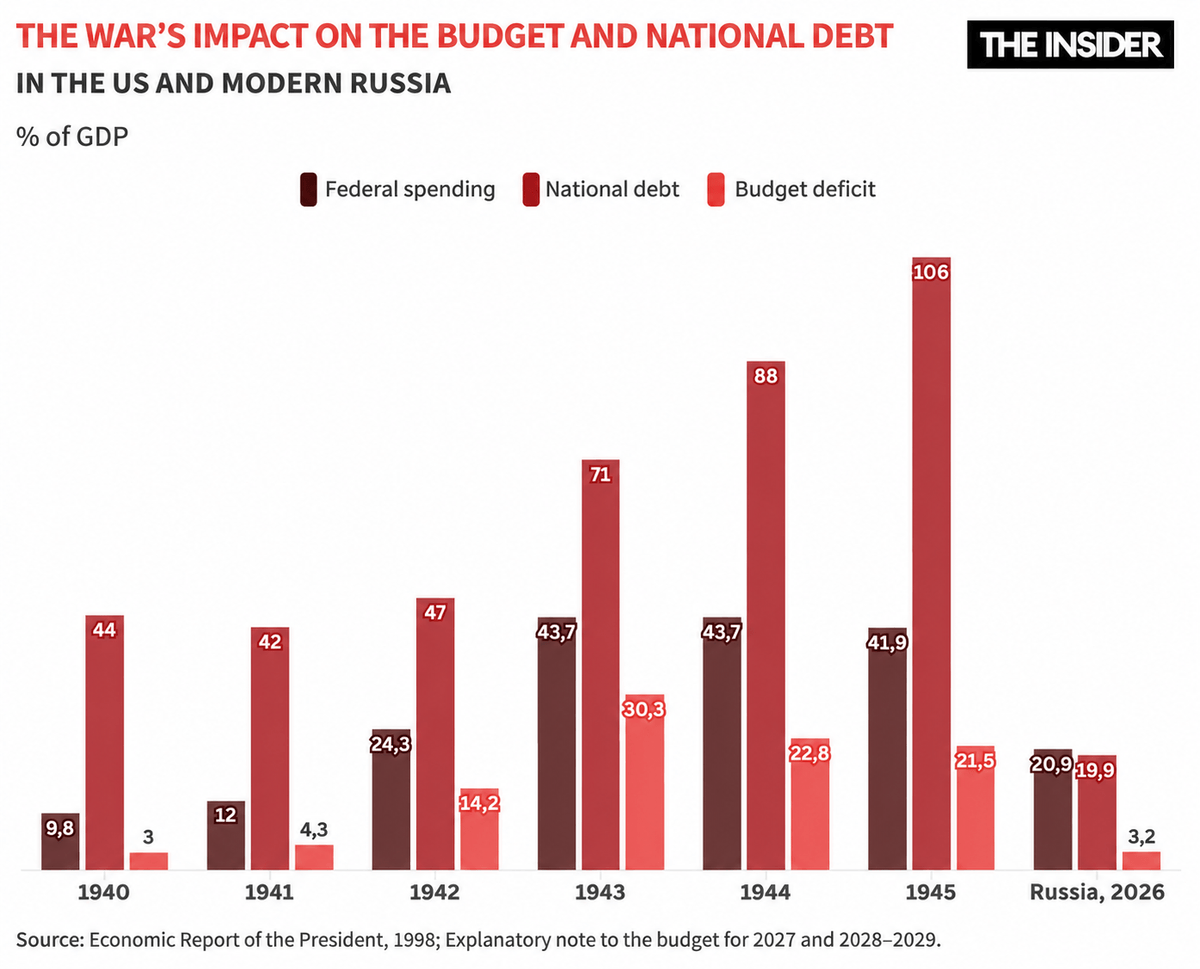
Taxes were raised to unprecedented levels, but that was not enough. The top marginal income-tax rate was 81% in 1941, 88% in 1942–1943, and from 1944, it came in at 94% on incomes above $200,000 a year. Yet these measures reduced the federal deficit by only 7.5% — from 30.3% of GDP in 1943 to 22.8% in 1944.
The unprecedented fiscal pressure of the war years had remarkably little effect on the dollar’s nominal purchasing power or on financial markets. Even the formal peg of the dollar to gold at $35 an ounce remained in place.
In practice, dollars could not be freely exchanged for gold inside the United States during the war (in fact, the practice had been suspended during the Great Depression a decade earlier). From 1944–1945, however, foreign governments that joined the Bretton Woods agreement were given that option.
Even in the hardest year, 1942, the U.S. consumer price index rose by just 11%; in 1943 it rose by 6%, and thereafter by about 2% a year. Yields on three-month Treasury bills were held firmly at 0.375% throughout the war, while long-term bonds, including special war bonds, yielded no more than 3%. The Federal Reserve maintained these rates through constant intervention. Under an agreement with the Treasury Department, it bought government obligations in unlimited amounts, keeping their nominal yield at a minimum.
Preventing a major rise in prices and interest rates was the central goal of U.S. wartime financial policy. On January 30, 1942, Congress passed the Emergency Price Control Act, creating the Office of Price Administration (OPA), whose director was empowered to set price ceilings on all manufactured goods and rents, and to regulate the rationing of scarce goods. In May, sales at prices above the seller’s March price for the same good or service were banned, and special regional price ceilings were added to this general rule. From October 1942, the OPA’s authority was extended to agricultural products and wages.
To stop businesses from evading price ceilings, regulation became ever more complex. “Regulation W” effectively banned sales on credit and installment plans, and compulsory standardization and classification nearly eliminated the freedom to create new grades and brands. It was also strictly forbidden to lower a product’s quality while keeping price constant, or to sell one product only as part of a bundle with another. The OPA relied on a network of 250,000 “volunteers,” mostly housewives and pensioners, to monitor compliance.
The U.S. authorities followed one rule strictly: no one was to get rich from the war. Any profit above a fixed return on invested capital (8% a year for capital up to $5 million, 5% for capital of $200 million or more) or above the average for 1936–1939 was considered “excess profit” and was taxed at a confiscatory rate: 90% from 1942 and 95% from 1943.
The US authorities followed one rule strictly: no one was to get rich from the war
Army suppliers were also subject to the Contract Settlement Act. If a special commission found that a supplier had broken no rules but had optimized its costs and thereby earned “too much,” the government retroactively lowered the purchase price to “normalize” its profit margin. Profit margins were directly regulated in aircraft and shipbuilding as well. Capital could not be moved abroad, and businesses were not supposed to seek places with higher returns. Even pay raises were capped at 15% above 1941 levels.
It was also hard to go broke in wartime America. Thanks to government procurement, almost every business had a guaranteed market for its products. Risky ventures lost their appeal because, if they succeeded, extraordinary taxes would take all the excess profit. A high-interest loan to finance a gamble was impossible because the government had effectively banned such borrowing, while no one would lend at low rates. Regulation W wiped out consumer credit due to the fact that people now had to spend no more than they earned. Amidst the constraints, the number of bankruptcies fell to a historic low.
In effect, during the Second World War the United States was a society of total control and strict social guarantees, one in which no one could soar nor crash. The USSR, by contrast, became the arena of a merciless struggle to survive — one in which the authorities turned a blind eye to violations.
Walter Graebner’s book Round Trip to Russia describes the shock the American correspondent felt at Moscow’s Central Market, where collective-farm sellers “are not subject to any price regulation and can ask as much as they can get.”
Graebner recounts fights over places in line and writes about how one customer, after buying a single egg for one and a half rubles, sucked it raw right there at the counter. Eggs at Moscow’s free market cost about 60 times as much as under rationing in the United States, beef cost 40 to 50 times as much, and milk 150 times as much. Barter was banned, but at the market a bottle of vodka could be exchanged for a quarter of a bucket of potatoes, and the police preferred not to intervene. The ban on photographing queues, however, was enforced as scrupulously as price controls in America.
What should people today expect?
The USSR and the United States represented two extremes, but in both countries the wartime economy was a peculiar mix of markets and socialism. Notably, neither looked much like today's Russia. Stalin and Roosevelt were extremely afraid of inflation, and even though Putin understands its dangers too, he is even more afraid of introducing ration cards. Russia's Federal Antimonopoly Service sometimes terrorizes sellers by accusing them of “unjustified price increases,” but this is only a pale shadow of what the American OPA could do in the 1940s.
A major war kills money, as the more of it a military budget needs, the harder it is to raise. The so-called "inflation tax" is convenient because it can be collected without chasing taxpayers and their property — the government need only create additional units of money and quickly use them to buy real assets or pay off its obligations. If it does so at a moderate pace that keeps inflation within normal bounds, the public is unlikely to flee the national currency.
Unlike in the United States during the Second World War, no one in today’s Russia hides excess profits (and fewer would even need to try given that total profits among domestic businesses are falling). Bankruptcy is now a common service available to a broad swath of the population, and consumer loans at 40% interest a year are entirely normal — even the government borrows at 17%. Taxes, as in the 1940s, are being raised systematically, but Russia in 2026 is still far from both American rates of 90% and Stalin’s crushing taxes on household plots.
Military spending as a share of Russia’s GDP is still three to four times lower than it was for the countries fighting the world wars of the 20th century, even if it is growing. Keeping it in check is necessary so that the illusion of normal life does not collapse too quickly. That illusion is the key condition for maintaining political stability in Russia.
The top leadership in Moscow apparently considers that stability very fragile and is unwilling to impose a financial burden on its subjects comparable to the catastrophic weight of the 1940s. After all, lower-ranking regime functionaries remain loyal precisely because, so far, they have not had to make significant material sacrifices.