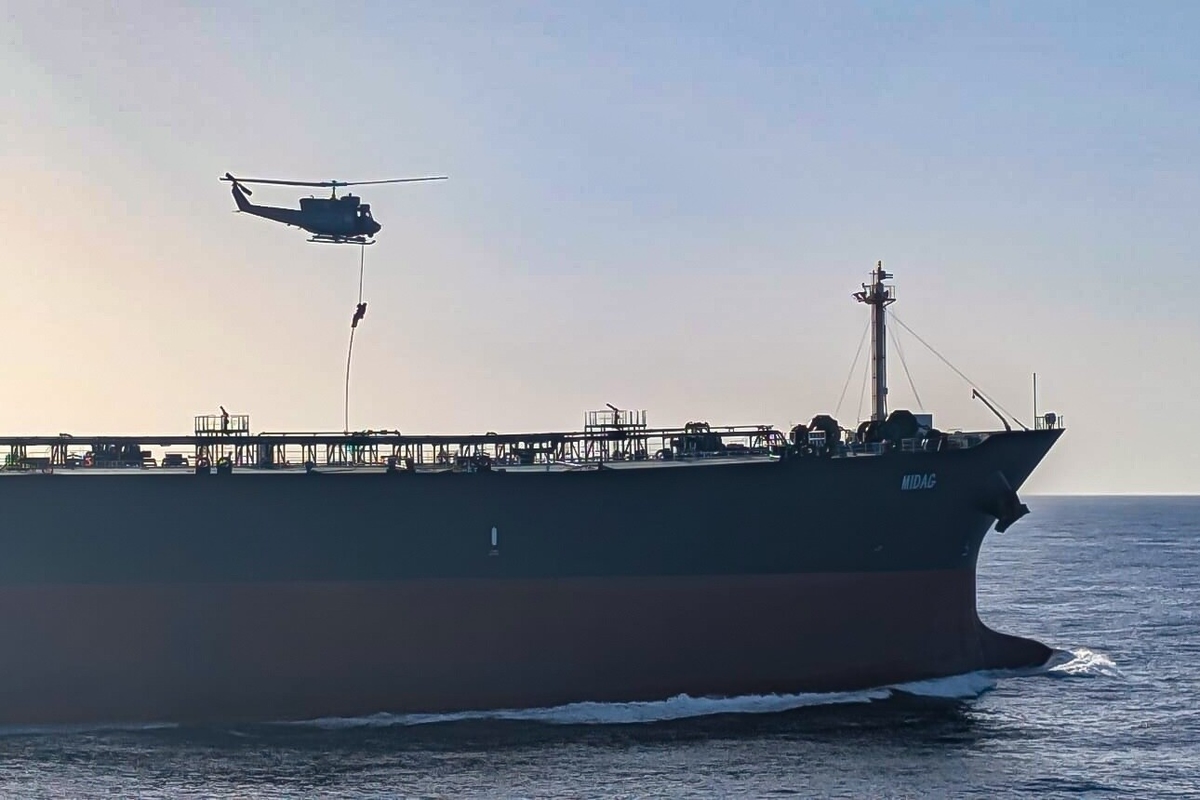
On Nov. 13, European Union military personnel boarded the oil tanker Midag (IMO: 9266841) in the Mediterranean Sea and determined that the vessel was sailing under a false flag, EU foreign policy chief Kaja Kallas announced on Nov. 15. According to Kallas, the operation was carried out as part of the EU naval mission IRINI, and the vessel in question is suspected to be part of Russia’s “shadow fleet.” The Insider found that the tanker loaded cargo at Russia’s Kozmino oil terminal in Primorsky Krai in May and was later sanctioned by the United States for transporting Iranian oil. Despite the inspection, the vessel was allowed to continue on its voyage.
According to vessel-tracking data from Starboard Maritime Intelligence analyzed by The Insider, Midag passed south of Malta on Nov. 13 — the day of the EU operation — before heading toward the strait between Sicily and Tunisia. Available AIS data showed the tanker moving at between 20 and 23.5 kilometers per hour throughout the day. By 1:03 p.m. Central European Time on Nov. 15, Midag was north of Algeria and traveling west at 18.9 kilometers per hour. Kallas did not report that the vessel or its crew had been detained.
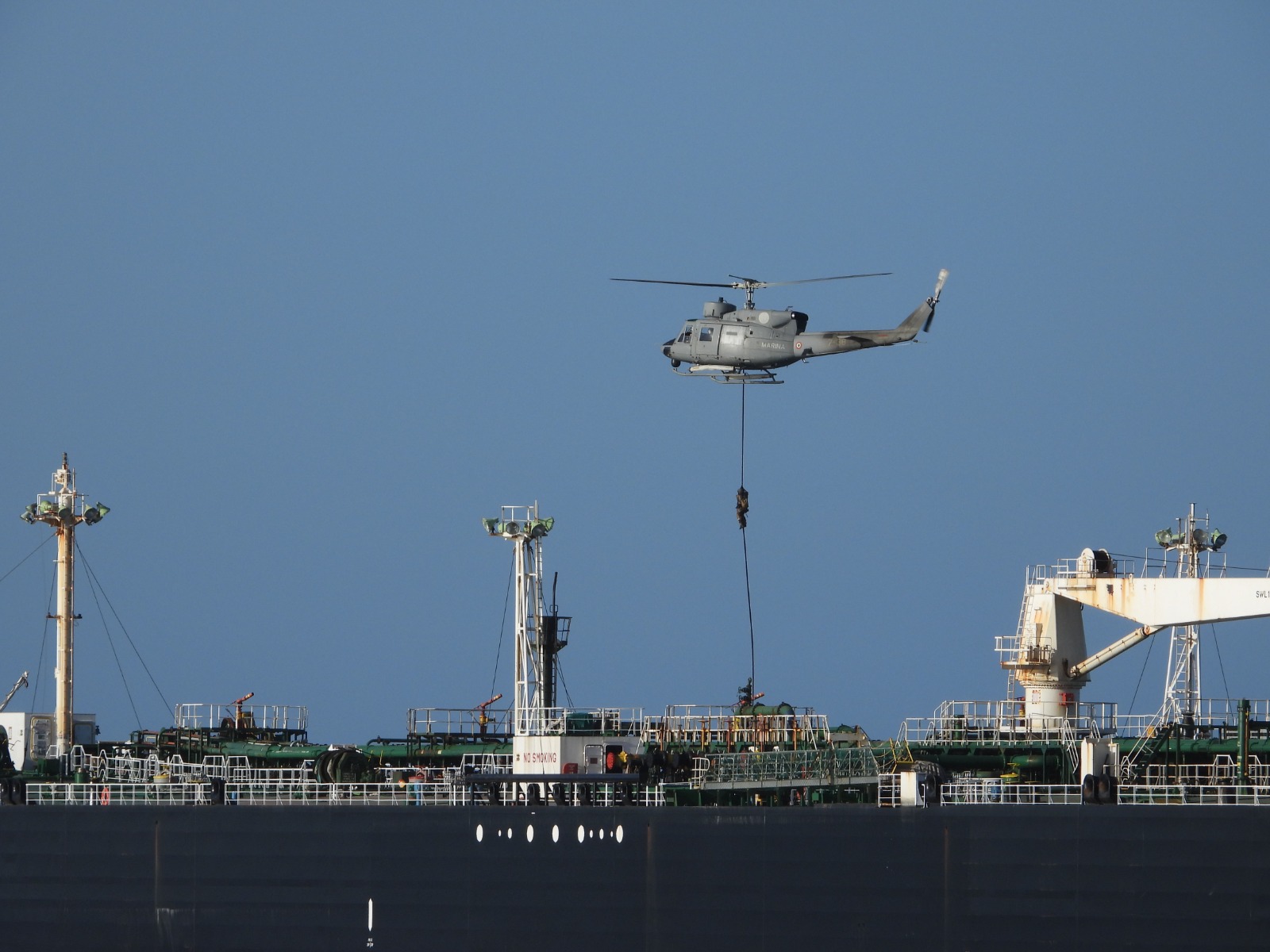
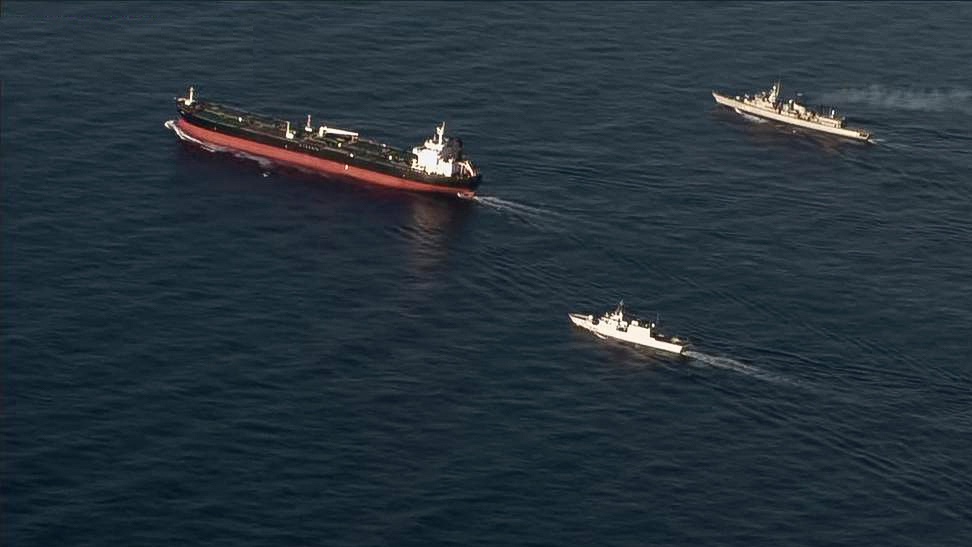
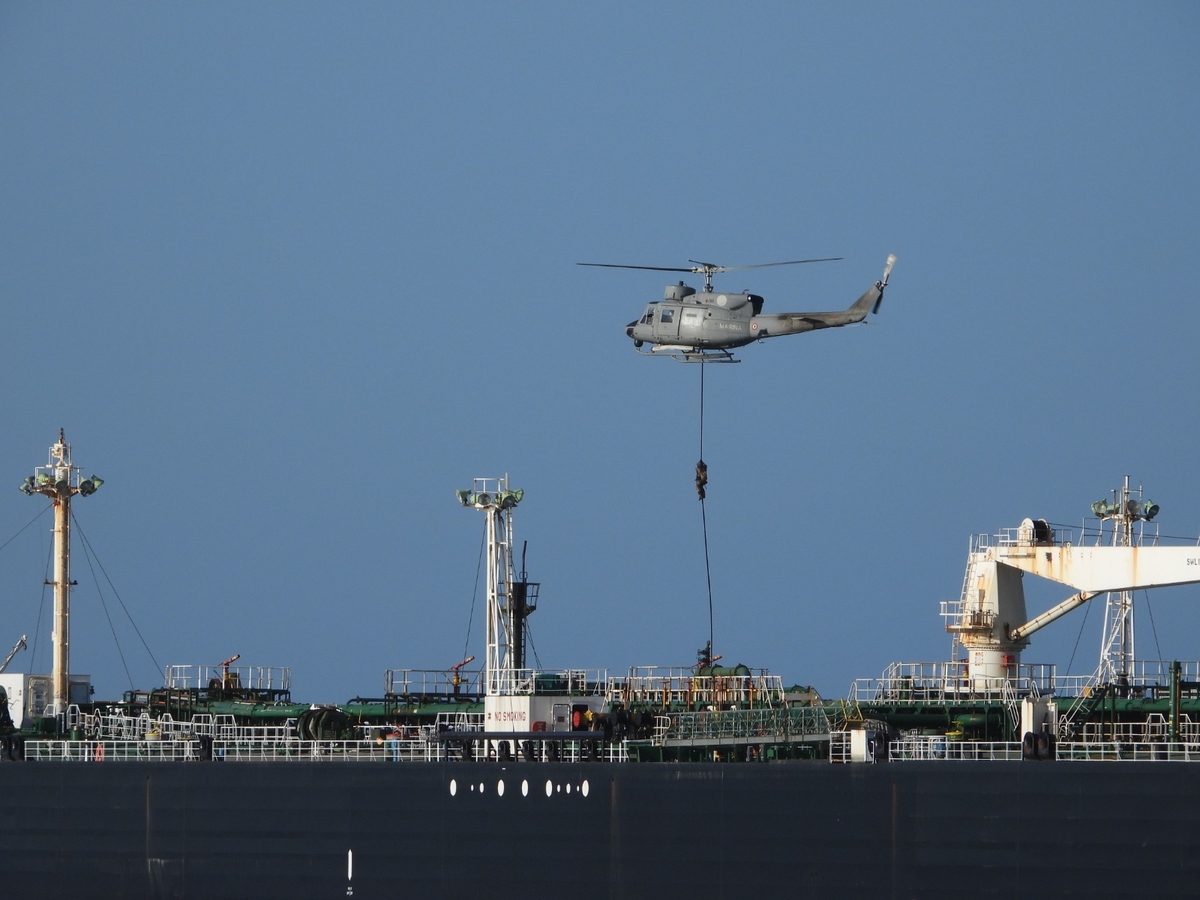
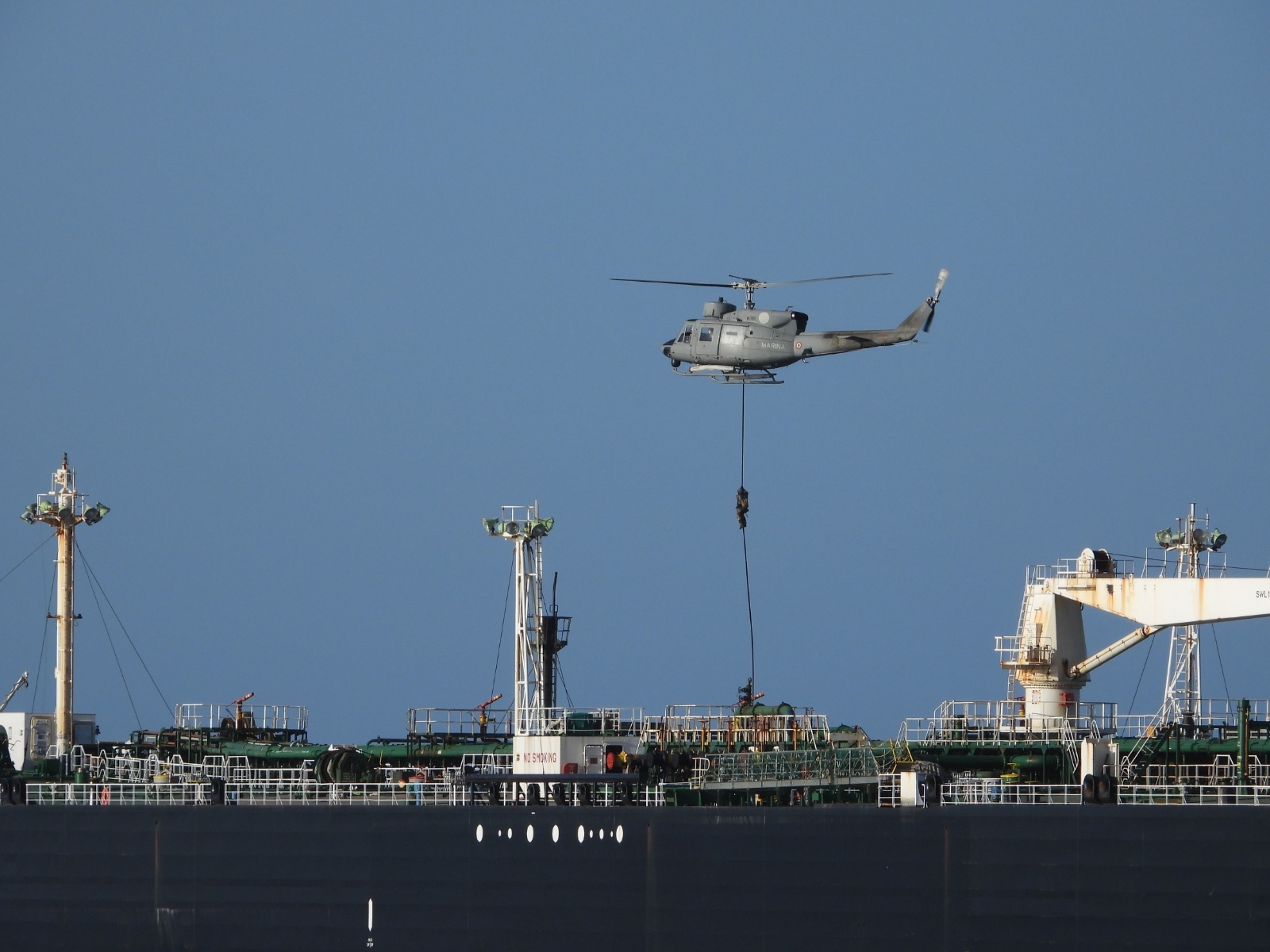
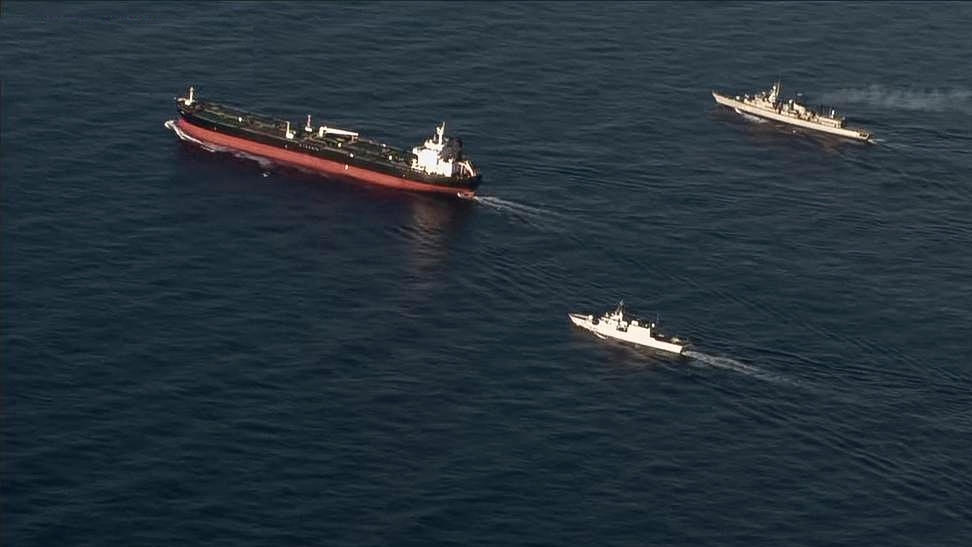
Photos published by Kallas show military personnel descending by rope from a helicopter onto the tanker’s deck. Another image shows two warships alongside Midag. Kallas said the inspection was conducted under Article 110 of the U.N. Convention on the Law of the Sea, which allows vessels suspected of operating without a registered nationality to be boarded.
“The EU will keep disrupting Russia’s shadow fleet at sea and through diplomatic means,” Kallas wrote. She added that EU foreign ministers were expected to approve new sanctions against Russia on Monday, Nov. 16, including measures targeting banks, buyers, and companies that support the “shadow fleet.”
Tanker loaded Russian oil at Kozmino before being sanctioned by the U.S.
The Insider found that Midag docked at the Russian ports of Vostochny and Kozmino in Primorsky Krai in May 2026. At the time, the vessel was named Midas and sailed under the Panamanian flag.
According to Starboard Maritime Intelligence data, the tanker arrived near Vostochny on May 5 and docked the following day at the Kozmino oil terminal, where it remained for nearly 23 hours. On the morning of May 7, the vessel’s declared AIS draft increased from 6 meters to 14.7 meters, indicating that it was loaded with cargo. Russia exports crude oil through Kozmino that arrives via the East Siberia-Pacific Ocean (ESPO) pipeline system. The vessel left the Russian port area on May 8 and headed south.
On May 19, the U.S. Treasury Department sanctioned the tanker — not for transporting Russian oil, but for carrying Iranian crude. According to the U.S. government, the vessel was owned by Marshall Islands-registered Ocean Marvel Shipping Company Limited and since early 2026 had transported hundreds of thousands of barrels of Iranian oil. The company was likewise placed under U.S. sanctions.
The tanker was renamed Midag in July. The Insider found that since July 2026, the S&P Global database has listed the vessel as falsely claiming the flag of Zimbabwe. The tanker’s registered owner and operator are now listed as the Liberian company Xuanyue Shipping & Trading Co. The database contains no information about the vessel’s protection and indemnity insurer, which normally covers a shipowner’s liability.
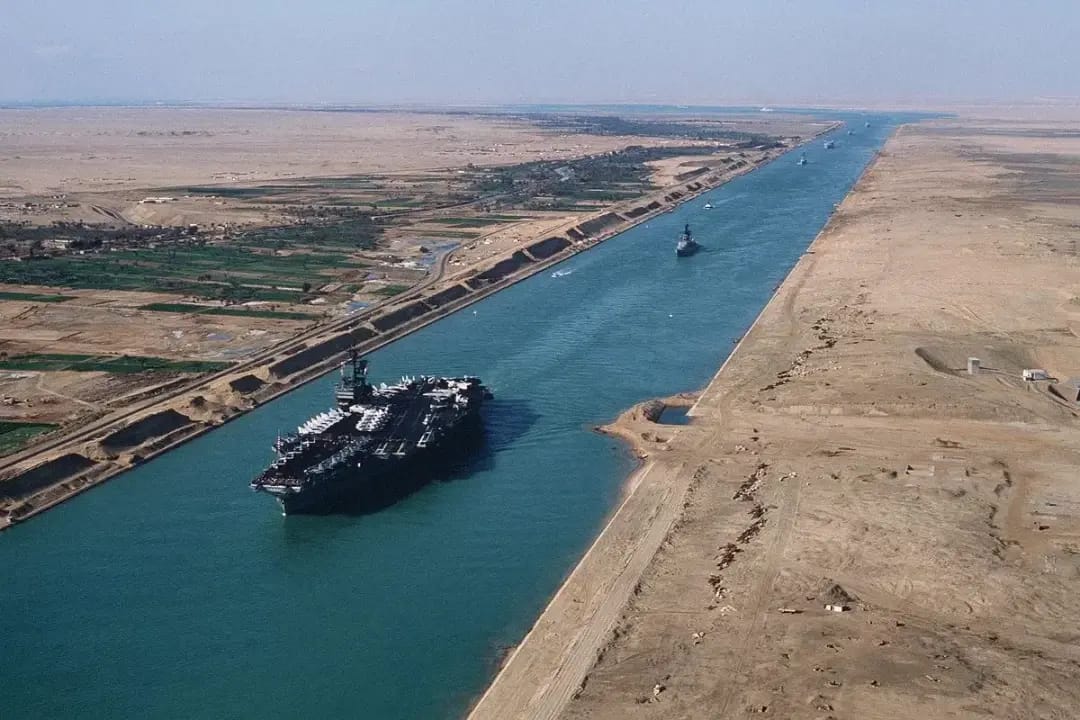
An analysis of the tanker’s movements showed that from July 16 to Oct. 22, it remained almost continuously off Sri Lanka’s southern coast near Galle. It then sailed through the Gulf of Aden and the Red Sea toward the Suez Canal, leaving Egypt’s Port Said for the Mediterranean on Nov. 10. Its current destination and the cargo on board are unknown.
The EU naval mission IRINI has operated in the Mediterranean since 2020. Its original task was to enforce the U.N. arms embargo on Libya.
Why European forces do not detain the tankers
On Oct. 9, 2026, the Council of the EU extended IRINI’s mandate through the end of March 2029 and added measures aimed at countering Russia’s “shadow fleet” to its list of responsibilities. According to a Nov. 9 mission report, military personnel are expected to carry out that task primarily by monitoring vessels, collecting information, and verifying their nationality. Since May, IRINI personnel have carried out six boardings to verify vessel flags.
As international maritime law experts previously explained to The Insider, under existing international rules European countries have limited legal authority to detain and confiscate “shadow fleet” tankers. Even when a vessel can be detained, authorities face questions over the legal grounds for continuing to hold it, which party will bear the cost of maintaining the ship, and what should happen to its cargo and crew.