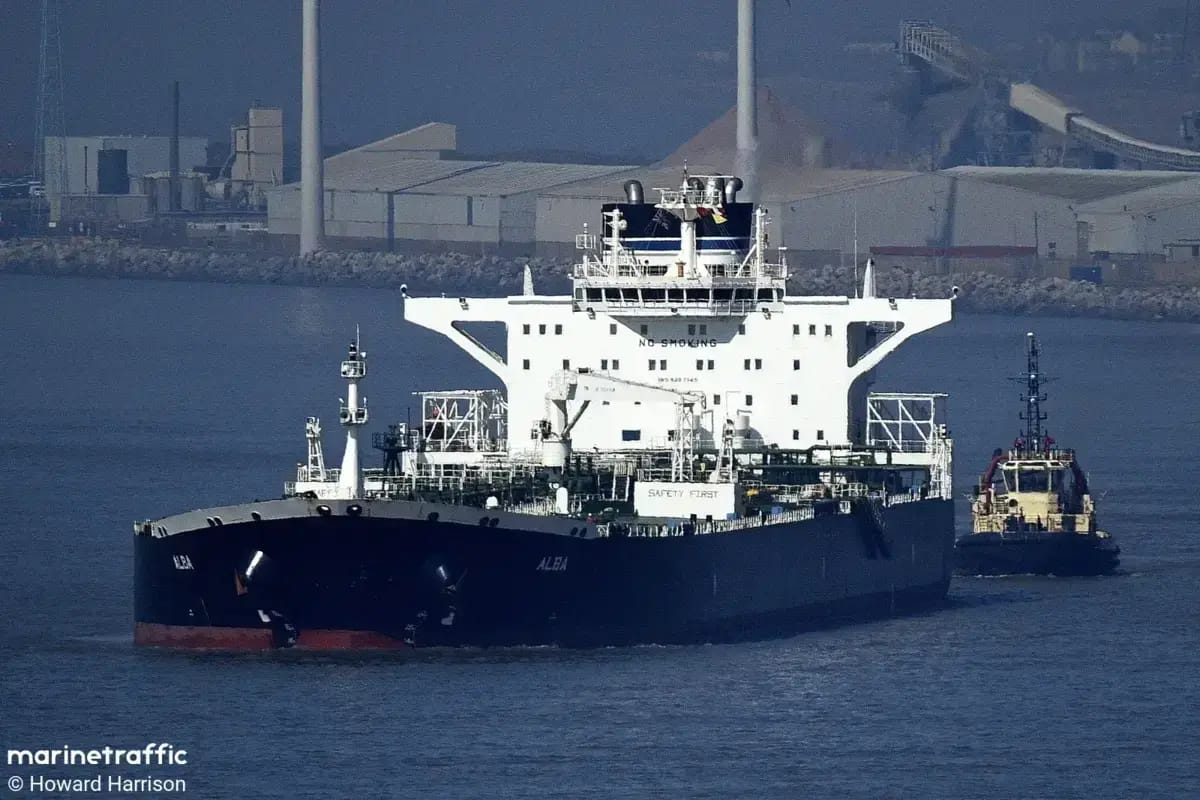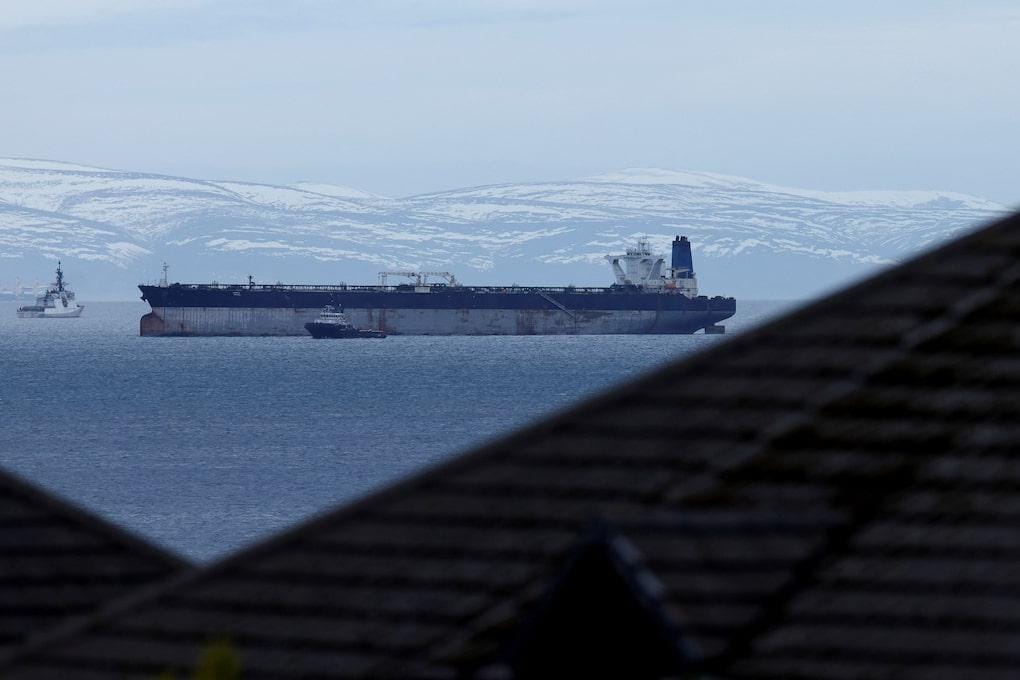
The Suez Canal Authority has introduced mandatory technical inspections and testing for ships that are 25 years old or older, according to a report by industry publication Splash247. The rules, which are already in effect, could complicate Russian oil shipments to Asia, as a significant share of Russia’s “shadow fleet” is made up of aging tankers.
Under the new requirements, ships older than 25 years must undergo a comprehensive technical inspection and testing before receiving permission to transit the canal. Ships making another transit within six months will not need a new inspection provided that no defects or other technical problems have been identified in the meantime.
The rules apply to all types of vessels regardless of flag, cargo, or sanctions status. The canal authority has not yet specified how much the inspections will cost or how long the process will take.
Russian oil tankers continue using the Suez Canal
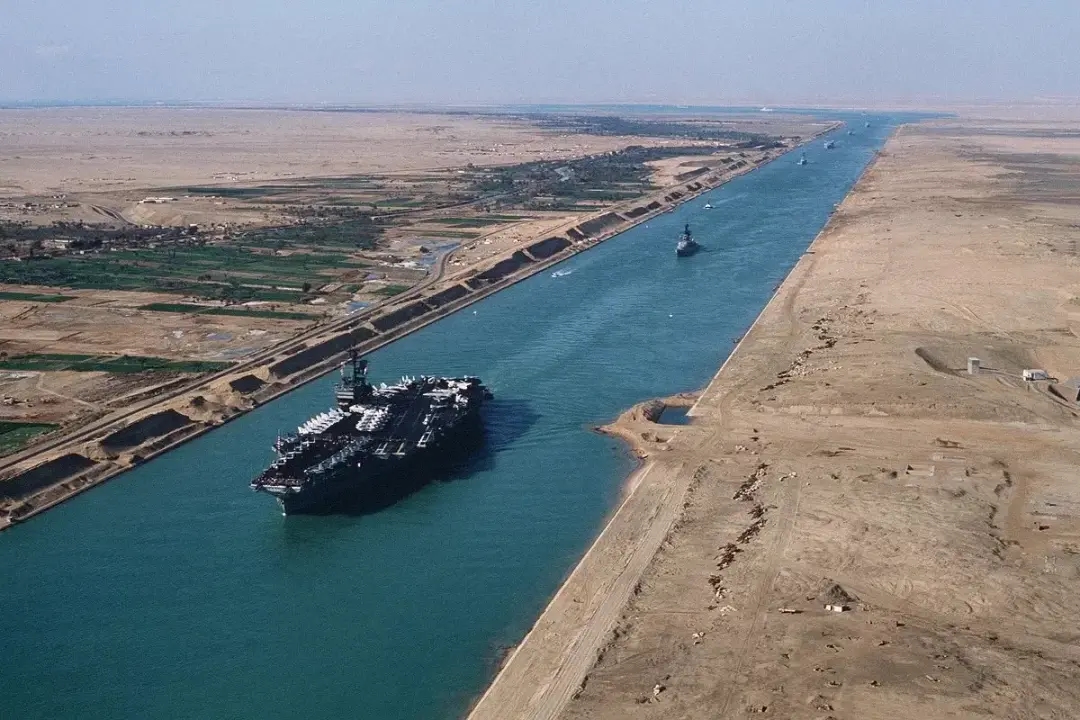
After Western sanctions were imposed following the start of Russia’s full-scale invasion of Ukraine, Russian oil companies redirected a large share of exports from European ports to Asia, particularly to India and China. The Suez Canal, which connects the Mediterranean and Red seas, became one of the main routes.
According to data from the U.S. Energy Information Administration, in the first half of 2025 Russia was the largest source of oil and condensate transported through the Suez Canal and the Bab el-Mandeb Strait.
Russian oil shipments along the route continued even after attacks by Yemen’s Houthi rebels prompted many international carriers to avoid the Red Sea. The EIA estimated that the volume of Russian oil moving through the Suez Canal and Bab el-Mandeb in 2024 and the first half of 2025 remained roughly at 2023 levels.
Sanctioned tankers have already been involved in incidents in the Suez Canal. In October 2025, the tanker Komander — which was carrying Russian oil — lost power and ran aground, temporarily disrupting vessel traffic. Notably, the ship was built in 2004, meaning that even under the new rules it would not be affected by the 25-year age threshold.
Most “shadow fleet” tankers are over 15 years old
Russia’s “shadow fleet” consists largely of aging vessels acquired to bypass Western sanctions on the transport of Russian oil. transport oil. These tankers frequently change owners, names, and flags, and their technical condition and insurance coverage have raised concerns among maritime regulators.
The Insider counted at least 39 vessels in Russia’s “shadow fleet” that are more than 25 years old. Another 130 tankers older than 25 years sail under the Russian flag.
According to an April 2026 estimate by the KSE Institute, 92% of shadow-fleet tankers carrying Russian oil were more than 15 years old. S&P Global analysts had earlier estimated the average age of vessels in the global shadow fleet at about 20 years, with roughly 60% older than 20.
The new Suez Canal requirements, however, apply only to vessels that are at least 25 years old, and there is no precise public data on what share of Russian shadow-fleet tankers using the route has reached that age.
The additional inspections could increase the cost of transporting Russian oil and cause delays in canal transit. Ships with technical problems are likely to be particularly vulnerable because they may need repairs before receiving clearance to pass through.
The rules come as the global merchant fleet continues to age. According to Clarksons Research data cited by Splash247, the combined gross tonnage of ships 25 years and older has exceeded 150 million gross tons, up 75% over the past five years. Tonnage for ships older than 30 years has reached a record 68 million gross tons.