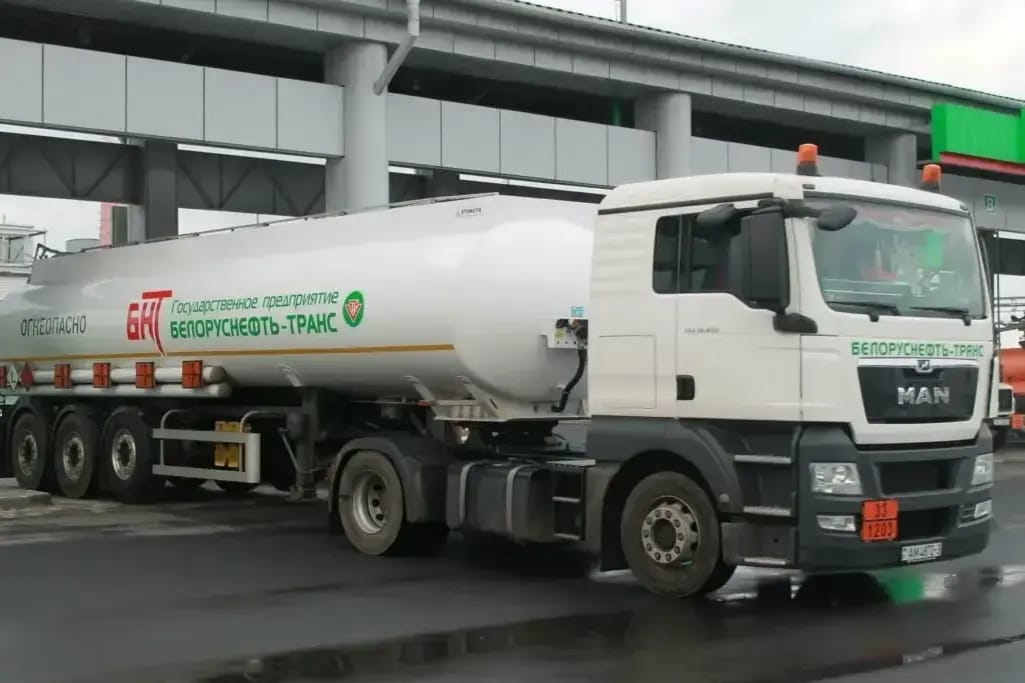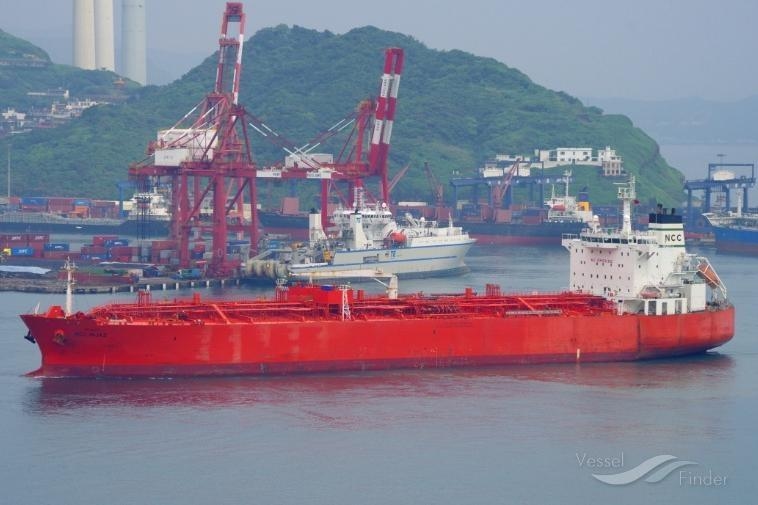
For the first time, Russia has purchased a shipment of gasoline from Turkey, analytics firm S&P Global Commodities at Sea (CAS) reports. A batch of 200,000 barrels will be delivered by the tanker Wendrix (IMO: 9299886), which departed from the port of Mersin on Turkey's Mediterranean coast. The gasoline’s manufacturer is unknown.
According to data from Starboard Maritime Intelligence, the Wendrix left Mersin on July 31 and as of Aug. 23 is in the Gulf of Finland, reportedly heading for the Primorsk marine oil terminal in Leningrad Region. The tanker, which sails under the flag of Equatorial Guinea, is part of the “shadow fleet.” The Wendrix (formerly known as the Jasper) is on the sanctions lists of the EU, the United Kingdom, Ukraine, and Switzerland.
The delivery marks the fifth known gasoline shipment to Russia since the start of July. According to CAS and Kpler data, Russia has already received three tankers carrying gasoline originally loaded at a refinery in Vadinar, India, and delivered to Russia after transshipment in Egypt. Another batch came from Morocco (a country that has no operational oil refineries). Analysts estimate the total volume of seaborne gasoline deliveries to Russia during this period at more than 1 million barrels.
On Aug. 22, Deputy Prime Minister Alexander Novak told a United Russia congress that gasoline supplies to the domestic market are expected to increase. He said that several oil refineries have completed maintenance and resumed production. However, in order to cover the shortfall, Novak identified imports and the production of gasoline of environmental classes K2, K3 and K4 — which are of lower quality than the Euro-5 standard.
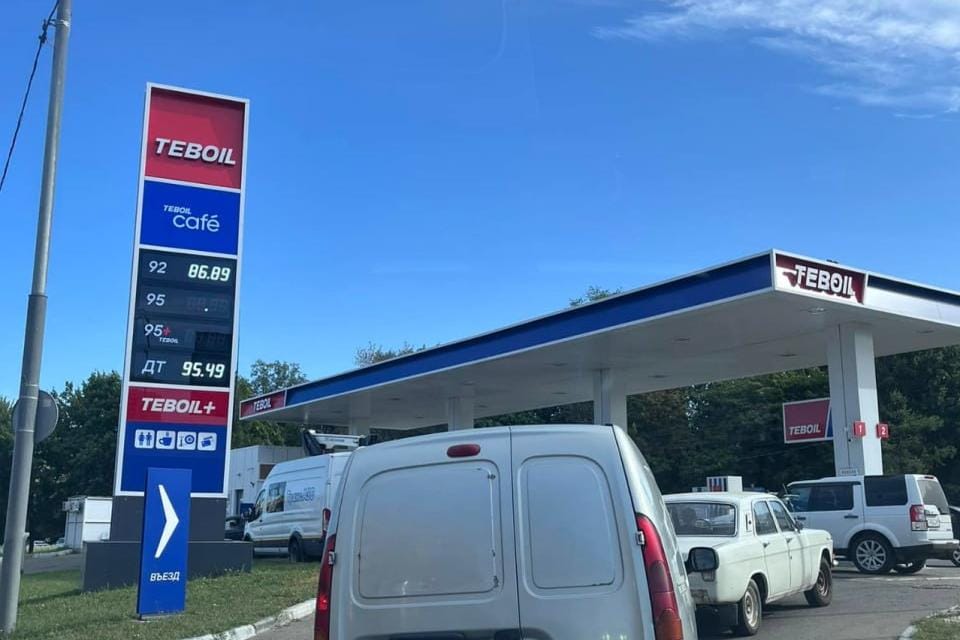
Russia’s fuel crisis, which began in May, saw another rise in intensity earlier this month. Between Aug. 10 and 15, at least six Russian regions reinstated or tightened restrictions on gasoline sales, and the Novosibirsk Region signed the country’s first agreement capping the retail markup on fuel. In July, officials declared that the crisis was easing — but a new wave of strikes on oil processing facilities, including the complete shutdown of the Orsk refinery, largely reversed that progress.