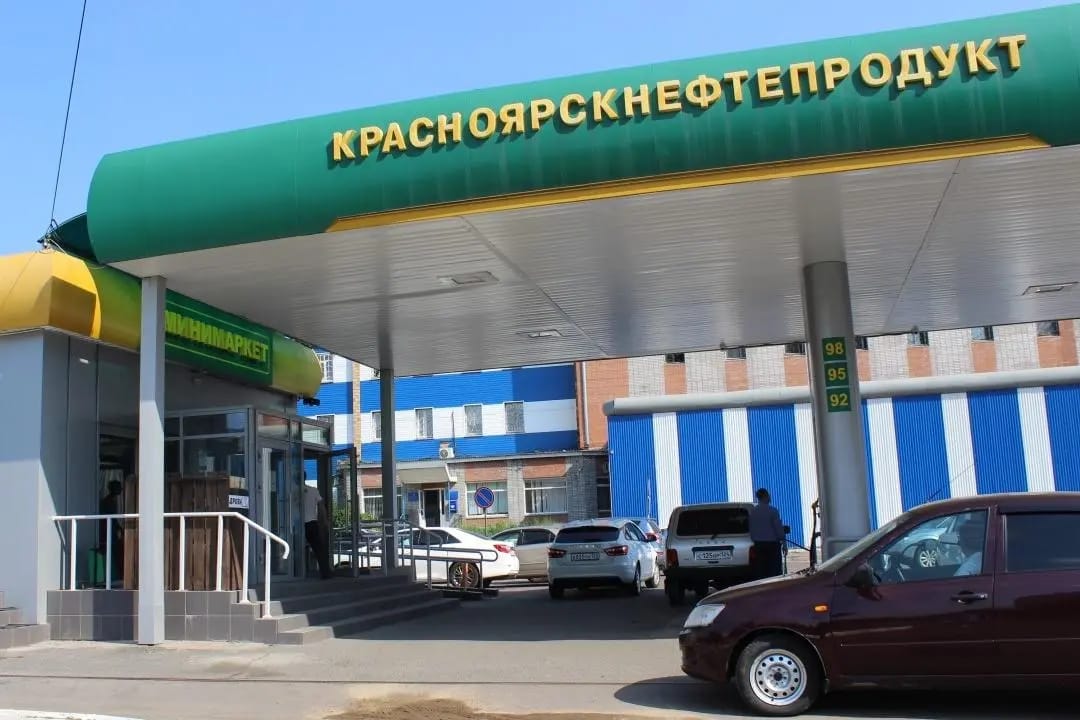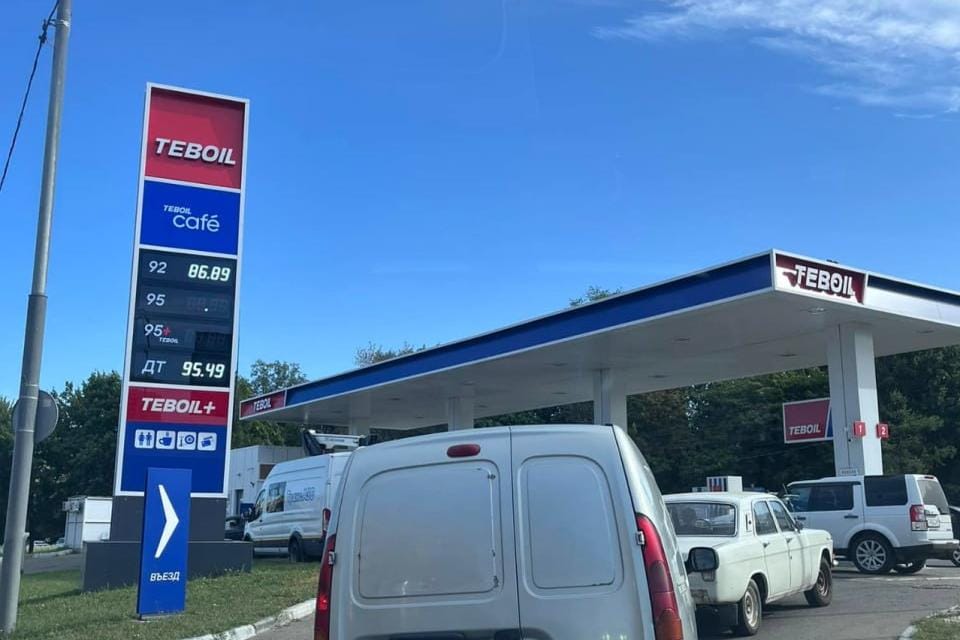
Gasoline and diesel were available at only 28.1% of Russian gas stations as of Aug. 16, according to the Kremlin-aligned newspaper Izvestia. A week earlier, fuel was available at 41% of stations. The figures are based on data from GdeBENZ, a crowdsourced service where drivers themselves add information about fuel availability, lines, and restrictions at specific gas stations.
According to the service, gasoline and diesel availability declined over the week in the Volgograd, Chelyabinsk, Orenburg, Voronezh, Samara, Penza, Saratov, Lipetsk, and Rostov regions, as well as in Tatarstan. On Aug. 17, Izvestia checked 21 gas stations in Moscow and the Moscow region: AI-92 gasoline was available at seven of them, AI-95 at six, and AI-98 at five. Diesel fuel also was not available at all stations. A source told The Insider that while driving recently from northeastern Moscow toward the Moscow region, he did not come across a single gas station with gasoline available.
A new wave of fuel shortages began in Russia in August after authorities claimed that the situation had stabilized in late July. From Aug. 10 to Aug. 15, at least six regions reinstated or tightened restrictions on gasoline sales. In the Kaluga, Lipetsk, and Orenburg regions, local governments introduced odd-even rationing, allowing cars to refuel on alternating days depending on their license plate numbers. Several regions have also imposed limits on how much fuel one person can buy.
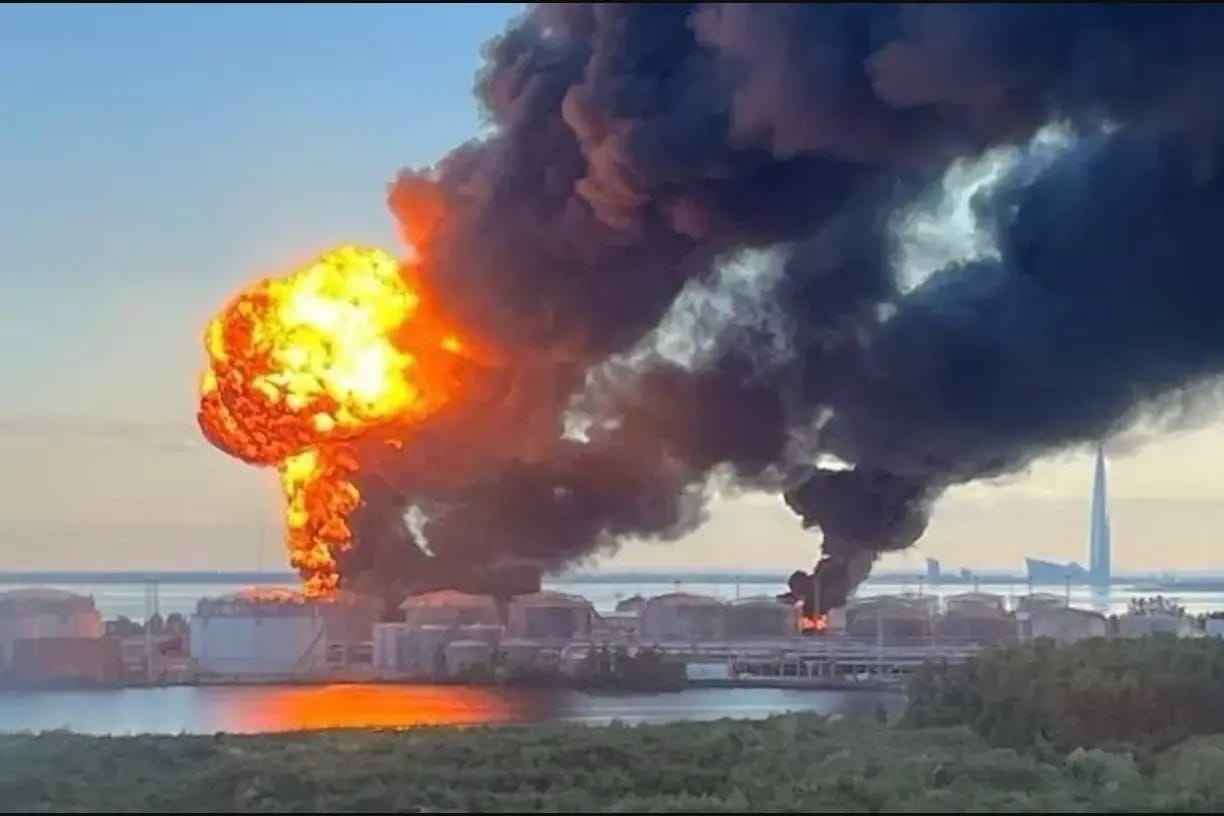
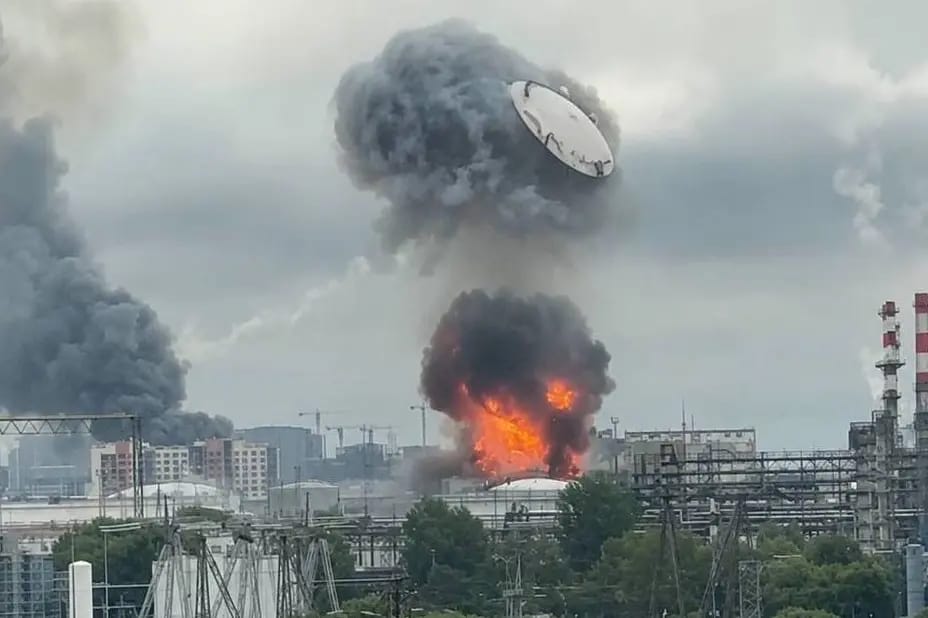
Russia’s fuel crisis has continued since late May, linked primarily to the aftermath of a series of Ukrainian attacks on oil refineries. During the spring and summer, at least 16 Russian refineries fully or partially halted processing, including plants in Volgograd, Ryazan, Nizhny Novgorod, Omsk, Moscow, Saratov, and Syzran. According to estimates from Reuters, as of July 10 gasoline production in Russia covered only about 65% of seasonal demand; the daily shortfall was estimated at 40,000 to 45,000 metric tons, with consumption at 115,000 to 120,000 metric tons.
In July, some plants began returning to operation, but refineries with a combined annual capacity of more than 45 million metric tons had still not resumed fuel sales on the St. Petersburg exchange by July 20.
By late July, however, the situation had begun to improve. Regional authorities started lifting restrictions, and Deputy Prime Minister Alexander Novak said the fuel balance had stabilized. But in August, the crisis worsened again after new attacks and emergency refinery shutdowns, coinciding with traditionally high summer demand. On Aug. 11, the Orsk refinery shut down completely following a Ukrainian drone strike. Authorities in the Orenburg Region said restoring damaged imported equipment could take up to six months.
In response to Ukrainian attacks on refineries, the Russian government has banned fuel exports, eased environmental requirements for gasoline, introduced measures to stimulate imports, and begun bringing gasoline in from abroad. The first shipment of gasoline from India, about 42,000 metric tons, arrived in Murmansk in early August. Its delivery to the domestic market, however, was delayed due to a price dispute.