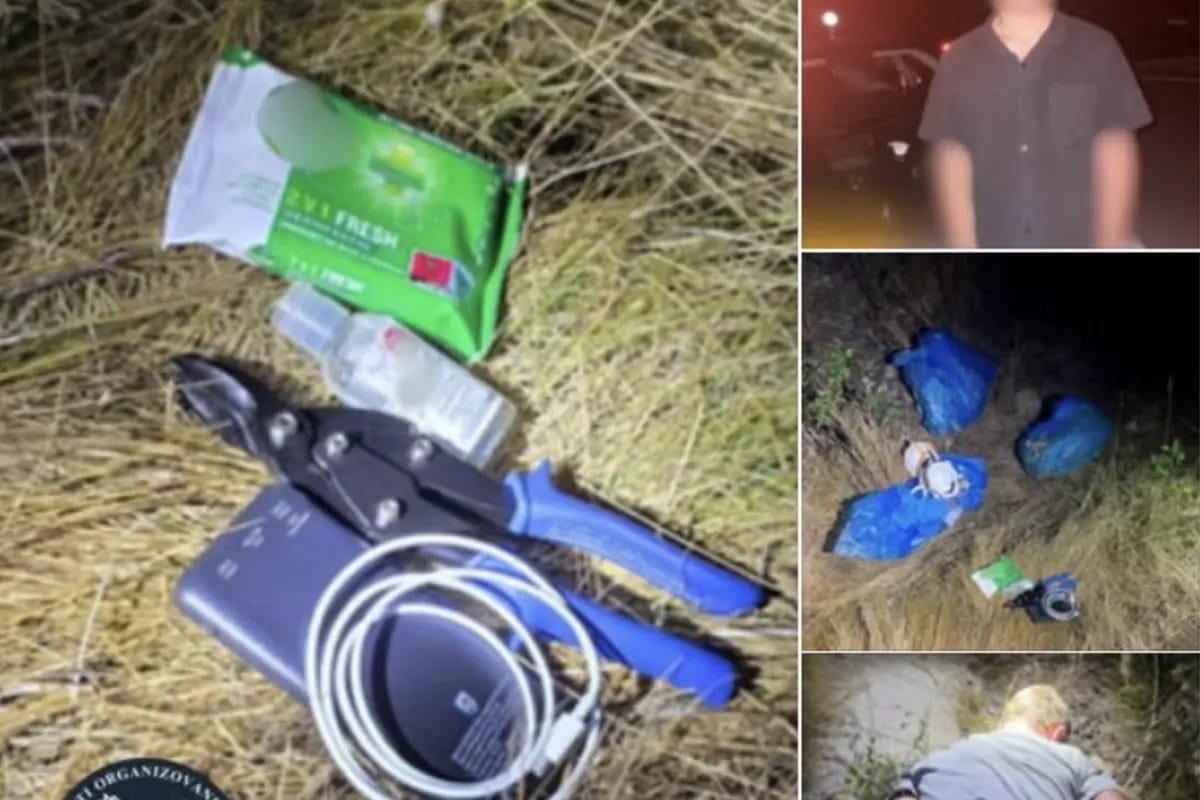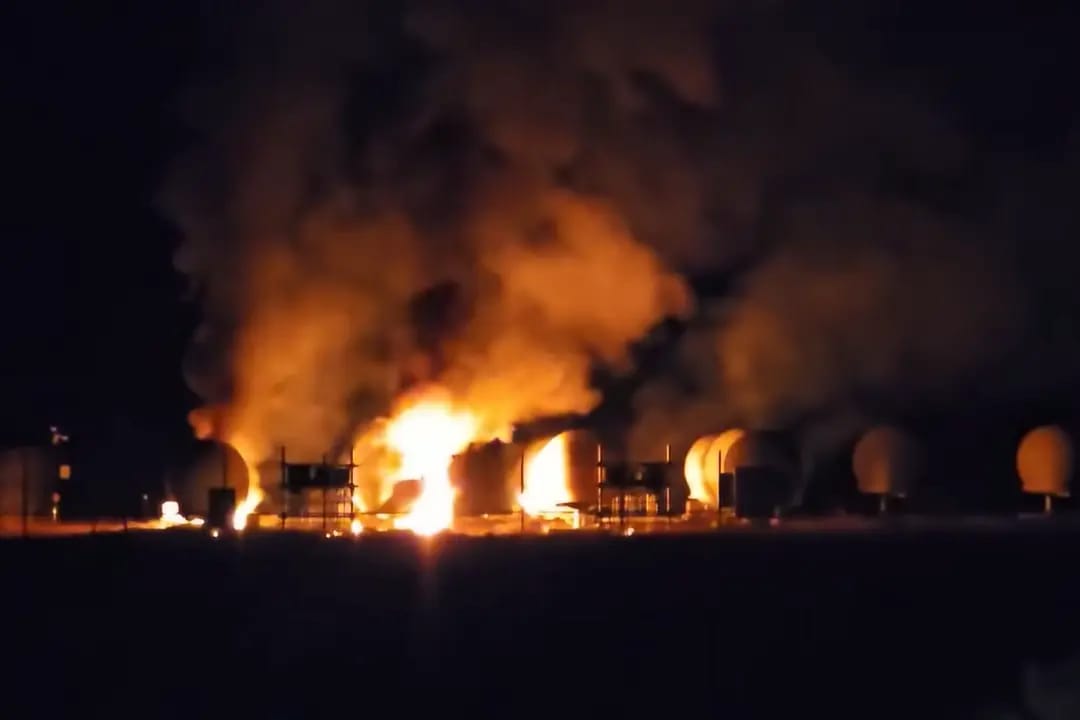
Romania’s intelligence service, the Serviciul Român de Informații (SRI), said it had uncovered a sabotage network coordinated from Russia. According to a statement from the agency, the network was behind a Sept. 14 fire at the Carfil defense plant in the city of Brașov.
An investigation carried out jointly with other intelligence agencies found that several people from former Soviet states were involved in the arson.
“The information obtained so far indicates that the network’s missions were not limited to Romania. Coordinators in the Russian Federation had assigned it a wide range of targets in the region: state-owned and private weapons production facilities, as well as other targets of military and industrial interest.”
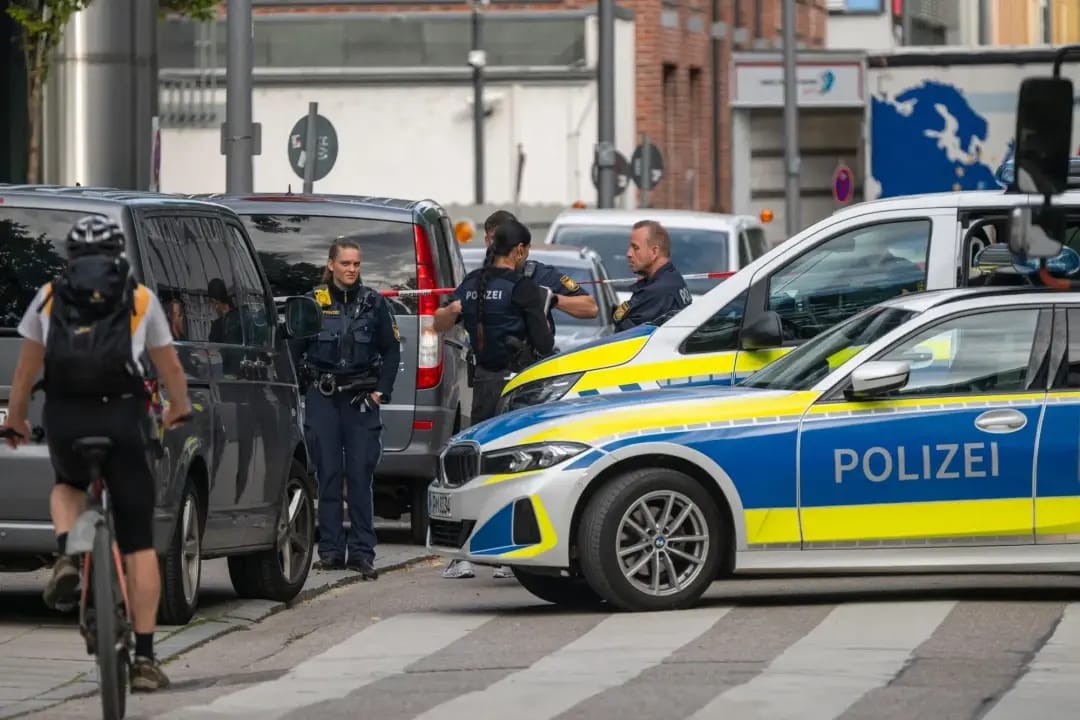
Romania’s Directorate for Investigating Organized Crime and Terrorism, or DIICOT, separately said that two Belarusian citizens and one Ukrainian citizen are suspected of involvement in the Brașov sabotage operation. Romanian authorities have issued arrest warrants for them. Two suspects were detained in Germany “while they were preparing to commit similar acts,” DIICOT said. Another suspect is in Poland.
In recent months investigations have also uncovered other attempted acts of sabotage in Romania, including at international military facilities and sites used to train members of the Ukrainian Armed Forces, the SRI said.
According to the intelligence service, operatives are typically recruited through social media. They are initially offered money to carry out a small task, such as watching or photographing a site, but the assignments then become progressively more serious. Over time, they can include assaults, arson, and even attempted killings. If a recruit refuses, the network’s handlers may resort to pressure and blackmail.
“These networks primarily exploit financial vulnerabilities, addictions, or criminal histories. To conceal their identities and movements, their members frequently use transportation, lodging, and payment methods registered under other people’s names, as well as communications via SIM cards from third countries and encrypted messaging apps.”
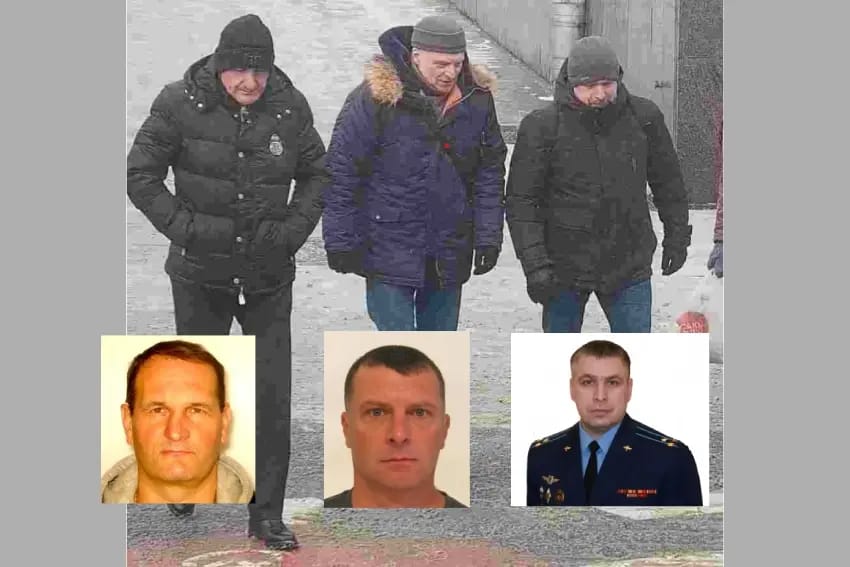
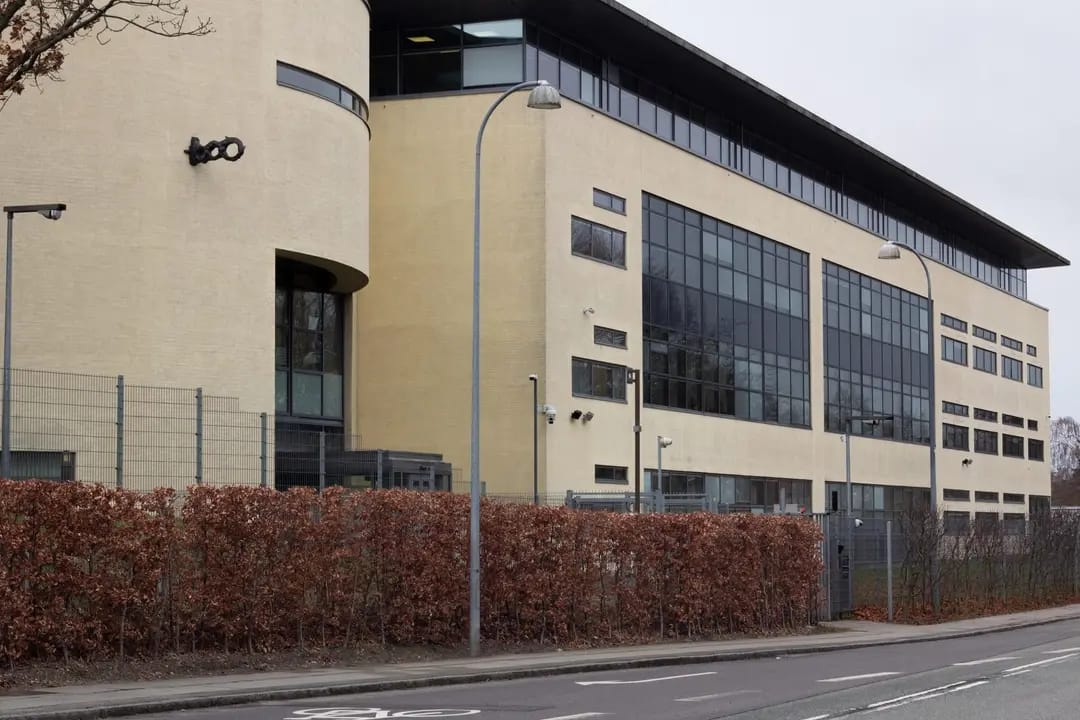
Authorities in Poland, Bulgaria, Slovakia, Germany, Lithuania, and Denmark have previously reported sabotage targeting defense companies and facilities involved in supporting Ukraine. Officials in those countries have accused Russian intelligence services of organizing the operations, while the people carrying them out have most often been Ukrainian citizens or nationals of EU member states.