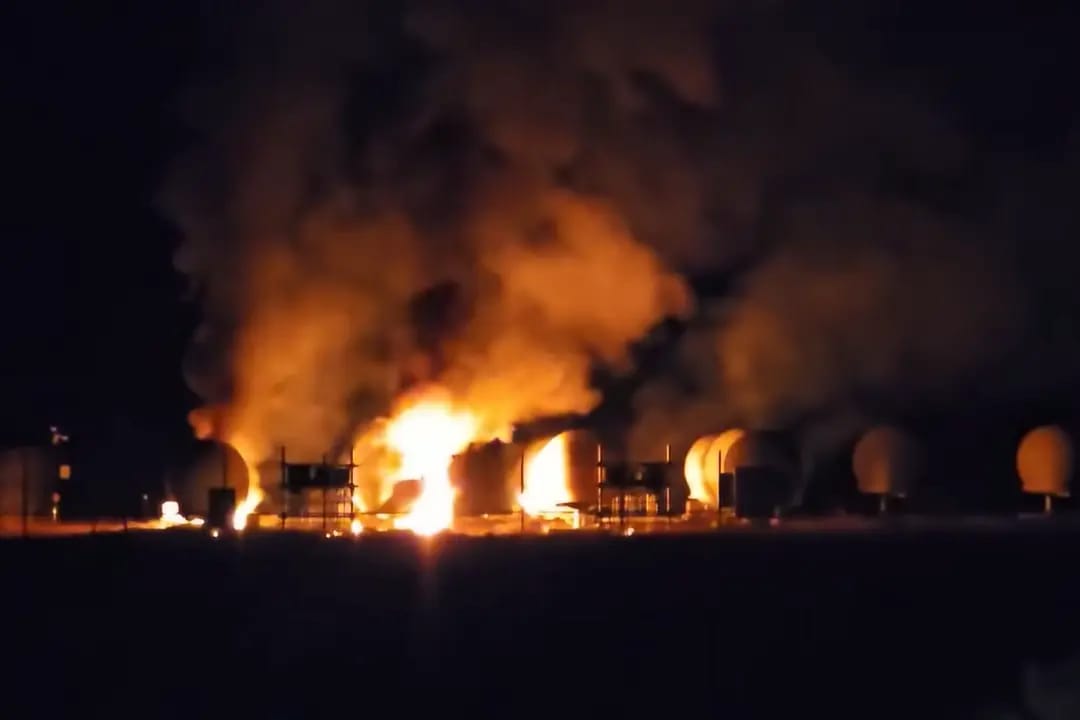
Overnight into Oct. 18, an unidentified group attempted to set fire to Starlink equipment in Lithuania, targeting infrastructure that provides communications used in part by Ukraine. Prime Minister Mindaugas Sinkevičius linked the attempted sabotage to Russia. Similar attacks have now occurred in three EU countries over the past four weeks, The Insider found, with earlier arson attacks on Starlink infrastructure occurring in Poland and Bulgaria.
Sinkevičius said the attempted attack took place at around 2 a.m. At the site, investigators found containers and flammable liquids. Lithuanian security services had warned the company in advance of a possible attack, prompting increased security that helped prevent the fire.
Vilmantas Vitkauskas, head of Lithuania’s National Crisis Management Center, later said the attack targeted Starlink satellite-network equipment at a site rented by U.S. company SpaceX from a Lithuanian company. According to the Baltic News Service, the incident took place at the Delska data center in Vilnius. The prime minister said the facility supports nine satellite antennas whose communications are used in part by Ukraine.
Lithuania’s police commissioner general, Arūnas Paulauskas, noted that the company’s operations were not disrupted and that any damage was minimal. No suspects have been detained, but an investigation has been opened.
“It is obvious that this is part of Russia’s hybrid war, which includes sabotage activity,” Sinkevičius told LRT Radio. He added that Russia was believed to be behind the operation, though investigators had yet to establish the full circumstances.
Starlink arson attacks in Poland and Bulgaria
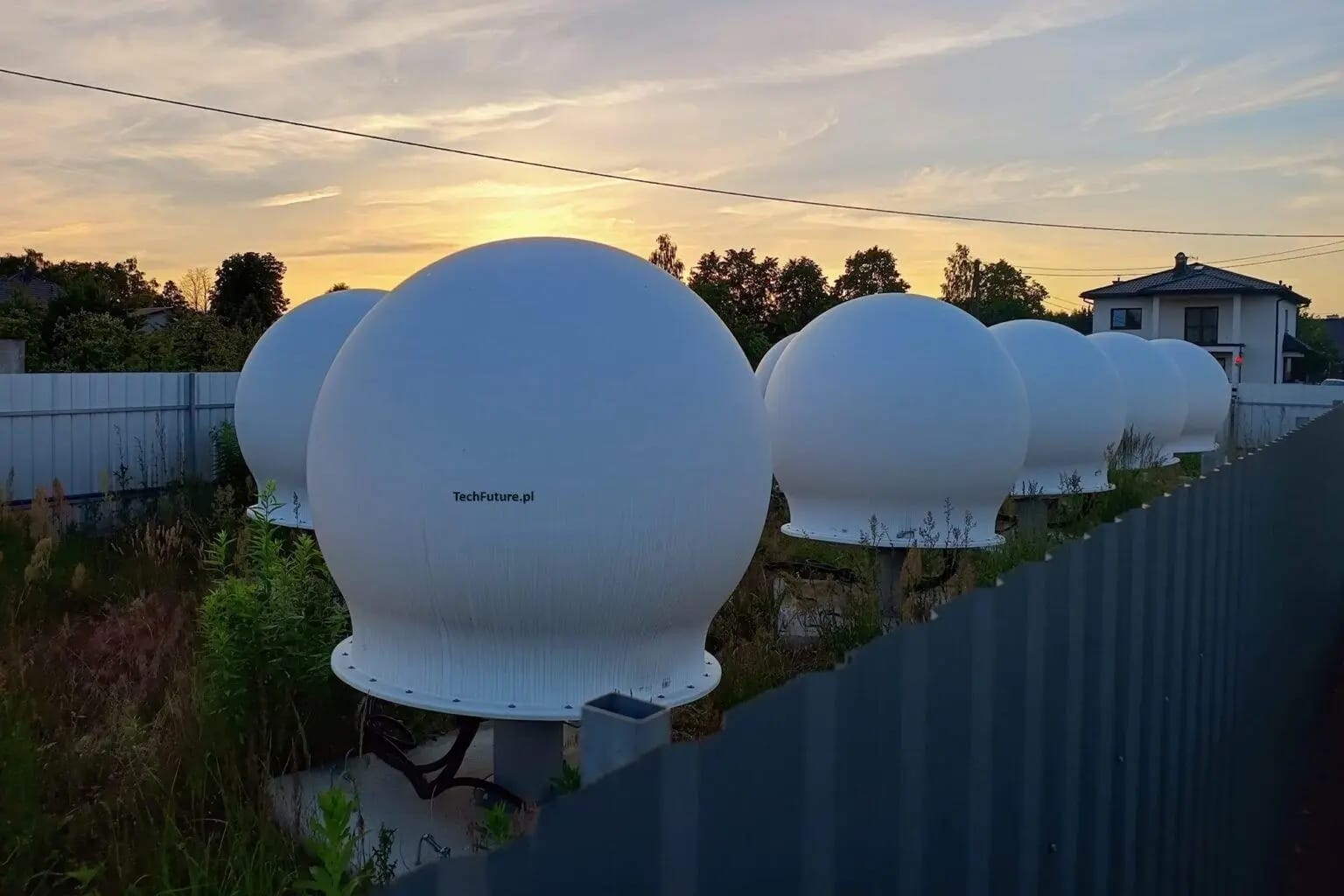
On Sept. 23, unidentified people set fire to power-supply equipment at a Starlink ground station in Wola Krobowska, near Warsaw. The station provides satellite communications in Poland and other parts of Eastern Europe, including Ukraine. The attack failed to disable that equipment.
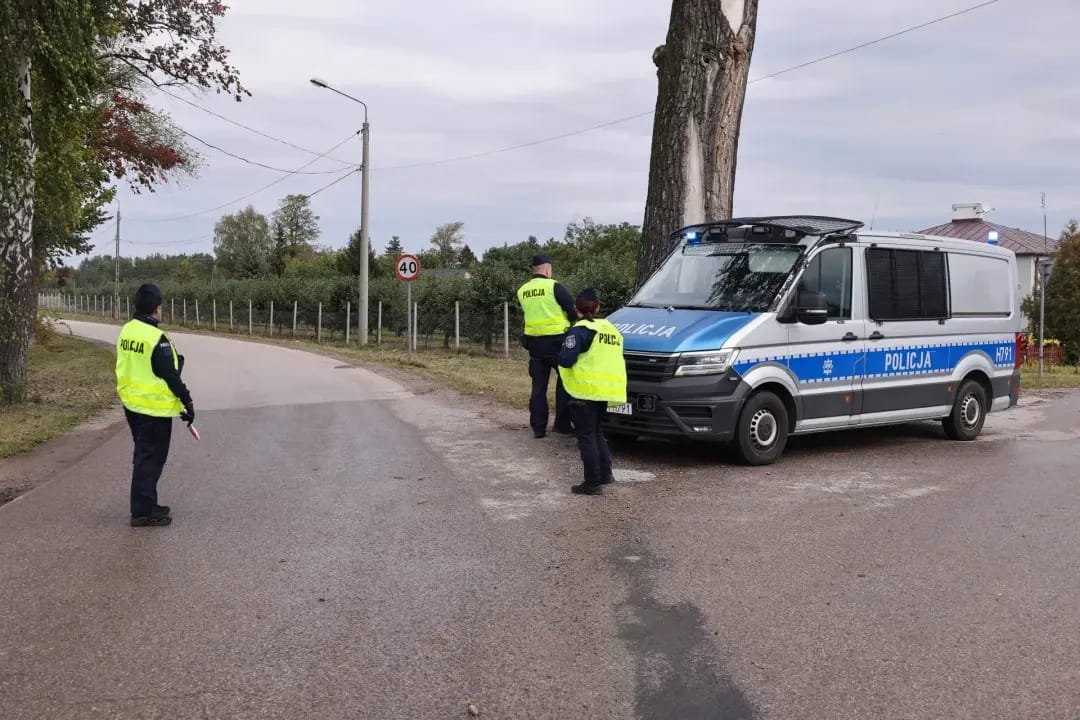
On Oct. 12, German authorities detained two Turkish citizens suspected of organizing the arson. Polish authorities believe they acted on behalf of Russian intelligence services. According to an Oct. 16 statement by Poland’s Internal Security Agency, the suspects entered the site wearing masks, poured flammable liquid over the equipment, and set it on fire. The agency also detained another person who, separately from the arsonists, had previously examined the station’s security arrangements and sent photos and videos to a handler through Telegram.
As The Insider previously reported, citing Der Spiegel, the detained men are linked to the Turkish criminal group Daltons. According to the German publication, the group’s alleged leader was detained in Russia in 2024.
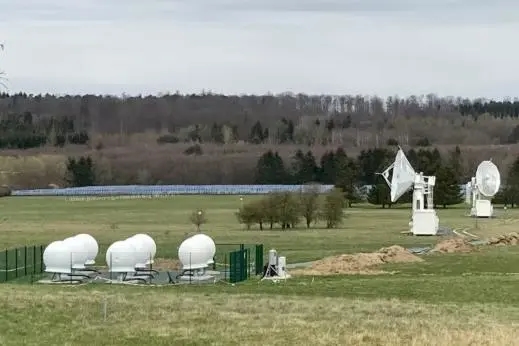
Another arson attack occurred in Bulgaria. On Oct. 12, Bulgarian member of parliament Ivaylo Mirchev reported that two masked people had set fire to 11 of the 17 Starlink antennas at a site near Sofia. Using satellite imagery, The Insider identified the station’s location approximately 20 kilometers south of the Bulgarian capital. Prime Minister Rumen Radev confirmed that an investigation was underway, and on Oct. 15 Bulgaria’s Interior Ministry said investigators had identified suspects.