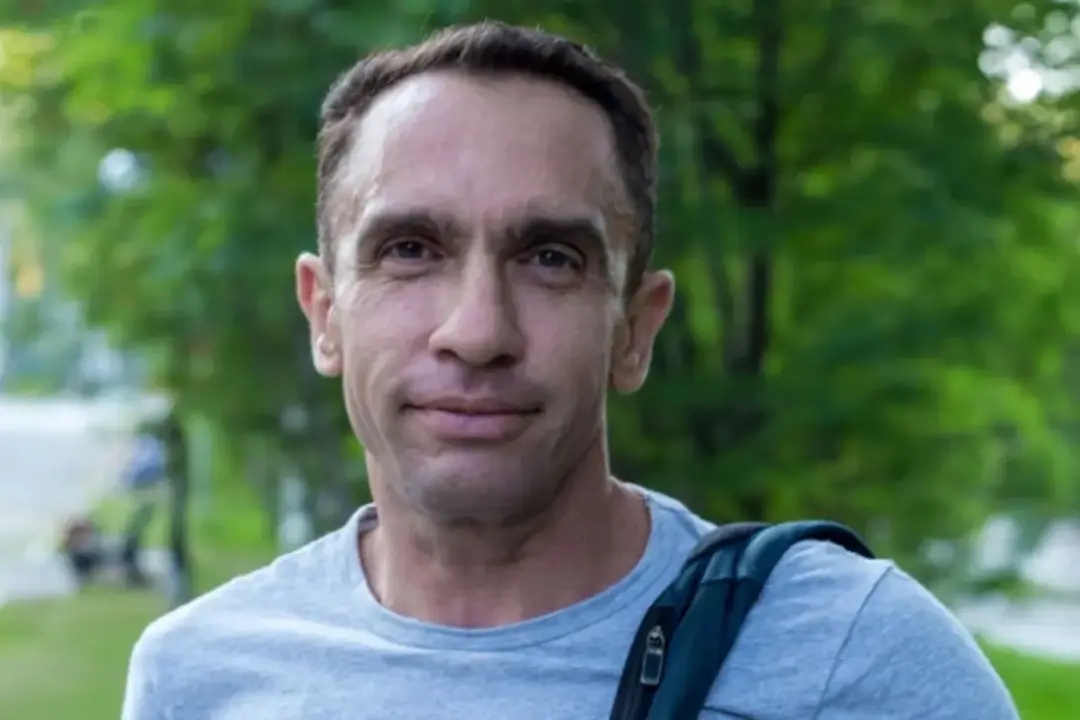
The Moscow branch of Russia’s Federal Penitentiary Service (FSIN) said it found no violations of the rights of political scientist Alexander Kynev, who was diagnosed with two fractures of his tibia after being detained. The legal rights project Slovo Zashchite (lit. “Word to the Defense”) reported the finding after publishing the agency’s response to an appeal by urbanist Mikhail Popov, who had asked authorities to investigate reports that Kynev was beaten.
In an Oct. 22 letter, FSIN said Kynev’s conditions of detention complied with Russian law and that it had found no threats to his life or health. The agency also said it had found no violations of Kynev’s rights or treatment degrading to his human dignity. The published response, however, says nothing about the circumstances of Kynev’s arrest, during which he says he suffered his injuries.
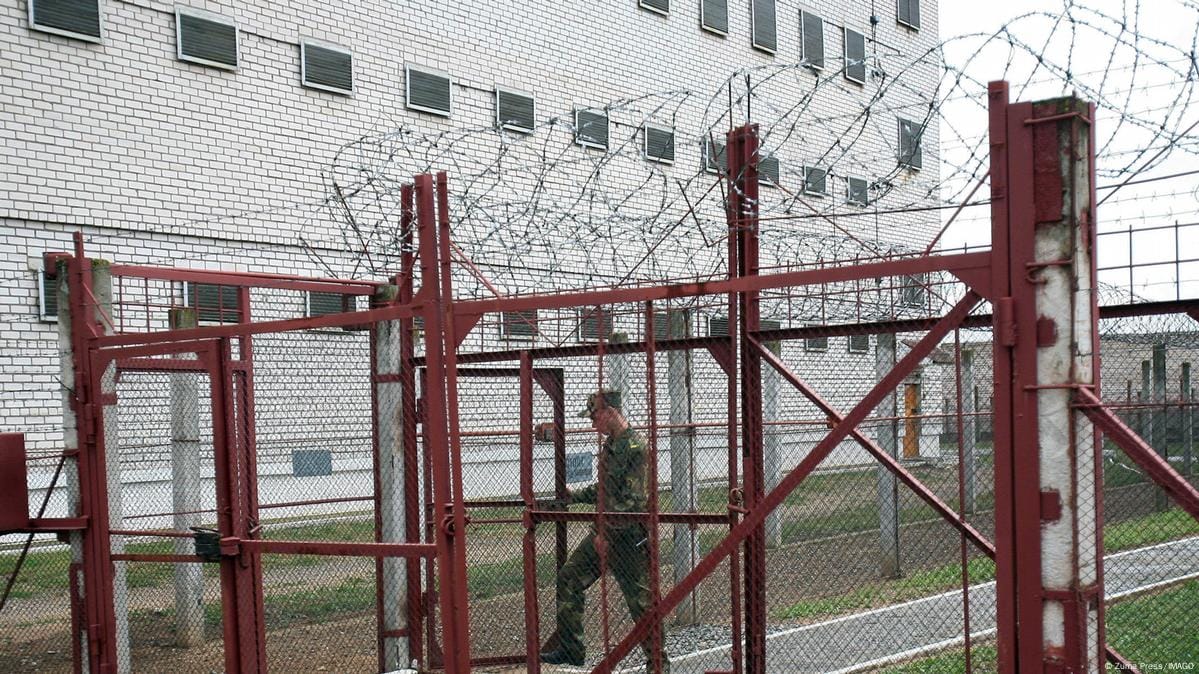
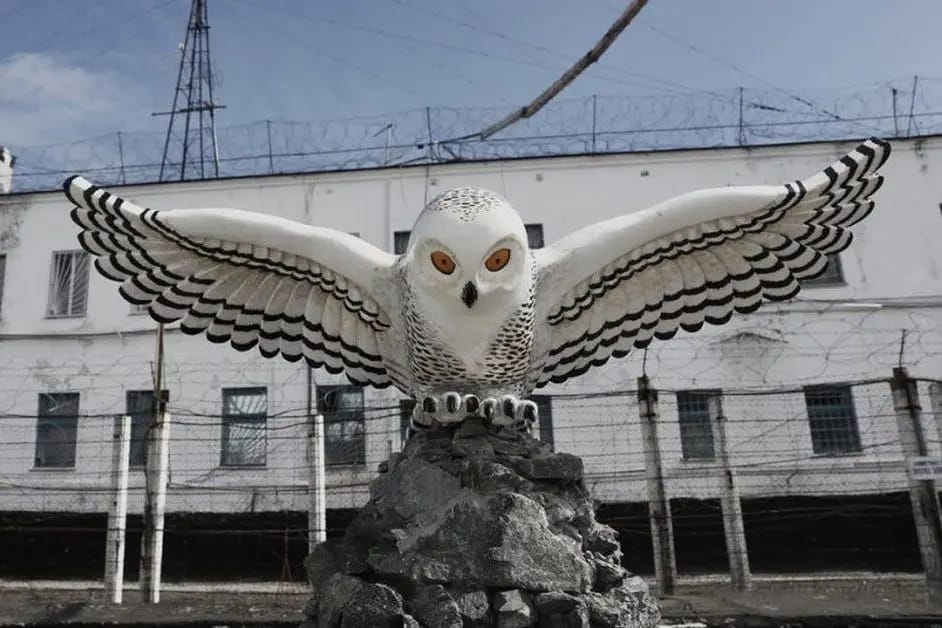
The FSIN review concerned Kynev’s detention at Moscow’s Pretrial Detention Center No. 1 (SIZO-1), known as Matrosskaya Tishina, even though he had already been transferred on Oct. 14 to another facility, Pretrial Detention Center No. 4 (SIZO-4), known as Medved (lit. “The Bear”). As The Insider previously reported, Kynev was placed in the prison hospital at Matrosskaya Tishina after his detention with two fractures of the tibia.
A source for Slovo Zashchite in the FSIN medical service said the injuries were the result of torture. Kynev’s leg was put in a cast, and his condition was assessed as moderately serious. At the time, it was already reported that the Moscow branch of FSIN had opened an internal review.
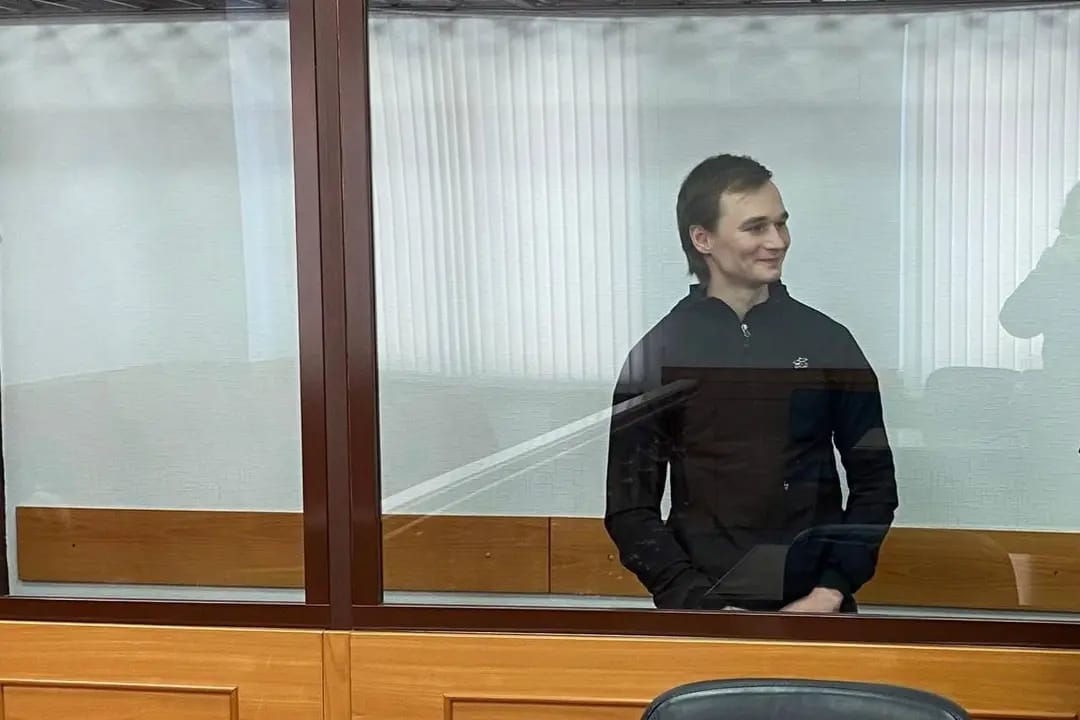
On Oct. 22, Kynev told the Moscow City Court personally that he had been injured during his arrest. He said the officers did not identify themselves and that the force they used caused a serious double fracture of his right leg, along with multiple bruises.
Kynev said that he remembered little of what happened after officers forced him to the floor. He also complained that he was not receiving necessary medical care and was having difficulty moving around the detention center.
A medical discharge summary reviewed by the court showed that Kynev was treated in a surgical ward from Sept. 25 through Oct. 8 for a closed fracture. He was discharged in satisfactory condition with a note saying he was able to move with the support of a cane. His lawyers, however, warned that without the necessary medical treatment, he risked being left permanently disabled.
Lawyer Mikhail Biryukov had previously said that materials concerning bodily injuries allegedly inflicted on Kynev during his arrest by unidentified people had been separated into a distinct proceeding. The FSIN response does not indicate what decision was made regarding those materials or whether investigators directly examined the actions of the officers who carried out Kynev’s arrest.
Alexander Kynev was detained on Sept. 25, 2026. Moscow’s Perovo District Court ordered him held in pretrial detention the same day on charges of attempted large-scale drug trafficking. He denies the accusation.
On Oct. 22, the Moscow City Court rejected appeals filed by Kynev’s lawyers and ordered him to remain in custody through Nov. 24 despite his health condition.
Alexander Kynev holds a doctorate-equivalent degree in political science and is an expert on Russian elections and regional politics. He previously taught at the Higher School of Economics in Moscow. He has monitored regional and federal election campaigns, including Russia’s recent State Duma elections in September 2026.
In February, Russia’s Justice Ministry added Kynev to the register of so-called “foreign agents.”
The Nobel Peace Prize-winning human rights organization Memorial has recognized Kynev as a political prisoner.
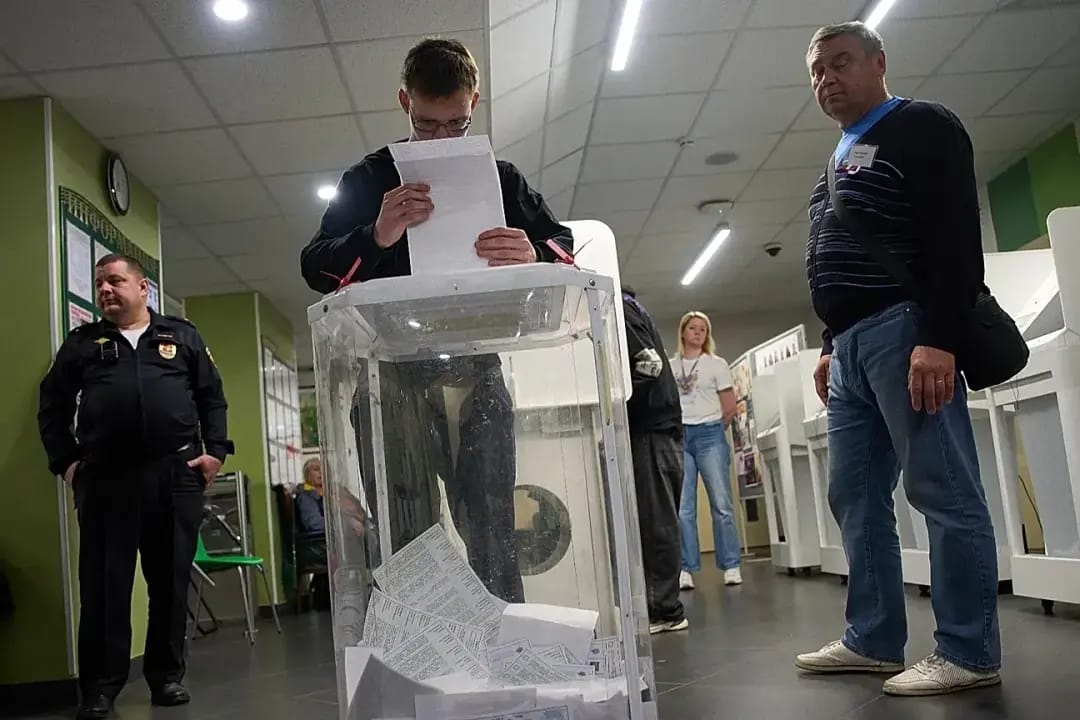
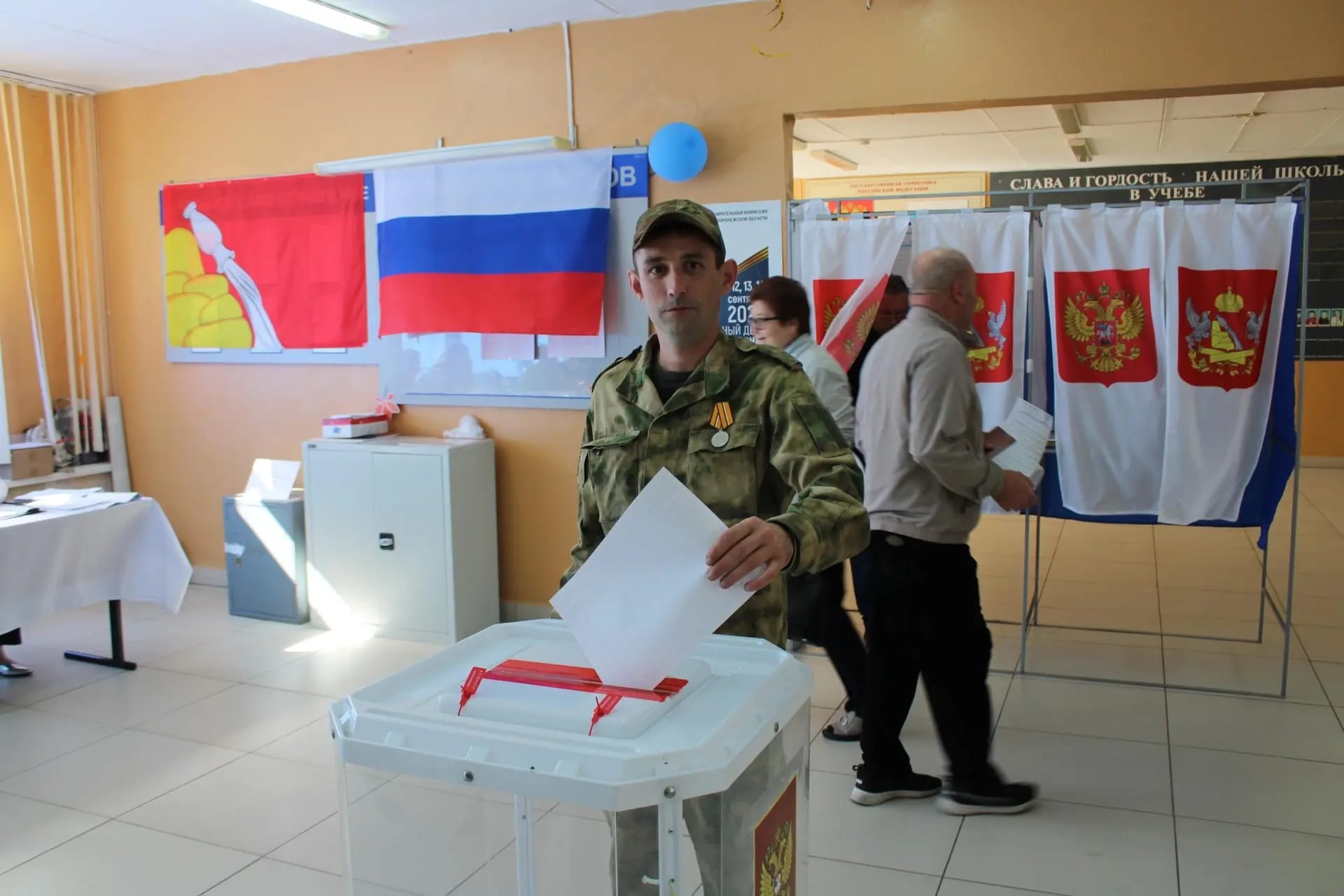
Russia’s September 2026 State Duma elections ended with a landslide official victory for the ruling United Russia party, which retained a constitutional majority. Independent monitors and statistical analysts, however, reported widespread irregularities, including ballot stuffing, inflation of turnout, voter coercion, and manipulation of vote counts, with reliable estimates putting United Russia’s actual support at around 34% — rather than the official 57.8% declared by the Central Election Commission.
The European Parliament subsequently declared the September vote illegitimate and undemocratic and refused to recognize the newly elected State Duma as Russia’s legitimate legislative body. The resolution passed by 482 votes to 41, with 39 abstentions. Many of the MEPs that voted against it, such as Slovak politician Luboš Blaha, German MEP Petr Bystron, and Czech MEP Ondřej Dostál, have documented ties to Russia and have traveled to Moscow since the start of the full-scale invasion to meet with Kremlin officials.