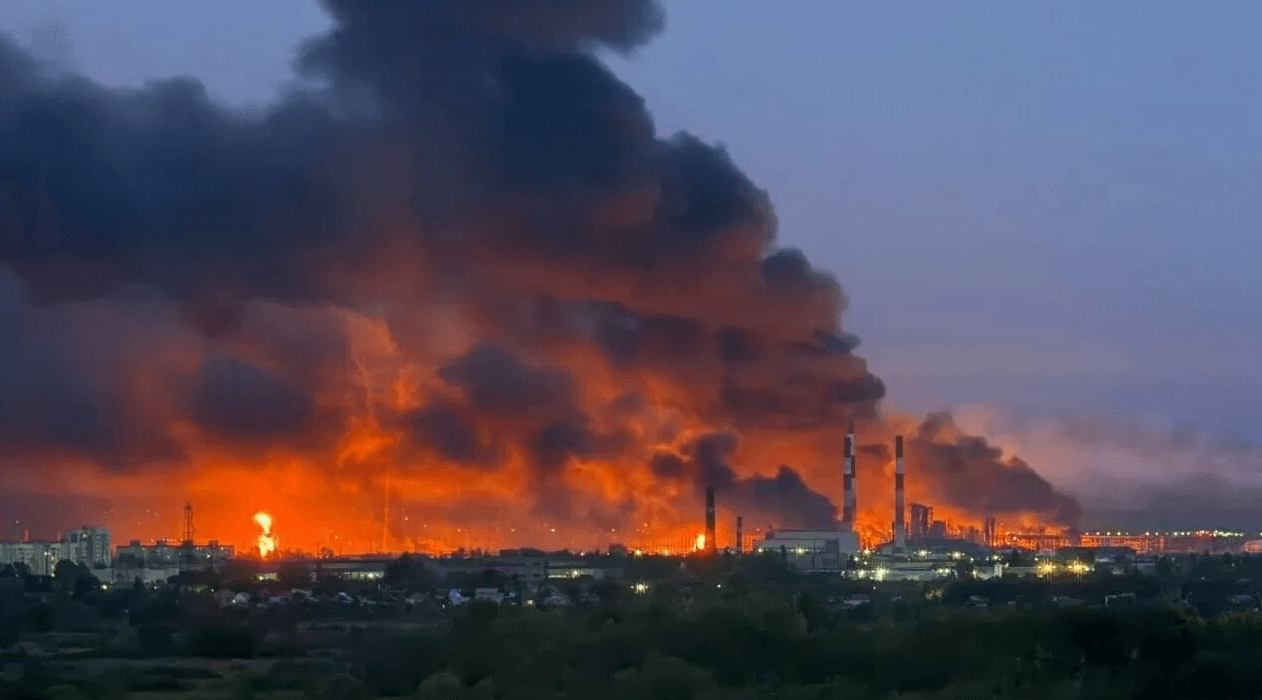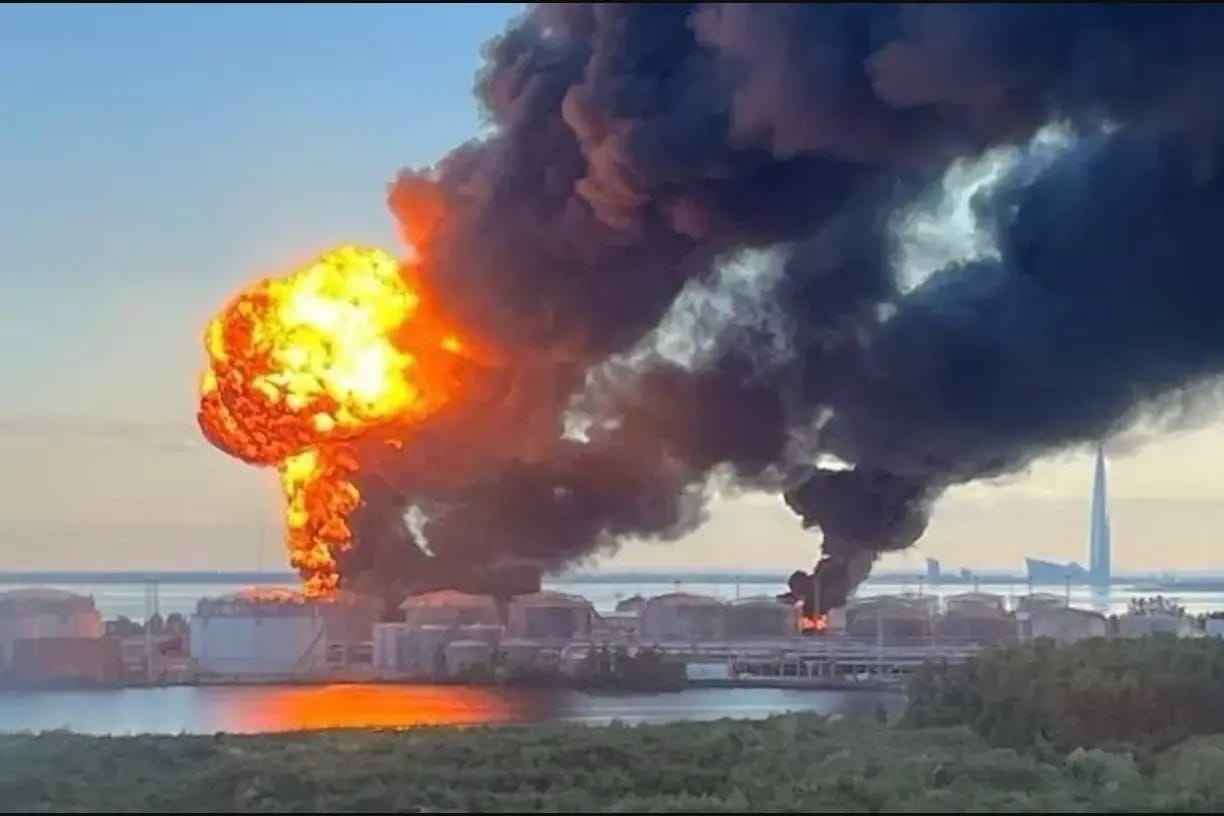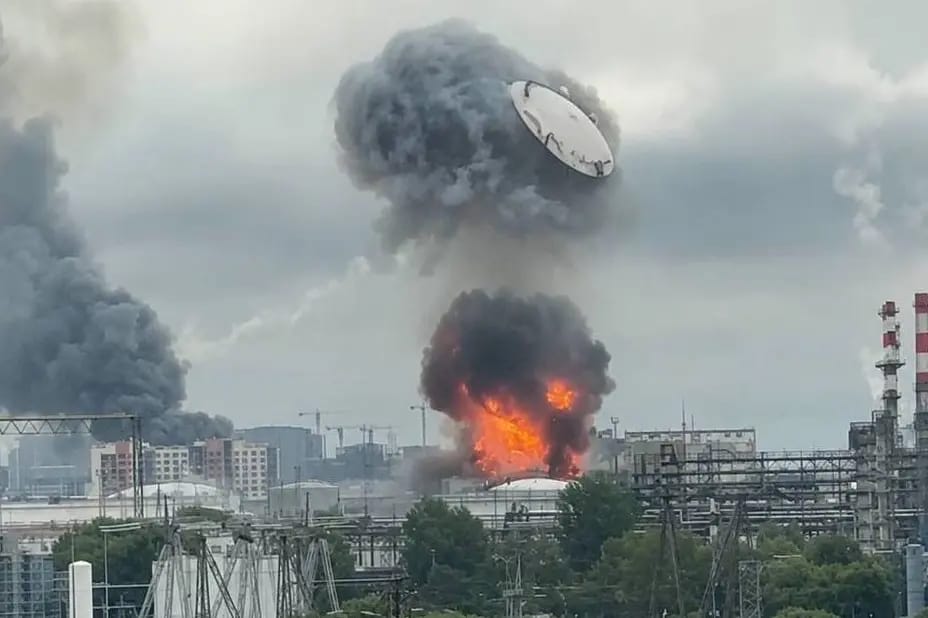
Russian refineries are expected to reduce oil processing in August to 4 million barrels per day, the result of unplanned repairs and shutdowns, writes the Kremlin-aligned business newspaper Kommersant, citing a forecast by the analytics firm Kpler. The forecast falls nearly 5% below July’s 4.2 million barrels per day and about 2.5% below that of June, when refinery runs had already fallen to a multiyear low of 4.1 million barrels per day.
An industry source told the newspaper that Russian refineries were expected to process between 3.8 million and 4.1 million barrels per day in August. In September, the figure could rise to between 4 million and 4.3 million barrels per day, but the industry will not return to its usual level of 5.3 million to 5.5 million barrels per day for the foreseeable future. According to Kommersant’s source, if processing falls below a level of 3.3 million and 3.5 million barrels per day, then supplying the domestic fuel market becomes extremely difficult.
The Russian gasoline market remains sensitive to production cuts. Again according to Kommersant, as of early July Russian refineries were producing only about 70% of the gasoline needed during the seasonal demand period, forcing authorities to arrange imports. At the time, Kpler had forecast that refinery runs would rise to as high as 5 million barrels per day in July by September, but it lowered that estimate after new shutdowns.
The International Energy Agency also linked the worsening situation on the global oil products market to attacks on Russian refineries. The agency cut its forecast for global refining in the third quarter by 370,000 barrels per day because of strikes on Russian plants and disruptions to petroleum product supplies from the Middle East. The IEA estimates that global refining volumes will fall by an average of 2.5 million barrels per day in 2026.
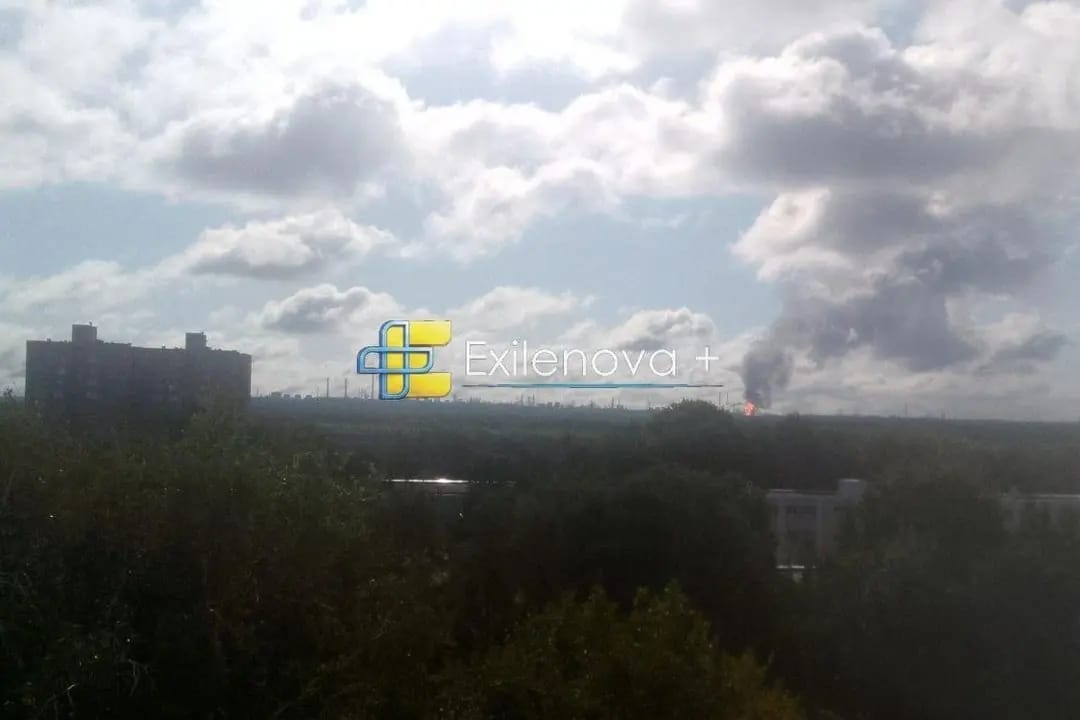
One of the latest facilities to shut down was the Orsknefteorgsintez refinery, which was attacked by Ukrainian drones on Aug. 11. According to Reuters, the plant stopped processing operations due to a fire and equipment damage. The facility has a capacity of 5.76 million metric tons of oil per year, or about 115,000 barrels per day.
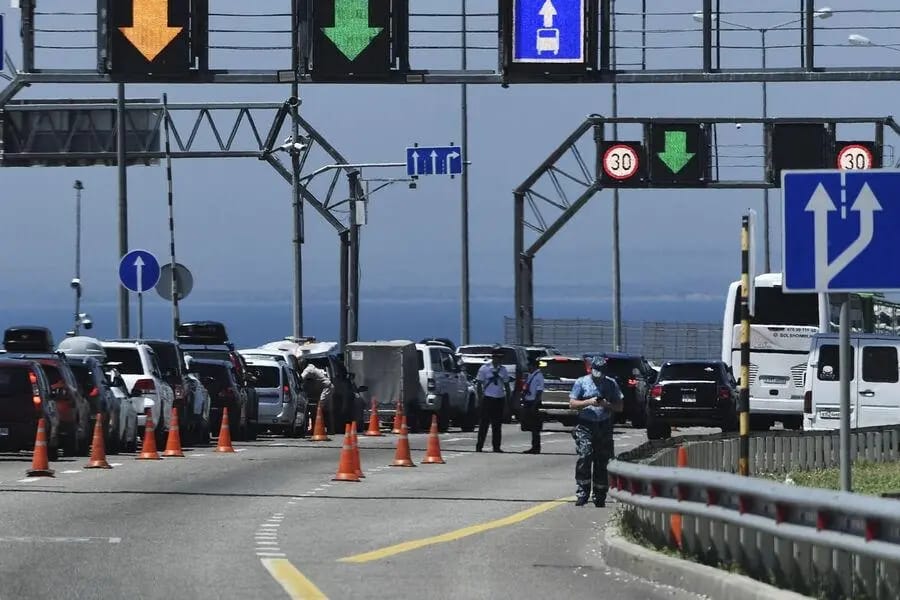
Amid fuel shortages, authorities in the Lipetsk Region decided to reintroduce “odd-even” gasoline sales from Aug. 13 after canceling the system earlier in the month. Drivers will be allowed to buy fuel on designated days based on their license plate number. In the Orenburg Region, the same system was introduced for the first time at all gas stations after the attack on the plant in Orsk. In both regions, gasoline sales were limited to 30 liters per vehicle. Earlier, authorities in the coastal city of Sochi in southern Russia urged residents and tourists to avoid using private vehicles due to supply disruptions at local gas stations.