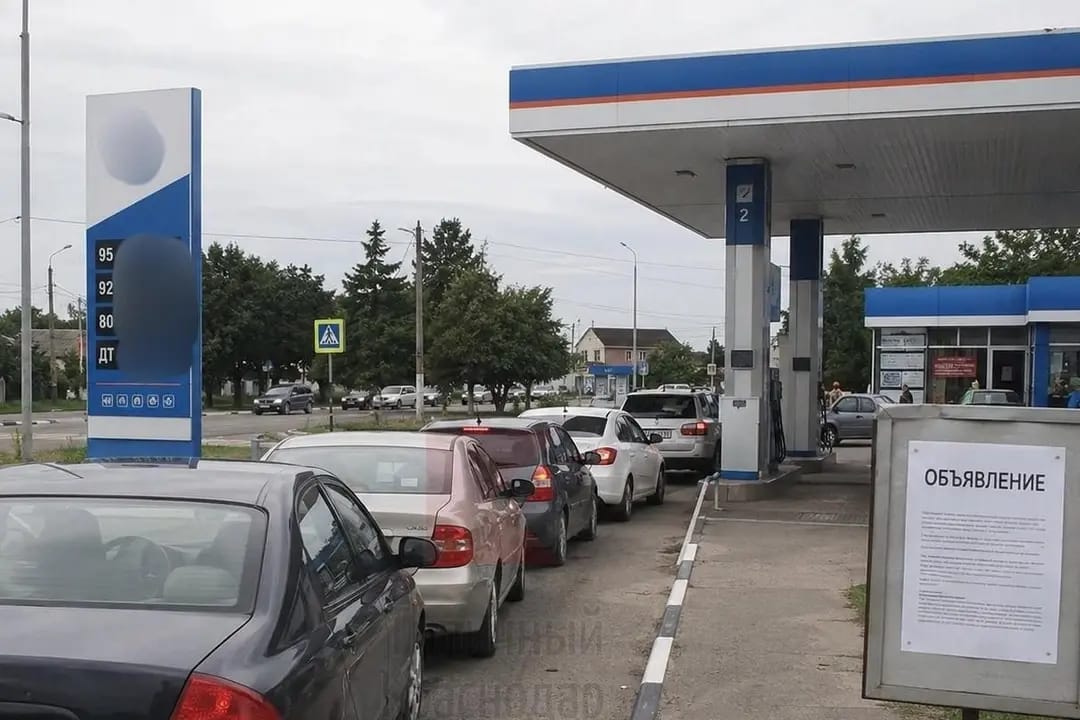
Gasoline prices in Russia continue to rise, while authorities in an increasing number of regions are imposing restrictions on sales, according to a report by the independent exiled Russian outlet Ekho, based on data from the source-monitoring system Iona, which was developed by The Insider.
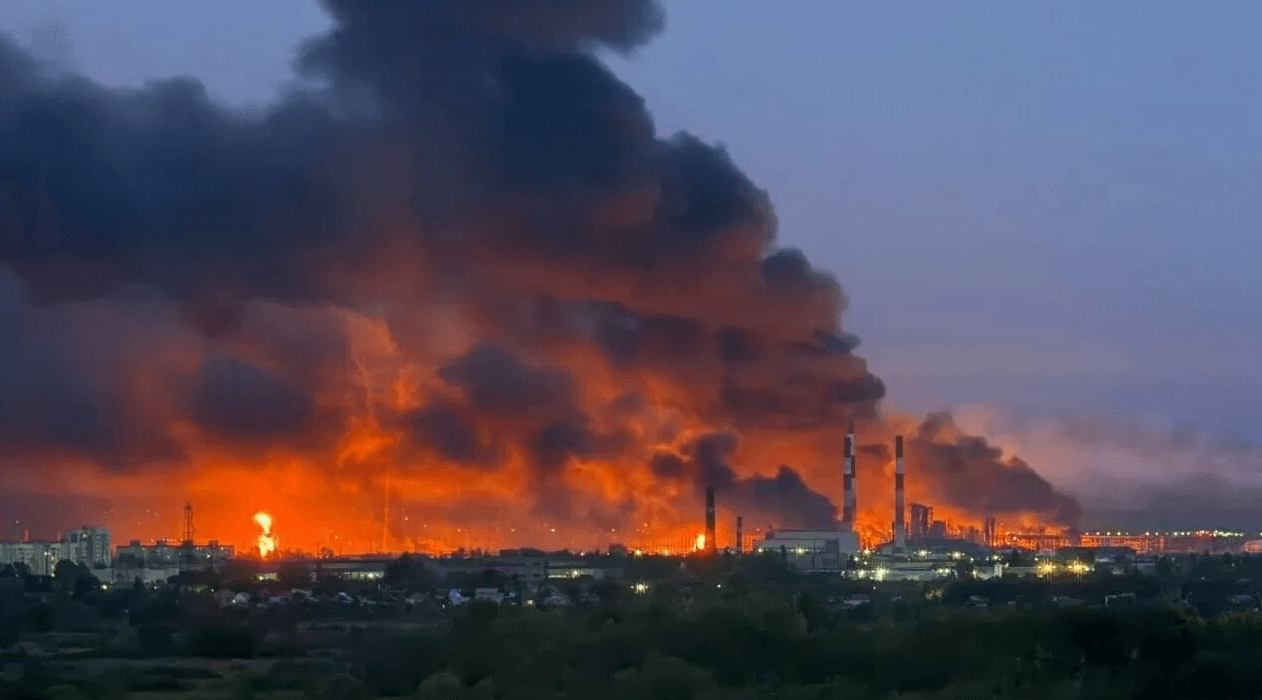
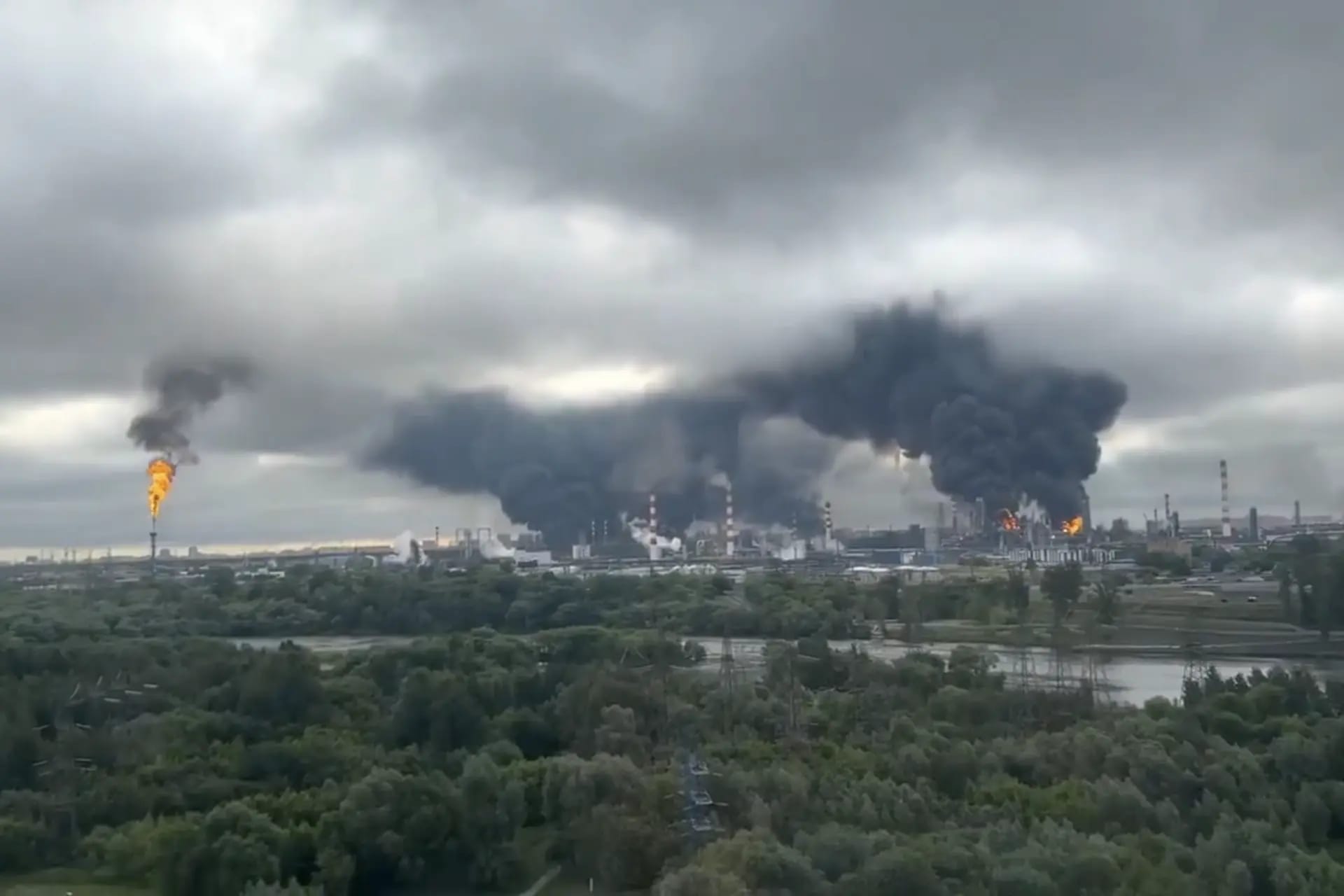
The shortages follow a wave of Ukrainian drone strikes on Russian refineries and fuel infrastructure, including repeated attacks on the Moscow Oil Refinery, which supplies much of the Moscow Region’s gasoline and jet fuel.
Reuters reported that Russia’s gasoline output fell by about 25% in early June due to refinery shutdowns. As a result, fuel shortages and rationing spread from occupied Crimea and Donetsk into Russian regions stretching to Siberia and the Far East.
The regional breakdown highlights the geographic spread of the shortages:
- Primorsky Krai: In Andreyevka and Slavyanka, the price of a liter of AI-92 gasoline has risen to 130 rubles ($1.75), while diesel has reached 150 rubles ($2), according to photos of price signs published by local media. Residents of Slavyanka say there is a nearby gas station selling gasoline for 71 rubles a liter, with no volume limits and permission to fill canisters, but there is always a line.
- Tuva: At G2 network stations, AI-92 has exceeded 100 rubles ($1.35) a liter. At other gas stations, staff often refuse to sell fuel, saying it has been reserved for emergency services. The local Industry and Energy Ministry reported the purchase of 100 metric tons of AI-92 from Khakassia, but said the shipment would be used only for life-support systems.
- Tula and Tyumen regions: Gasoline prices have also approached 100 rubles a liter.
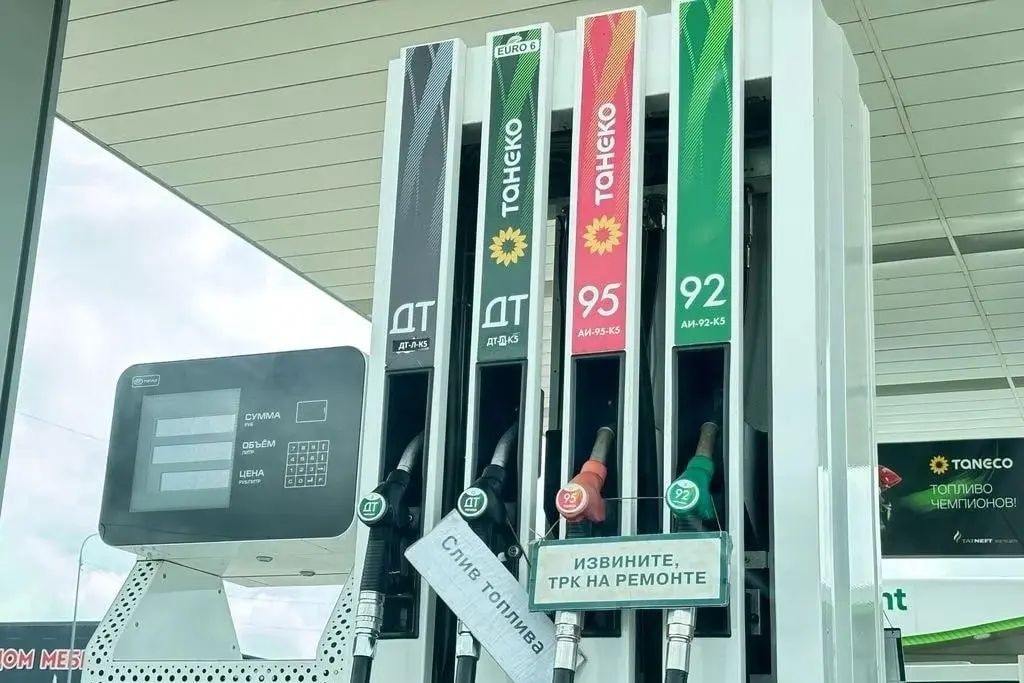
- Orenburg: Bashneft and Lukoil have limited sales to 100 liters per vehicle. At Tatneft stations, witnesses saw notices saying pumps were under repair or fuel was being unloaded. Natural gas vehicle fuel has risen to nearly 31 rubles ($0.42) a liter, up by more than 25%, according to a report by local outlet Orenburg Media.
- Chita: Some gas stations have limited sales to 60 or even 20 liters per vehicle.
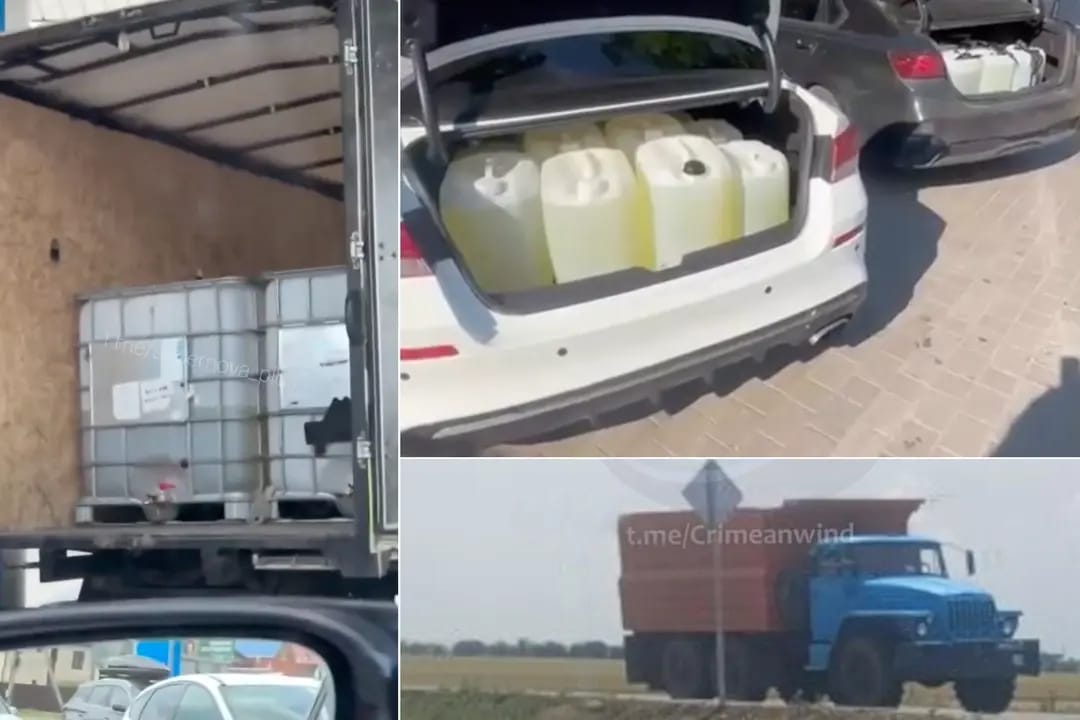
- Yakutia: Following the Krasnoyarsk Region and Irkutsk Region, local authorities have banned filling canisters.
- Kamchatka: A similar ban on selling fuel in canisters has been introduced. According to the Telegram channel Kamchatka Protiv (lit. “Kamchatka [Is] Against”), the peninsula’s main fuel supplier has raised prices repeatedly since the start of the year.
- Russian-occupied Crimea: Gasoline sales to private individuals, including fuel distributed with ration coupons, have been halted completely. In Saky, police detained a local man on suspicion of siphoning 20 liters of someone else’s fuel into his own canister. He faces charges of minor theft, according to the Russian Interior Ministry.
- Russian-occupied part of the Donetsk Region: The “Donetsk News Agency” said gasoline and vehicle gas were available Monday morning at 14 gas stations in areas controlled by the so-called “Donetsk People’s Republic.” AI-95 was available at seven stations starting at a price of120 rubles ($1.61). AI-92 was available at eight stations, starting from 105 rubles ($1.41). And diesel, available at only three stations, was selling for a record 180 rubles ($2.42).
Business costs are also rising amid the shortage. A carrier from the town of Leninogorsk, 200 miles southeast of Kazan, filed a complaint with Tatarstan’s Transport Ministry saying gasoline at 80 rubles ($1.07) a liter makes taxi work unprofitable at the fare rate established by online ride-hailing app Yandex.Taxi. The carrier demanded a review of the company’s pricing policy.
In Vladimir, the local mayor’s office told the outlet Chesnok that municipal carriers would not face issues, while waste collection companies complained of rising costs and said drivers are filling up as much as possible, knowing there may be no fuel the next day.
Ekho reported that officials have largely avoided discussing the role that Ukrainian strikes on Russian oil refining have played in creating the shortage. Instead, Denis Ryaguzov, head of the Novosibirsk Region’s Industry and Trade Ministry, linked the price increase to exchange-market conditions, saying that the regional government had appealed to the Federal Antimonopoly Service (FAS).
“Overall, in terms of reserves and gas station operations, there are no problems. Gas stations are operating steadily,” the official said.
The FAS said it is working with online marketplaces Avito, Ozon, and Wildberries to prevent speculative fuel resales. Avito has already hidden such listings from users.
The Insider previously reported that the fuel shortage triggered a rapid expansion of the shadow market in Crimea, where resellers are offering gasoline for up to 250 rubles a liter — three times the usual price. Kremlin spokesperson Dmitry Peskov has said only that the authorities are trying to improve fuel supplies to the peninsula and did not mention other regions facing issues with fuel supplies.