Russia has nearly completed construction of a major new base for launching jet-powered drones according to a report by Reuters. The facility, located near the town of Millerovo in the southwestern Rostov Region, was built in just six weeks.
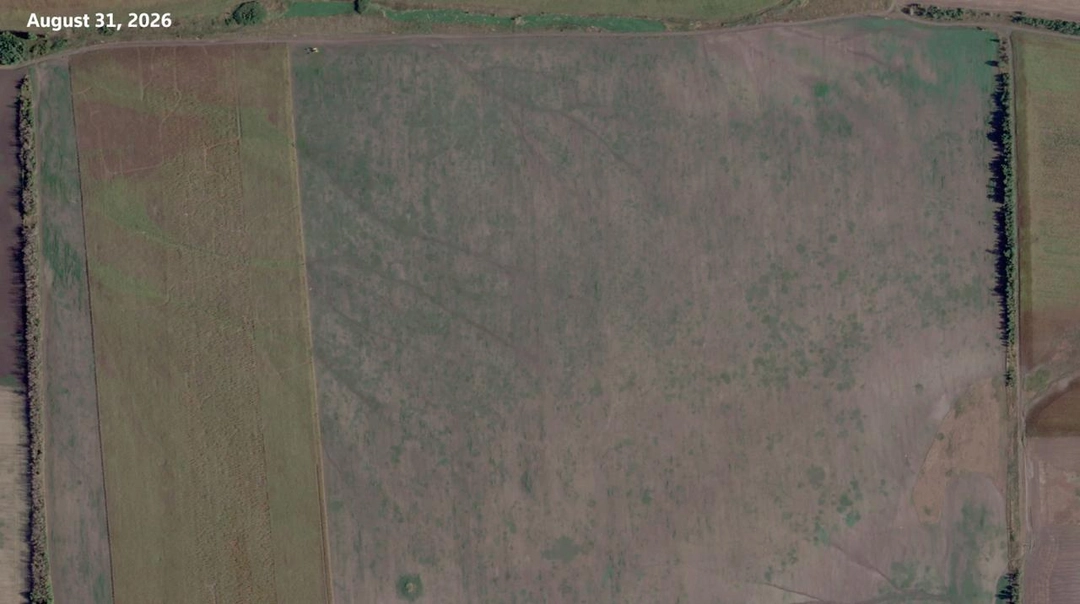
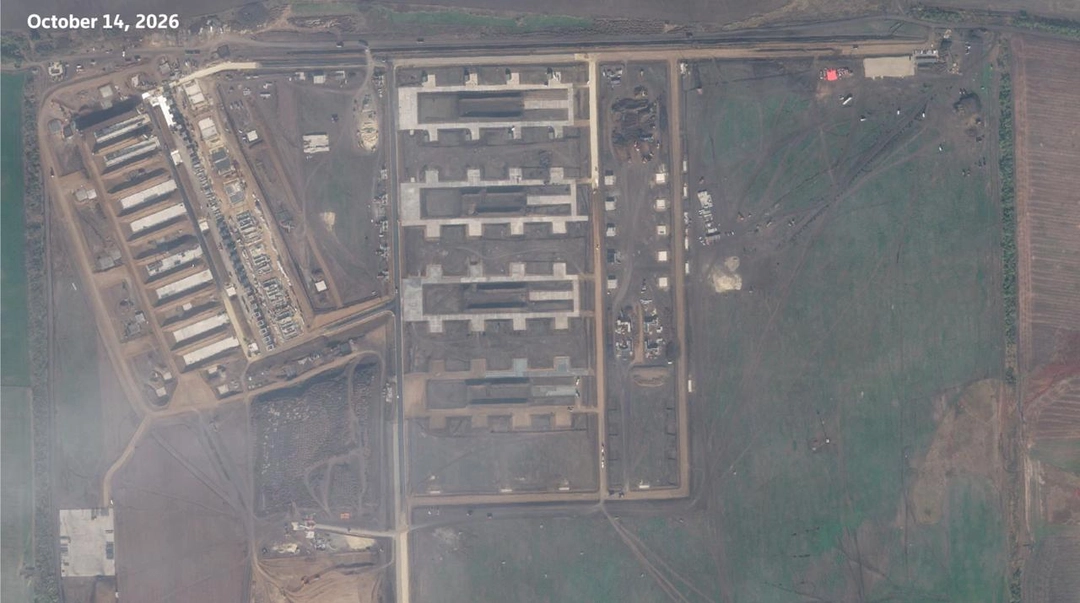
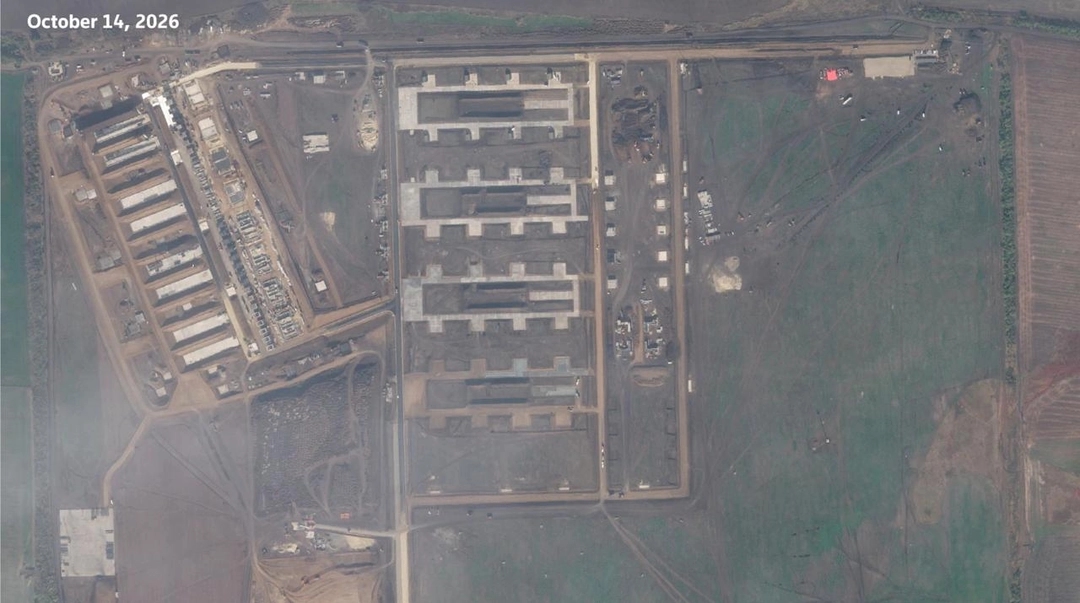
Ukrainian media outlets and Telegram channels had reported the new drone base two days earlier. On Oct. 13, the Ukrainian open source intelligence (OSINT) channel Absolutely Reliable said Russia had built the new Millerovo “droneport” in about a month for launching Geran-5 drones. By analyzing Planet Labs satellite imagery, the channel concluded that between Sept. 1 and Oct. 13, eight launch positions and 32 areas for preparing drones for takeoff were built in a field in the Turilovskoye rural settlement near Millerovo. Absolutely Reliable said an Oct. 12 satellite image appeared to show drones being unloaded.
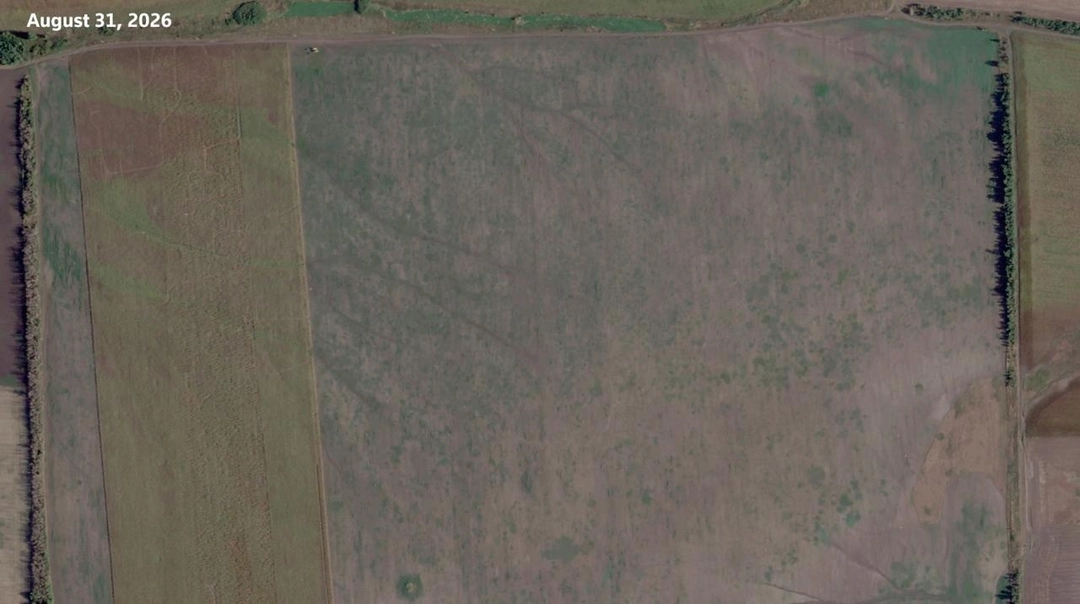
Reuters analyzed commercial satellite images provided by Planet Labs and Airbus and confirmed that as of mid-October a large complex had been built at a site that on Aug. 31 was still an empty field. The facility covers an area roughly equivalent to 126 soccer fields.
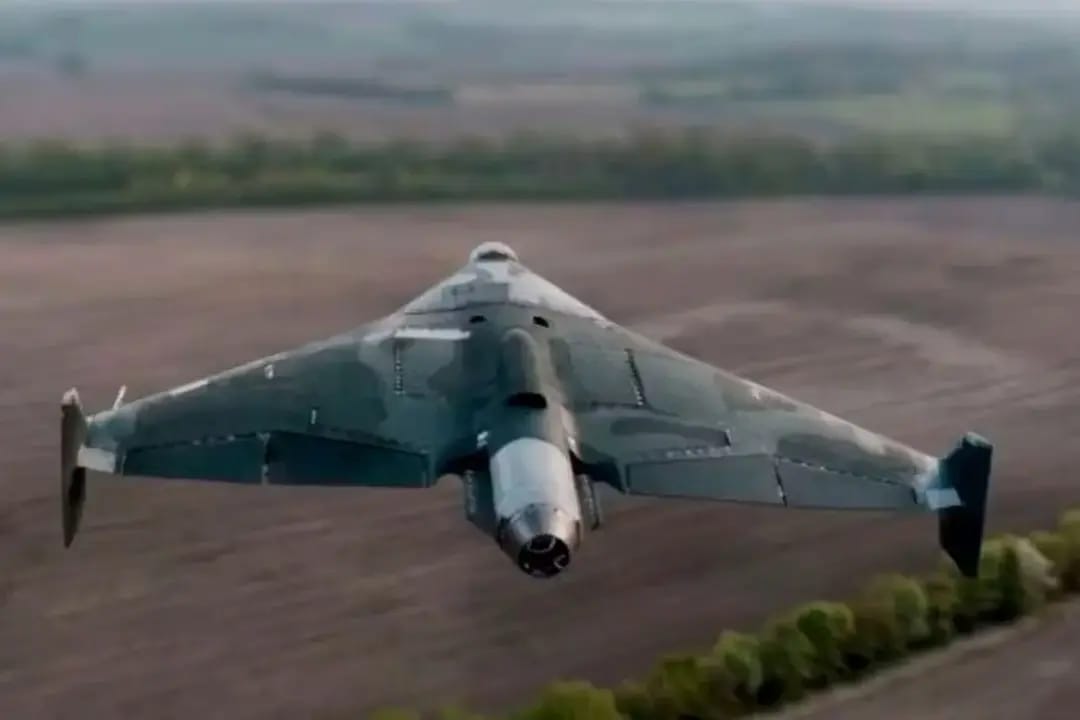
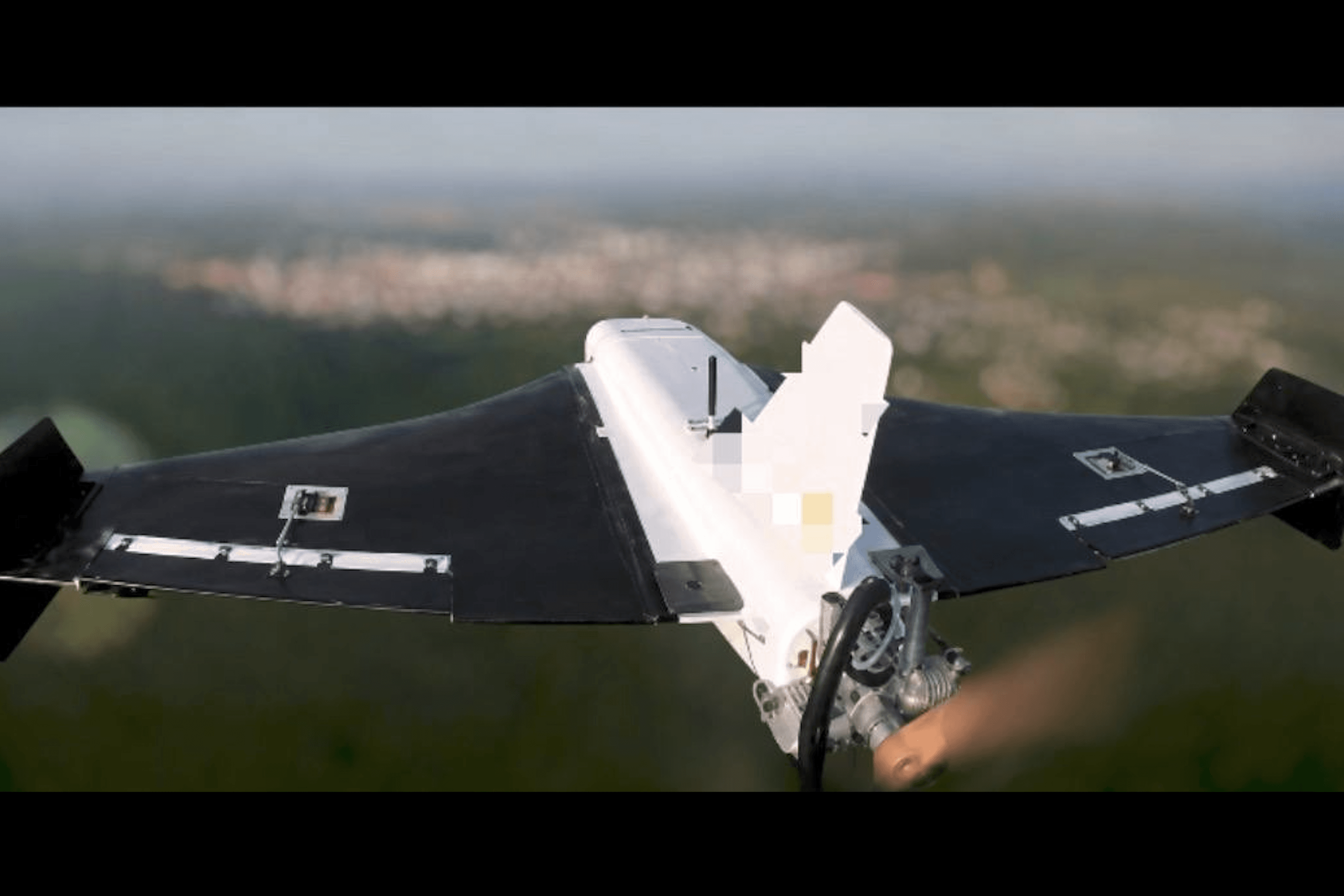
Mike Monnik, founder and CEO of private intelligence firm DroneSec, told Reuters that the site could be intended for Geran-4 and Geran-5 drones, Russia’s newest jet-powered attack UAVs.
Rob Jordan, a program director at the London-based Royal United Services Institute (RUSI) also said the concrete pads and two possible launch rails visible in the images were consistent with Geran launch infrastructure. As he explained, “this level of construction in this short a time is impressive,” suggesting that Russia was making a major investment in its ability to conduct deep strikes, “possibly to the detriment of its conventional land forces.”
Construction comes as Russia has stepped up attacks in recent weeks using jet-powered strike drones. The aircraft, which can reach speeds of up to 600 kph, have proven to be difficult for Ukrainian forces to defend against. Ukraine is developing its own interceptor drones and upgrading detection and electronic warfare systems, but it faces shortages of technology, ammunition and funding.