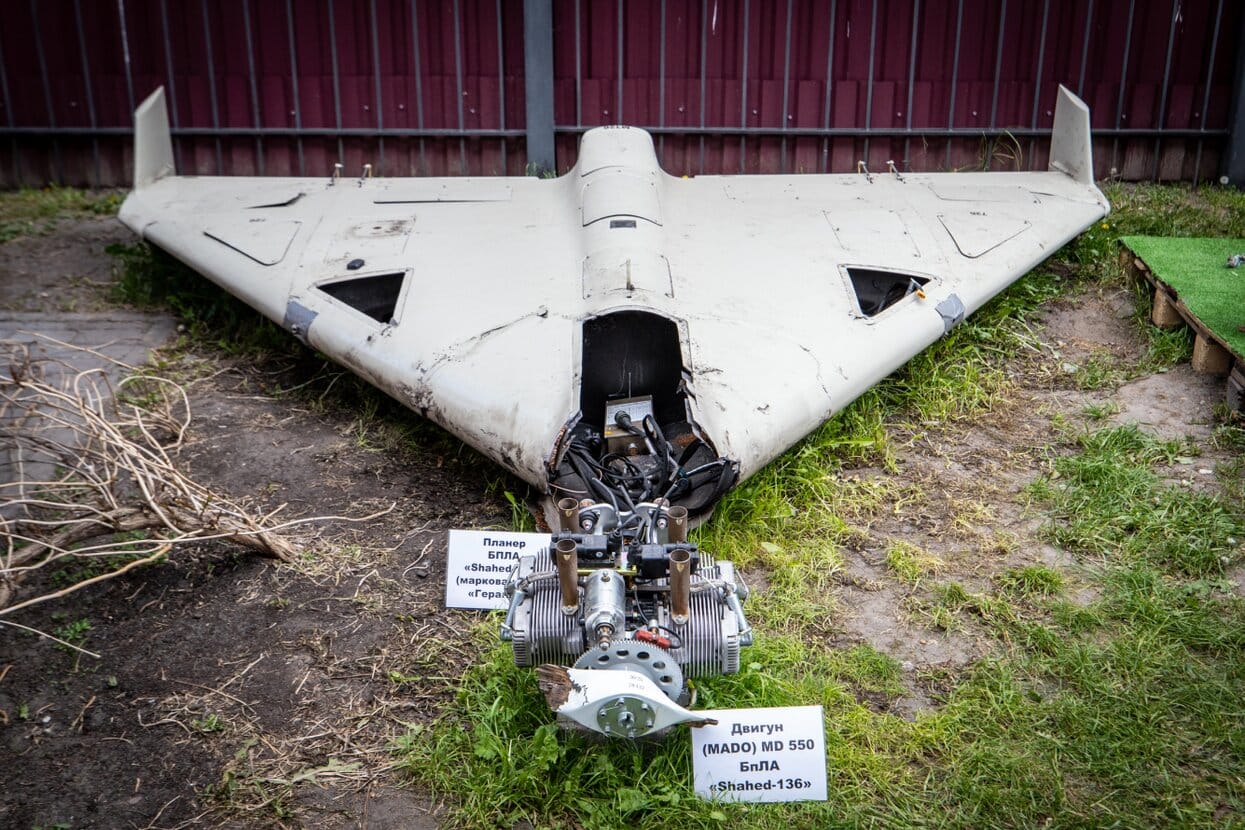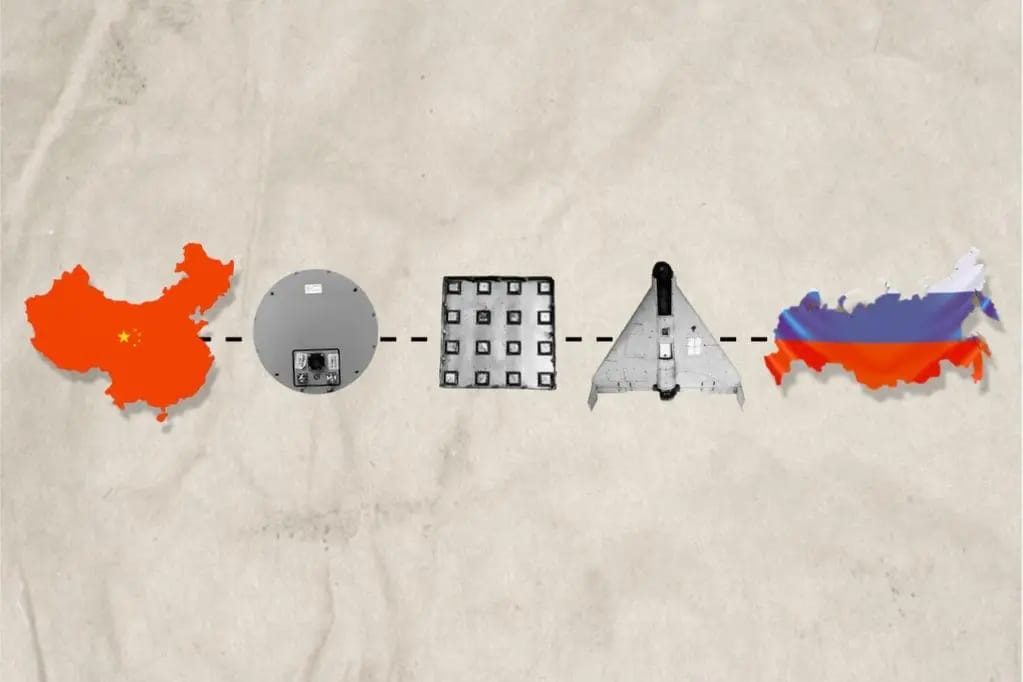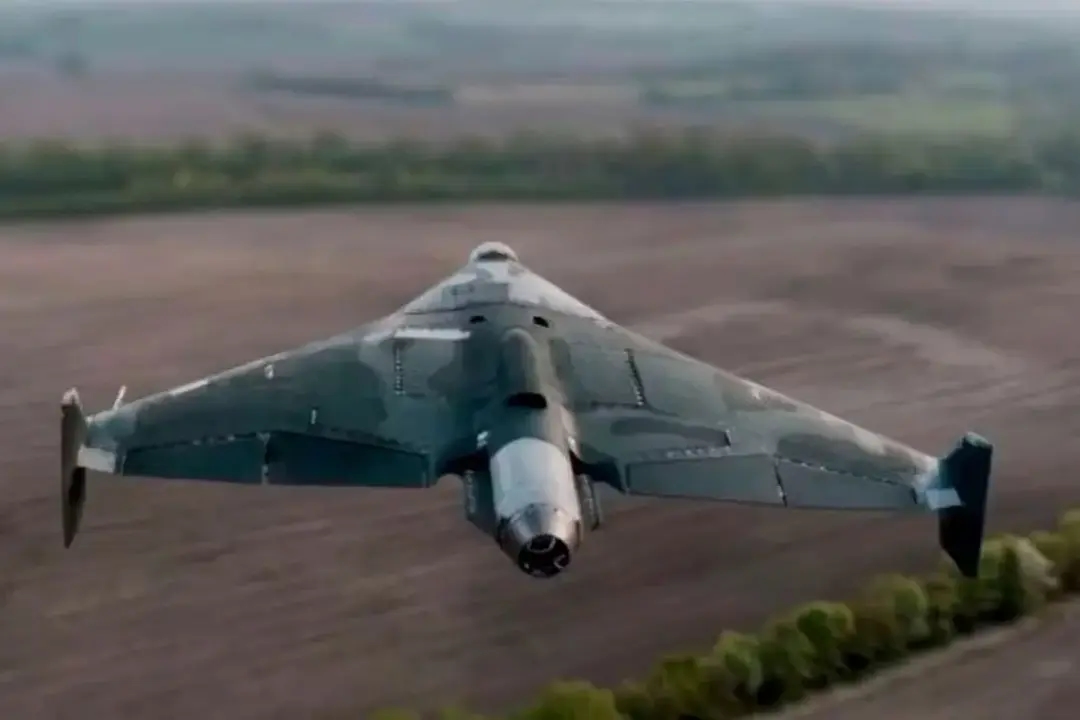
Photos and video of a 32-element CRPA antenna removed from a Geran-4 drone that crashed in Ukraine have recently been circulating on Telegram. Until now, Russian drones had been equipped with devices containing no more than 16 elements. The appearance of a 32-element antenna on a Russian UAV means it could now be significantly harder for Ukraine to counter Geran and Gerbera drones using current jamming techniques.
An analysis by The Insider found that the antenna closely resembles a design associated with the Chinese company Harxon and bears factory markings pointing to Alabuga, a special economic zone in Russia’s Republic of Tatarstan that has become a major production hub for Geran attack drones.
These specialized antennas are critical to the navigation of Geran and Gerbera drones when an adversary is jamming satellite signals. The more elements an antenna has, the more electronic-warfare systems it can potentially resist (while also making the device larger, more complex, and more expensive to manufacture).
On Sept. 30, Ukrainian electronic-warfare specialist Serhii “Flash” Beskrestnov published photos of the new 32-element antenna from a Geran drone, and other Telegram channels later posted additional images and videos of the device. Observers quickly noted that the devices appeared to have been mass-produced specifically for the Alabuga plant, as the “ALB” marking was engraved into the housing rather than printed on a sticker.
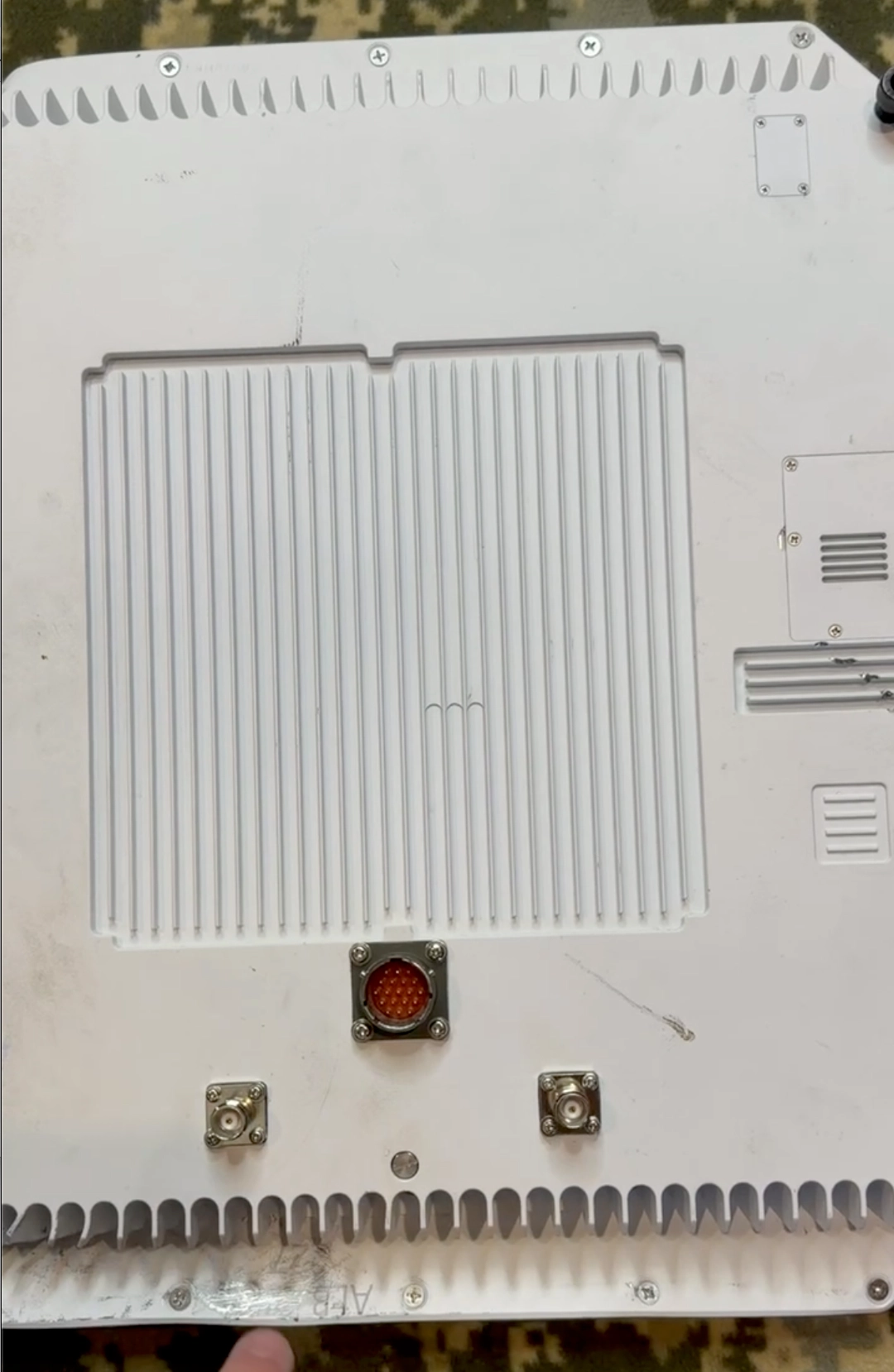
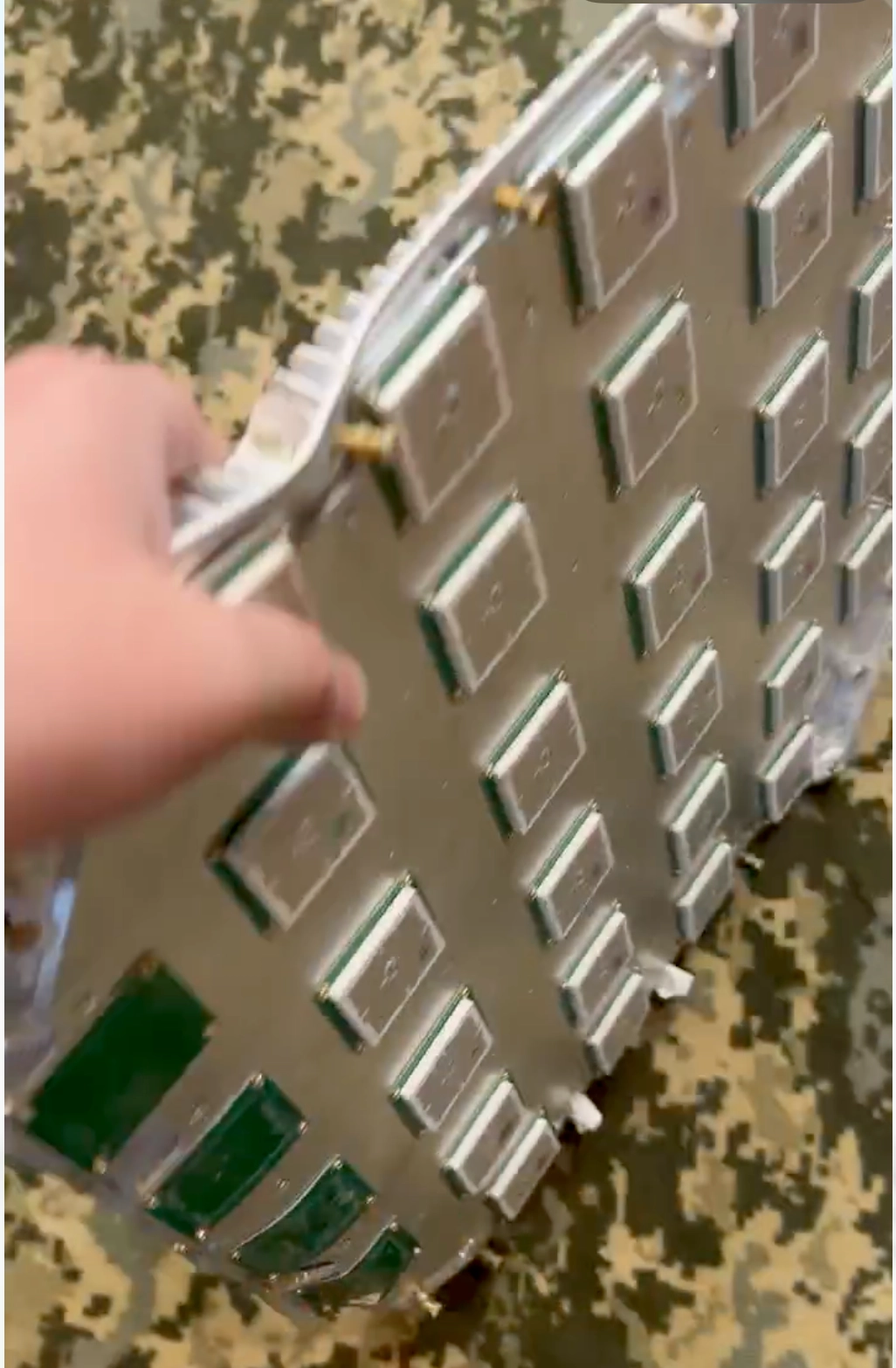
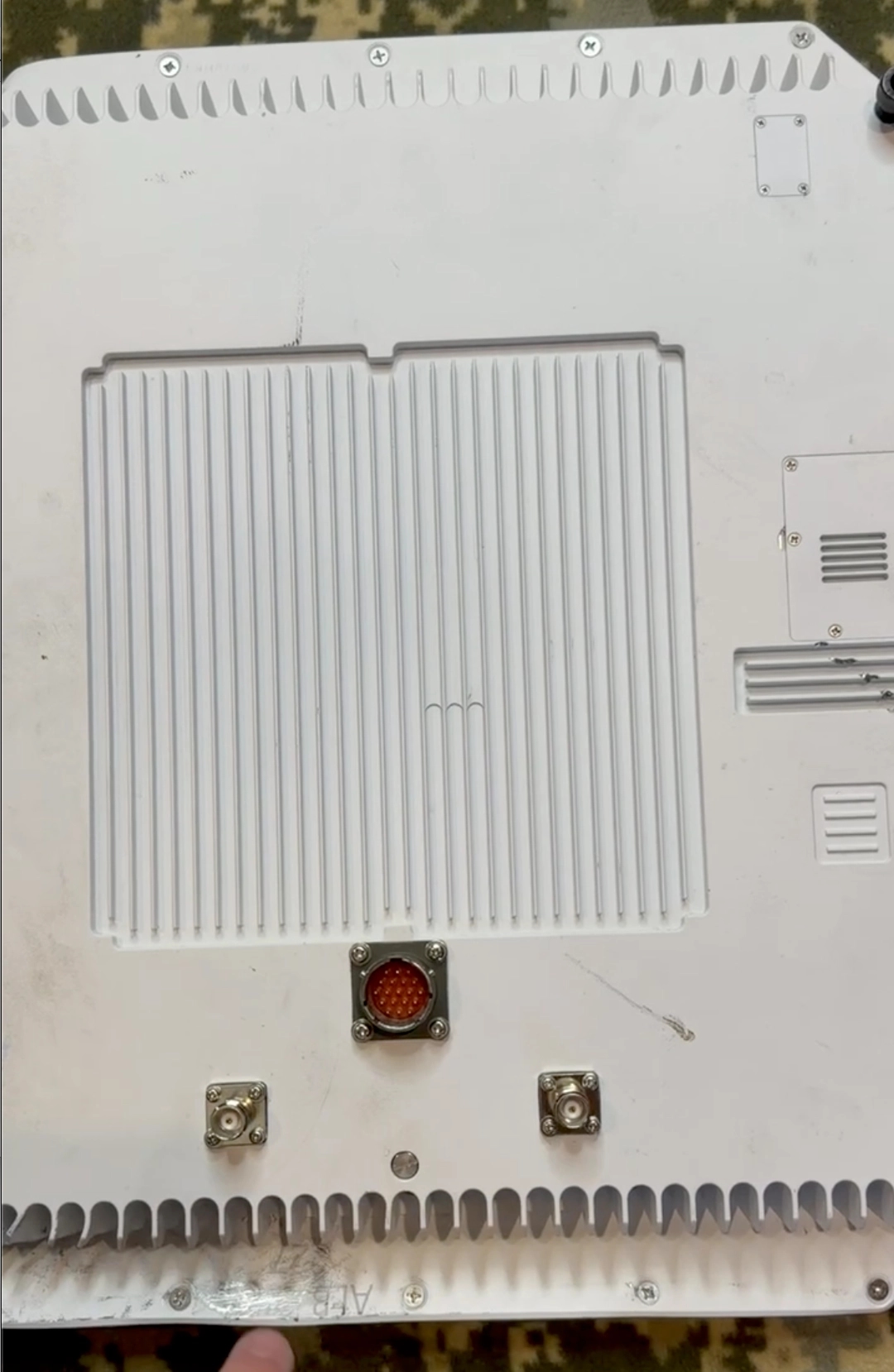
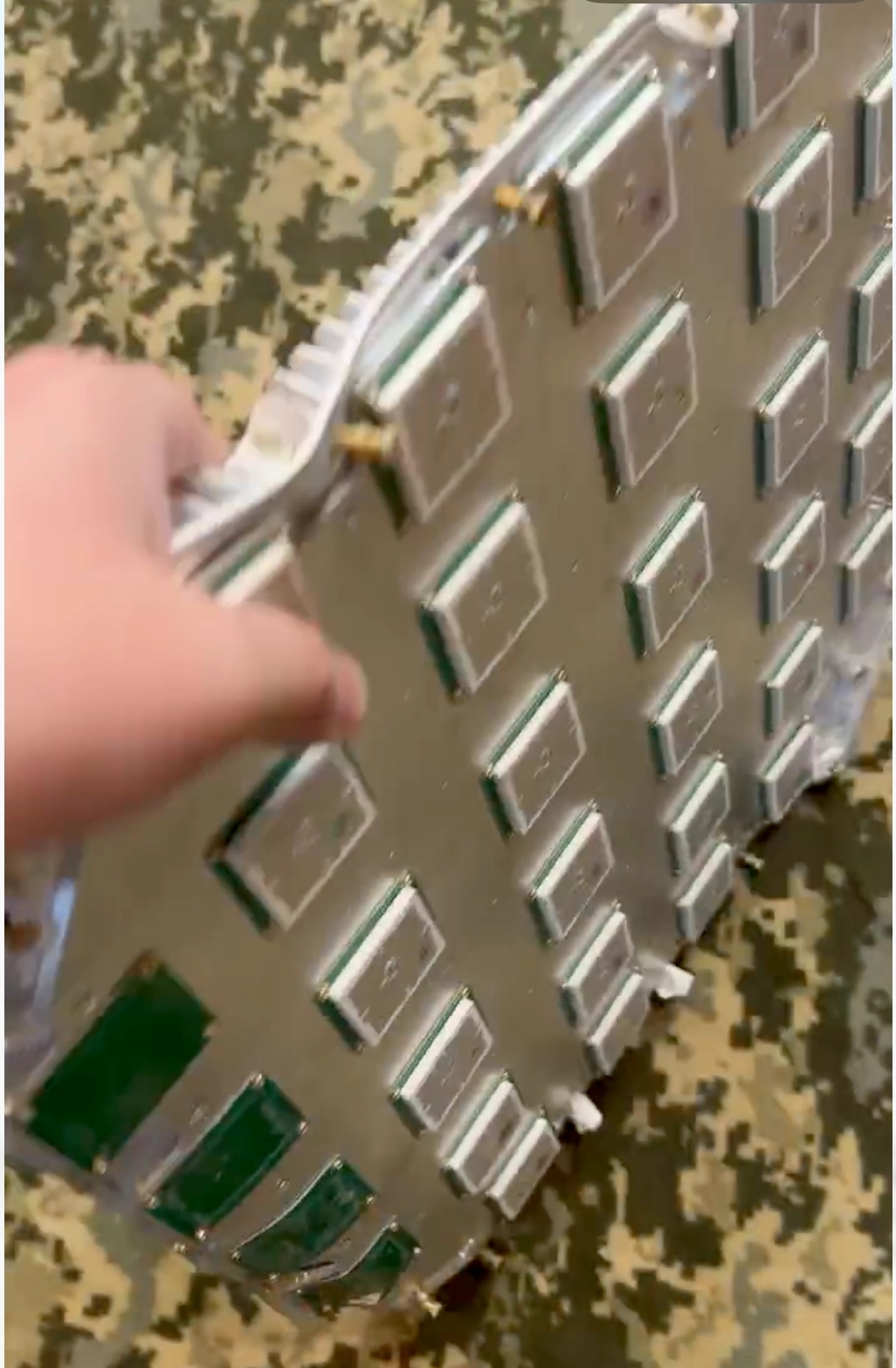
After analyzing images of the new 32-element antenna from the Geran-4, The Insider concluded that its external design closely resembles products made to Harxon specifications. One indication is the similar arrangement of the antenna’s output connectors. At the same time, the rough finish on the metal section of the housing and the serial number engraved directly into the casing — a feature also seen on some 16-element antennas — suggest that production may have been localized.
An analysis of other recent images of Geran electronics posted on the Ukrainian military-trophy marketplace reibert.info indicates that components marked “ALB” are undergoing a similar evolution. An increasing number of drone-control components carry Russian-language stickers, which may indicate that they are being assembled in Alabuga (at least at the level of so-called screwdriver assembly) using Chinese-made printed circuit boards.
Based on expert assessments and analysis of images of various components recovered from Russian drones, the development model for Geran and Gerbera systems may work as follows:
- small trial batches of finished electronics are first purchased through popular online marketplaces
- manufacturers are then selected based on how well their equipment performs under operational conditions, including electronic jamming
- the electronics are subsequently ordered in large quantities directly from the factory
- and finally, the design may be licensed either for assembly in Russia from prefabricated components or for full domestic production.
Last year, The Insider found that the Chinese company Harxon had become the main supplier of multi-element satellite-navigation antennas to Alabuga. This year, The Insider published an invoice sent from Harxon to a volunteer with the Nordsint project who had posed as a procurement officer for Russia’s military-industrial complex. The invoice covered seven-, eight-, and 16-element antennas, and also made it possible to interpret customs records from the previous year more accurately, as official customs data had listed questionable per-unit prices.
The Insider also identified two Harxon employees working with Russian customers — Masha Wu and Anthony Zheng — and in correspondence, they replied that the company was developing a 32-element antenna. After that investigation, antenna manufacturer Harxon was sanctioned, prompting protests from Chinese officials. The company also circulated a notice about the Harxon employee identified in the investigation, saying he had acted “in a private capacity” and did not work for the company; The Insider published data refuting those claims.