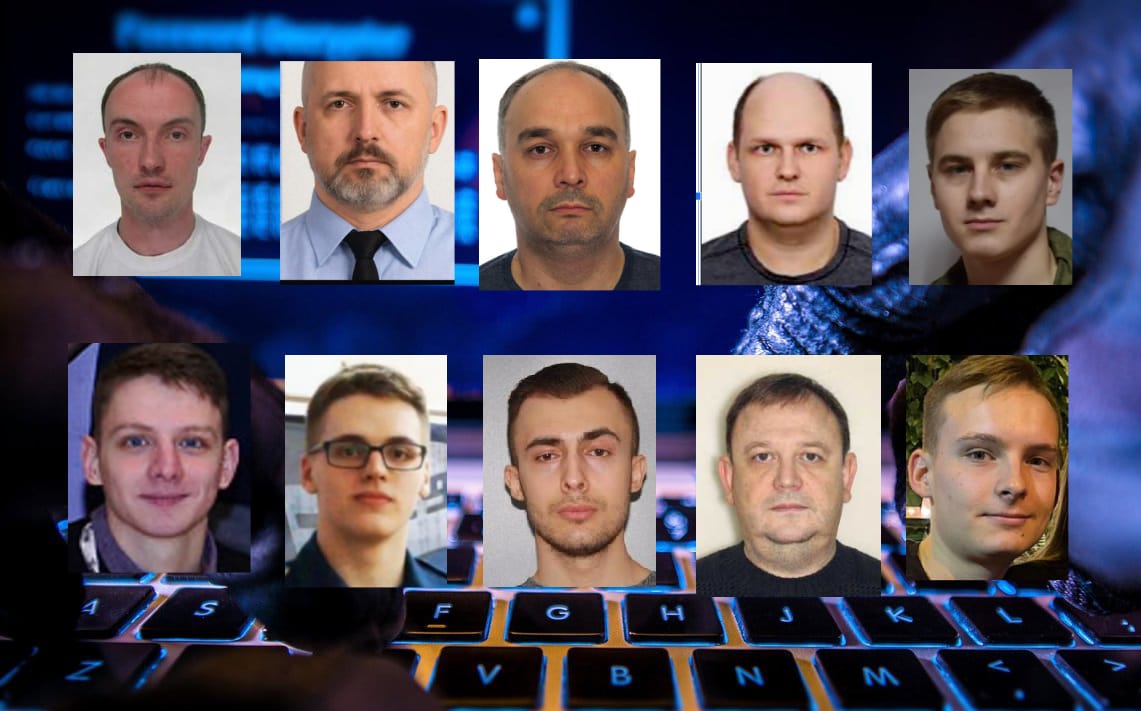
A Russia-linked hacking group used Claude as part of a large-scale espionage campaign targeting Ukrainian government agencies and military drone manufacturers, as well as various organizations in Europe, according to a new report by its creator, Anthropic, titled “Detecting and countering misuse of AI.”
The company said its identification of the group is consistent with public reporting on Midnight Blizzard, a hacking operation that the U.S. and the UK have linked to Russia’s Foreign Intelligence Service (SVR). According to Anthropic, the group targeted more than 20 organizations, including government ministries, intelligence and defense agencies, embassies, think tanks, and defense industry companies. Most of the targets were in Ukraine and Europe.
The hackers automated a significant share of their operations using AI agents built on Claude. The agents were used for reconnaissance, phishing, gaining access to systems, and stealing data. The hackers also scanned email services and remote access systems used by more than two dozen Ukrainian government organizations.
One of their main targets was Ukraine’s drone industry. The hackers extracted the contents of email accounts belonging to at least two manufacturers of drone components, attacked a military drone producer, and stole a software development kit (SDK) for a drone computer-vision system.
They then spent several days studying the system, reconstructing the product’s architecture, identifying its components and supplier dependencies, and obtaining information about a product that had not yet been publicly unveiled. Anthropic said the hackers showed particular interest in firmware related to military drone control and machine vision — technology that allows drones to interpret visual information from cameras and other sensors.
AI agents were used at nearly every stage of the attacks. They gathered information on potential targets, helped build and maintain phishing infrastructure, executed commands inside victims’ systems, stole credentials, and processed hundreds of gigabytes of stolen data.
Some tasks were performed autonomously. For example, the agents monitored whether security tools were detecting the group’s malware. If the software began to be recognized, the agents modified and rebuilt it on their own, repeating the cycle after new detections.
Anthropic said one of the group’s operators speaks Russian and uses the handle JackPoterz. The company said the operator’s methods and choice of targets were characteristic of Russian state-backed cyberespionage campaigns.
The hackers also breached at least three providers of hotel Wi-Fi networks. After obtaining administrative access, they redirected hotel guests’ internet traffic through servers under their control and attempted to infect Windows, Android, and iOS devices. They were particularly interested in people connected to Ukraine, including government officials and employees of drone manufacturers.
Anthropic noted that Microsoft described the same technique in July under the name CaptiveCrunch. According to an August report by Microsoft Threat Intelligence, hackers linked to Midnight Blizzard intercepted hotel Wi-Fi traffic around the world and installed malware on victims’ devices by disguising it as browser or operating system updates. Microsoft said at the time that artificial intelligence had helped conduct a significant portion of the group’s operations.
Anthropic’s new report provides additional details about the operation — for example, the fact that the hackers hijacked WhatsApp accounts and covertly extracted Russian- and Ukrainian-language conversations, targeting at least two former senior Ukrainian officials using that method. The group also identified vulnerabilities in video surveillance services that allowed it to access live camera feeds.
Another target was a government technology organization in a North African country. Anthropic said the hackers gained control of its central account server and stole a database containing more than 300,000 national identity records, as well as registry data on more than 500,000 companies.
Anthropic said it blocked accounts linked to the group and shared information about the operation with state authorities and industry partners.