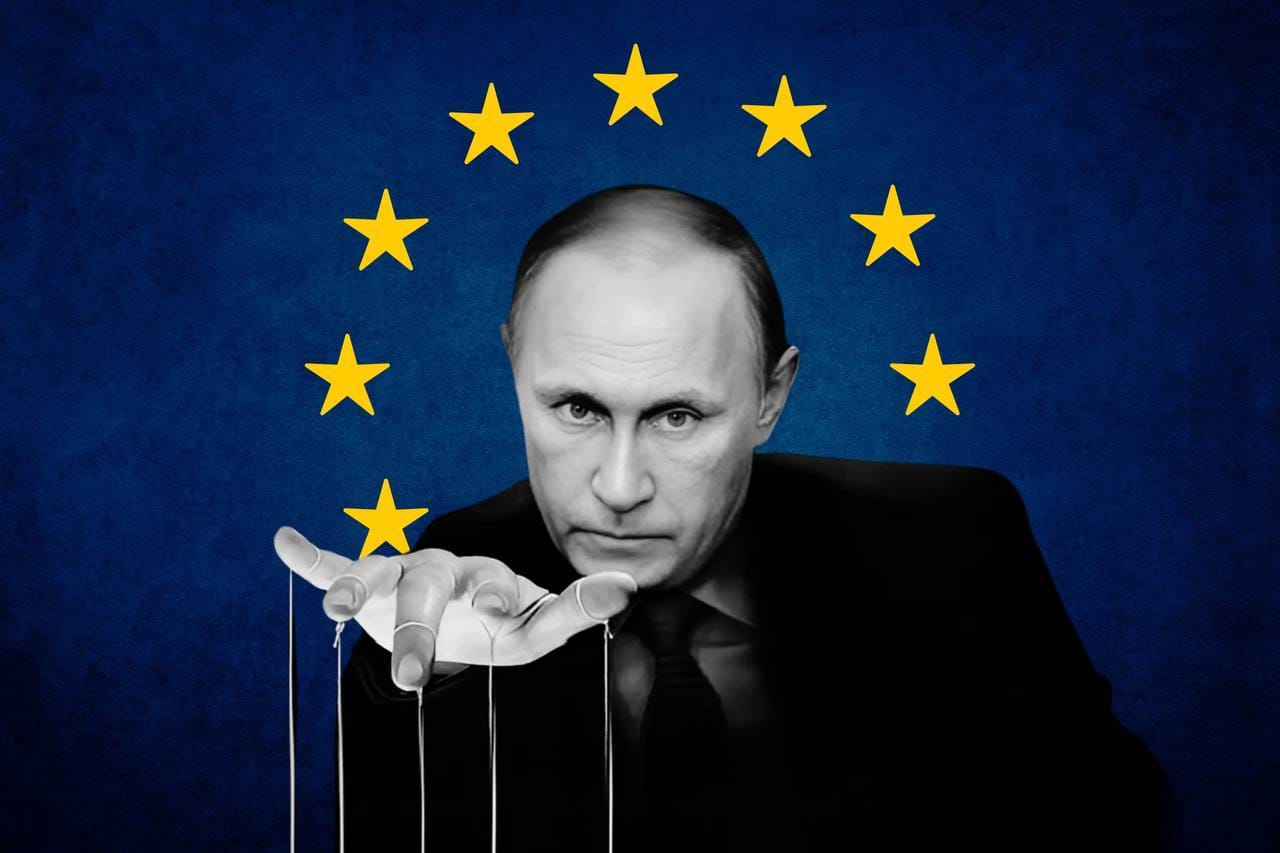
In August 2025, Putin abolished the Directorate for Interregional and Cultural Relations with Foreign Countries, which had been responsible for promoting “soft power” (and for spying, of course) and replaced it with the Presidential Directorate for Strategic Partnership and Cooperation. As The Insider has found, the structure and functions of the new directorate differ little from the old one, and some employees closely linked to intelligence services have remained in their posts despite the nominal transition. As its first target, the overhauled directorate chose Kyrgyzstan, where it enlisted fugitive Moldovan oligarch Ilan Shor to finance its projects.
The Insider has detailed how, under the guise of friendship with foreign countries, the Kremlin’s now-abolished Directorate for Interregional and Cultural Relations with Foreign Countries was engaged in espionage, asset recruitment, election interference, and the collection of compromising material on foreign politicians, military officers, and journalists. Up until September 2025, it was headed by Dmitry Kozak, who was replaced by First Deputy Chief of Staff of the Presidential Administration Sergey Kiriyenko — the mastermind behind the revamped department. According to sources in the Presidential Executive Office, in order to fulfill his mission Kiriyenko intended to rely on civilian officials who had not been implicated in previous espionage scandals.
“Pancake” from the news digest and the Moldovan oligarch’s TV channel in Kyrgyzstan
As before, the main purpose of the new directorate has been to promote so-called “soft power” overseas, as well as to “collect, consolidate, and analyze information on the development and implementation of international projects and programs.”
As The Insider found, most of the desks from the old directorate that had previously focused on Central Europe, the South Caucasus, and Central Asia were incorporated into the new agency unchanged. In addition, the Moldova and Baltics desks were expanded, and an African desk was added.
The organization was also reinforced with personnel from the Directorate for Cross-Border Cooperation, which was similarly scrapped in August of last year. Given the prevalence of past espionage scandals involving Russian personnel abroad, the Kremlin was looking to appoint a directorate head who was formally unconnected to intelligence services.
Given the previous espionage scandals, the authorities sought someone to head the directorate who was formally unconnected to intelligence services
Initially, Rossotrudnichestvo Deputy Head Igor Chaika was vetted to fill this post. Rossotrudnichestvo’s task is to maintain relations with former Soviet republics, meaning that Chaika, the younger son of the former prosecutor general, already had significant professional experience connected with Russian activities in Moldova, Belarus, and the Baltics. However, the decree on his appointment “stalled” in the presidential chancellery.
“Apparently, the higher-ups decided that Mr. Chaika is, after all, more of a businessman and would focus on promoting his own ventures abroad. On top of that, he is under sanctions and seriously messed up in Moldova when funding the local opposition. He was already preparing to move to the Presidential Executive Office,” a Rossotrudnichestvo source told The Insider.
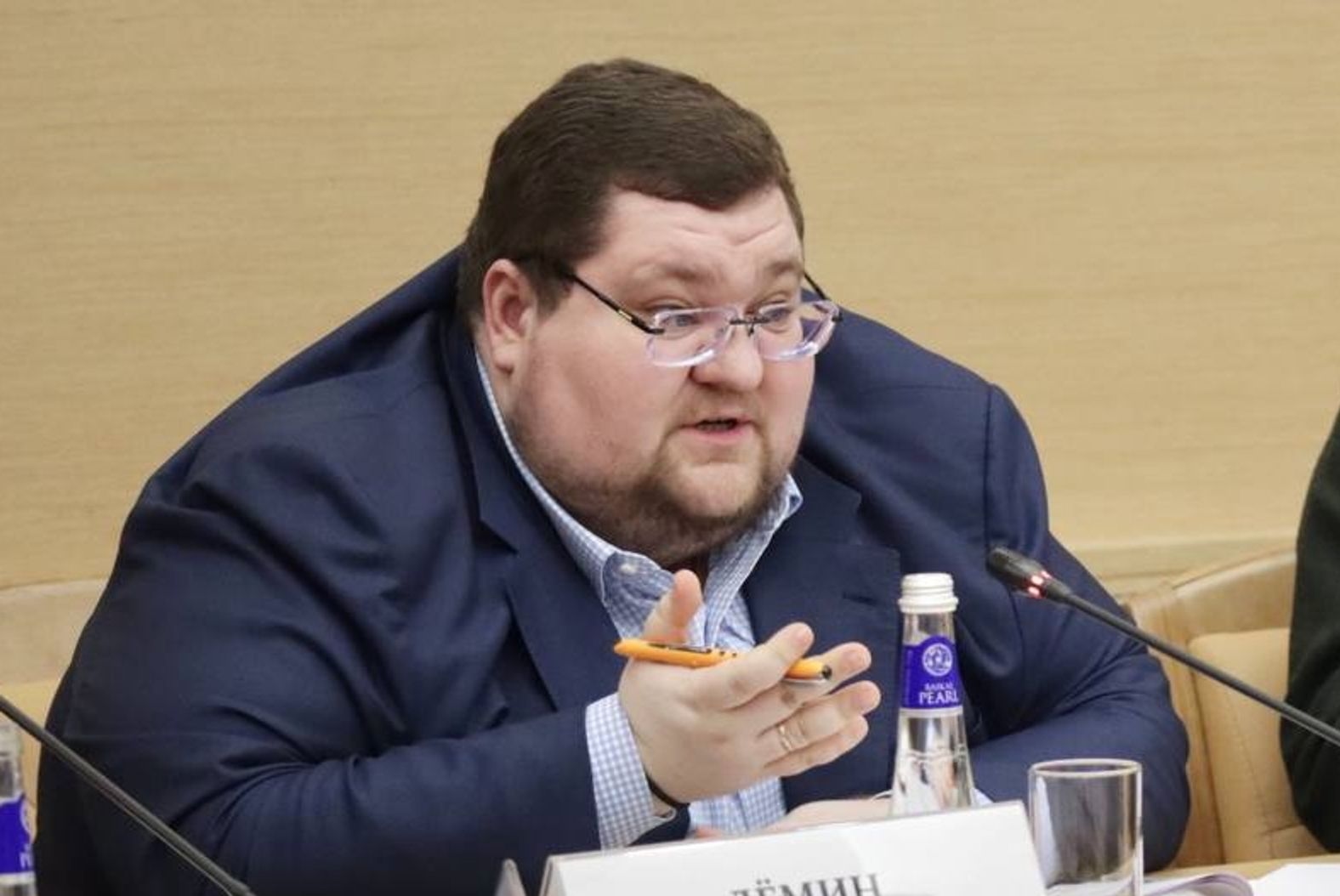
Then, on Oct. 27, Kiriyenko presented Putin with a potential candidate to head the new cultural ties directorate: Kiriyenko’s longtime subordinate from Rosatom, Vadim Titov. A politically incorrect joke making light of the respective physical appearances of Titov and Chaika speculated that a spin-off of the “Fat Men Show” had opened at the offices of the Russian Presidential Executive Office.
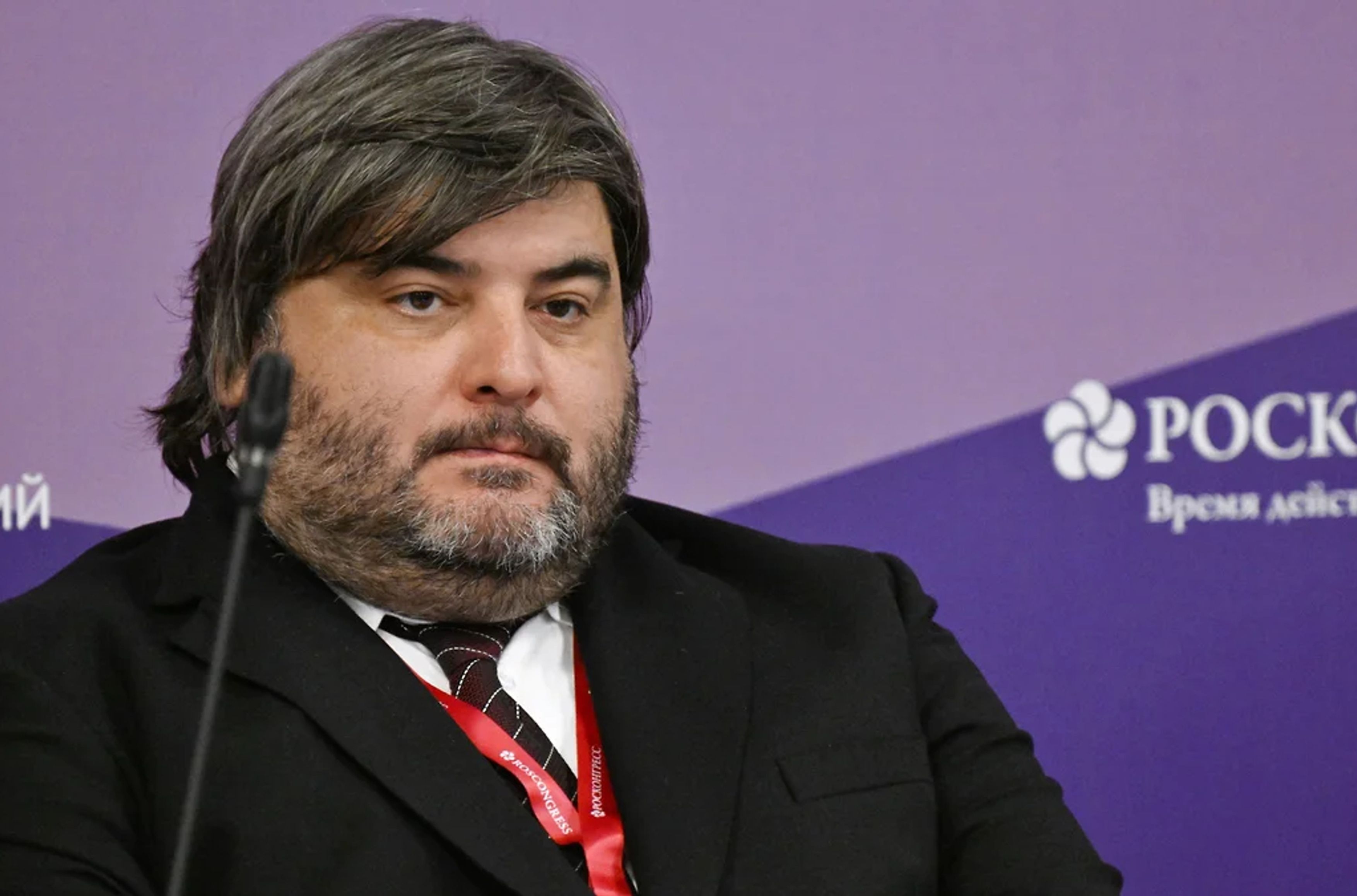
It was not the first time. In 2004, Titov hosted the prime-time talk show Vremechko on the Irkutsk channel Gorod. He was highly critical of local officials and gained considerable popularity as a result. Due to his corpulence, the people of Irkutsk affectionately nicknamed the journalist “Pancake.”
In 2009, the TV host’s talents attracted the attention of Moscow, and he was invited to join the press service of Rosatom. In 2015, he moved into the position of CEO of Rosatom — International Network. As is evident from his flight records, Titov was rarely at home, constantly traveling between Europe and Southeast Asia, where Rosatom has joint projects.
In November 2025, already in his new post as head of the cultural ties directorate, Titov made his first official visit to Kyrgyzstan, a country whose banks and cryptocurrency services have been helping Russia circumvent international sanctions connected with the Kremlin’s invasion of Ukraine. In Bishkek, Titov attended the opening of the Eurasian Center for Russian Language and Culture. The center’s board of trustees includes former “Miss Moldova” and United Russia MP Alena Arshinova, and the organization is sponsored by fugitive Moldovan oligarch Ilan Shor. In 2024, Shor’s pro-Kremlin “Eurasia” organization came under U.S. and EU sanctions over its election interference efforts in his home country.
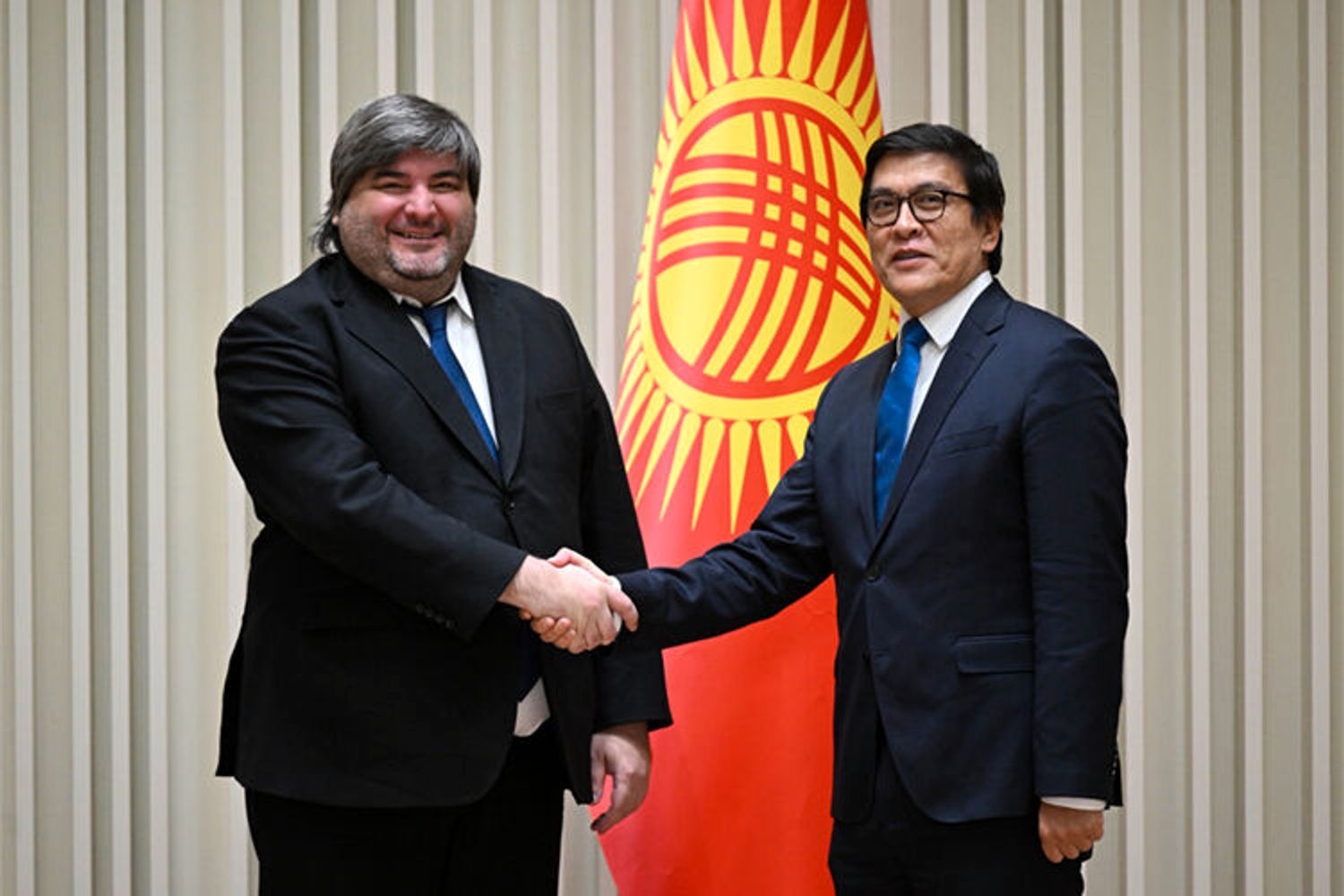
In Kyrgyzstan, Titov also contributed to the launch of Nomad TV, a channel that rebroadcasts content from Russia’s NTV. Nomad’s appointed chief editor is former presidential pool reporter Natalia Krolevich, who previously worked at St. Petersburg’s 5 Kanal and also interned at Russia Today. Incidentally, most of Nomad TV’s journalists participated in free training sessions at Shor’s Eurasia center.
Russian Foreign Ministry spokesperson Maria Zakharova, who accompanied Titov to Bishkek, openly stated that the new network must broadcast the “correct angle” as part of a purported effort to “counter attempts to distort historical truth.”
“Lenin” from a pro-Kremlin newspaper
In Bishkek, the head of the directorate was accompanied by his deputy, Anton Rybakov, who had manned the Asia desk in the old directorate. Rybakov graduated from the journalism faculty of Moscow State University in 2004, then joined the investigative department of pro-government newspaper Moskovsky Komsomolets while also freelancing for Ofitsery magazine.
Rybakov did not become an investigative journalist. However, his résumé on Rjb.ru, obtained by The Insider, caught the attention of officials at the Presidential Executive Office. The document highlights Rybakov’s qualifications: “High proficiency in English, engaged in translating American publications. Willing to travel. Holds an international journalist card, skilled at getting interviewees to talk.”
Rybakov successfully passed the FSB vetting process and, in 2017, was hired as a desk officer working under FSB Colonel Valery Maksimov, who had been seconded to the Presidential Executive Office. Ex-KGB officer Maksimov headed the office’s planning department and oversaw elections in Georgia, Abkhazia, South Ossetia, Armenia, and Kyrgyzstan. He was also seen at joint gatherings with foreign pro-Kremlin activists.
In 2020, after the Moscow-funded Alliance of Patriots of Georgia received only 3.14% of the vote in the country’s parliamentary elections, Kozak dismissed Maksimov, who moved on to the bank Uralsib. However, following Kozak’s departure this past fall, sources in the Presidential Executive Office say Kiriyenko may invite Maksimov to join the new directorate.

Over time, desk officer Rybakov developed his own connections across the post-Soviet space, becoming a key employee in the directorate despite his mentor’s departure. “Anton Lvovich became an important figure and personally attended briefings for Kozak on the situation in Central Asia. Of course, this was all thanks to his friendship with Colonel Maksimov. He grew a mustache and a small beard and started to look like a young Lenin. That’s what we called him among ourselves,” a source at the Presidential Executive Office told the editorial team.
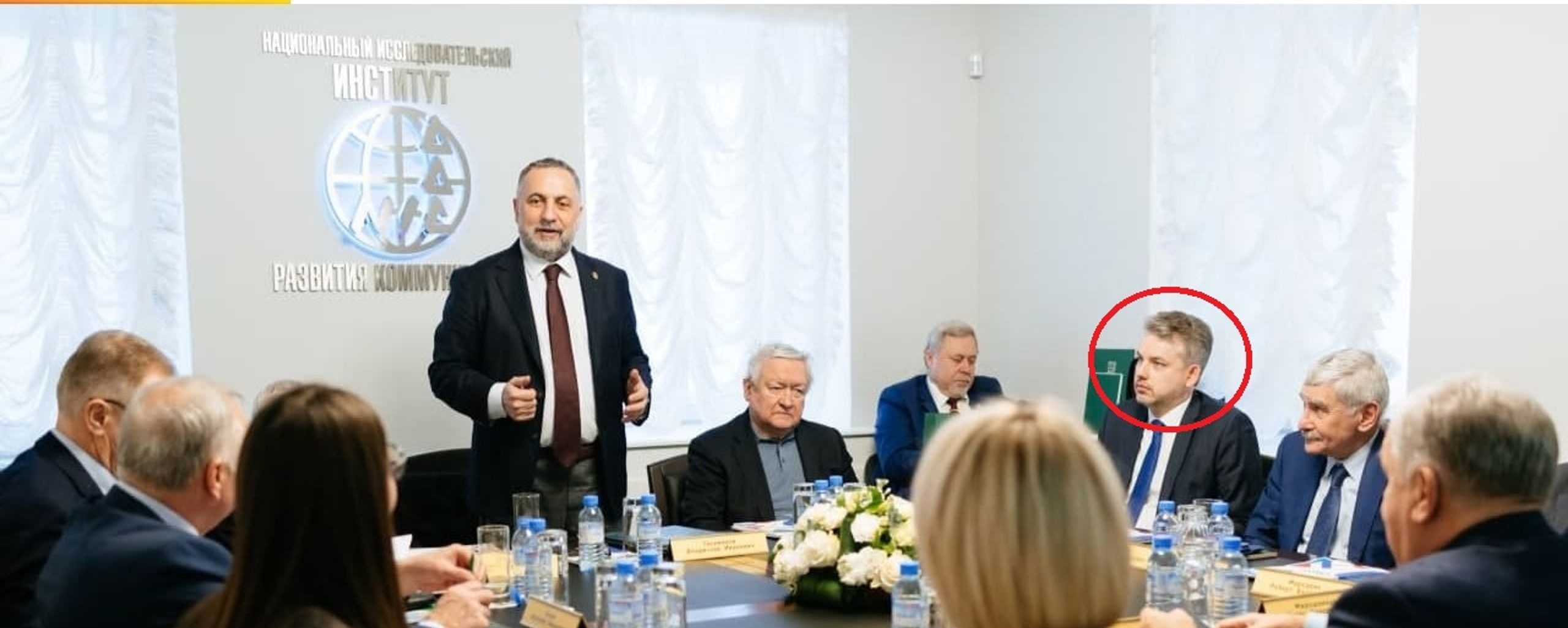
Rybakov works closely with the National Research Institute for Communication Development (NIIRK), whose supervisory board includes former senior officials from the Foreign Intelligence Service (SVR), the FSB’s 5th Service, and the FSB Counterintelligence Operations Directorate. NIIRK is headed by SVR career reserve officer Vladislav Gasumyanov, who previously conducted espionage in Europe and managed to cultivate a friendship with Italian Prime Minister Silvio Berlusconi.
Hacker, “environmentalist,” propagandist, spy
In late December, a closed seminar was held in Moscow for directorate staff to address the objectives and methods of applying “soft power” in the post-Soviet space and Africa. As usual, instructors warned of the “resurgence of neo-Nazism” in Ukraine and the Baltic states, the rise of a “totalitarian dictatorship” in Moldova, and the reality that Armenia was drifting toward the West. Kyrgyzstan, however, was cited as a successful case of Kremlin influence operations, with the local leadership carefully heeding Moscow’s advice and Russian companies keeping nearly half the country’s economy under their control.
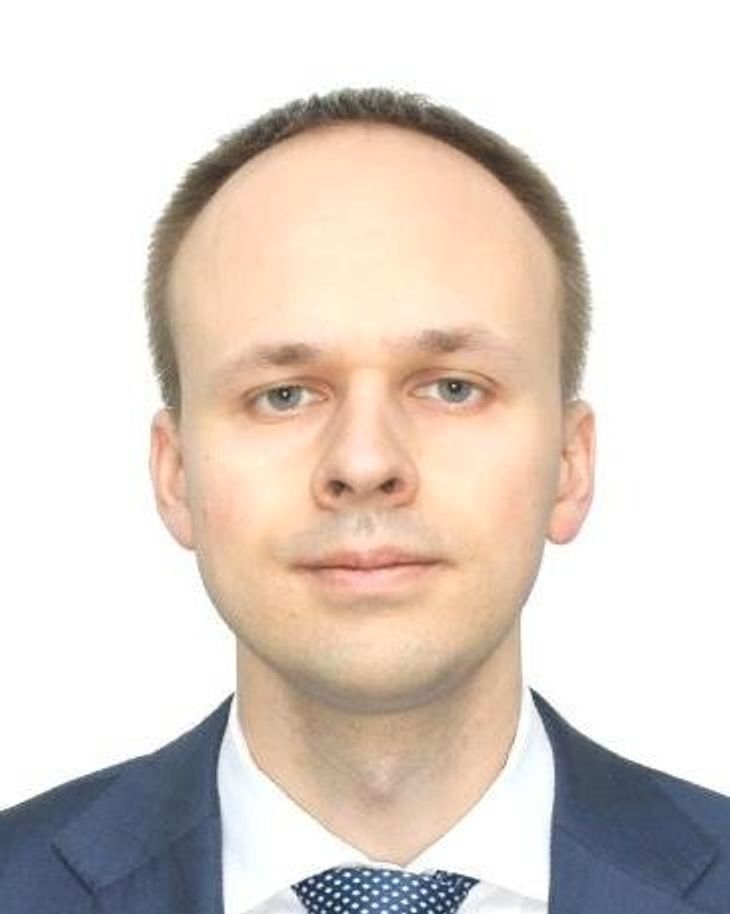
Among the attendees at the seminar was FSB Lieutenant Colonel Alexei Kleshchev, who was transferred to the strategic partnership directorate from the Presidential Directorate for Public Projects, where he oversaw Africa. Kleshchev began his service at the FSB’s highly classified 16th Center (military unit 71330), which handles the interception, decryption, and processing of electronic communications. Finnish journalists have determined that the center comprises ten departments and employs 566 personnel.
Notably, three of Kleshchev’s colleagues from the FSB’s 16th Center — Pavel Akulov, Mikhail Gavrilov, and Marat Tyukov — are wanted by the FBI and will face up to 20 years in prison if they ever fall into American custody. According to the indictment: “Between 2012 and 2017, Akulov, Gavrilov, Tyukov and their co-conspirators, engaged in computer intrusions, including supply chain attacks, in furtherance of the Russian government’s efforts to maintain surreptitious, unauthorized and persistent access to the computer networks of companies and organizations in the international energy sector, including oil and gas firms, nuclear power plants, and utility and power transmission companies.”
Another notable figure, Vladimir Balobaev, moved from the old directorate to the new one in order to head the civil society desk. Previously, Balobaev founded LLC Baltic Information and Analytical Center in Kaliningrad, which conducted environmental monitoring of the Baltic Sea. Interestingly, asThe Insider found, the “environmentalist” transferred money to Andrei Solopenko, editor of the pro-Kremlin portal BaltNews, which has been banned in the EU (the editorial office has copies of the transfers).
Then there is Anton Kurevin, who is being considered for the position of chief legal counsel, and Maxim Grigoryev, who may be tapped to head the Baltics desk. In 2002, Kurevin graduated from the Military University of the Ministry of Defense before serving in the GRU. He also worked at the PR firm Mikhailov & Partners and later joined billionaire Gennady Timchenko’s Volga Group, becoming his advisor on sanctions evasion. Kurevin’s most recent position was at the Bureau Up agency, which develops ideological concepts for government institutions and major state-connected corporations including Rosatom, Volga Group, Russian Railways, and Sberbank.
The other prospective candidate, Maxim Grigoryev, authored propaganda books with titles including “Antimaidan,” “White Helmets: Accomplices of Terrorists and Sources of Disinformation,” “Crimes of the U.S.-Led Coalition in Syria,” “The History of Lithuania,” and “Ukrainian Crimes Against Humanity.” In 2023, Grigoryev retrained at the Academy of the General Staff and volunteered to participate in Russia’s invasion of Ukraine. He currently serves on the Russian Federation’s Civic Chamber and heads a tribunal on the war crimes allegedly committed by “Ukrainian nationalists and their collaborators.”