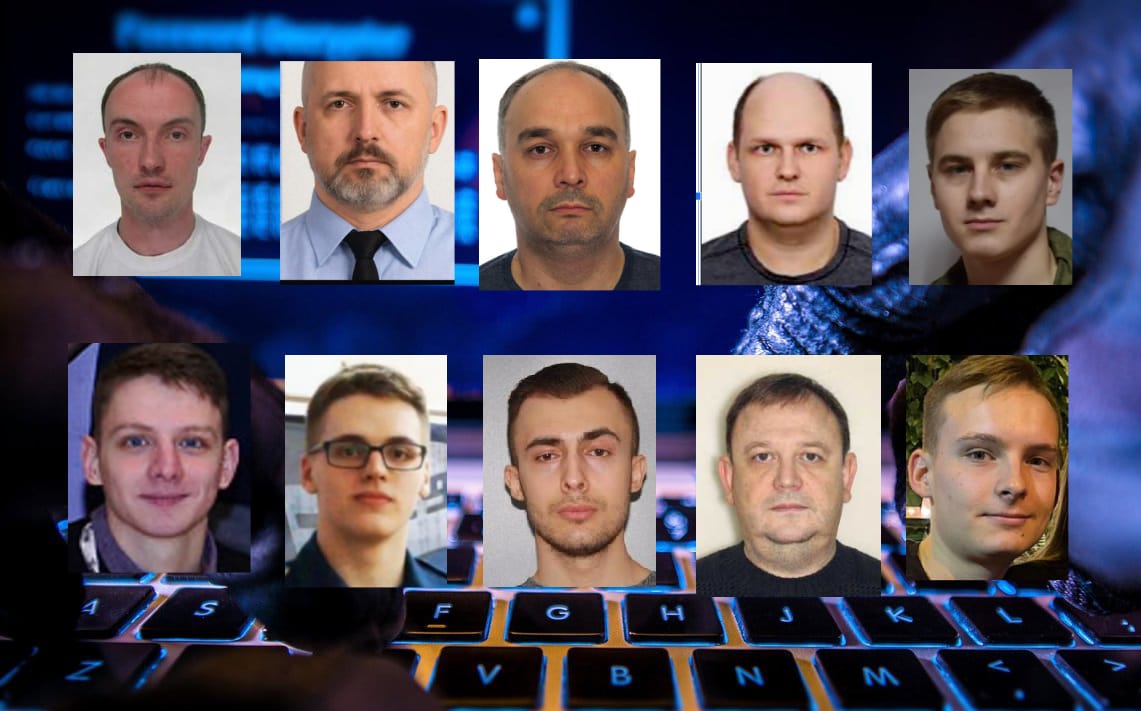
The Insider and its investigative partners have obtained documents from Department 4 of the Military Training Center at Bauman Moscow State Technical University that describe how the GRU trains students in hacking attacks and disinformation tactics. Some of the graduates are already serving in GRU Unit 74455, which is responsible for attacks on civilian infrastructure in Ukraine and Georgia — which constitutes a war crime. During the courses, students are taught to create viruses, videos using “manipulation, pressure, and hidden propaganda” and other skills relevant to the GRU, while the training materials draw on the GRU’s experience gained during the full-scale invasion of Ukraine.
The secret faculty
The slim young man with short darkish blond hair appears harmless in his FBI “Most Wanted” photo. But Vladislav Borovkov, a member of Russia’s most notorious black ops unit, stands accused of "criminal cyber activities," specifically using malicious software to disable critical infrastructure in more than a dozen Western countries.
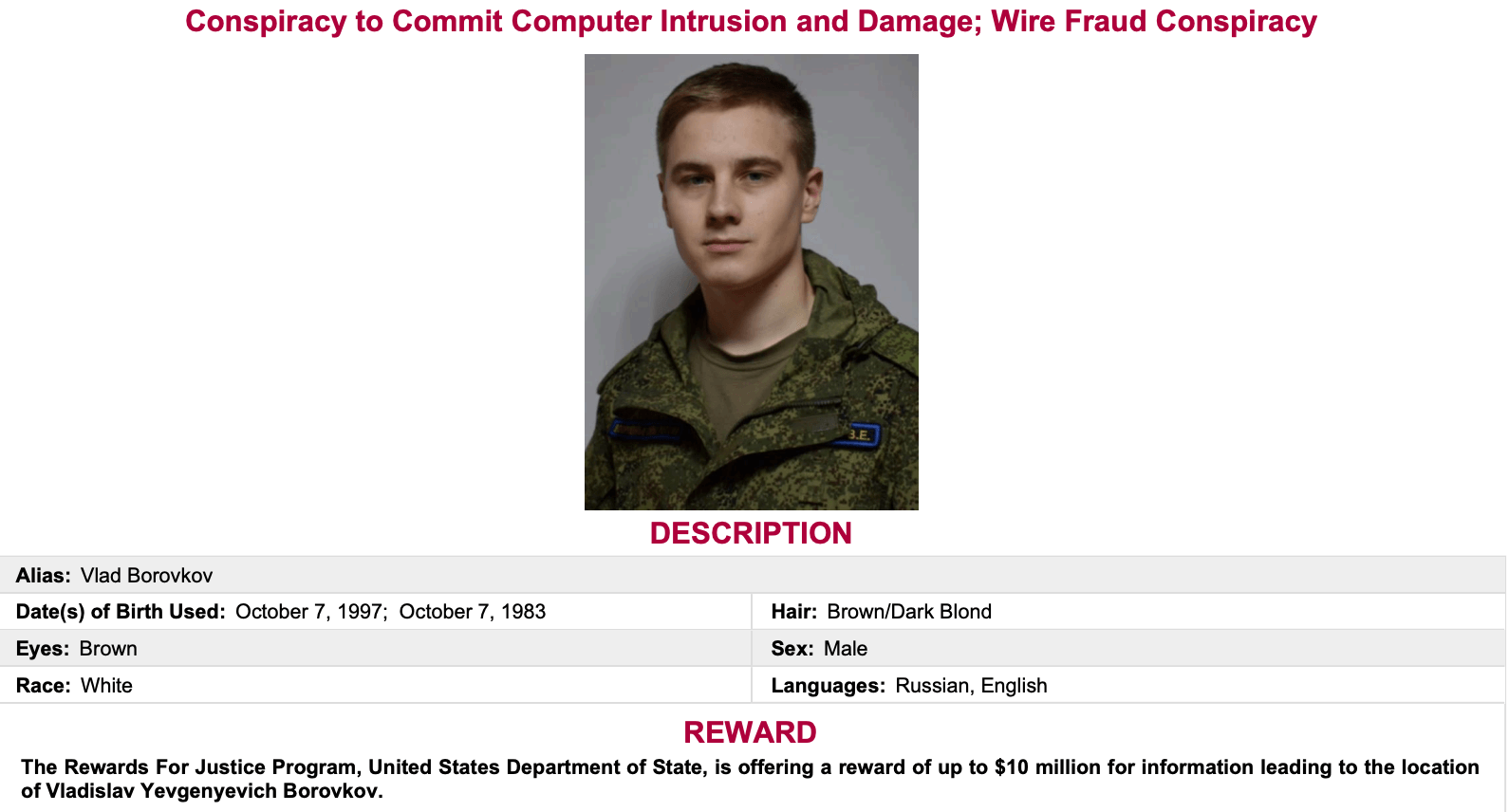
GRU Unit 29155, the Russian military intelligence grouping to which Borovkov belongs, is behind some of the boldest kinetic operations carried out against NATO interests over the past decade and a half. It has poisoned defectors and arms dealers, bombed ammunition and weapons depots, suborned the Taliban to kill U.S. and coalition forces in Afghanistan, and likely deployed directed energy attacks against U.S. spies and diplomats, causing them to experience Anomalous Health Incidents, or “Havana Syndrome.”
Borovkov doesn’t have much of a biography beyond what the U.S. Department of Justice included in his indictment, only that he started his professional career as a cyberoperative immediately after finishing university. (The Insider reported on 29155’s hacking unit in 2025.) In Borovkov’s case, however, higher education was itself a revealing bullet point on his c.v. — the school he attended, Moscow’s Bauman University, is a kind of Hogwarts for Russian spooks.
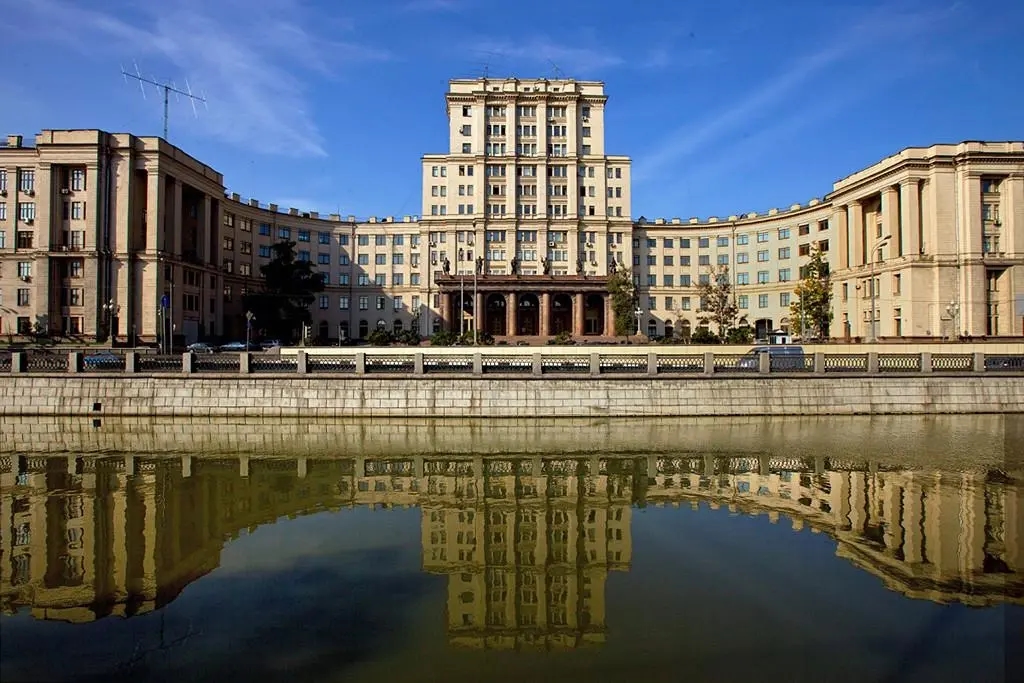
Located about four kilometers from Red Square, Bauman’s monumental main building stretches for hundreds of meters along the bank of the Yauza, a small tributary of the Moskva River.
The Insider, together with Le Monde, Der Spiegel, The Guardian, Delfi, and VSquare, has analyzed more than 2,000 internal documents from Bauman University. They provide deep new insight into one of Russia’s many spy schools. The trove includes curricula, contracts, propaganda material, presentations, photos from classes, and lists of students, graduates, and teachers from the years 2022 to 2024.
According to one Western intelligence official, the collection, leaked by an anonymous source, amounts to a “yearbook directory for incoming GRU operatives.”
Since its founding in 1830, Bauman University has been one of Russia's most renowned technical universities, the equivalent of MIT — with an emphasis on computer science and an enrollment upwards of 30,000. "Courage, will, work, persistence" is its motto.
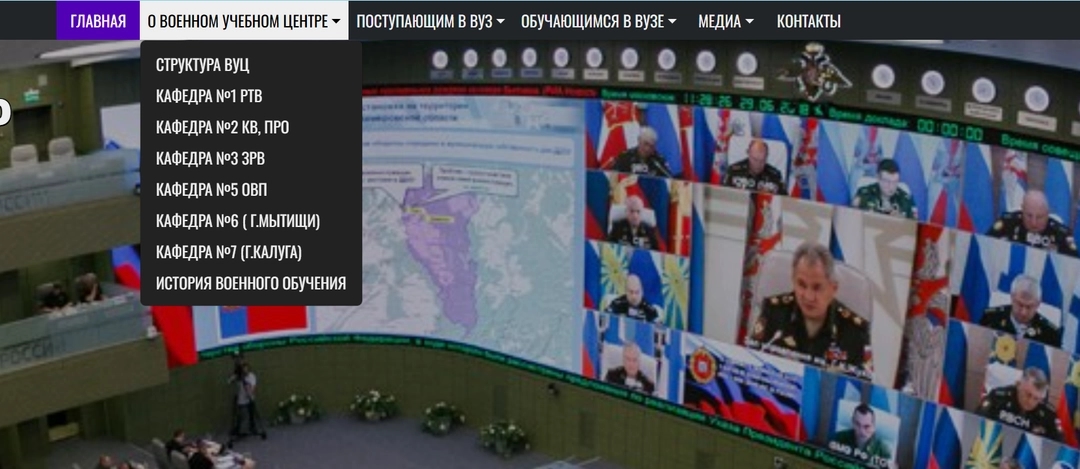
But the university has a function beyond just training Russia’s next generation of coders. Nestled within the transparent degree programs, from mechanical engineering to aerospace technology, is a secret faculty with the deliberately meaningless title of Department 4, also known as “Special Training.” Here students are prepared to become officers, hackers, saboteurs for the GRU.
The spy school is divided into three “military specializations.” One of them, bearing the code 093400 and the name “Special Service for Intelligence,” is where undergraduates are taught information warfare, electronic reconnaissance, and IT-related special competencies. The GRU directly influences the course curriculum by defining qualification requirements, approving candidates, and signing off on academic expenses.
![A slide from a presentation about the faculty reading "Department No. 4 of the Special Training [Program] trains students in the military-related specializations 141600, 093400, and 751100 (Main Operation Directorate of the General Staff, Main Directorate of the General Staff (GRU), 8th Directorate of the General Staff)"](/_next/image?url=http%3A%2F%2Fstorage%2Fstorage%2Fcontent_image%2Foriginal%2F69f%2F69fc092343de85.95853479%2FkE2zcYjZv57BtM1It3FpDMpCNUjW04j7XeX3xgng.webp&w=3840&q=100)
Some of the highest-ranking hackers from Russian military intelligence are also on staff as lecturers, and much of the curriculum reads as if it were written by the intelligence officers themselves. “It is fair to say that companies, universities, and educational staff involved in this process are complicit in developing and supporting Russia’s hybrid warfare capabilities, and therefore, could also be subject to countermeasures, such as sanctions,” an analyst at the European Centre of Excellence for Countering Hybrid Threats told The Insider.
Some of the highest-ranking hackers from Russian military intelligence are on staff as lecturers, and much of the curriculum reads as if it were written by the intelligence officers themselves
For instance, anyone taking the course “Defense Against Technical Reconnaissance” learns — in a total of 144 hours over the course of two semesters — the complete toolkit of modern hackers. This includes all digital burglary tools for breaking into foreign servers, from simple spearphishing attempts to exploiting known IT vulnerabilities to more sophisticated Trojan horse viruses. There are also “penetration testing with viruses,” i.e. hacking exercises. Module 6 is dedicated entirely to computer viruses, and the final assignment is to program one’s own bespoke malware.
Tools and techniques for waging Distributed Denial of Service (DDoS) attacks are also part of the curriculum. Customers of the Deutsche Bahn, Germany’s national rail operator, recently had to contend with such an attack, in which countless computers organized in botnets automatically access online providers, crippling the app for several hours. In 2007, a Russian-linked DDoS swarm hobbled Estonia’s government and banking sectors, leading to the Baltic country’s reinvention as one of NATO’s main hubs for cybersecurity.
The worst cyberattack in history was also perpetrated by a GRU team whose ranks are filled with notable Department 4 graduates. In 2017 “NotPetya” (aka “Sandworm”), launched by Unit 74455, affected more than 160 countries and shut down operations by Danish shipping company Maersk and U.S. pharmaceutical giant Merck, not to mention mission-critical hospital computers in Pennsylvania, at a cost of almost a billion dollars. Other victims of Sandworm have included Ukraine’s power grid, state treasury, and finance ministry, a host of Georgian government and privately-run websites and television stations, the Organisation for the Prohibition of Chemical Weapons, the 2018 Winter Olympics in South Korea, and French President Emmanuel Macron’s political campaign.
The worst cyberattack in history, “NotPetya” in 2017, was also perpetrated by a GRU team whose ranks are filled with notable Department 4 graduates
One of the hacking unit’s newest and youngest recruits is Alexei Kondrashov, who graduated from Bauman’s Department 4 in 2024 with the rank of lieutenant. In photos on the Russian social network VK, he is shown sporting a Justin Bieber hairstyle and beanie hat. “The end of the school year - let's burn the textbooks!" he posted in Russian. Only one image hints at what’s to come: Kondrashov is running through a forest with a rifle at what looks like a military summer camp. Sandworm was his first job out of school.
Kondrashov did not reply to The Insider’s request for comment.
In 2024, a total of 1,563 reservists and 429 prospective contract officers studied at the department, specializing in 14 military areas. They all underwent basic training, and photos from the training camps show several camouflage-clad young men — some of them overweight — in combat gear struggling on climbing poles and doing shooting exercises with a pistol.
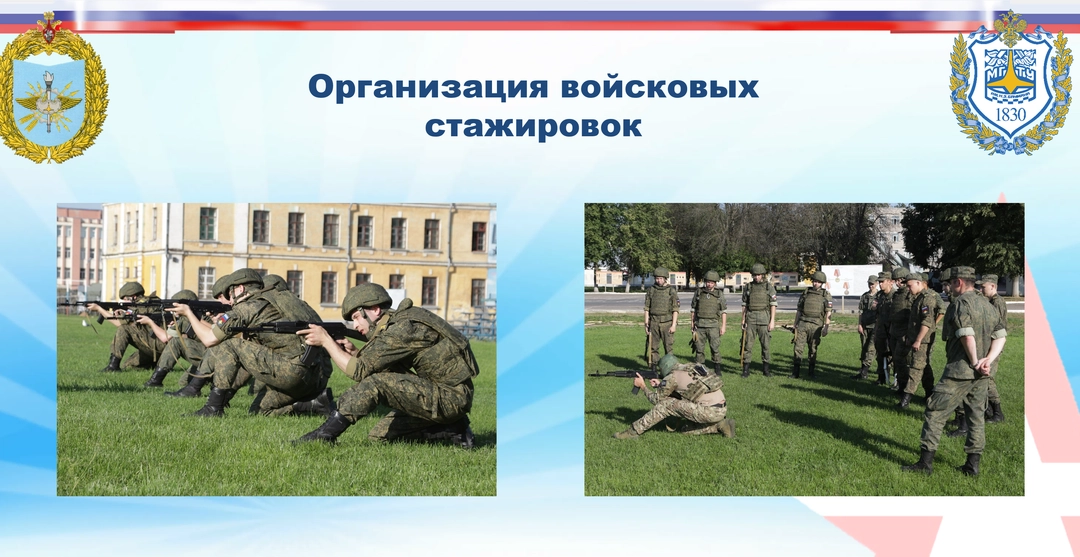
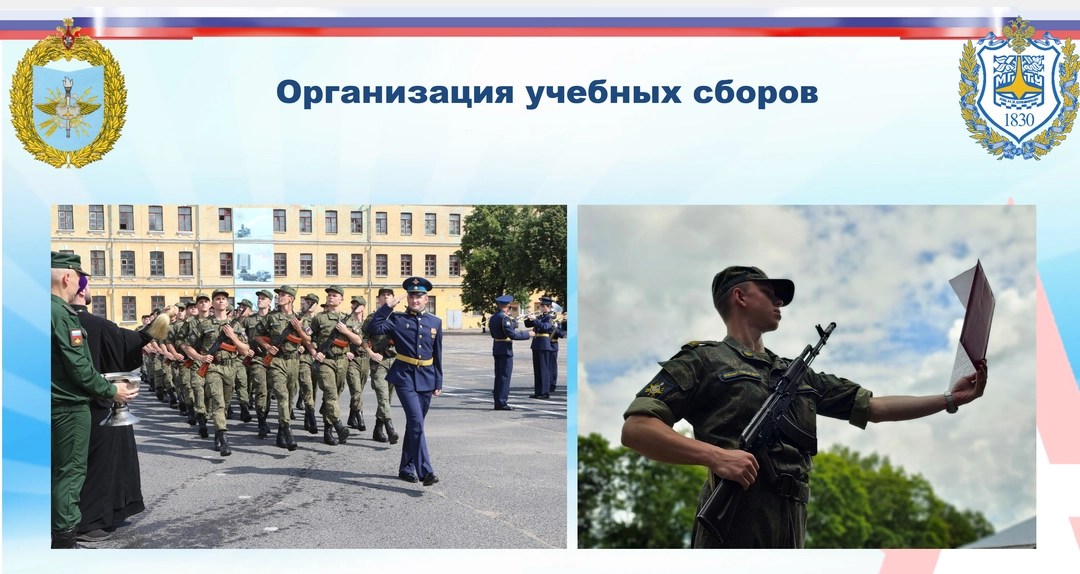
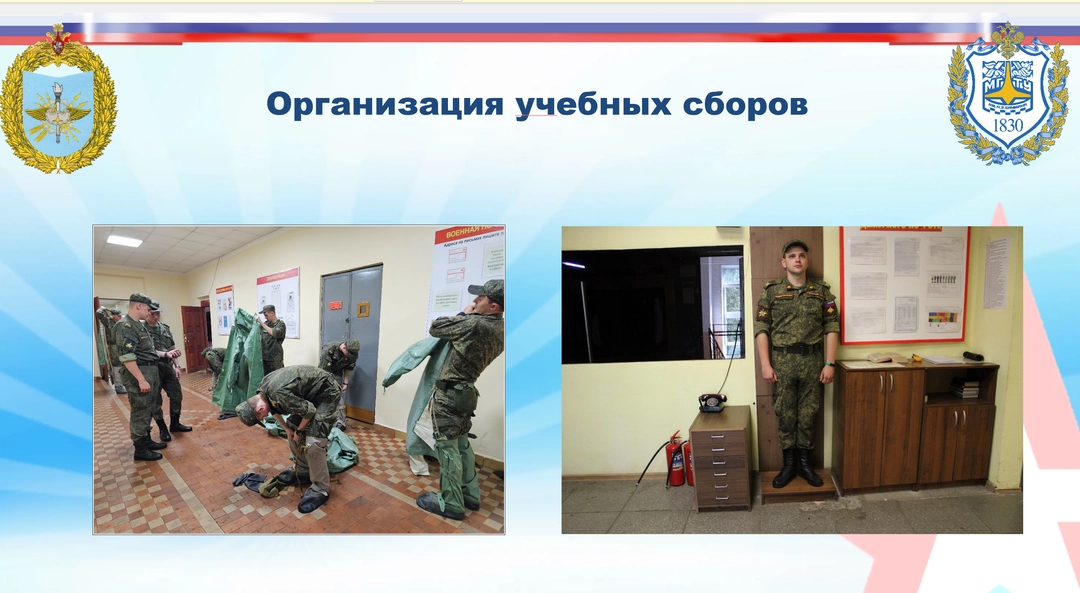
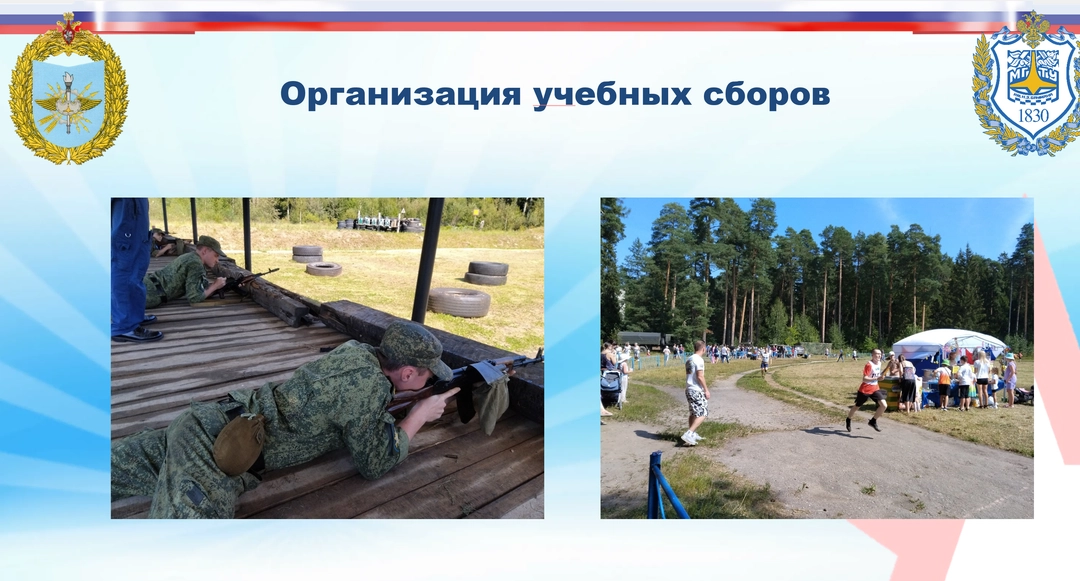
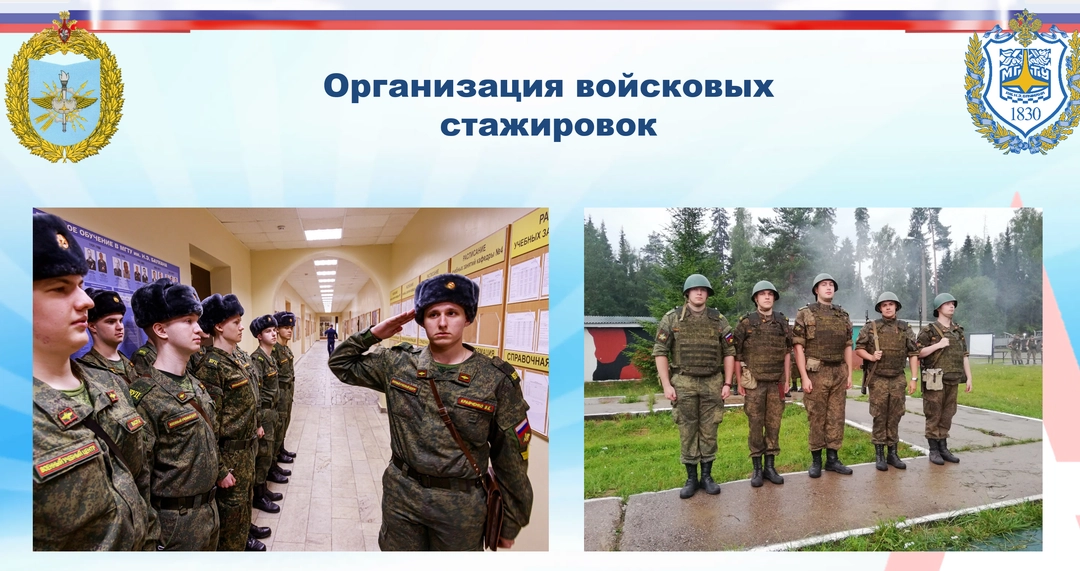
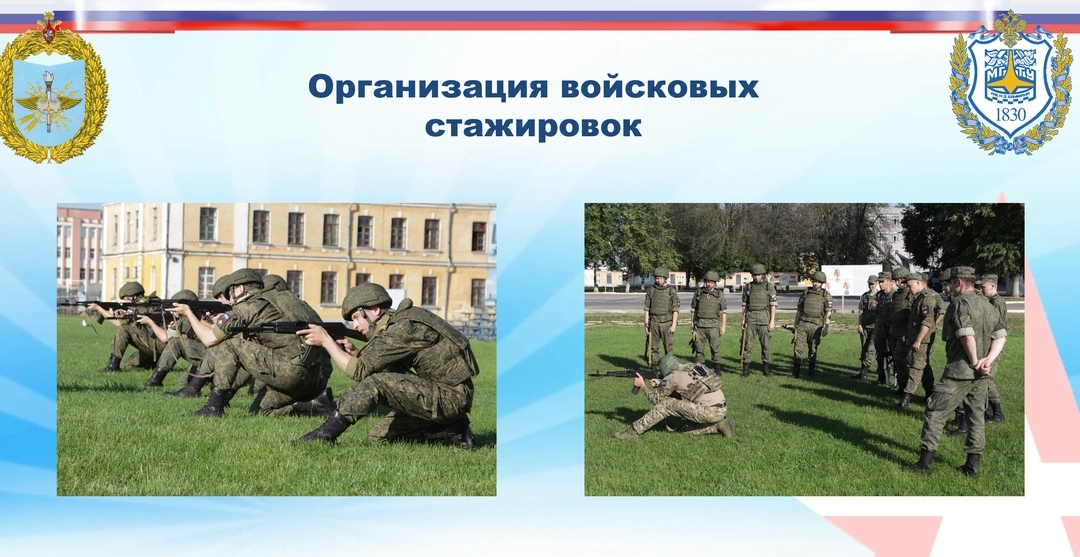
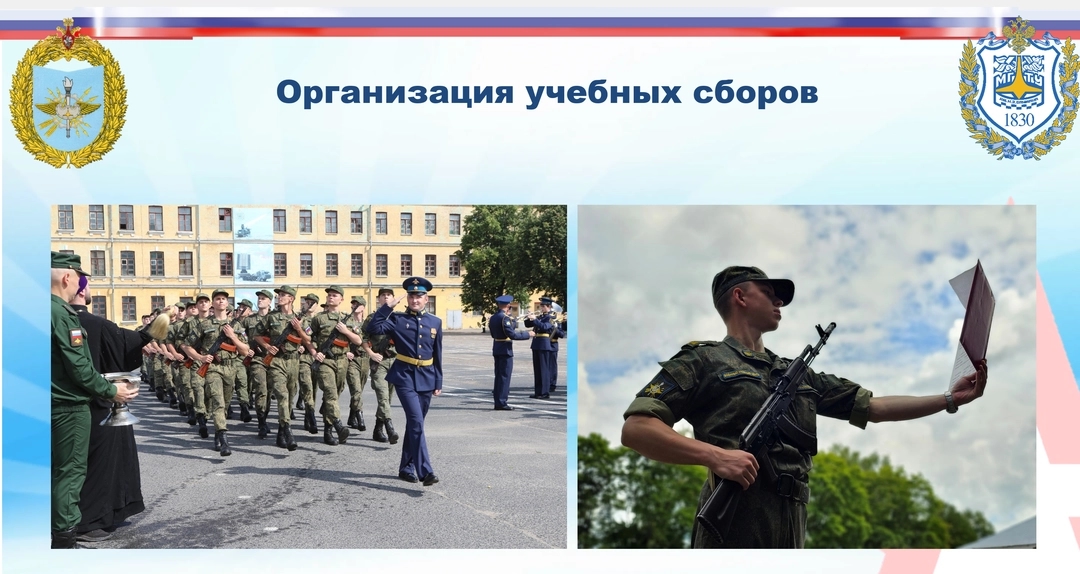
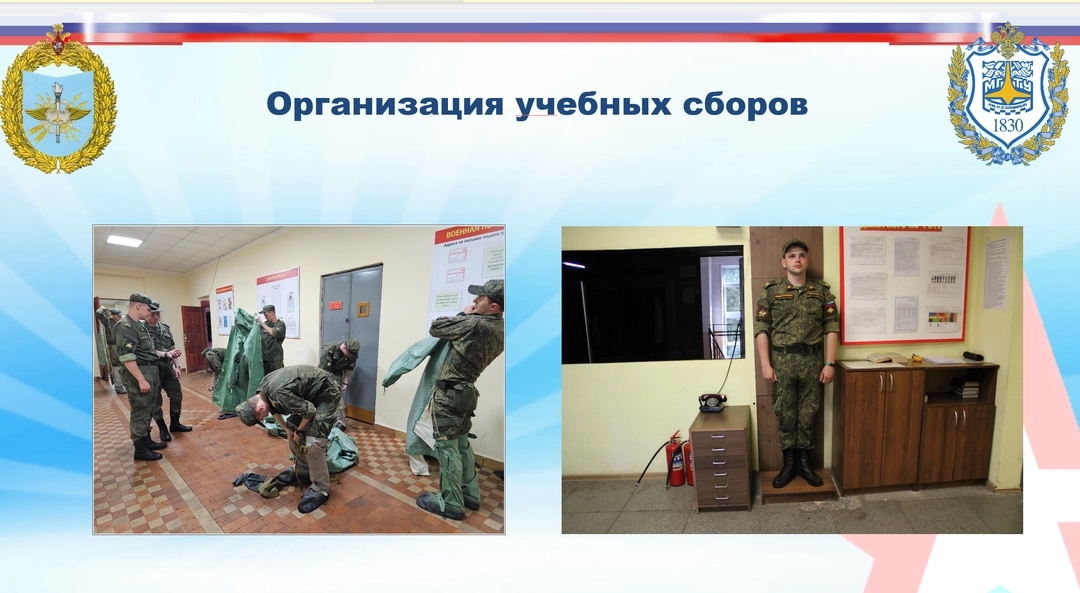
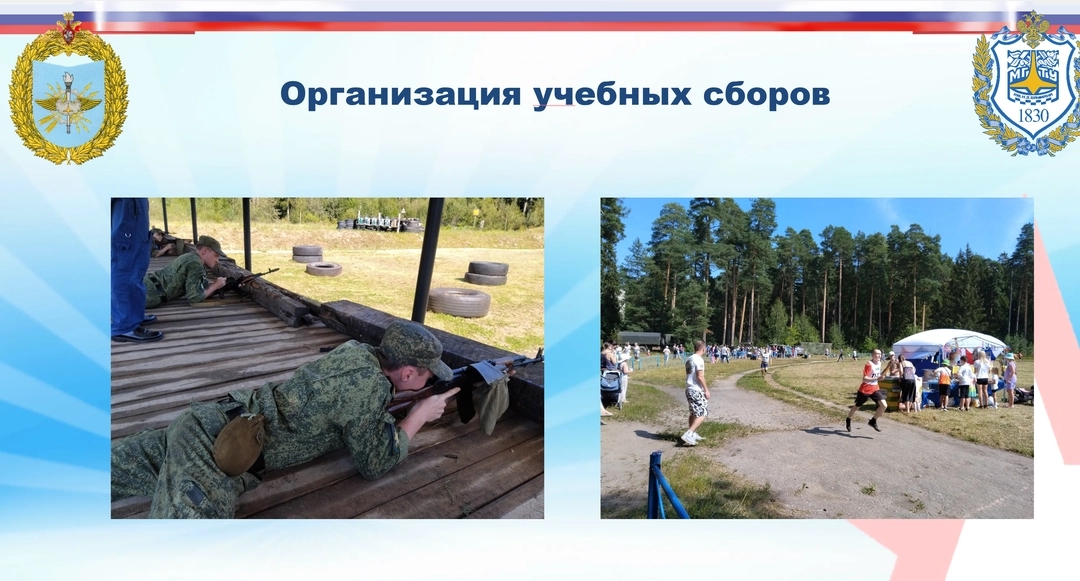
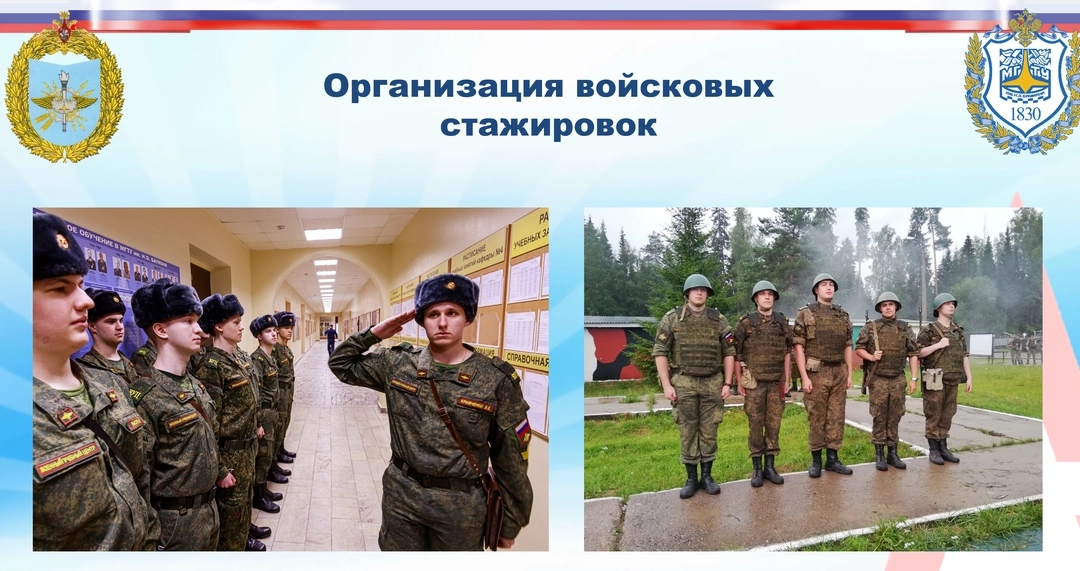
A three-page document contains strict rules for basic training: all participants must have neat haircuts, be clean-shaven, and remain substance-free for a full calendar month, "including beer and many other things of the good life." Fraternization and sex are strictly forbidden.
Anyone who survives basic training moves on to a course in espionage technology taught by Department 4’s deputy head, Lieutenant Colonel Kirill Stupakov. In a 34-page PowerPoint presentation for one of his lectures, various methods are depicted for how telephones can be tapped or conversations in opposite buildings can be eavesdropped on using directional microphones. One slide shows a smoke detector in which a small camera is hidden. For spying over long distances, Stupakov recommends a high-quality spotting scope from Nikon.
In another three-hour teaching unit, Stupakov instructs trainees in countersurveillance, and how to detect bugs and other listening devices.
Stupakov, born in 1982, isn’t just a peddler of theory; he’s an experienced practitioner. Records show he studied radio technology at a military university in Cherepovets, about 186 miles north of Moscow. Between 2004 and 2008, he was registered at an address attributed to GRU Unit 61230, which specializes in signals intelligence. In the following years, he worked at several military academies and has been working at the Military Training Center since at least 2018. In 2022, according to another document, that he signed a three-year contract with GRU Unit 45807.
Internal evaluations paint the picture of a model officer: Stupakov is "purposeful," "disciplined," and "energetic," with "excellent physical fitness," "pronounced leadership quality," and "high professionalism."
Be that as it may, in private Telegram chats that The Insider and Der Spiegel were able to analyze, he is quite garrulous about what he sees as the severe shortcomings of his own leadership. He mocks ex-President Dmitry Medvedev as an alcoholic, calls Vladimir Putin an “old man" and insults the Chief of General Staff Valery Gerasimov as a "stupid cunt." Stupakov looks upon the war against Ukraine with pessimism, complaining about high losses and prophesying that the conflict will "end badly for us."
Stupakov and his colleagues hammer completely different messages into their students, of course. The "special [military] operation" in Ukraine, as Moscow euphemistically calls its war of aggression, was "inevitable" due to the “nationalists and neo-Nazis” ruling in Kyiv, the teaching materials insist. A daily newsletter circulating at the university spreads slogans of perseverance: "Strike our enemies as our fathers, grandfathers, and great-grandfathers did."
Bauman’s GRU hackers
Stupakov brought several of the GRU’s highest-ranking hackers onto his teaching team. An exam session preparation letter dated February 16, 2024 is initialed and signed by "V. Netyksho” — Viktor Netyksho, the GRU general who was in charge of Unit 26165, or “Fancy Bear,” back in 2016, when it was busy stealing emails from the Democratic National Committee. In July 2018, Netyksho was indicted, along with 11 other GRU operatives, by U.S. Special Counsel Robert Mueller for “committing federal crimes that were intended to interfere with the 2016 U.S. presidential election.”
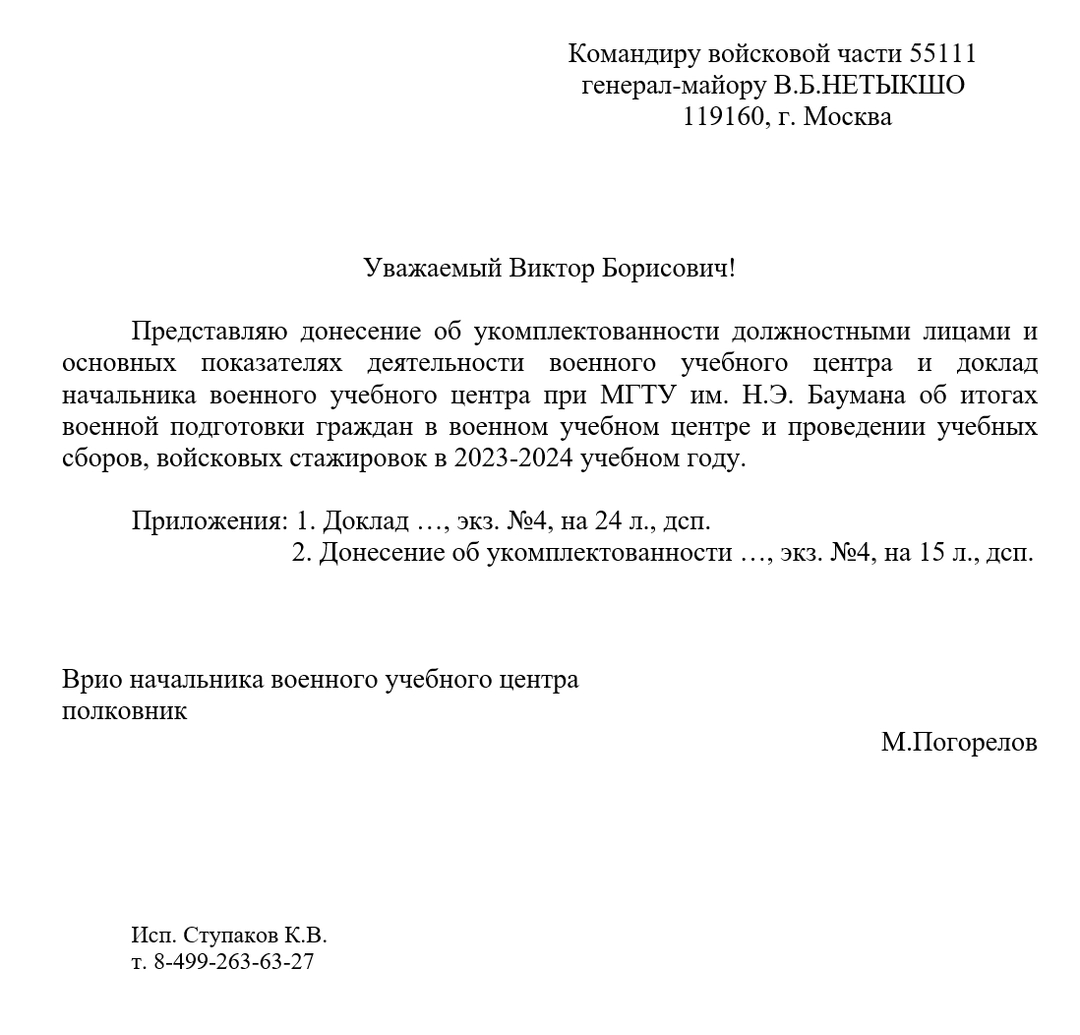
Another letter bears the signature of Yuri Shikolenko, a high-ranking GRU officer who has been sanctioned by the UK since July 2025 for his role in numerous cyberattacks.
Stupakov, Netyksho and Shikolenko did not answer The Insider’s request for comment on this story.
Department 4 has a particular interest in the United States, especially when it comes to countermanding America’s military and intelligence capabilities. Its lecturers teach young cadres how the CIA, FBI, and NSA work. One lecture is devoted entirely to the field equipment in use by the U.S. Army.
Department 4 has a particular interest in the United States, especially when it comes to countermanding America’s military and intelligence capabilities
The department also keeps up to date with military technology and the changing landscape of war in the 21st century. On a 54-page PowerPoint slide, different drone types are listed, including the U.S. “Switchblade 300,” the British “Black Hornet” reconnaissance drone, and the vertically-launching German “Vector.” All, not coincidentally, are now in use by the Armed Forces of Ukraine.
Students also do coursework on the protected computer networks of the United States Department of Defense, namely on how to "exploit vulnerabilities" using Metasploit, an open-source cybersecurity platform identified in recent cyberattacks against Ukrainian government sites.
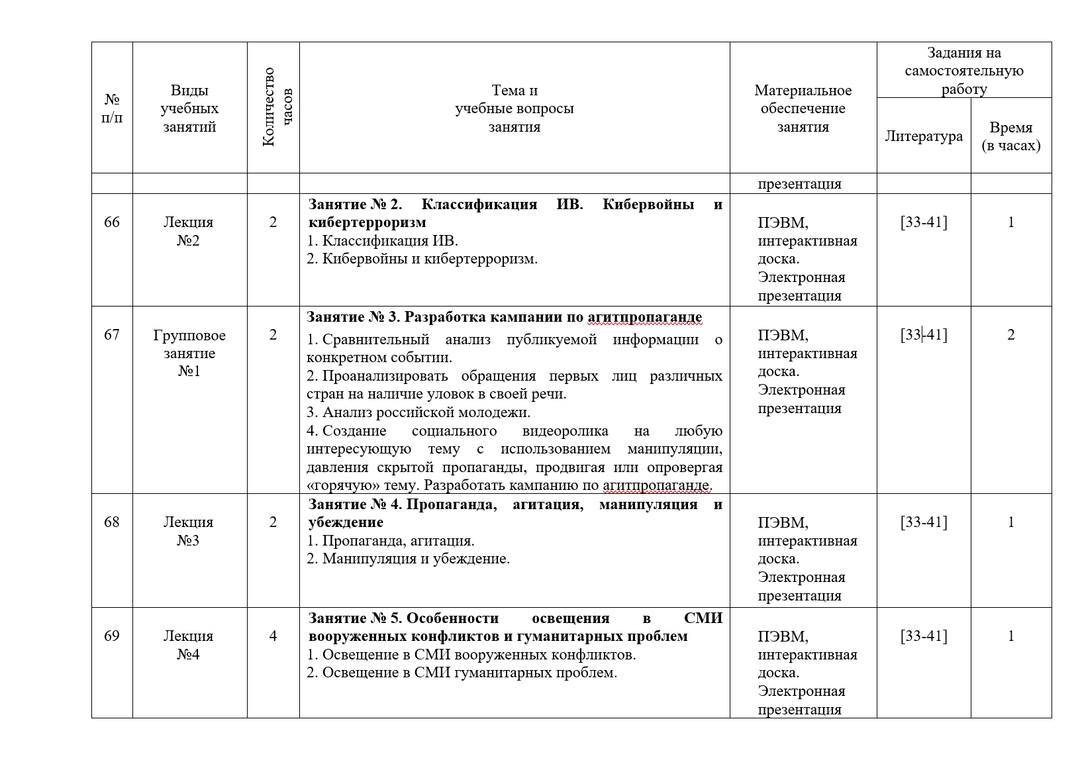
How systematically the Russian leadership is working to undermine Western societies with fake news and propaganda can be seen from a 31-page Department 4 seminar overview. For advanced students, the group seminar "Developing a Propaganda Campaign" is mandatory. The task description for the practical exercise: "Create a social video for any topic using manipulation, pressure, and hidden propaganda to promote or refute 'hot' topic." The title of another lecture is: "Propaganda, Agitation, Manipulation, and Persuasion."
Internships at sanctioned state companies
Like any tech-oriented Western university, Bauman acts as a clearinghouse for new talent to the private and public sectors. Department 4 students undertake internships in GRU units within Russian state-owned enterprises. One of these,"Granit," a specialist in the rehabilitation of air defense systems, was sanctioned by the European Union in February 2024 for its support of Russia’s Black Sea Fleet. "Malakhit," a St. Petersburg-based marine engineering company involved in Russia’s submarine industry, has also taken on Department 4 interns. The company was sanctioned by both the EU and United States for its role in the full-scale invasion of Ukraine.
Somehow, other entities fielding Department 4 students, such as the "Gamma" research center on information systems protection, or the "Dolomit" hydrocarbon concern in Dagestan, have gone unsanctioned.
Last April, the Russian head of state paid a visit to Bauman’s campus, gladhanding its undergraduates and discussing the nation’s developments in quantum technologies and space exploration. No mention was made of Department 4 or its unique curriculum. “You have everything it takes to be competitive,” Vladimir Putin told the students.