Deliberate attacks on Germany’s power system could lead to significant and prolonged electricity outages in individual regions, but causing a long-lasting nationwide blackout would be far more difficult, Prof. Dr.-Ing. Martin Braun, Director of the Fraunhofer Institute for Energy Economics and Energy System Technology (Fraunhofer IEE), and Professor of Sustainable Electrical Energy Systems at the University of Kassel, told The Insider.
Braun said a nationwide outage would require several adverse factors to occur at the same time, including the failure of backup mechanisms and protection systems to contain the disruption.
“The key distinction is between a major regional supply interruption and a system-wide blackout. Deliberate physical attacks can plausibly cause significant and potentially prolonged regional outages, but causing a nationwide blackout is considerably more difficult because of the redundancy, interconnection, and protection mechanisms built into the German and European power system.”
Germany’s high-voltage transmission grid is operated according to the N-1 criterion, Braun said. That means the system is designed to remain within safe operating limits even after the failure of one significant component.
To achieve that level of security, grid operators can rely on alternative transmission routes, operating reserves, changes in power plant output, and automatic protection systems. However, simultaneous damage to several components would present a greater challenge than that posed by a single technical fault, Braun said, and the system’s resilience must be assessed with that kind of event in mind.
“There is no scientifically meaningful threshold in terms of megawatts, number of substations, or percentage of generation capacity beyond which the German power system would automatically collapse. What matters much more is which elements of the system are affected, whether failures occur simultaneously, and how the grid is operating at that particular moment.”
A prolonged nationwide blackout is technically possible, Braun said, but causing one would require a far more complex combination of events than the destruction of a single substation or power plant.
In order for a severely adverse event to occur, several failures would have to coincide, while the remaining grid, operator responses, and protection systems would also have to prove insufficient to contain the disruption. The duration of any outage would depend both on the scale of the initial damage and on how quickly the damaged infrastructure could be restored.
“For the duration of an outage, another factor becomes crucial: the ability to restore the infrastructure. Damage to equipment that can be bypassed or repaired quickly has a very different impact from the destruction of major components with long replacement times or of infrastructure that is needed for system restoration. Spare equipment, repair logistics, secure communication and regularly exercised restoration procedures are therefore essential parts of resilience.”
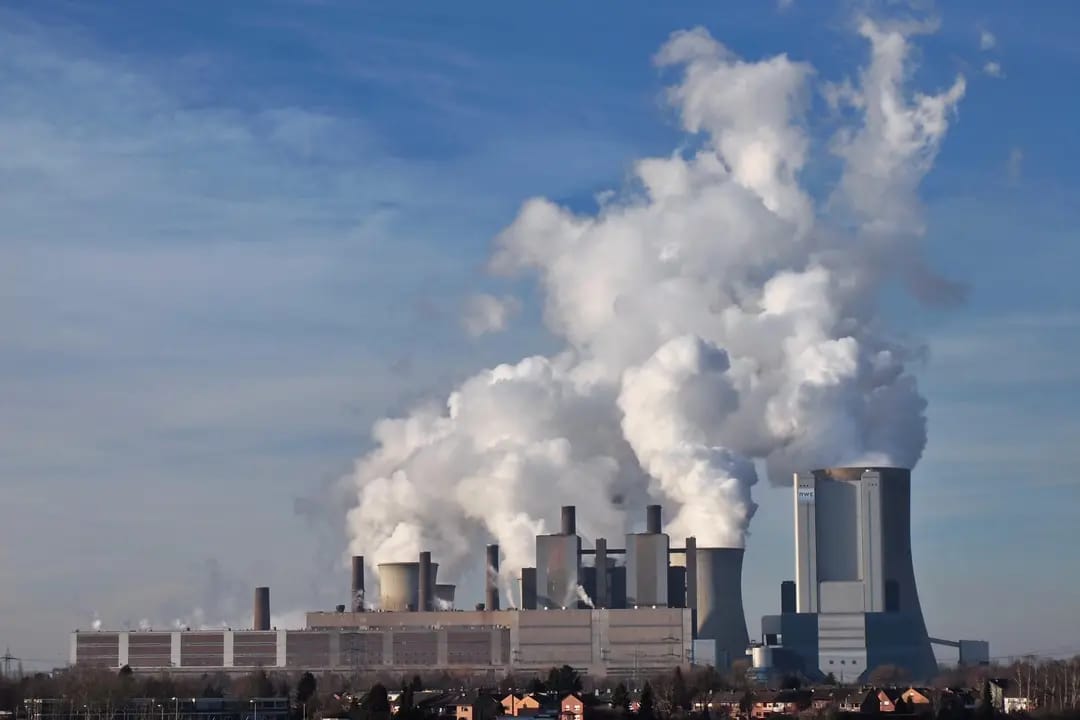
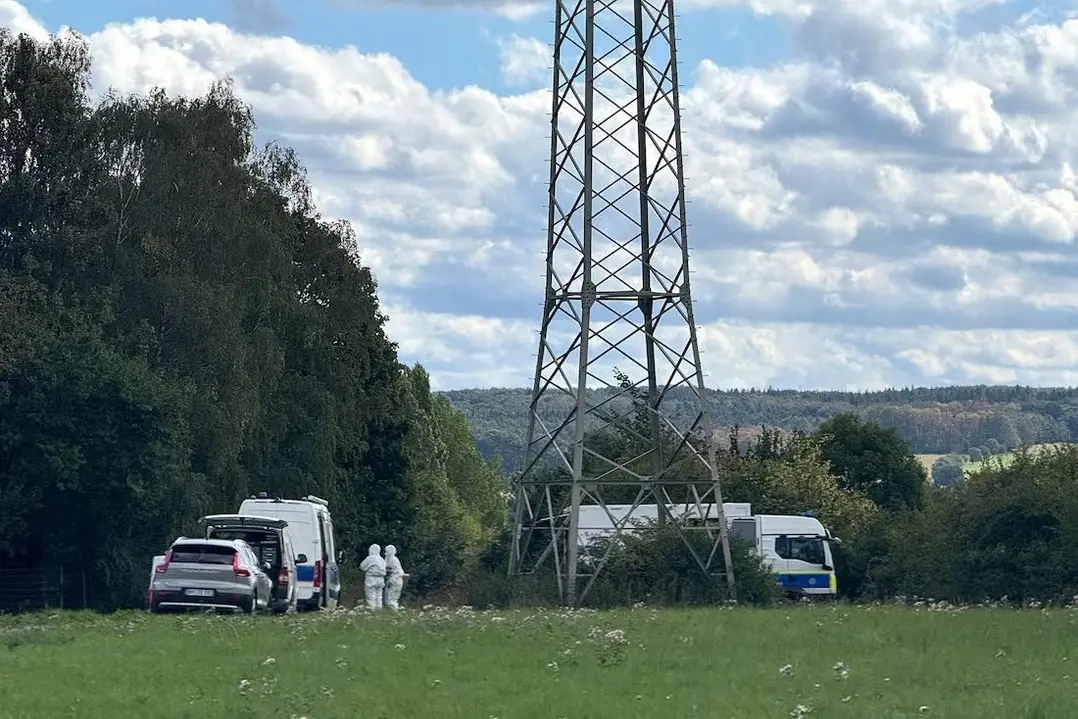
Several acts of sabotage and attempted attacks on energy infrastructure were reported in different German states in early September. On the morning of Sept. 1, high-voltage lines near a substation in Turnow-Preilack, close to the Jänschwalde coal-fired power plant in Brandenburg, were attacked. Reuters reported that two short circuits caused one generating unit to shut down temporarily. Later the day, an attack hit a substation in Bergheim in North Rhine-Westphalia, knocking five generating units offline.
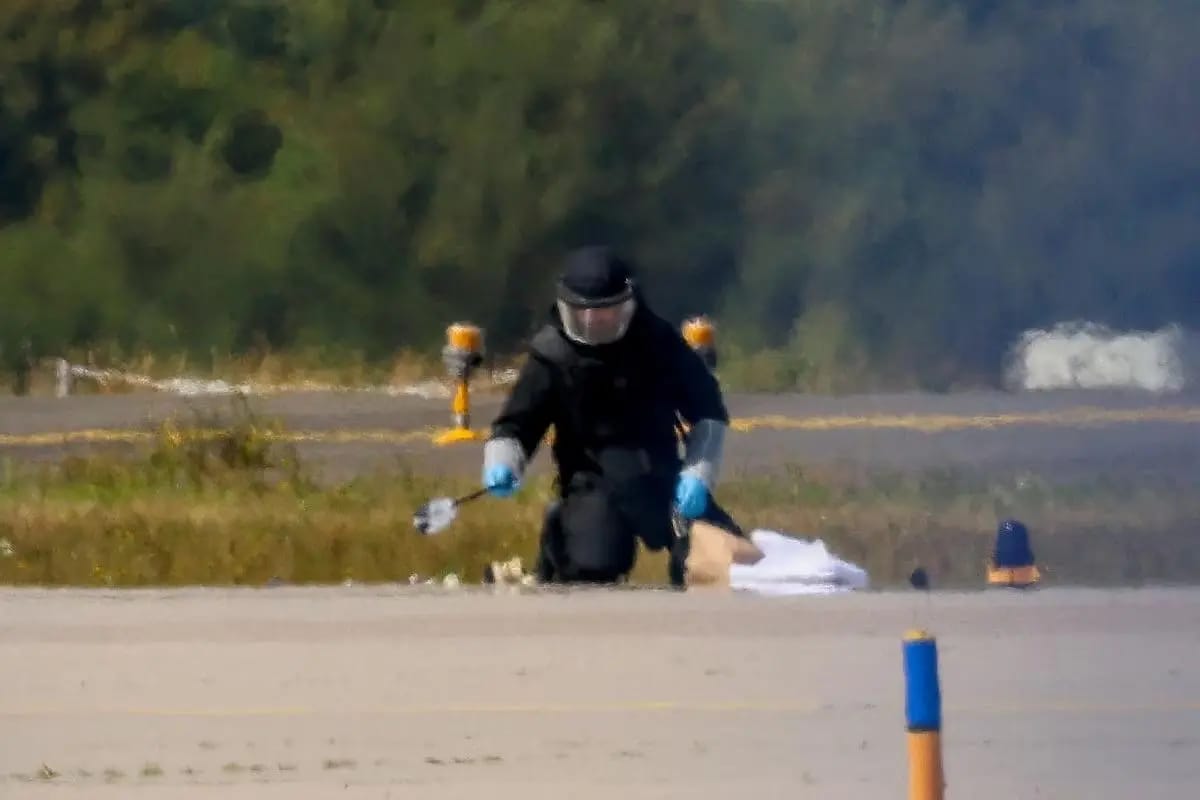
In Saxony, 12 improvised explosive devices were discovered on Sept. 4 near high-voltage lines by the Bärwalde and Graustein substations. Investigators believe the devices were intended to cause short circuits and damage the lines. However, they were successfully defused.
After additional searches, authorities said on Sept. 7 that nine more devices had been found near Graustein, bringing the total discovered in Saxony to 21.
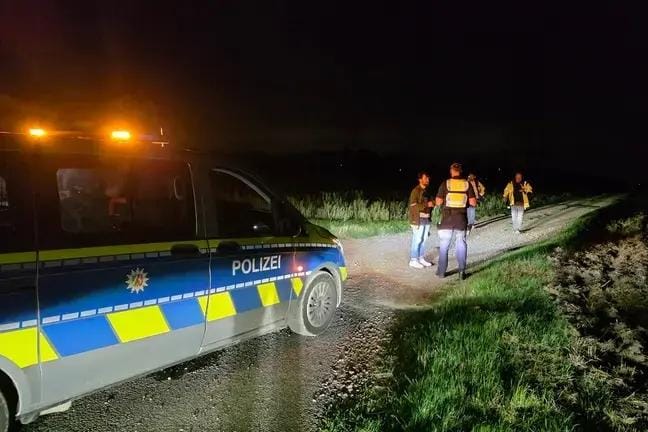
On Sept. 8, police detained a 48-year-old suspect near the Weisweiler power plant in North Rhine-Westphalia. Authorities said he was carrying explosive devices and that additional charges were found in a nearby tent.
In letters claiming responsibility for the attacks, the author said the actions had been a protest against the use of fossil fuels. The investigation is continuing, and authorities are still trying to establish the circumstances of the incidents and to determine whether they are connected.
Germany has already experienced a prolonged localized power outage caused by sabotage this year. An arson attack on cables near the Lichterfelde power plant in Berlin on Jan. 3 cut electricity to 45,400 households and 2,200 commercial customers in the southwestern part of the city. District heating was also disrupted. Power was not fully restored across the affected area until the afternoon of Jan. 7, four days after the attack.