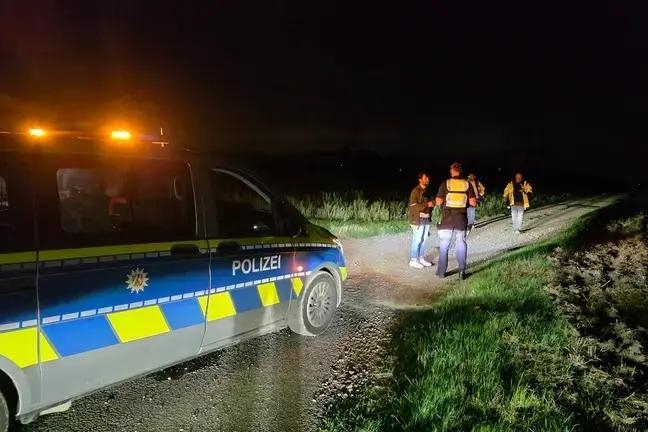
German police are investigating a suspected attempted act of sabotage at a power substation outside Düsseldorf, ZDF reports. On the evening of Sept. 3, a passerby in the town of Dormagen discovered a suspicious device near the facility.
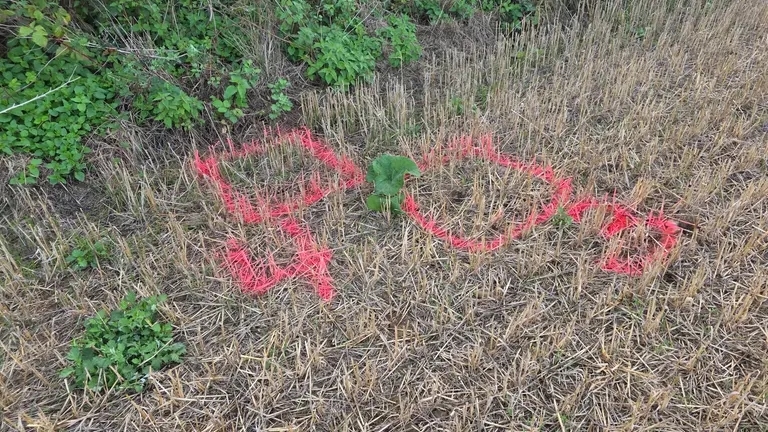
According to police, unknown individuals attempted to cause a short circuit. WDR reports that devices found near the substation were possibly intended for an attack on the power grid. No damage was recorded at the site.
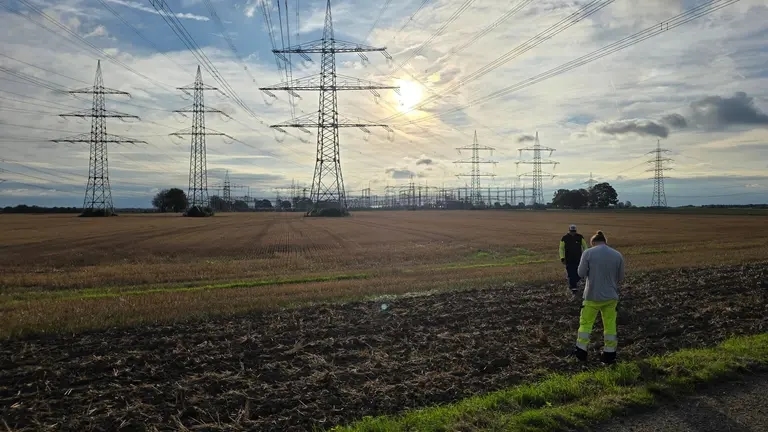
Investigators received a letter claiming responsibility for several incidents in North Rhine-Westphalia and Brandenburg. The search for the suspected author, a man from Gevelsberg, is ongoing, as police are determining whether he is actually connected to the crimes. The letter also mentions a substation in Weisweiler near Aachen, where a team has been dispatched for an inspection.
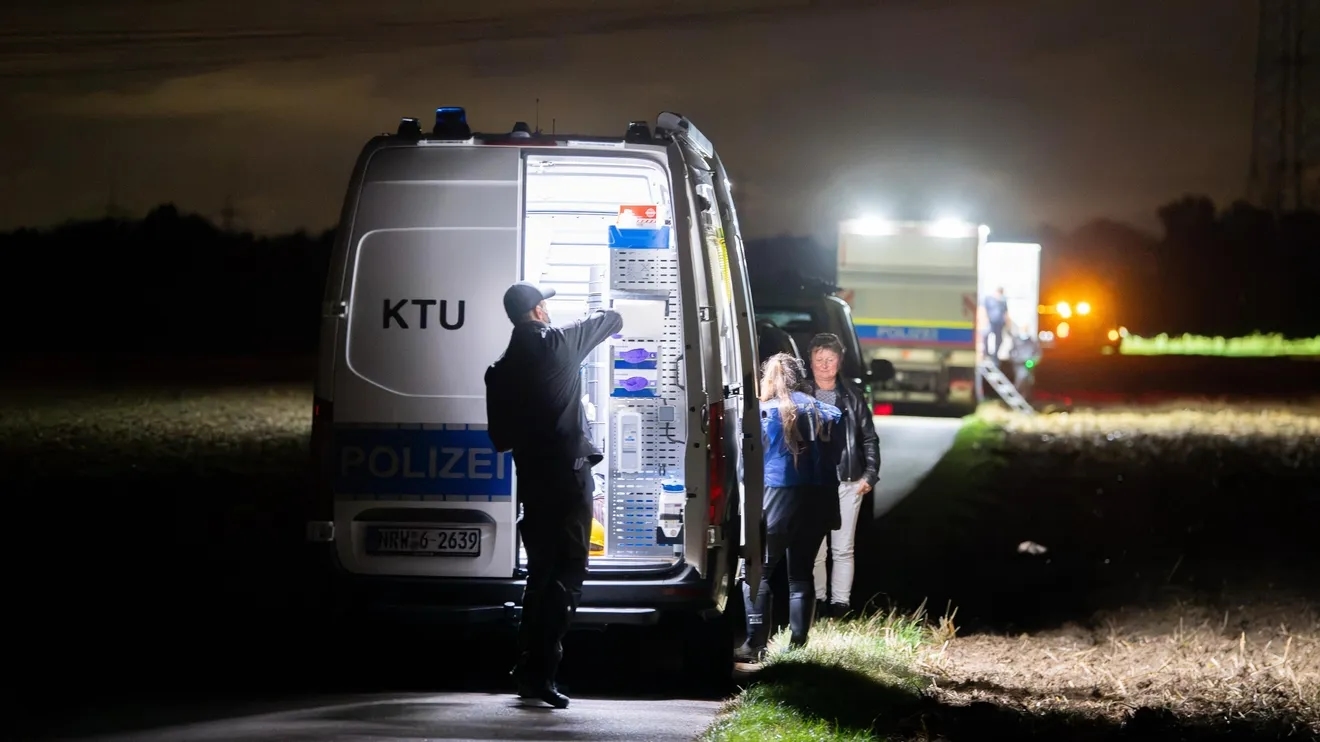
The letter’s author explains his actions as being motivated by a fight against the use of fossil fuels. A similar message was sent earlier after an attack on an energy facility in Brandenburg. Law enforcement agencies are verifying the authenticity of the letters and are attempting to determine whether they are linked.
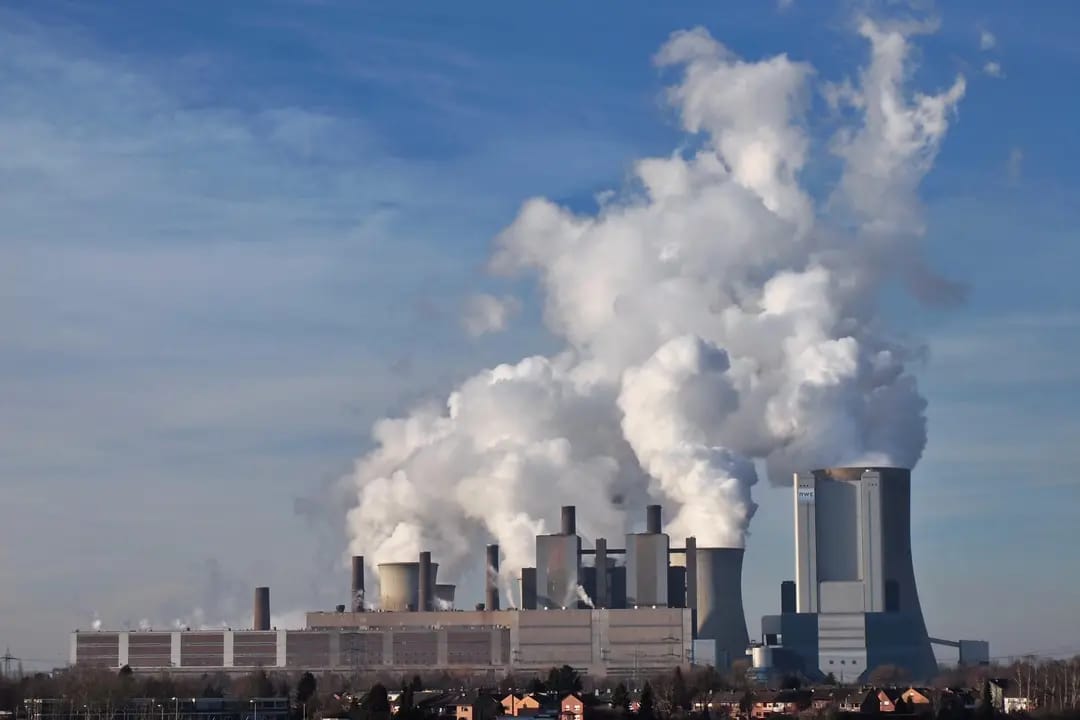
Two days before the Dormagen discovery, attacks on energy facilities took place in western and eastern Germany. On the evening of Sept. 1, five RWE lignite power plant units with a combined capacity of 4.2 GW went offline after a suspected act of sabotage. Despite the loss of generation, grid operator Amprion said overall power supply was not affected and the system remained stable.
That same morning, explosive devices caused damage to power lines near the Jänschwalde power plant in Brandenburg. Bomb disposal teams were dispatched to the scene, and grid operator 50Hertz reported brief outages. No casualties were reported.
Power grid expert Herbert Saurugg earlier explained to The Insider that Europe’s transmission grid is designed to withstand the failure of a single element thanks to the use of reserves and load redistribution. Christian Rehtanz, a professor at TU Dortmund University, also noted that the grid’s cross-border structure makes it difficult to trigger a large-scale blackout. He described the Sept. 1 attacks as “pinpricks meant to demonstrate that such attacks are possible.”