Germany’s Interior Ministry is preparing a package of measures to protect the country from Russian drone attacks, computer network intrusions, and acts of sabotage, according to a Bild report citing Interior Minister Alexander Dobrindt. The measures are being developed following an attempted attack at Leipzig/Halle Airport in early August, which Berlin has blamed on Russia.
Dobrindt’s plan calls for expanding the federal police mobile anti-drone units. Teams equipped with helicopters and specialized vehicles are expected to be based in Frankfurt, Munich, Hamburg, Berlin, Stuttgart, Düsseldorf, Leipzig, Hanover, and Cologne.
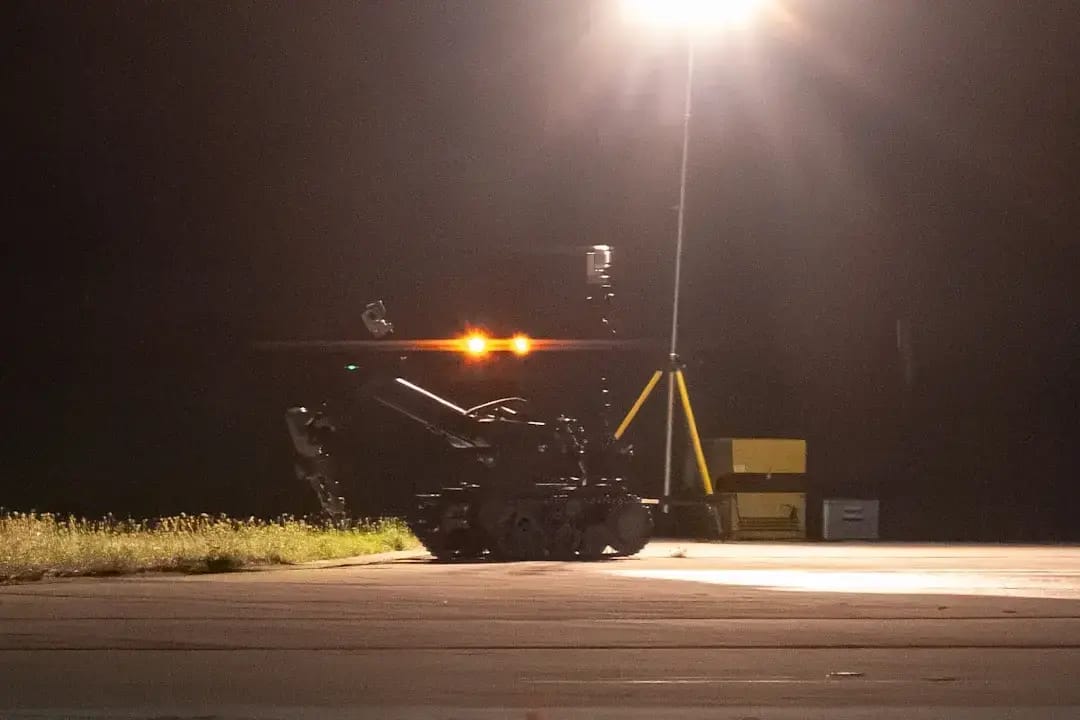
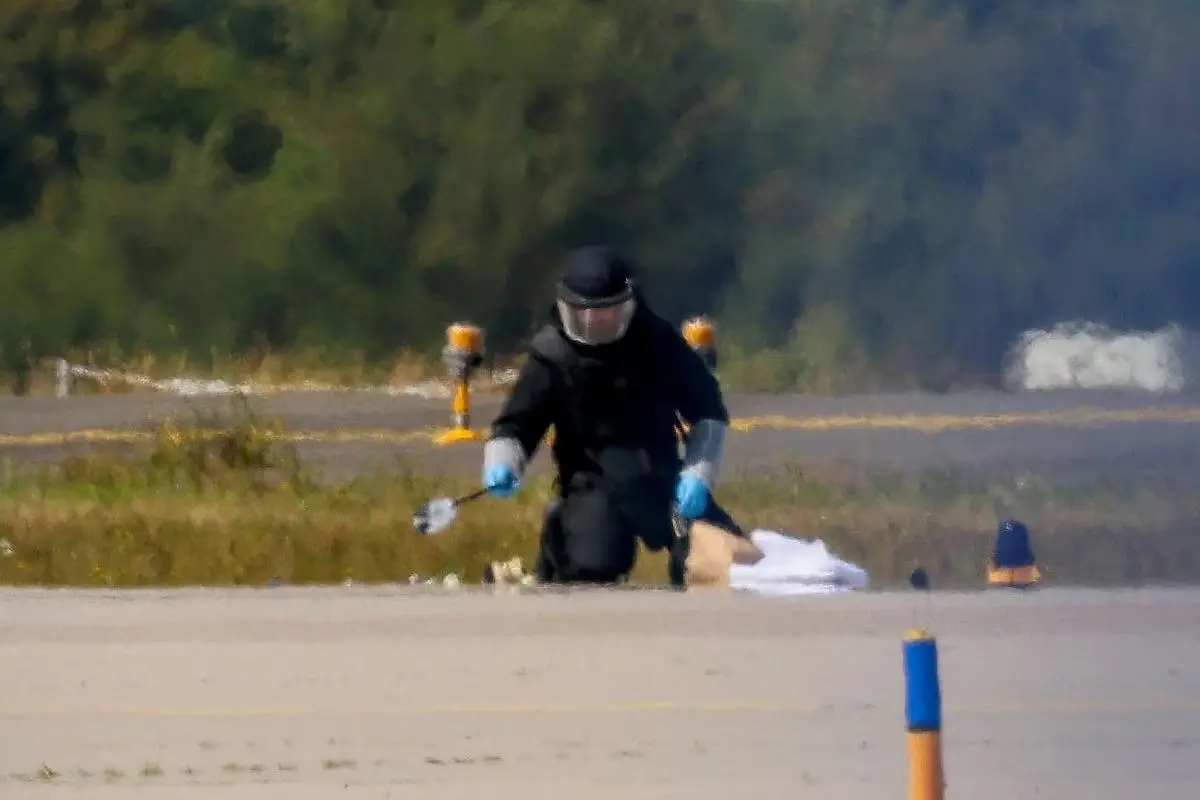
They would be tasked with protecting airports, train stations, and other major transport hubs, along with Berlin’s government district. In addition to intercepting drones, the units would be responsible for defusing bombs and other explosive devices.
Operators of critical infrastructure — including water and energy companies, as well as defense plants — would also be given the authority to counter drones on their own. The proposed powers would allow them not only to detect drones but also to actively repel attacks.
Dobrindt told Bild that Russian hybrid attacks had become an everyday reality. He cited the facts of drones carrying explosives, agent activity, network intrusions, and acts of sabotage.
Another part of the plan would expand the use of artificial intelligence, biometric facial recognition, and video surveillance at train stations and other locations. The technologies would be used to identify people preparing attacks or espionage operations and to automatically detect weapons and suspicious behavior.
To counter cyberattacks, the German authorities plan to create a national system called “Cyberdome,” which Bild described as a network of digital sensors designed to detect and repel attempts to break into government and corporate systems.
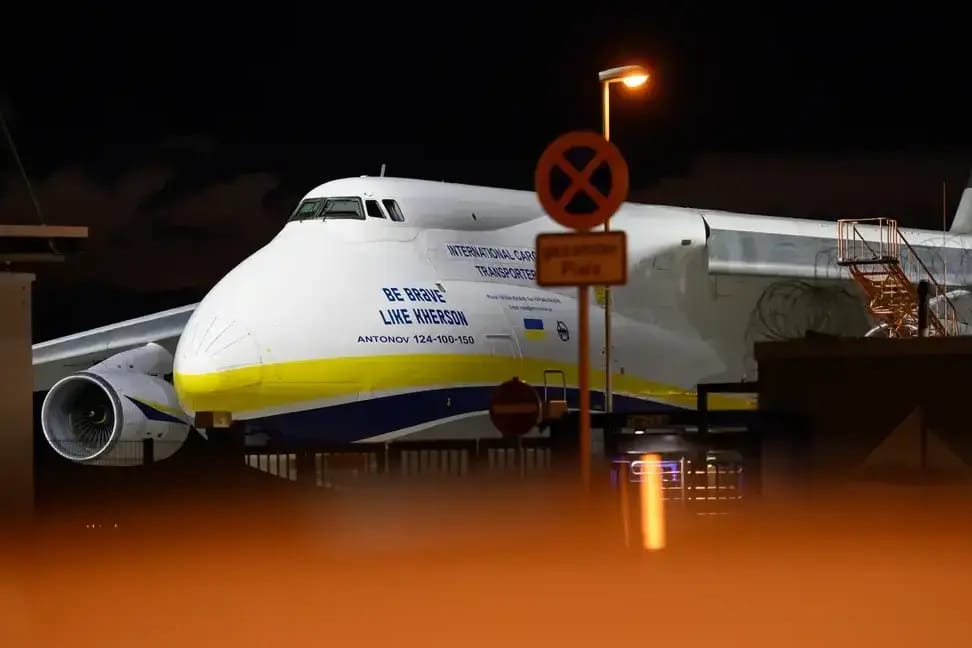
In early August, Leipzig/Halle Airport temporarily suspended operations after a drone with a detonator was found near a Ukrainian An-124 transport aircraft. A separate cargo plane was diverted to Hanover due to the closure and struck an unidentified object while still near Leipzig; police found damage to the front of the aircraft after it landed.
Investigators later identified two individuals that it suspects participated in preparations for the attack: a Russian-born man carrying a Latvian passport and a Belarus-born man who holds a Russian passport.
German investigators believe the first man organized logistics and acted as an instructor. The second was identified through traces of DNA found both on the drone and on an antenna near the airport. Three drones, either intact or in pieces, were eventually discovered at the scene.
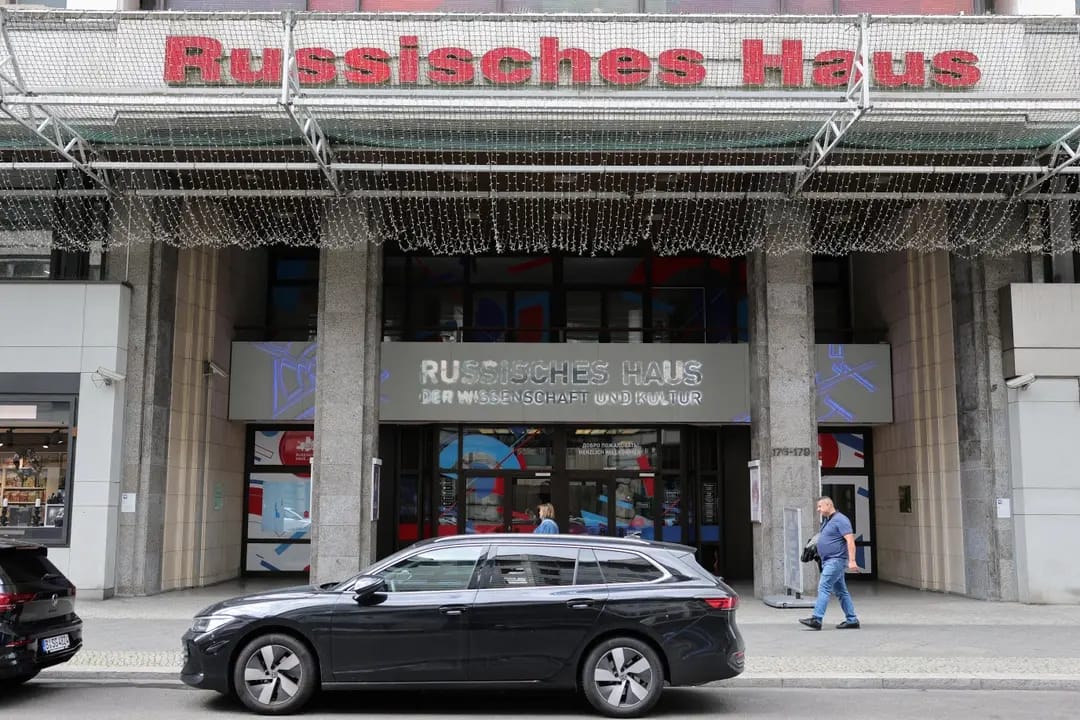
On Sept. 1, the German government formally accused Russia of organizing the attack, citing the results of its police investigation and intelligence findings. Berlin said that in response to the incident it would close Russia’s consulate general in Bonn effective Sept. 18, terminate an agreement governing the Russian House cultural center in Berlin, and tighten entry controls for Russian citizens.
The Russian authorities rejected the accusations, calling the incident a “provocation.”
On Aug. 28, a collection of European countries bordering the Baltic Sea said they planned to create a task force to counter drones and other hybrid threats. At a meeting in Flensburg, Dobrindt said the group was intended to ensure rapid information sharing. The initiative followed a wider rise in drone sightings near European airports, as well as sabotage incidents involving undersea cables and gas pipelines.