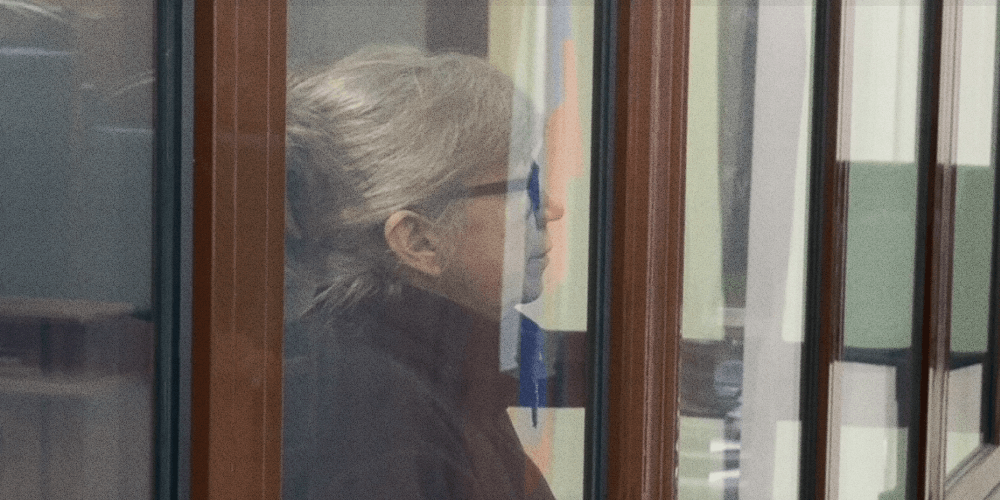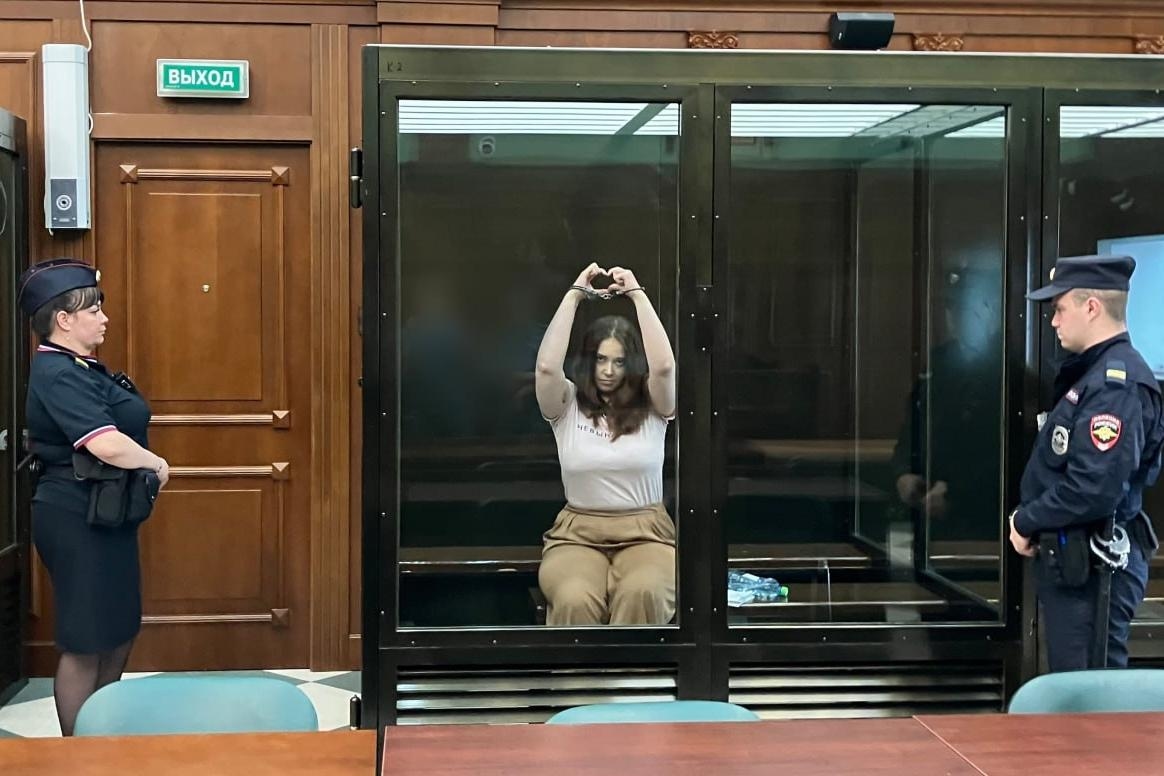
The Moscow City Court sentenced journalist Darya Shipacheva to 12 years in prison earlier today after finding her guilty of treason, according to a report by the independent outlet Mediazona, which cited one of its reporters, who was present in the courtroom. The hearing lasted about an hour and a half, according to Mediazona.
The case itself was heard in closed session, and it remains unclear what exactly Shipacheva was accused of. A friend of Shipacheva, speaking to Mediazona, mentioned a money transfer but said she did not know “whether it was a transfer to the [Ukrainian] army.”
The 12-year sentence is the minimum term under Article 275 of Russia’s Criminal Code, which covers treason. The court also fined Shipacheva 300,000 rubles (just over $3,500) and ordered the confiscation of 1.558 million rubles ($19,500).
Because the case was closed and the defense has not disclosed any details, little is known about the charges. The independent Russian science-focused publication T-Invariant reported that the case was likely prompted by a money transfer to Ukraine, possibly to a relative. Mediazona noted that the confiscation of funds in similar cases often points to that kind of allegation.
Shipacheva was detained April 23, 2025, at her Moscow apartment.
“She wrote at night that someone had started breaking down her door,” a source told Mediazona. Friends later learned from neighbors that “a crowd of OMON officers” — Russian riot police — had burst into Shipacheva’s apartment. After that, she stopped responding.
According to her friend, Shipacheva was taken to the city of Rostov-on-Don in southern Russia, where a court ordered that she be held in pretrial detention. The source told Mediazona that after Shipacheva was charged, she made a plea deal with investigators.
Shipacheva is 35 and was born in Ukraine. She is a feminist and worked as a science and medical journalist, contributing to many Russian outlets, including RBC, Lenta.ru, Takie Dela, Forbes, Wonderzine and Reminder.
She also wrote educational books about health and hosted the podcast “Life Is Pain” about her own experience with chronic pain and fatigue.
Before her arrest, Shipacheva had received threats from the so-called “Male State,” a misogynistic Russian movement that has been designated extremist in Russia.
Shipacheva’s case follows a growing wave of treason and espionage prosecutions in Russia since the start of the full-scale invasion of Ukraine. The cases are usually heard behind closed doors and often carry long prison terms. Journalists, activists, and ordinary citizens have been accused of treason over alleged contacts with Ukraine or foreign organizations. For example, former defense reporter Ivan Safronov, who was sentenced to 22 years in prison in 2022 (after being arrested in July 2020) for allegedly “passing classified information” about the Russian Armed Forces to the Czech intelligence services.
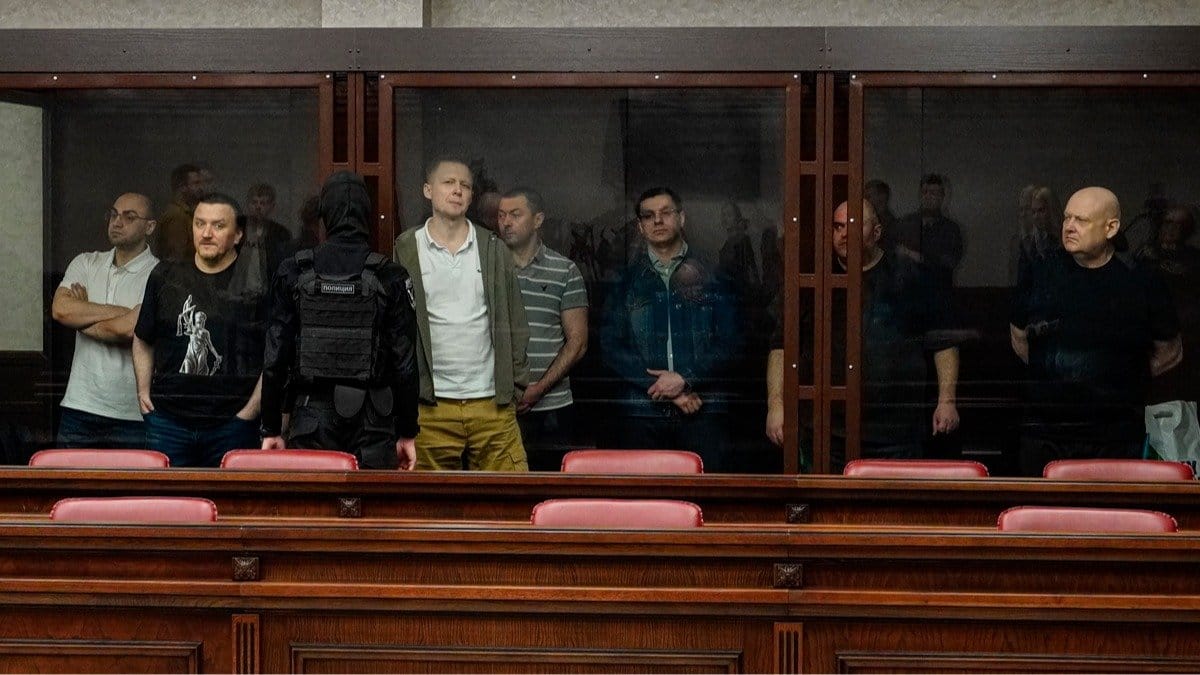
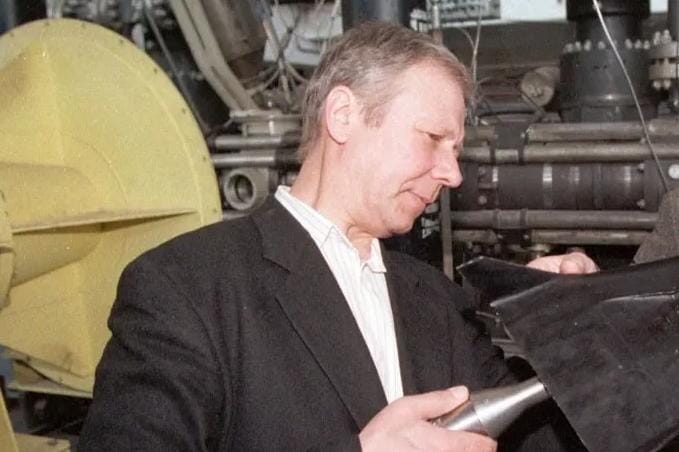
Russian scientists have also repeatedly been prosecuted on treason charges, often over what the Russian authorities claim to be transfers of sensitive research or cooperation with foreign colleagues. The “hypersonics case” recently became the largest criminal prosecution of scientists in modern Russia, totaling 8 defendants over the age of 60. As part of that case, this past May a court in Russia’s Novosibirsk sentenced two physicists — Valery Zvegintsev and Vladislav Galkin, who were involved in hypersonic research — to 12.5 years in prison each on treason charges.
As mentioned in Shipacheva’s case, the transfer of money to Ukraine can also lead to criminal prosecution, especially if Russian investigators claim the money was intended for Ukraine’s armed forces, drones, tactical medicine, military equipment or any organization deemed to be helping Ukraine’s war effort.
In 2024, dual Russian-U.S. citizen Ksenia Karelina was sentenced to 12 years in prison after Russian authorities accused her of treason over a donation of $51 to a Ukraine-supporting charity, Razom for Ukraine, as prosecutors claimed the money was later used for Ukrainian military needs. Karelina was later freed in a prisoner swap between Russia and the U.S.
In occupied Ukrainian territory, Russian-installed authorities have also sentenced people to long prison terms for alleged donations to Ukraine’s armed forces. The Insider reported on a surge in these prosecutions in a March 2026 piece.