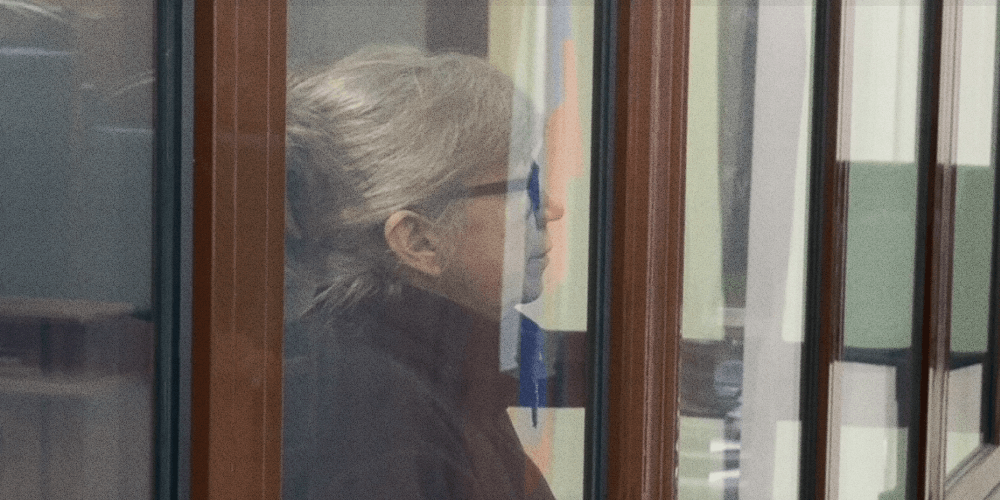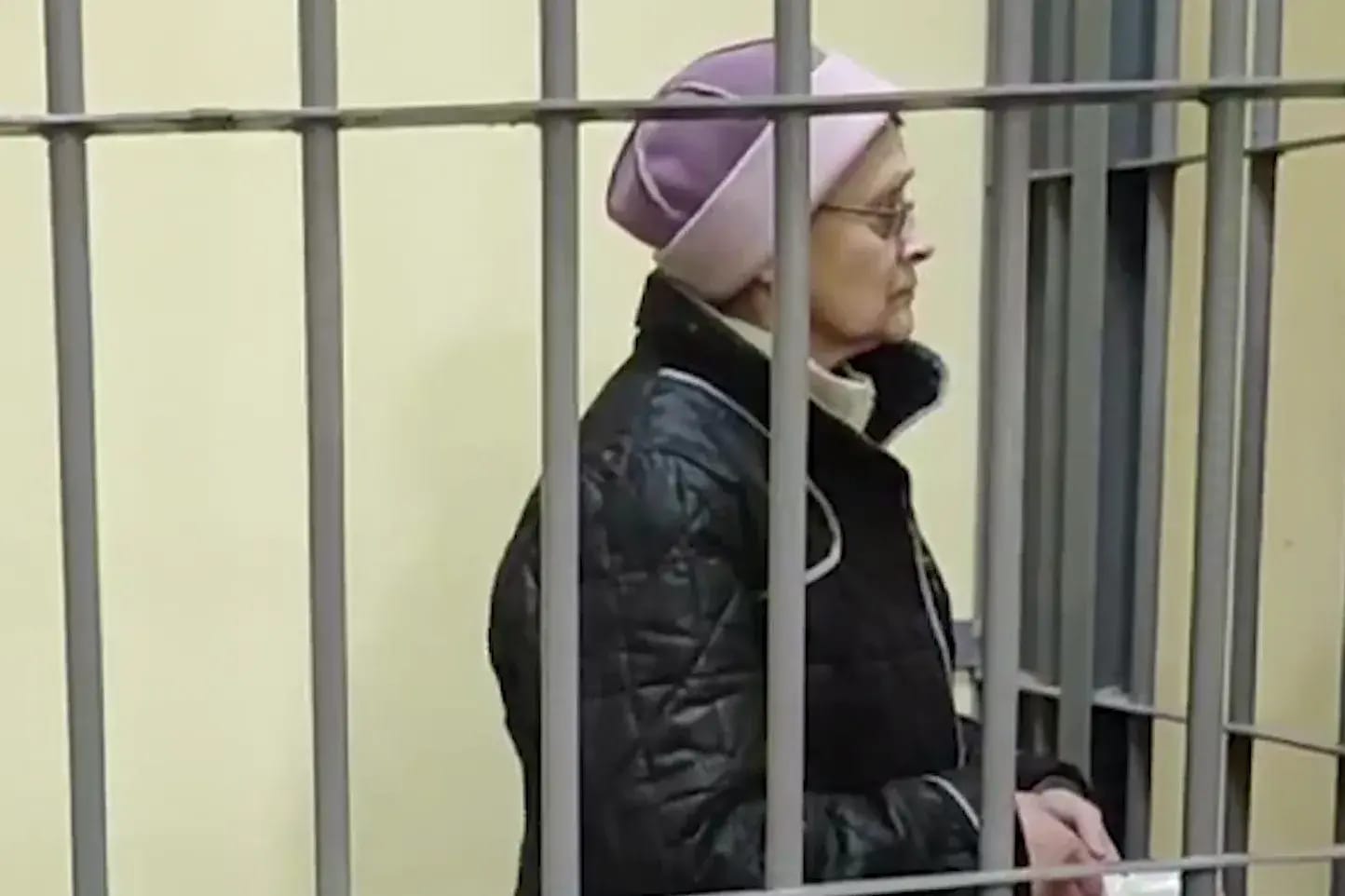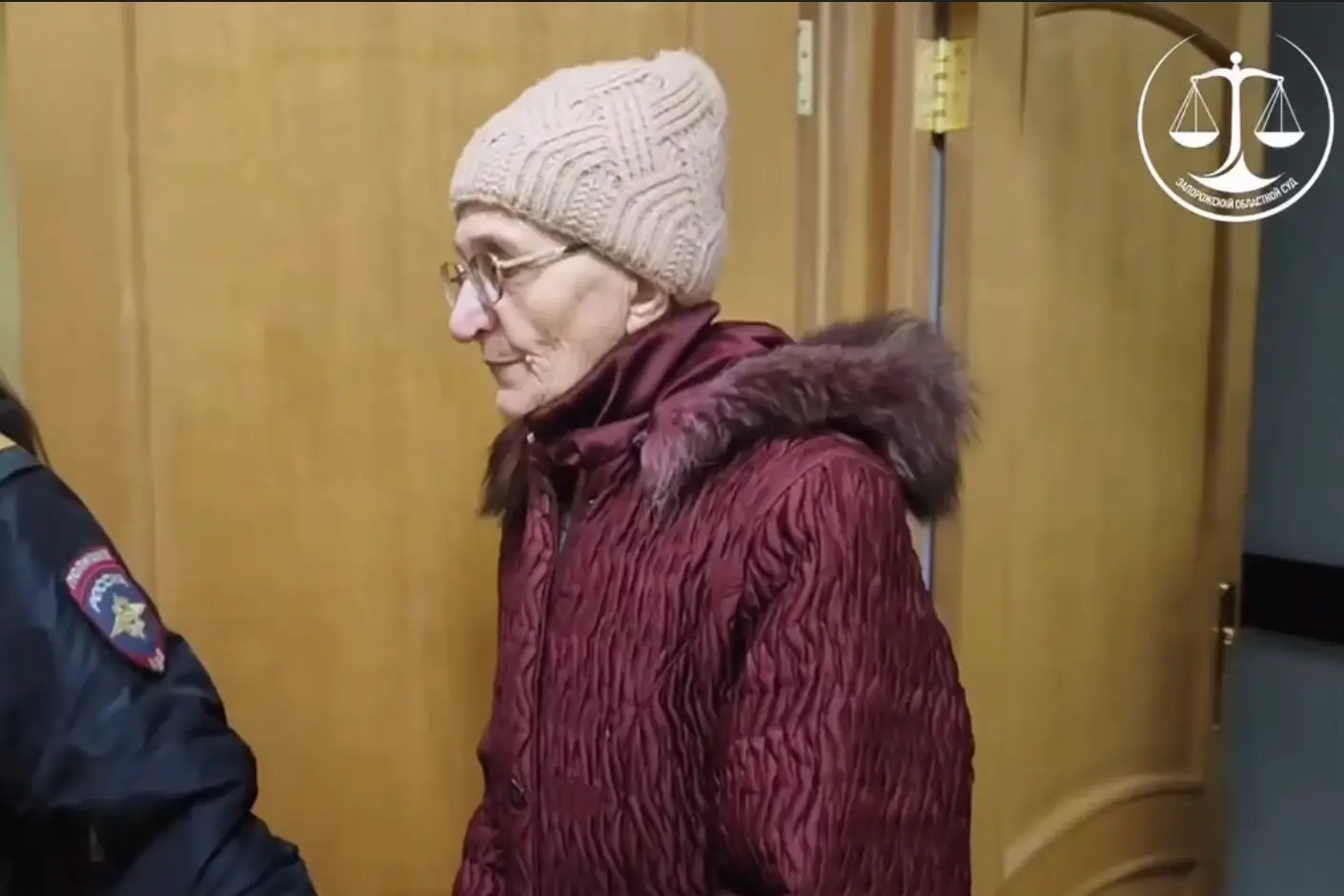
The Moscow Court of Appeals has increased the sentence against Halyna Bekhter, a 68-year-old resident of the Russian-occupied part of Zaporizhzhia Region who suffers from both dementia and cachexia, a life-threatening metabolic condition that results in severe weight loss and muscle deterioration. In March, Bekhter was convicted on charges of “state treason.” On Monday, her sentence was raised from 11 years to 12.5 years.
As reported by the independent media outlet SOTAvision, the hearing was held behind closed doors, and according to the defense, Bekhter’s physical and mental condition deteriorated sharply during her period of confinement in the Simferopol pretrial detention center. As the Russian court ruled, the fact that the crime attributed to Bekhter had been allegedly committed during the period of mobilization was an aggravating circumstance. The prosecution had requested that her sentence be increased to 16 years.
The Insider established that the judge who increased Bekhter’s sentence was Alexander Besedin. In the case profile on the website of the First Court of Appeal of General Jurisdiction, the defendant’s data is concealed; however, it was possible to identify her by the date of the ruling and the outcome of the proceedings.
In March, the occupation Zaporizhzhia Regional Court sentenced Bekhter to 11 years in a general-regime penal colony. According to the investigation, in July 2023 she made a bank transfer equivalent to $16 to support the Armed Forces of Ukraine from her account at a Ukrainian bank via a mobile application installed on her phone. The court also ordered the confiscation of the phone, the recovery of the transferred amount as state revenue, and the destruction of the bank card.
In May, human rights activist Daria Kostromina, citing letters from Bekhter’s cellmates, reported that she had stopped eating independently, stopped writing letters, and stopped caring for herself. She no longer recognized people and was struggling with basic daily activities.
The Insider previously reported that use of criminal cases against people who made financial transfers through Ukrainian banks has become a common repressive practice in the Russian-occupied territories of Ukraine. Frequently, the accused are elderly women.
According to estimates by the Memorial human rights group, the relative frequency of politically motivated prosecutions in the newly occupied territories of Ukraine is approximately eight times higher than in Russia itself. Human rights activists note that the number of cases involving “state treason,” “terrorism,” and sabotage is growing especially rapidly in the areas that Russia first occupied after the start of its full-scale invasion in 2022.