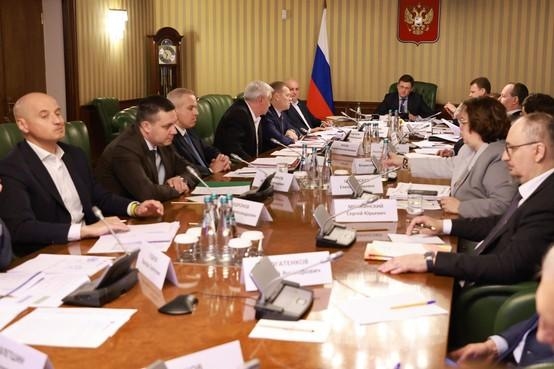
Russia has enough fuel for the domestic market, Deputy Prime Minister Alexander Novak recently claimed, arguing that panic buying has artificially increased demand by about 20% to 30%.
“The system’s logistics links are now being reconfigured to meet current needs,” Novak said. “Balancing the market will take some time.”
At the same time, the Kremlin is considering temporarily banning diesel exports by producers in order to redirect additional volumes to the domestic market. Novak said the issue would be discussed at a meeting later in the day. The ban could last several months.
Authorities had earlier introduced a full ban on gasoline and jet fuel exports and prepared changes to tax legislation intended to encourage an increase in the provision of domestic fuel supplies. Oil companies, the government says, have boosted production and deliveries, while scheduled refinery maintenance has been postponed.
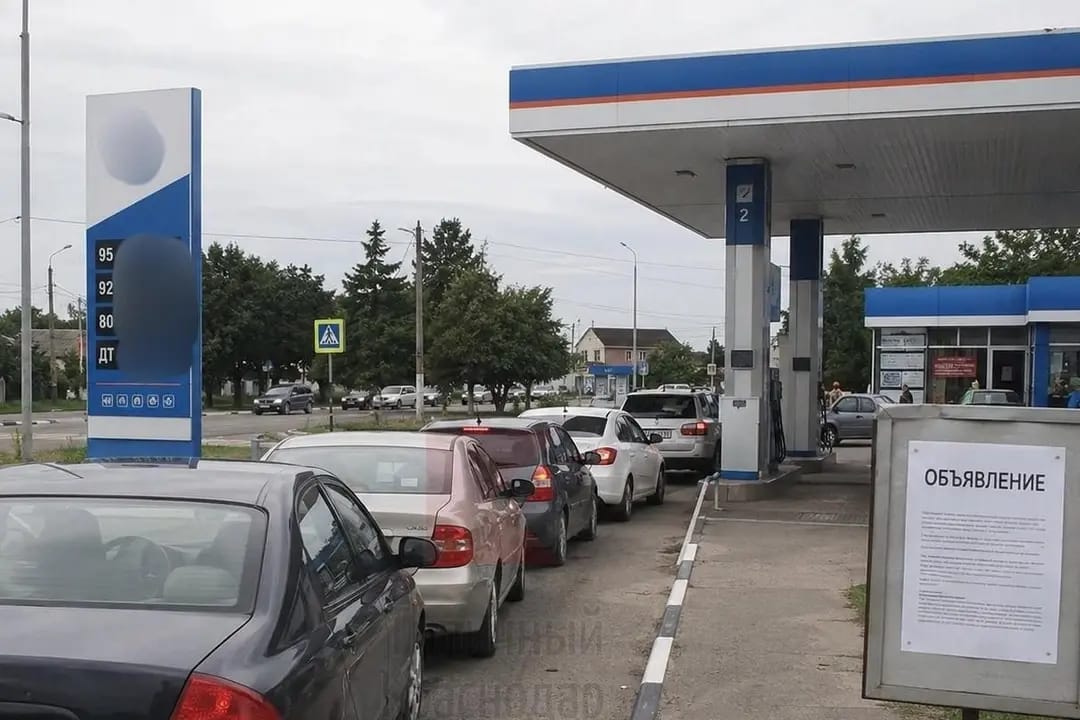
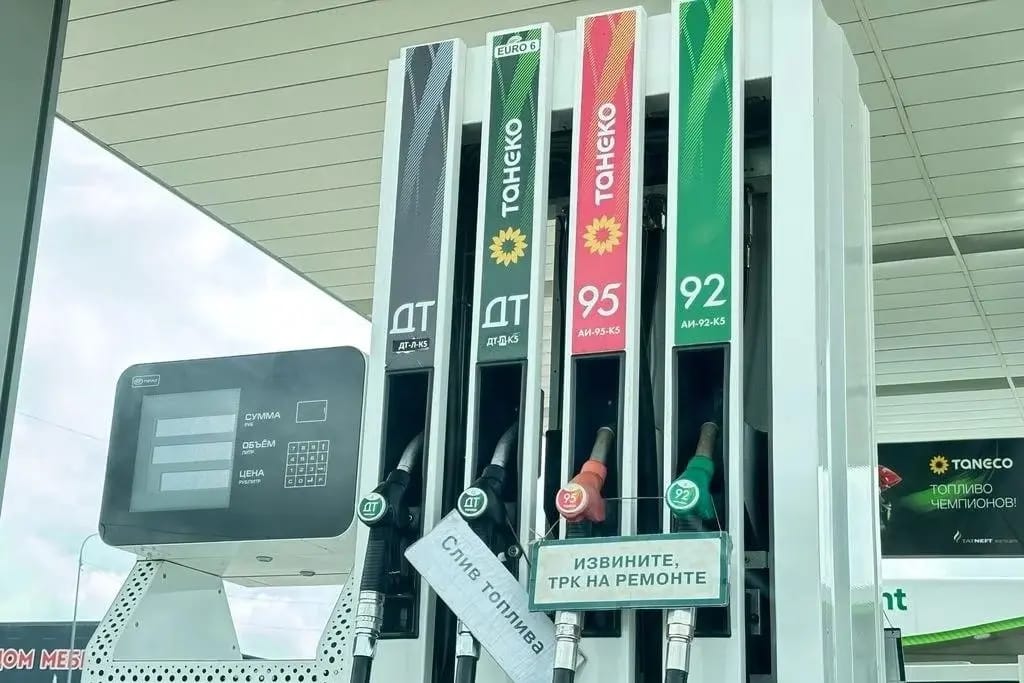
Despite official claims that fuel reserves are sufficient, reports of disruptions, lines, limits on gasoline sales, and bans on selling fuel into canisters have come from more than 80 Russian regions.
According to The Insider’s calculations, as of June 25, official regionwide fuel-sale restrictions were in place in 32 Russian regions, as well as in Russian-occupied parts of Ukraine. Including local measures in individual cities, districts, and towns, official restrictions had been recorded in 43 regions and occupied territories. In all, restrictions or disruptions had been reported in at least 83 regions and occupied territories.
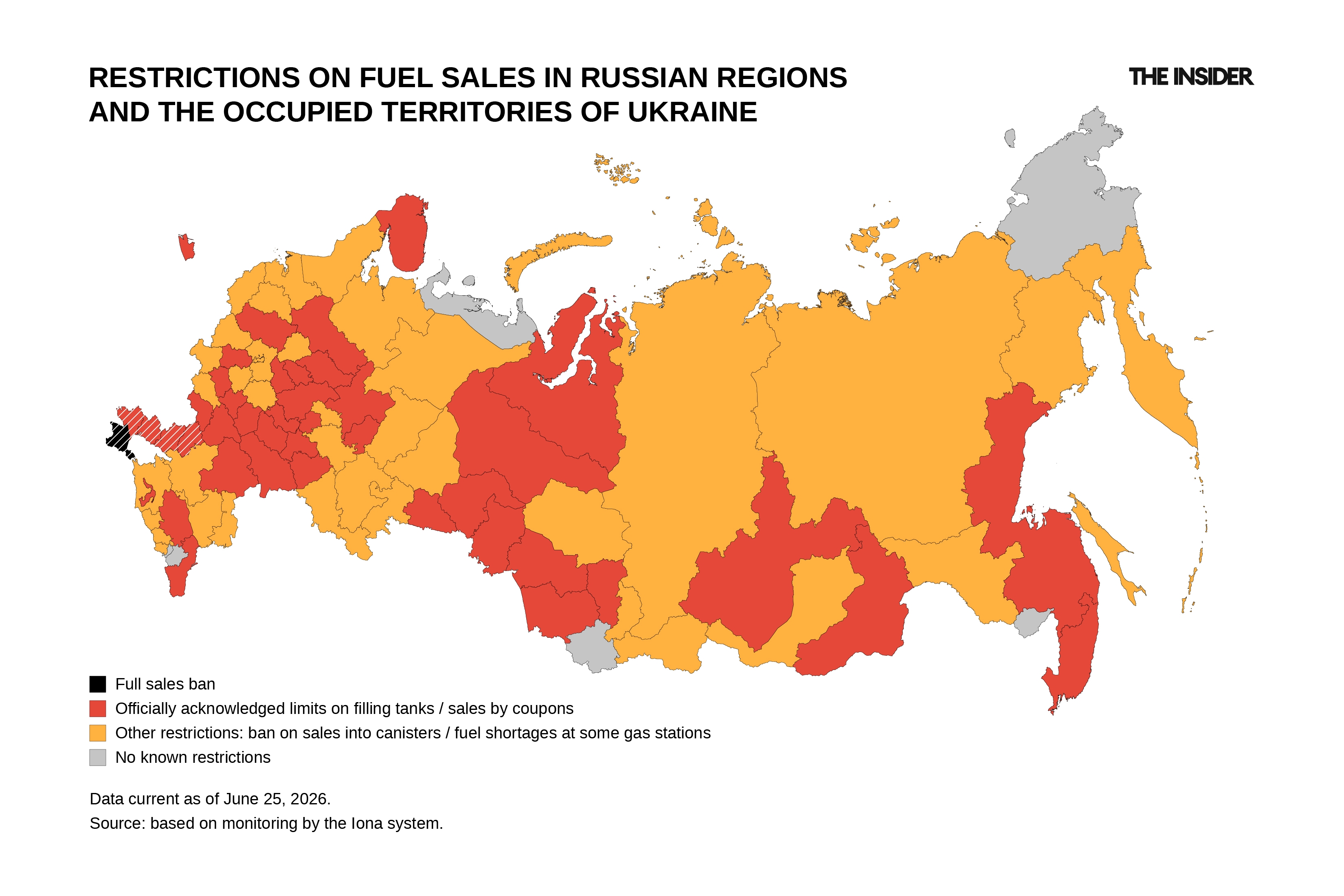
The restrictions most often involve bans on selling fuel into canisters, as well as limits on refueling — usually up to 20 to 40 liters of gasoline and up to 80 liters of diesel per vehicle. In some regions, a separate limit of up to 200 liters of diesel has been set for trucks along highways. Authorities in several regions have also introduced priority fuel supplies for government services, agricultural enterprises, and critical infrastructure.
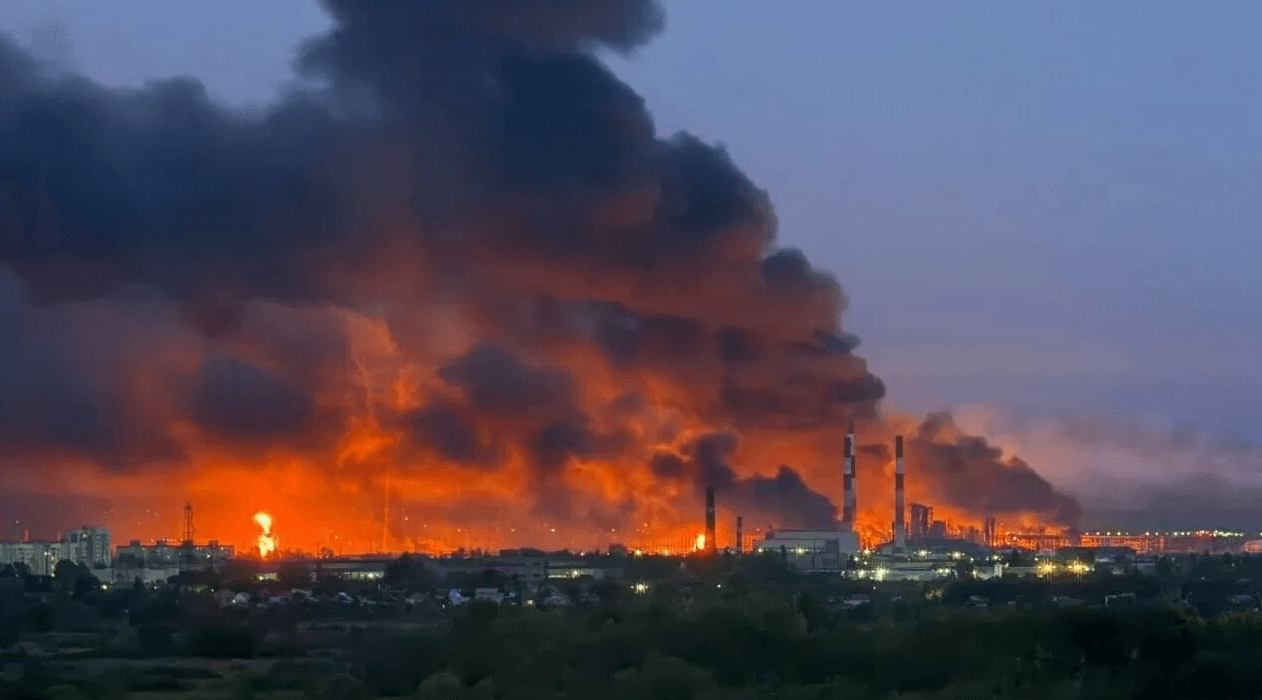
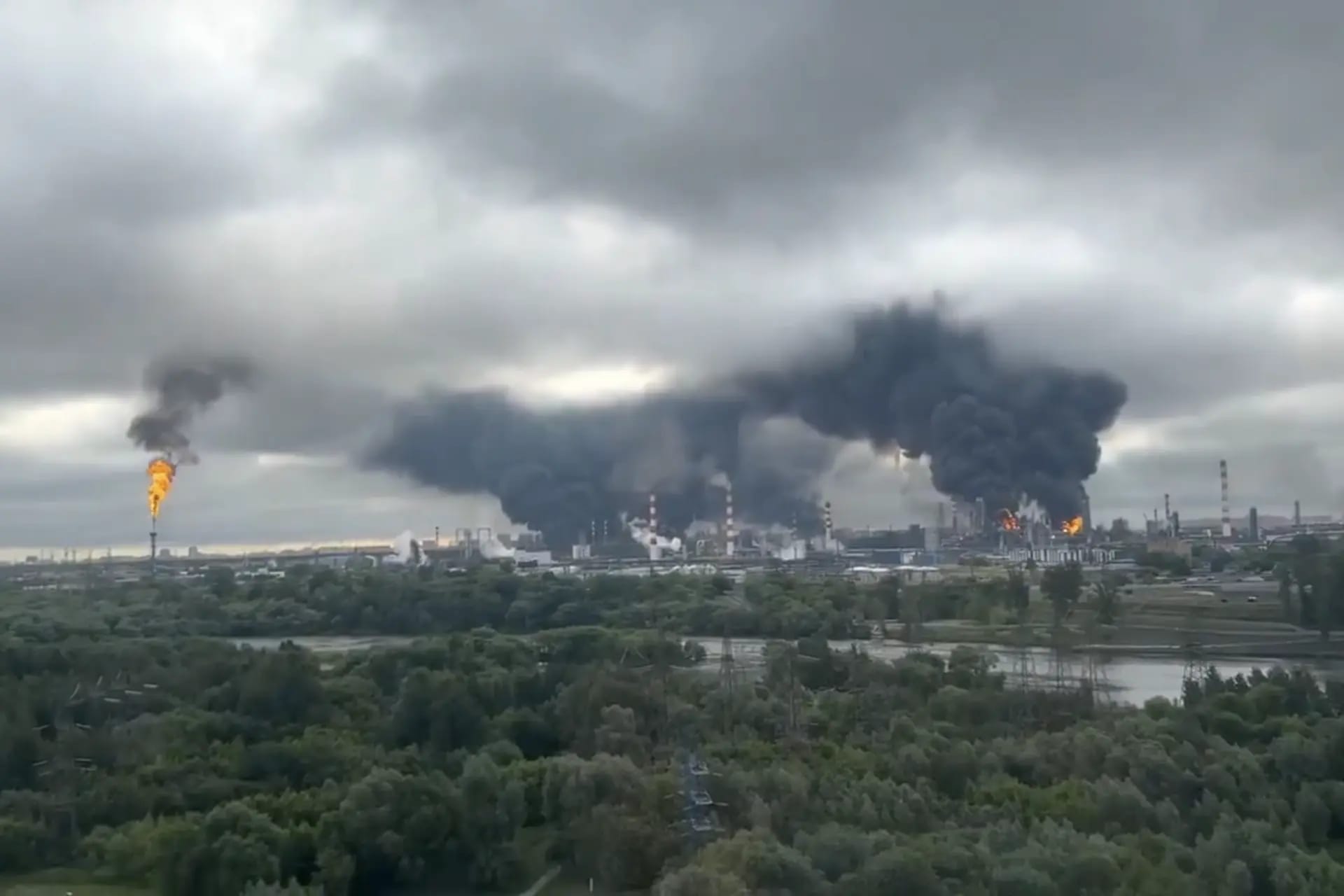
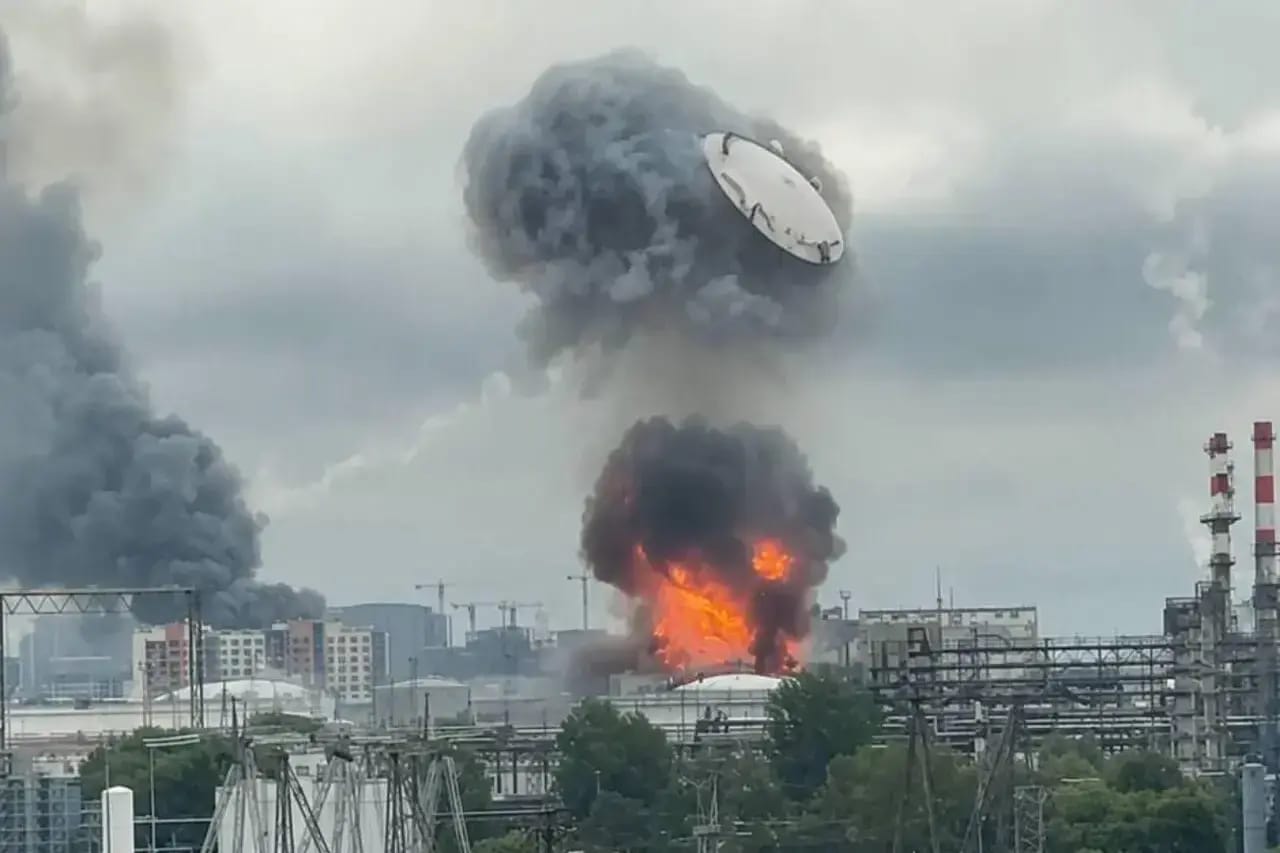
The situation is worst in occupied parts of Ukraine. In Crimea and Sevastopol, Russian occupation authorities have imposed a complete ban on fuel sales to the public. Regional officials generally do not publicly link the crisis to Ukraine’s ongoing strike campaign against Russian oil refineries and fuel depots. Instead, they cite “logistics restructuring,” changes to supply routes, seasonal demand, or panic buying. In some regions, officials effectively shift responsibility to gas station chains themselves. One of the main official explanations is “panic demand.”