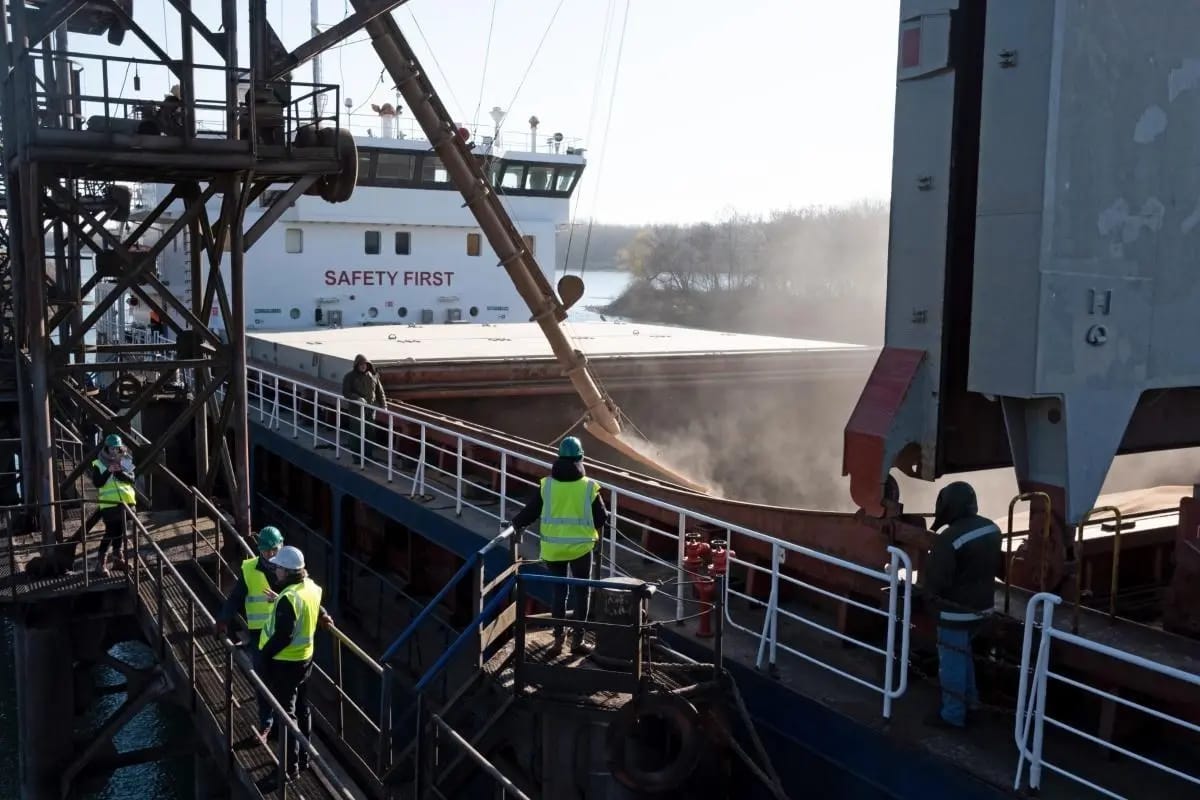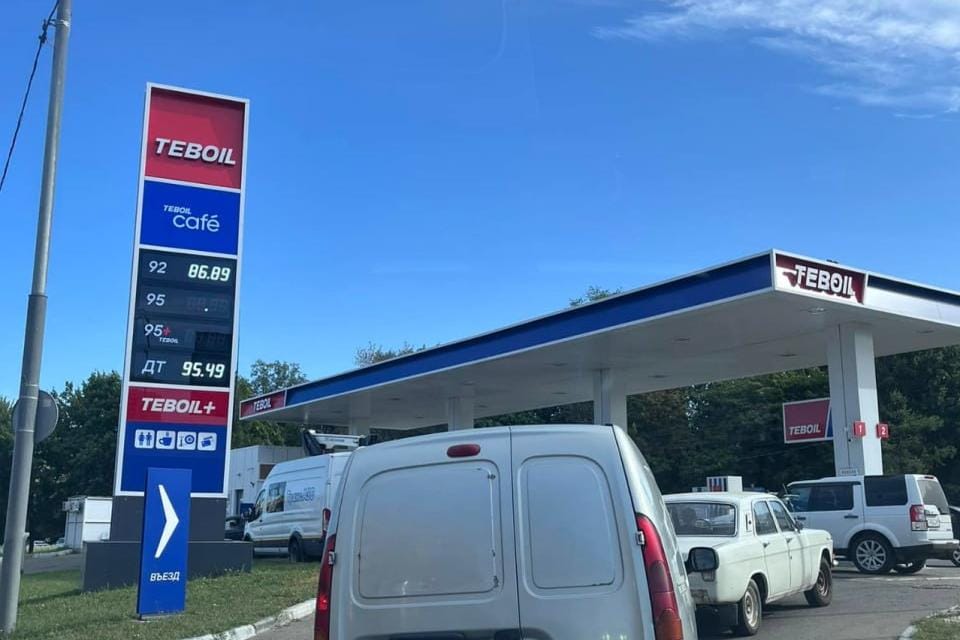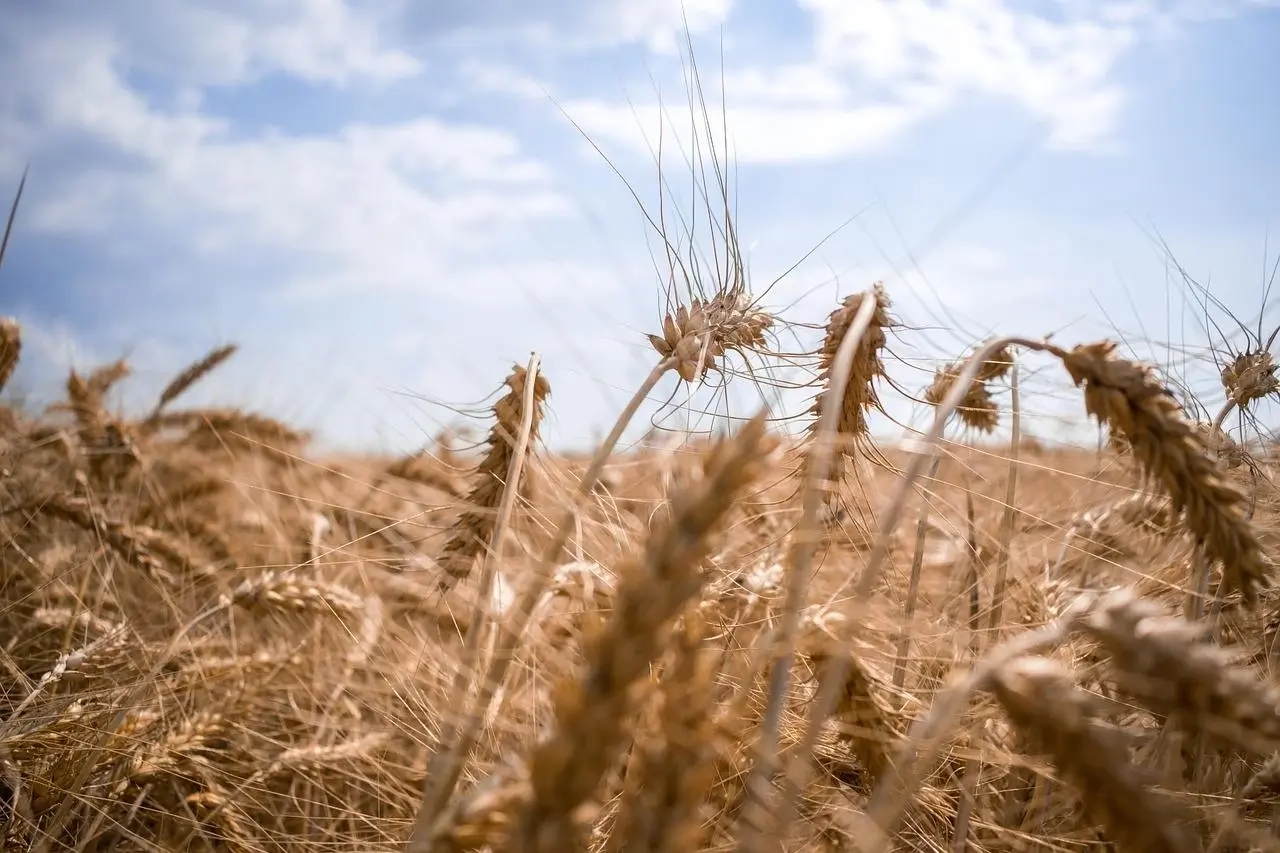
At least five grain ships departing from Russian ports came under Ukrainian attack in mid-August, and Russia’s summer harvest is facing a crisis amid export restrictions and diesel fuel shortages. To make it through the season and pay off their debts, farmers are selling off grain at prices as low as half the cost of production. The Agriculture Ministry is looking for solutions, but experts are skeptical about the proposed measures. Farmers themselves told The Insider that they now plan to sow less, while many have decided to leave agriculture altogether.
How fuel shortages have affected farmers
When Ukraine’s strike campaign against Russian oil refineries triggered a fuel crisis in June, farmers and market experts feared that part of the harvest could simply be lost. The grain harvest is indeed running late this year because of diesel shortages, Kuban farmer Andrei (name changed) tells The Insider:
“We only finished harvesting in August. That’s exceptionally late for us. And I’m seeing the same thing in neighboring regions. In Stavropol, colleagues are only now harvesting winter rapeseed, which is usually done in early July. The rapeseed is already shedding its seeds — it’s a very vulnerable crop when it stays in the field too long. Not all farms in Kuban have finished harvesting their wheat either. If it rains, the wheat could shed its grain and fall in quality.”
A crop left in the field past maturity not only produces less but also loses market value. For example, rain reduces protein and gluten content in winter wheat that is already ripe, and in Stavropol, farmers really are complaining en masse about problems with the harvest with some simply losing up to a third of their crop due to the lack of diesel.
Agriculture has been hit not only by the fuel shortage itself but also by government measures aimed at addressing it. Some have their own filling stations and buy diesel in bulk, but those who depend on regular gas stations have been affected by the same purchasing limits as everyone else. As farmer Andrei explains:
“It’s a perfectly workable arrangement, and gas stations had a discount system. But when they introduced fuel limits, that hit us too. Many combines in the district came to a halt. Some gas stations have now realized that they need to sell fuel to farmers. The local administration got involved, drew up lists, and farmers can drive up and refuel. But they were a month and a half late with that measure. At some gas stations in Kuban, they still refuse to dispense diesel into containers, saying you have to arrive in a vehicle and fill the tank directly. But if farmers arrive at gas stations in their tractors and combines, there will be total gridlock. The highways will be blocked, and we have a huge flow of people heading to the coast right now.”
Farms that buy fuel in bulk and refuel their own machinery face problems of their own. Paradoxically, wholesale diesel prices are currently higher than retail prices (wholesale fuel is sold at exchange prices, while major filling-station chains are holding down retail price increases).
Andrei cites the situation in his home region of Krasnodar. There, the wholesale price of diesel is more than 100 rubles per kilogram. Fuel bought on the exchange is measured by weight, which works out to roughly 85 rubles per liter. The retail price, meanwhile, has so far risen only to 76 rubles per liter.
Rostov region farmer Dmitry (name changed) tells The Insider that he is seeing even higher prices, but with the same gap between wholesale and retail: “There is simply no diesel, and everything is being delivered to farmers at a higher price — not the 80–90 rubles per liter you pay at a filling station, but 120. And the machinery consumes a huge amount. Working 40 hectares just once burns through 200 liters of diesel.”
There is simply no diesel, and farmers are being charged more for deliveries: not the 80–90 rubles per liter you pay at gas stations, but 120
Voronezh farmer Nikolai (name changed) says the fuel situation has improved since June: “It can be bought from suppliers at a more or less market price. It’s more expensive than at the beginning of the year, but not as critical as it was. It’s not three times more expensive than in February, but 60–70% more. However, as is so often the case in Russian agriculture, the situation has taken a turn for the worse elsewhere. Wheat prices have collapsed and continue to fall. They are already below the cost of production not just for this year, but even for last year.”
A double blow
The main consequence of higher fuel prices has been a sharp increase in the cost of agricultural production. At the same time, domestic grain prices have fallen to record lows as Ukrainian attacks have disrupted maritime logistics in the Black and Azov seas.
Farmers in Russia’s Black Sea regions and in the Ukrainian territories Moscow's forces currently occupy have historically relied on maritime exports. More than half of the grain produced there was shipped to Mediterranean countries and farther east.
Farmers are now facing a situation in which shipping in the Black and Azov seas has ground to a halt and their regular buyers have stopped purchasing. Ports are no longer accepting grain, and all receiving facilities are full, Dmitry says:
“On the domestic market, distilleries and bakeries have already bought enough for the next three months. Now those with storage facilities — traders and resellers — are buying wheat for 5–6 rubles per kilogram, compared with 14–15 rubles last August. Farmers are selling because they need to keep the wheat from rotting in the field — there wasn’t enough room in the storage facilities for all of it. They grew wheat for 10 rubles a kilo and are selling it for five or six. The harvest was also good this year. The quality, though, isn’t great — it’s more likely to be fourth-grade than third-grade.”
In some cases, harvesting the grain is now simply unprofitable, but farmers cannot just leave it in the field. As Dmitry explains: “First, birds will descend on it, then mice will multiply and devour half of next year’s crop. Second, unharvested wheat is a fire hazard: not only the field but the surrounding shelter belts could burn. Finally, plowing such a field the following year would be considerably harder and more expensive.”
You can’t leave the harvest in the field: birds will descend, mice will multiply, and unharvested wheat is a fire hazard
Anatoly Kolchik, head of the Rostov Region Grain Union, told Expert South that “the blockade of the Sea of Azov and the overload at Novorossiysk have driven domestic prices down to 6,000–12,000 rubles per ton, against production costs of 10,000–12,000 rubles.”
At the same time, according to Kolchik, “many farms are forced to sell grain for as little as 7 rubles per kilogram to pay wages, buy fuel and spare parts, and prepare for the autumn sowing season.” Even before the Ukrainian strikes on the Novorossiysk terminals, he had forecast that grain prices would be 40–50% below production costs.
What is happening to the grain terminals
On the night of Aug. 12, Ukrainian strikes on the port of Novorossiysk brought operations at the facility's two largest grain terminals to a halt. Two days later, grain analyst Andrei Sizov noted that navigation in the Sea of Azov had been suspended since July, while in the Black Sea “only Tuapse remains operational — the smallest of the deepwater terminals. Virtually all Russian grain exports through the Azov-Black Sea basin have come to a standstill.”
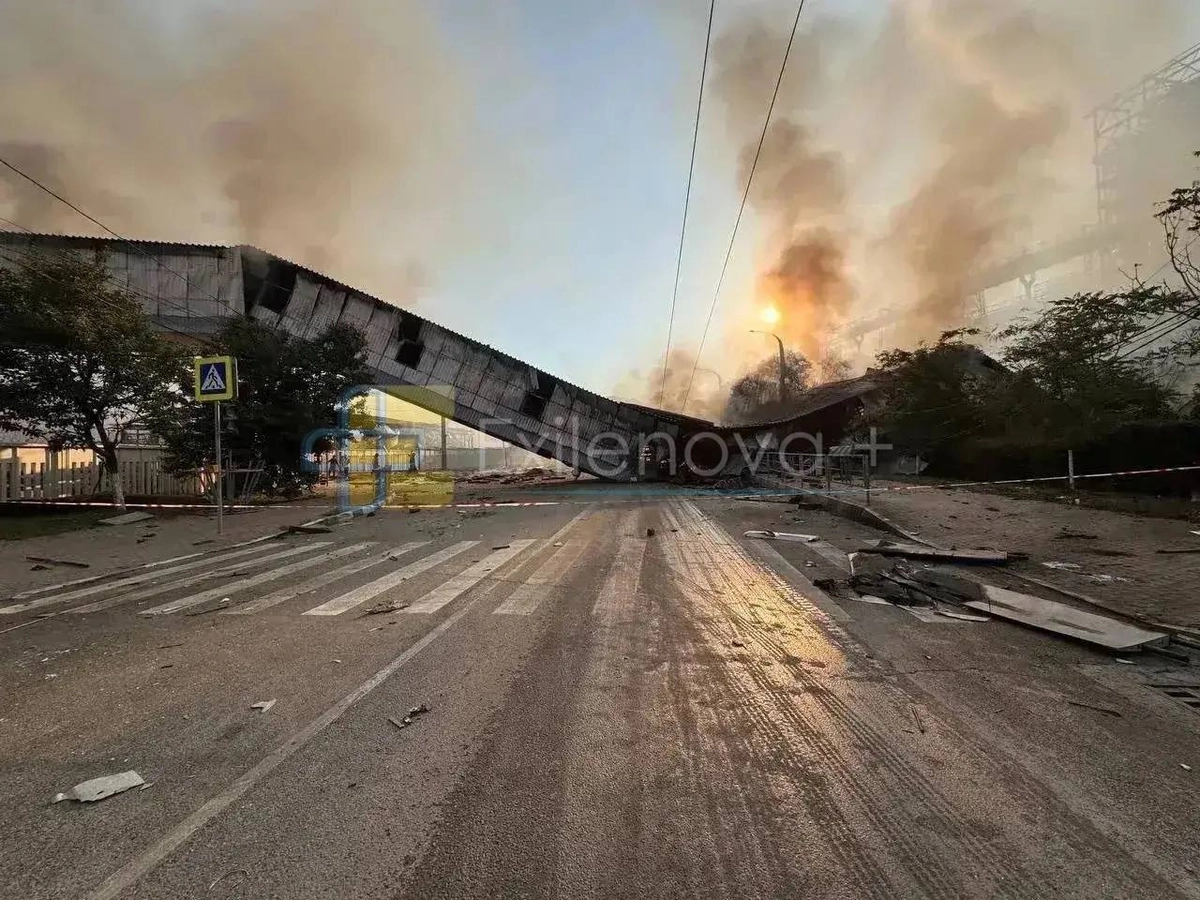
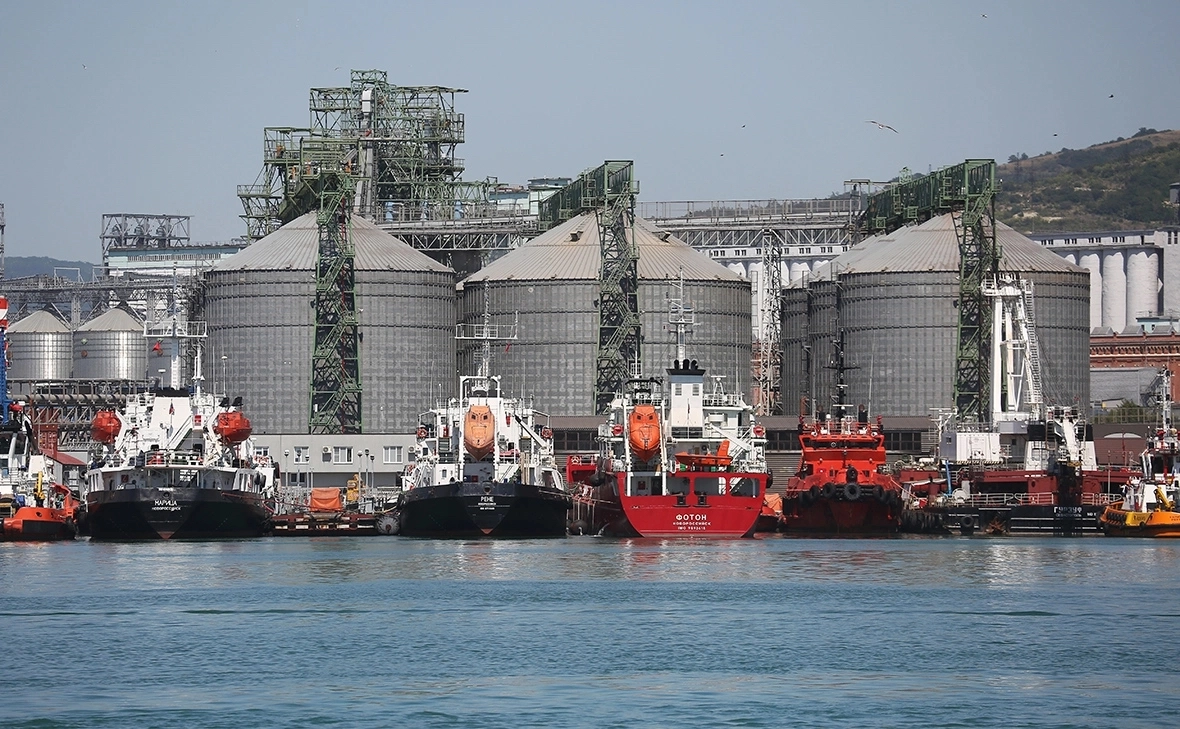
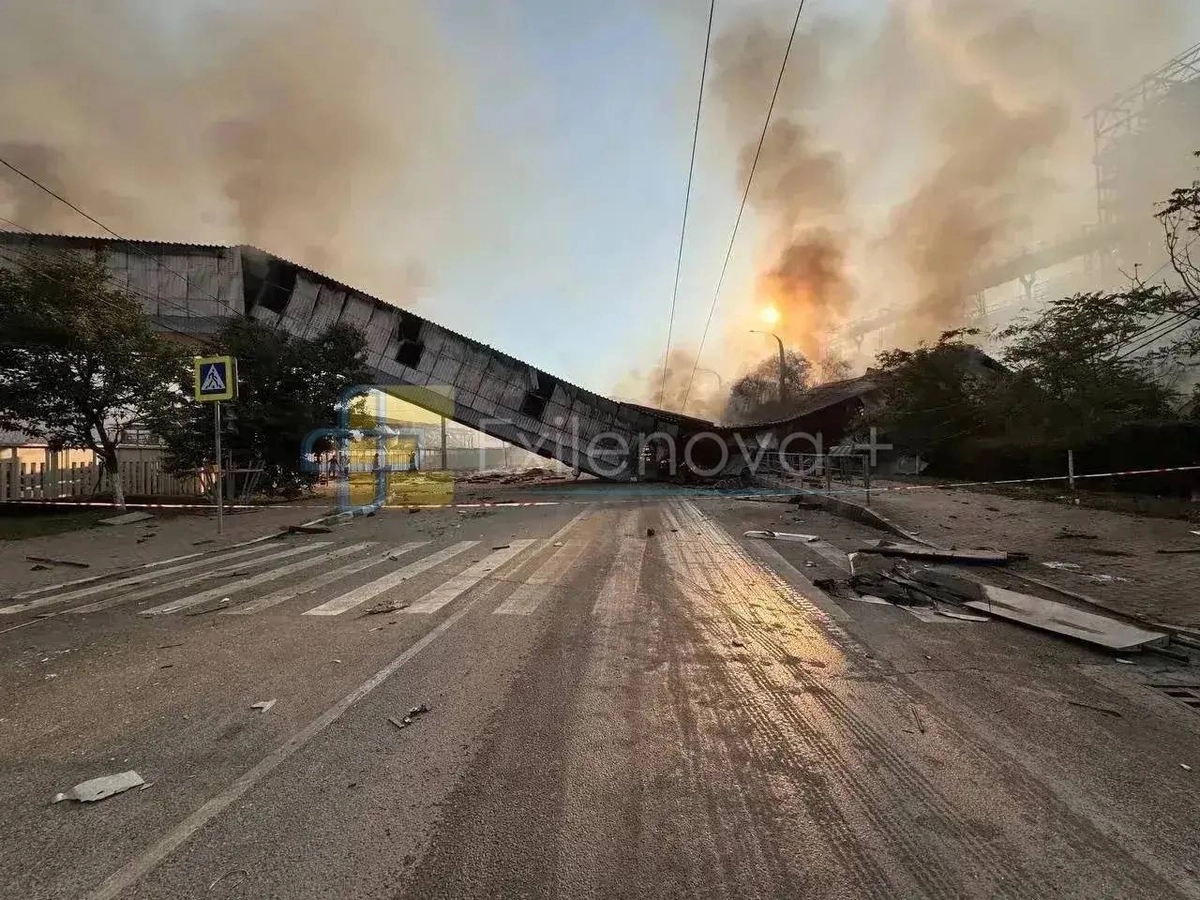
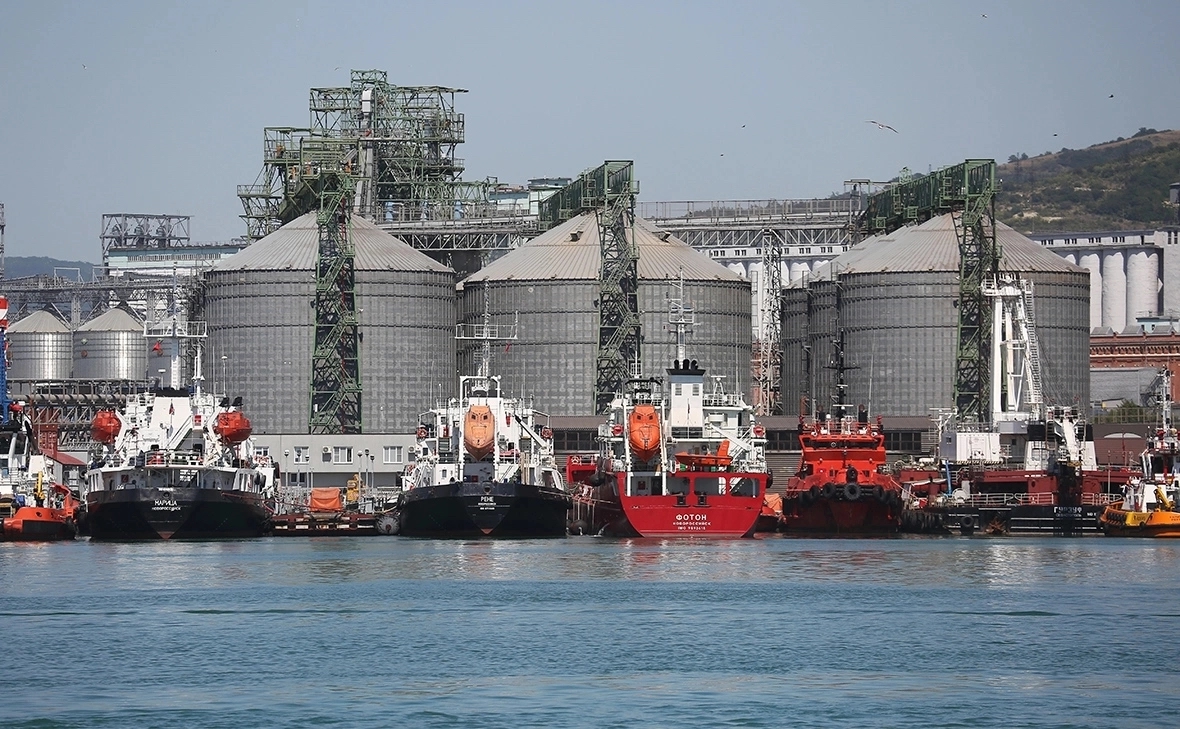
Ekaterina Yaressko of the Ukrainian investigative project Myrotvorets, which tracks grain shipments from occupied territories, providedThe Insider with a more cautious assessment: “One of Novorossiysk’s three grain terminals — NKHP — has indeed been shut down, and the situation with the other two remains unclear. At least one of them, KSK, is still operating. We can see that loading is continuing, but on a much smaller scale — the pace has slowed, and ships are waiting for extended periods.”
There is virtually no shipping in the Sea of Azov, the route through which grain from Crimea and other occupied territories was previously exported, Yaressko notes, and the Kerch-Yenikalsky and Azov-Don canals are closed. At first, cargo flows were redirected to Novorossiysk, home to three major terminals that have a combined annual capacity of 18–19 million tons of grain. In normal years, they did not operate at full capacity but still handled roughly one-third of Russia’s total grain exports. Loading there has now become nearly impossible as well.
As a result, wheat prices inside Russia continued to fall after the strikes on the city. According to calculations by Andrei Sizov, third-class wheat fell 2.8% during the week of Aug. 10–16, while fourth-class wheat fell 3.1%. The analyst expects prices to continue declining.
Global grain prices, meanwhile, are rising, notes Joseph Glauber of the International Food Policy Research Institute. By early August, they were already 25% above January levels and now stand at their highest point in two years.
The rise in global prices is the result of more than just the Ukrainian attacks on Russia’s maritime logistics and Russian strikes on Odesa. As Glauber told The Insider, “A poor harvest is expected in the United States, Canada, and across the Northern Hemisphere in general. Since the full-scale invasion, Ukraine has already shifted a significant share of its grain exports to land routes or the Danube. But this year, those routes are constrained by low water levels in the rivers."
Glauber also notes that there has not yet been any significant change in global stocks: reserves worldwide have not been depleted, nor are storage facilities in Russia and Ukraine overflowing. Still, these two countries now account for around 32% of global wheat trade, and it is difficult to say who will fill the gap in the market:
“Mediterranean countries and the Middle East are heavily dependent on Russia and Ukraine. They will have to turn to the United States, and possibly Argentina and Australia, but that will be expensive. In the long term, I think this niche will remain with Russia and Ukraine. Over the past several decades, both countries have demonstrated that they are capable of reclaiming their place in global food trade.”
But that is a question for the future. This year, the grain market has already taken a hit, and as analyst Andrei Sizov writes, "I think many producers will not survive this season — especially after several years of deteriorating financial conditions caused by export duties.”
Support measures
Russia’s Agriculture Ministry held a closed-door meeting to discuss support measures, Russian business publication RBC reportsed in mid-August. Three options were proposed: extending preferential loans for farmers, providing subsidies, and using state funds to buy grain in order to prop up demand.
The loans could be extended for up to one year, but only in regions with a grain surplus. This primarily concerns southern Russia and occupied Crimea, where the harvest is largely complete (and a good one at that) but farmers are unable to sell or export it because of Ukrainian attacks disrupting maritime logistics. There are no specifics on the subsidies yet, but as for government grain purchases, they are usually carried out by the state-owned United Grain Company (OZK). According to RBC, the company has already begun looking for available storage capacity.
Experts interviewed by RBC support the proposed measures. Ksenia Bolomatova, executive director of the Union of Grain Exporters and Producers, believes they would ease pressure on farmers’ working capital and allow them to prepare for the next sowing season. Ilya Bereznyuk, managing partner of Agro&Food Communications, said they would help bridge the cash-flow gap and prevent farmers from being forced to sell their grain at excessively low prices.
However, Alexander Korbut, vice president of the Russian Grain Union, openly acknowledged in an appearance on the Rural Hour program that government grain purchases might not work at all: “To fix the situation, we would need to purchase somewhere around 20–30 million tons of grain. We simply don’t have that kind of money in the budget. That’s one problem. And secondly, we don’t have enough storage capacity.” The intervention fund already holds around 3.7 million tons of grain.
To fix the situation, the government would need to purchase around 20–30 million tons of grain, but there is no money for that in the budget
Analyst Sizov calculated that subsidies capable of making a meaningful difference would require 340 billion rubles from the state budget. “Crop farming has no chance of receiving anything like that,” he concludes.
Another support measure involves assistance with shipping grain via routes that bypass the southern ports. The Russian government is preparing to allocate around 10 billion rubles ($116 million)to subsidize rail transportation of agricultural goods, Vedomosti reports. Since 2019, the Agriculture Ministry has set the annual volume of agricultural goods eligible for preferential rail rates — and the quota has already been exhausted for this year. Additional funding would allow it to be increased.
Sources who spoke to The Insider are skeptical about these plans. Joseph Glauber says the Baltic lacks sufficient infrastructure for grain imports, while Russia already engages in intensive trade with Iran through the Caspian Sea route: “I don’t know how much that could be increased to make up for Black Sea exports. In addition, Ukraine has already carried out successful drone strikes in the Caspian.”
Ekaterina Yaressko is also doubtful that grain shipments through the Caspian can be increased: “A lot of grain is already being transported there, so I doubt they can handle much more. There are large grain terminals at Vysotsk and Ust-Luga on the Baltic, but they are already being used, and the bottleneck there will be the rail network.”
Indeed, Baltic grain terminals are already busy. Historically, they have handled grain from Central Russia, the Volga region, the Urals, and Siberia. Igor Petrin, CEO of the Petrakovskoye agricultural company in Novosibirsk Region, told Business FM that southern grain will now be redirected to northern ports at preferential rates, effectively displacing Siberian producers. “The only place we can ship to today is China by rail,” Petrin said.
Just like in the south, the harvest in Novosibirsk Region is still in full swing, and it is facing many of the same challenges. The pea harvest is already complete, but there is no demand for it. Wheat and barley harvesting has only just begun, but buyers are offering 10–15% less than last year.
Farmers’ response
Petrin plans to switch to less conventional crop, saying that some farmers in Novosibirsk Region are already reducing their planted acreage, while others have decided to leave agriculture altogether. Another source in the same Business FM article, Alexei Zhdanov, chairman of the council of the Association of Peasant Farms and Agricultural Cooperatives of Rostov Region, predicts that planted acreage will shrink by 30–40%.
Kuban farmer Andrei has also decided to reduce his wheat acreage. “Our country doesn’t need it. We don’t see any support. I’m going to change my crop rotation in favor of higher-margin crops, because that’s the only way to make it work,” he told The Insider.
Farmers say that the fuel shortages and the disruption to maritime logistics are further exacerbating problems that began accumulating due to the start of the full-scale war in 2022. As Rostov farmer Dmitry explains:
“When the ‘special military operation’ began, tractor drivers were taken away en masse, and now they’re tank crews. There were a lot of unreliable people and alcoholics working in unskilled jobs — hand this over, fetch that, tighten a nut. They were also taken away en masse for the ‘special military operation,’ and half of them have already been [killed]. So many farmers shut down their operations, especially among the older generation. They sold off their machinery and kept just 50 hectares to feed their livestock.”
Over the past four years, the prices of fertilizer, agrochemicals, and spare parts have risen sharply. Dmitry continues: “Before the ‘special military operation,’ it cost three rubles to grow a kilogram of wheat. Then it went up to six rubles. And now, with diesel getting more expensive, it has reached nine.”
Agricultural machinery has become 50–80% more expensive over the past four years, Andrei adds, with some equipment rising even more. A tractor he had planned to buy for 6 million rubles before the full-scale invasion now costs 12 million.
For now, the farmers who spoke to The Insider still retain some hope. Andrei has finished harvesting and is in no hurry to sell his crop, waiting to see what happens in the market. Dmitry is counting on the ruble weakening: “The dollar is low right now. It will rise, and grain will become more expensive. There’s still hope that prices will go up and the ports will reopen. A farmer’s entire life is basically a lottery — whether you sow early or late, whether you apply those fertilizers or not, whether you start harvesting on time or not. That’s the situation now, but nobody knows what next year will bring.”
A farmer’s entire life is basically a lottery: whether you sow early or late, whether you apply those fertilizers or not, whether you start harvesting on time or not
Anatoly Kolchik, director of the Grain Union of Agricultural Producers of Rostov Region, told Expert South that he knows farmers who are already putting their farms up for sale. Indeed, specialized marketplaces now carry numerous new listings for operating agricultural businesses. A Stavropol realtor who specializes in this type of property told The Insider that there is no rush to sell, but that the number of small farms — those of up to 1,000 hectares — on the market has clearly increased.
Several sellers also responded to The Insider’s inquiries. The owner of a berry farm in Rostov Region said prices in his sector had collapsed this year and that he had decided to change professions. Another seller, who represents the owner of a grain farm in the same region, described the situation in the third person: “There is one owner, and he has four companies. He’s managing, but the quality of the work is declining. A lot of people have been taken for the ‘special military operation,’ and there’s no team left to develop the business. He wants to sell one company and improve the performance of the others.”