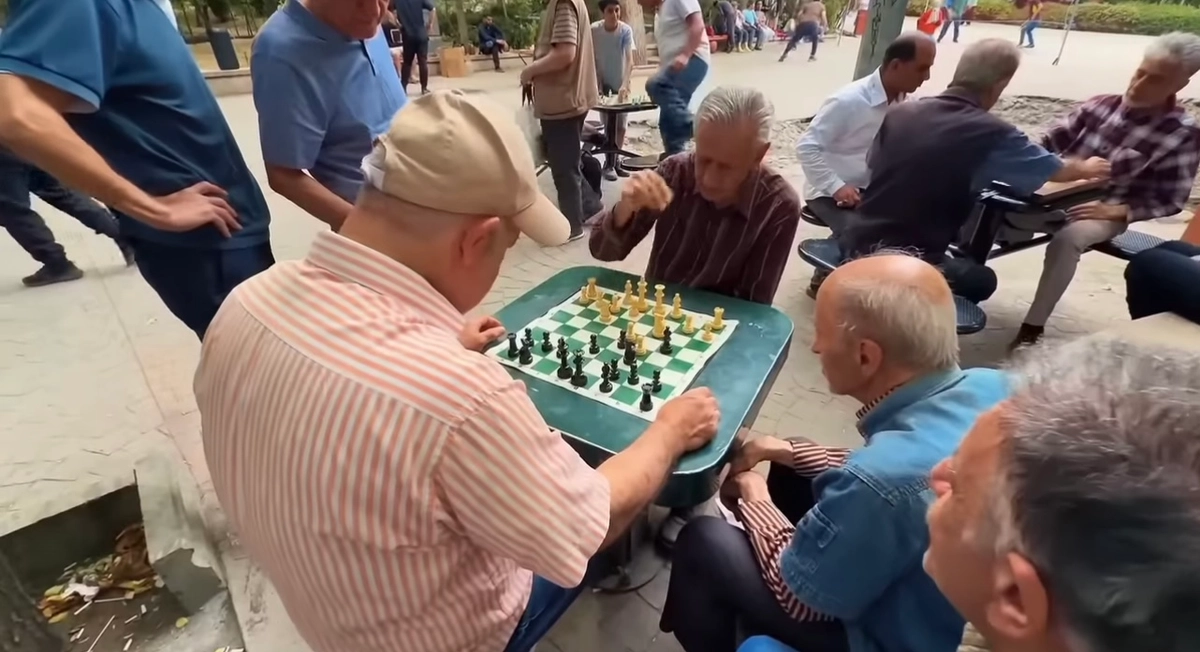
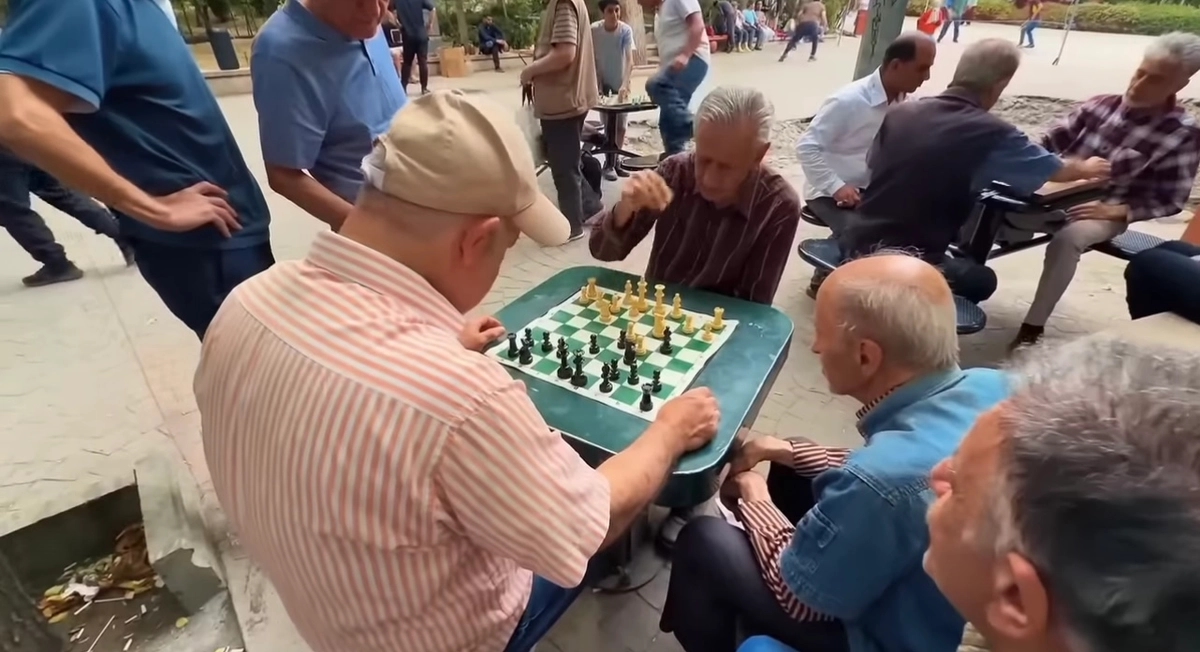
Since U.S. President Donald Trump and Iranian President Masoud Pezeshkian signed a memorandum of understanding in mid-June, life in Iran has largely returned to normal. Streets are once again crowded, young people gather in shopping malls, and retirees play chess in public parks. At the same time, however, the economic crisis continues to deepen: a monthly salary is enough to cover little more than groceries, unemployment is on the rise, and child labor is widespread. Internet access has been only partially restored, while repression of regime opponents has intensified. Some Iranians hope the war will resume — and ultimately bring about the regime’s downfall. Others, however, have rallied around the authorities in the wake of the bombing campaign.
“Topple the idols”
On June 25, during Ashura — an important religious observance for Shiite Muslims — the voices of Iran’s political opposition were once again heard on the country’s streets. In recent months, they had largely fallen silent amid the war and the wave of repression that followed the deadly crackdown on the January protests.
At Ashura mourning ceremonies, participants sang songs calling on their fellow countrymen to “topple the idols and the palaces of tyrannical rulers,” along with a song that has become a symbol of remembrance for protesters killed by the security forces. In several cities, participants carried photographs of those killed during the processions and read their names aloud. In Tehran, the mother of a slain regime opponent addressed the crowd, urging them “not to let my son’s path fade away.”
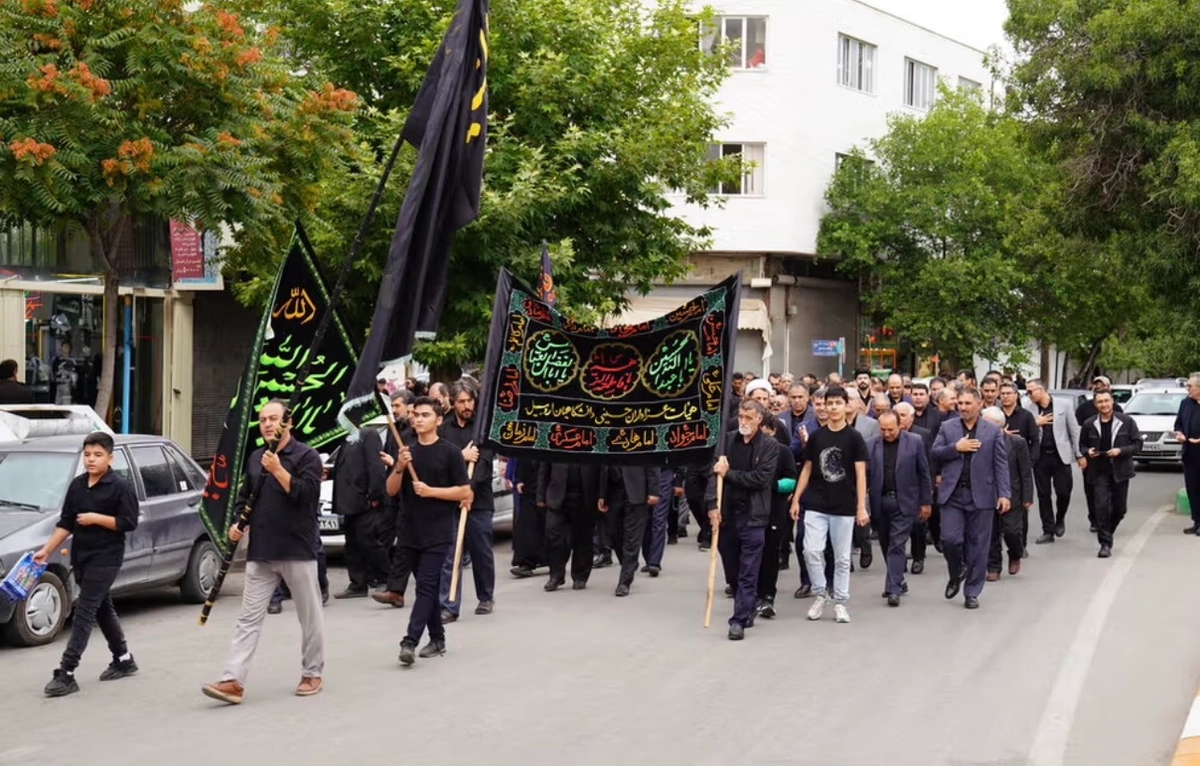
Supporters of the Islamic Revolutionary Guard Corps (IRGC) also used Ashura to promote their own narratives, calling for continued confrontation with the United States and criticizing negotiations with Washington. This is nothing new in Iran: Ashura religious ceremonies have long served as a platform for political expression.
Aside from the holiday marches, there have been no major anti-government protests in recent weeks. Pro-government rallies, however, continue to take place regularly. According to an activist with the Iranian media project Mamlekat (who asked not to be identified), these rallies are entirely organized — and sometimes financed — by the state.
“The situation is simply terrible”
Life has largely returned to its prewar routine. Streets are once again crowded with people and cars, retirees play chess and backgammon in parks while children run nearby, and others exercise outdoors. Cities are filled with brightly colored signs.
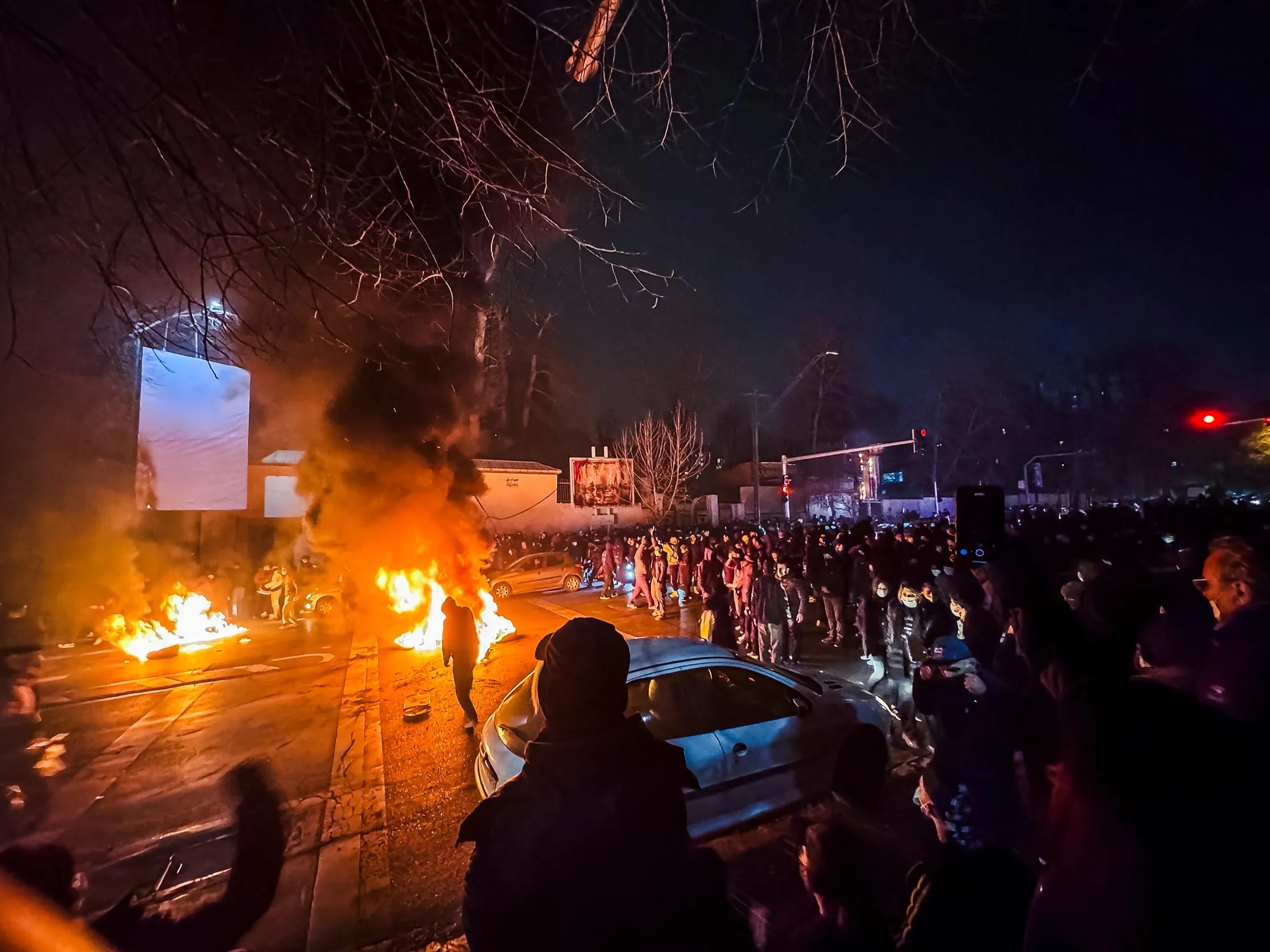
Cafés and shops were open even during the war, but since prices soared, people are visiting them less and less. By the end of 2025, the Iranian rial had fallen to a record low of roughly 1.45 million to the U.S. dollar. At the same time, food inflation reached about 70%, one of the highest rates in the world. It was this economic crisis that triggered the mass protests in January 2026.
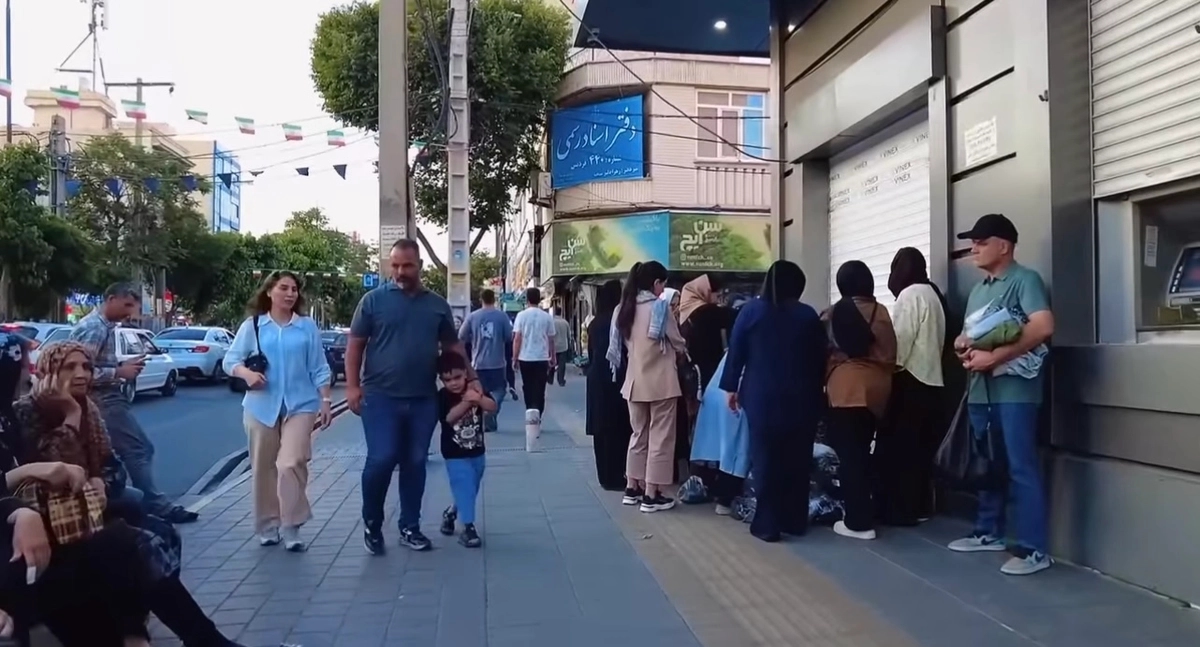
“The economic situation is simply terrible. Over the past three months, the prices of goods have doubled,” M., a resident of a major city in southern Iran, told The Insider. He works at an electronics store and earns about $170 a month, which he says is above the national average. “That money only pays for food and internet access. People can’t support their families anymore, and even children have to work,” he says with a shrug.
Indeed, the head of the Iranian Association of Social Workers, Hassan Mousavi Chalak, said that worsening economic conditions have forced children into street vending, slaughterhouses, livestock farms, underground workshops, orchards, agricultural fields, and industrial enterprises.
Outside of work, M. watches movies and TV series and spends time outdoors with friends. “Most people around me talk about politics, the war, and rising prices. Sometimes you wonder whether someone might be eavesdropping, but overall I don’t feel an atmosphere of fear. The situation is bad, but life goes on,” he says.
Iranians, unlike Russians, do not generally shy away from political discussions. They openly debate politics in the streets and on public transportation, even with people they barely know. This characteristic was also noted by Middle East expert Ruslan Suleymanov, who visited Iran during the war.
M. holds opposition views, and he had genuinely hoped that after Donald Trump called on Iranians to occupy government buildings, the American president would follow through with concrete help for the country’s protesters. The Insider's source had hoped the clerical regime could be brought down by military means.
“Why did Trump make a deal with those who recently killed 40,000 people? Many believe that if Israel had acted alone and the U.S. had stayed out of it altogether, the outcome would have been much better,” M. says. He is angry, but still hopes the war will resume – and end differently this time.
“There is now profound disappointment with Trump in Iranian society,” confirms an activist with the media project Mamlekat. “He made a lot of promises but in the end achieved nothing — he only took away people’s hope. The biggest disappointment is this: if not even Trump could topple this regime, then how are we supposed to do it?”
“Trump made a lot of promises but in the end achieved nothing — he only took away people’s hope.”
Tehran-based blogger Elena Zivdar expresses similar sentiments: “Many people believe that if the war resumes, the situation will improve, and they want it to start again. People are so exhausted by the economic downturn, sanctions, and uncertainty that they have lost hope for positive change.” At the end of June, after the memorandum of understanding with the United States was signed, Elena and her Iranian husband left the country.
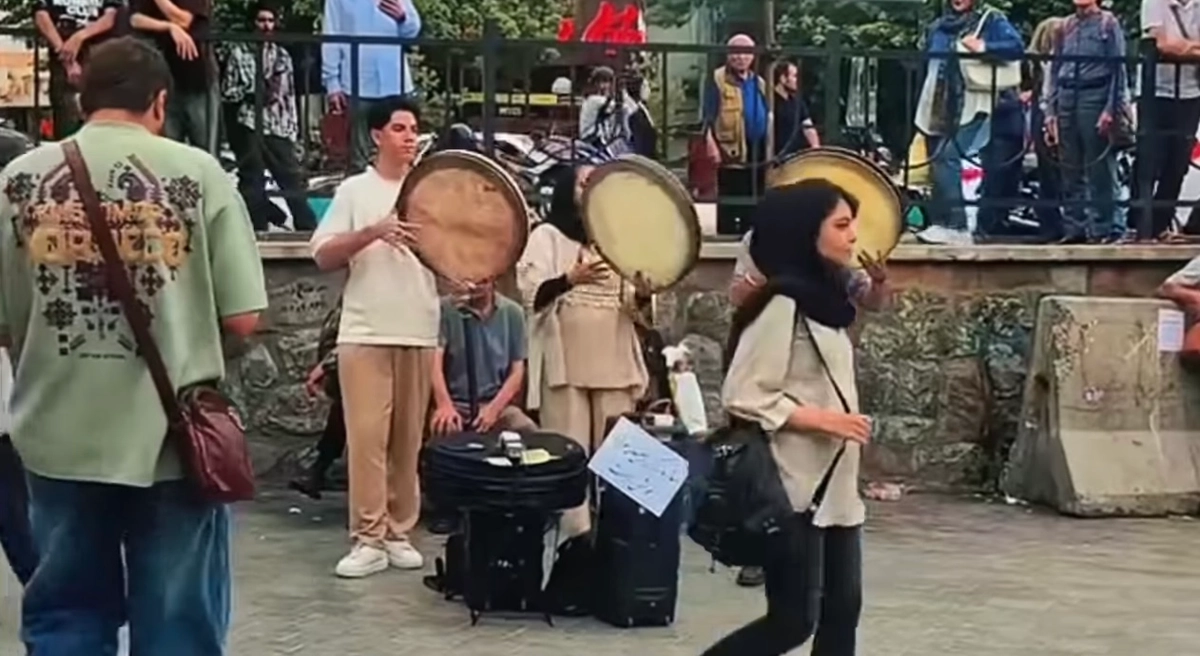
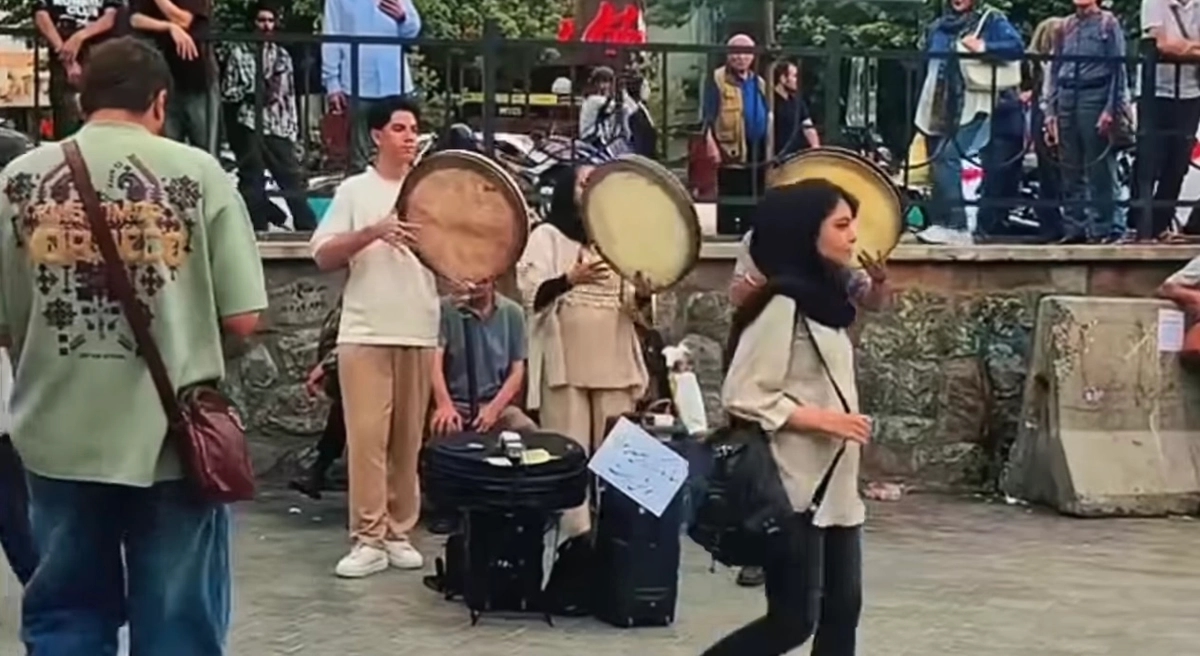
According to the blogger, many Iranians lost their jobs after industrial facilities were hit during the war, leaving street vending as the only source of income for some. Throughout Tehran, people now sell carpets, clothing, and household appliances on the streets, while buskers and performers entertain passersby nearby.
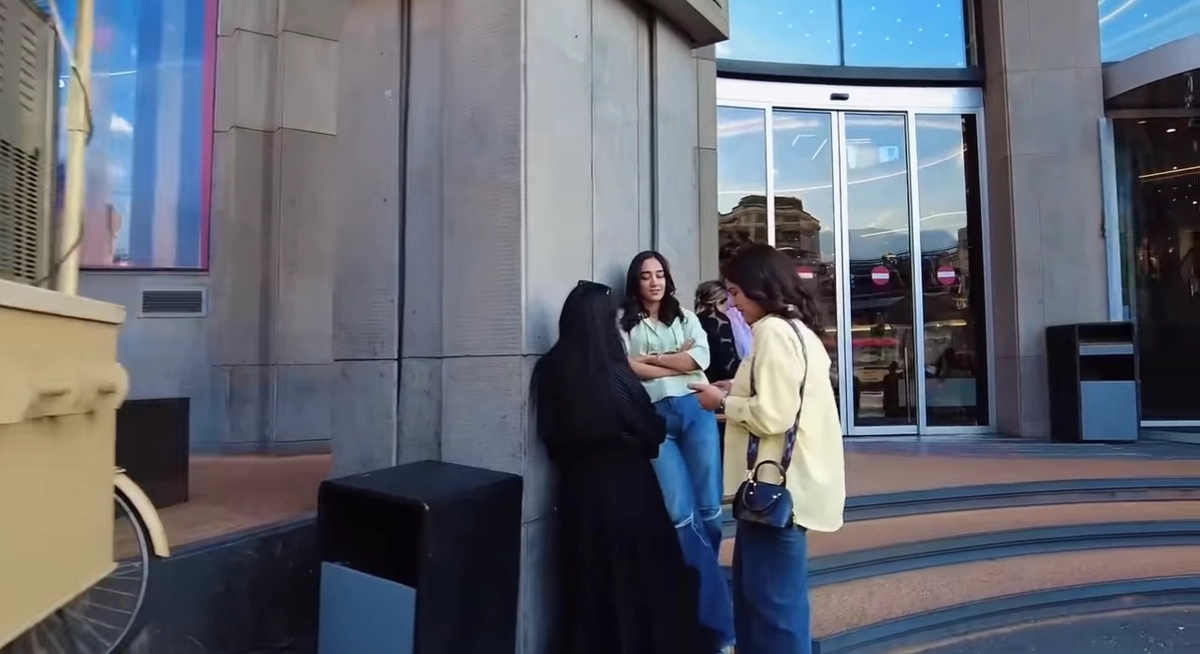
In footage from Tehran shared by Elena, people can be seen dressed in a variety of ways, and not all are wearing religious attire. Young women and men strolling through a shopping mall look entirely Western in appearance, wearing jeans, leather jackets, fashionable T-shirts, and accessories.
“Young people find ways to wear what they like, get ahold of banned alcohol, and gather for parties,” Elena says. According to her, Iran exists in two parallel realities: ordinary people who want a normal life, and official Tehran with its propaganda.
Internet access remains restricted
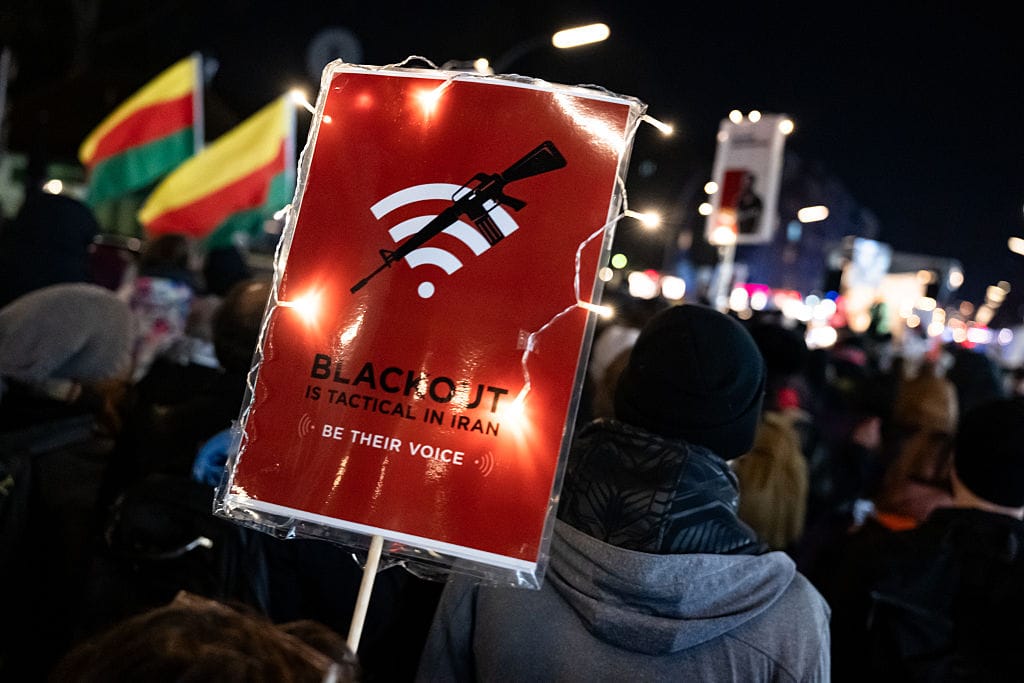
Internet access was partially restored in early June after several months of restrictions. However, according to users, connection speeds remain significantly slower than they were before January, and many popular social media platforms, including Instagram and TikTok, are still blocked. Even with a VPN, users are not always able to access them.
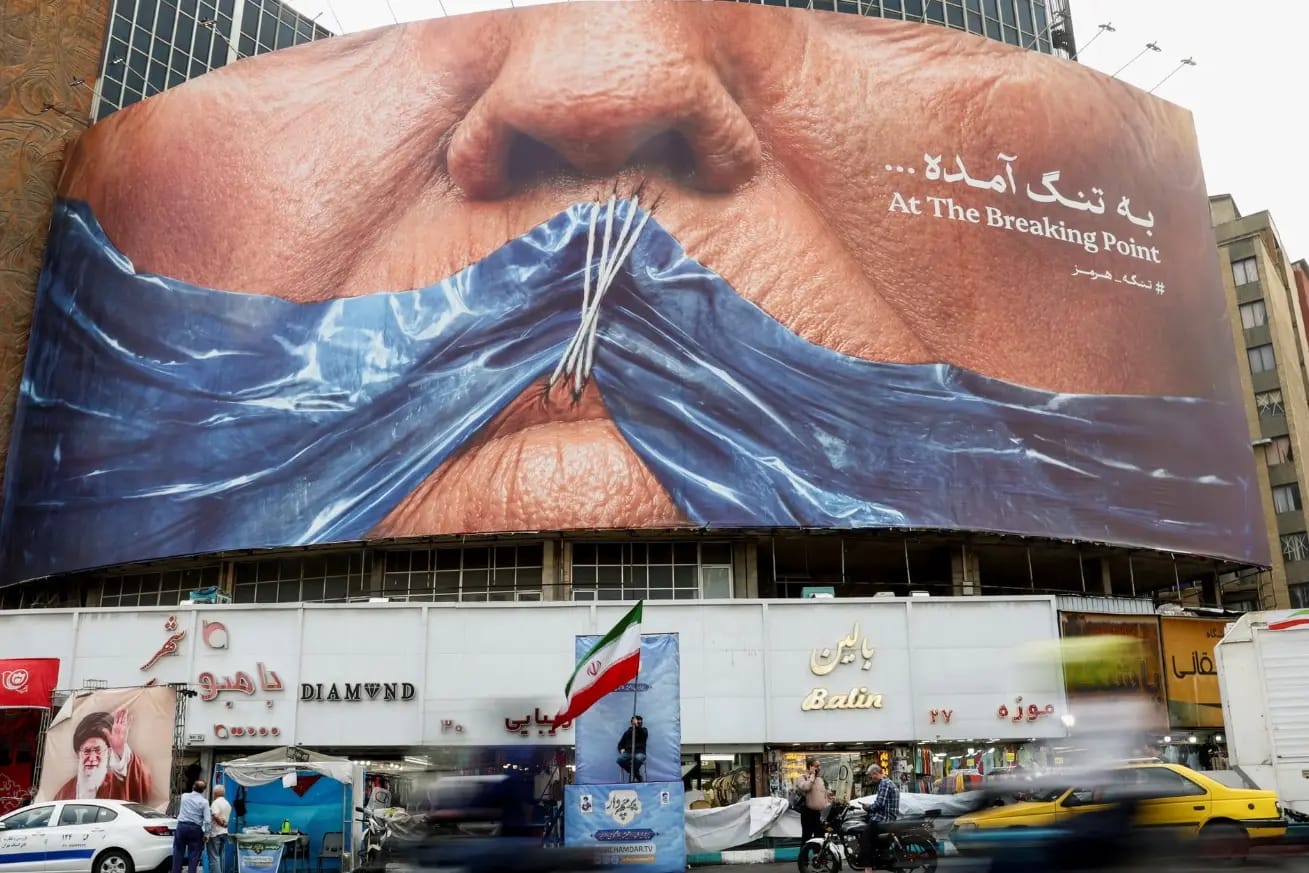
Human rights advocate Tara Dachek says Iran has effectively established a “multi-tiered internet” system. Security service personnel and government officials enjoy unrestricted internet access, while most citizens are limited to a narrow range of state-approved websites and applications that also allow the authorities to monitor users. Security agencies use these tools to identify people who have provided information to foreign media outlets.
In addition, for several months the Islamic Revolutionary Guard Corps (IRGC) has been conducting house-to-house searches for Starlink equipment, which many Iranians relied on to access the internet during the shutdowns.
“A very patriotic people”
Shahad, an Iranian who spent most of his life in London but remains in close contact with relatives and friends inside the country — even traveling there for visits — says the war inspired a rally-around-the-flag effect among many who had previously been moderately opposed to the regime. He also noted that the late Supreme Leader Ali Khamenei, who was killed in U.S. and Israeli strikes on February 28, was genuinely loved and revered by many Iranians.
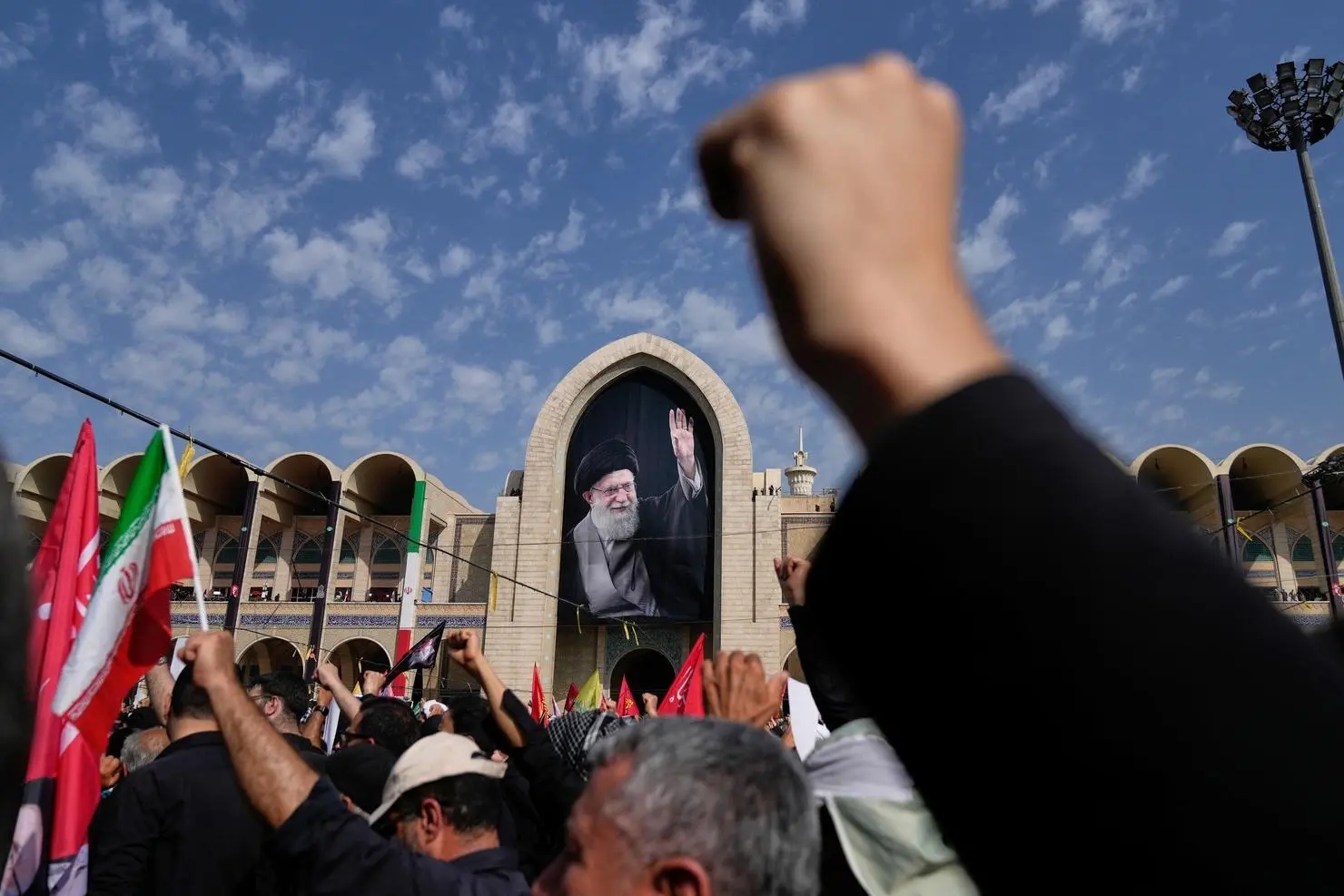
A week-long funeral ceremony for Khamenei began on July 3, nearly four months after his death. According to an Associated Press estimate, hundreds of thousands of people attended the mourning events in Tehran on July 5. Crowds chanted “Death to America” and “Death to Israel,” while some participants carried signs calling for the killing of Trump and Netanyahu.
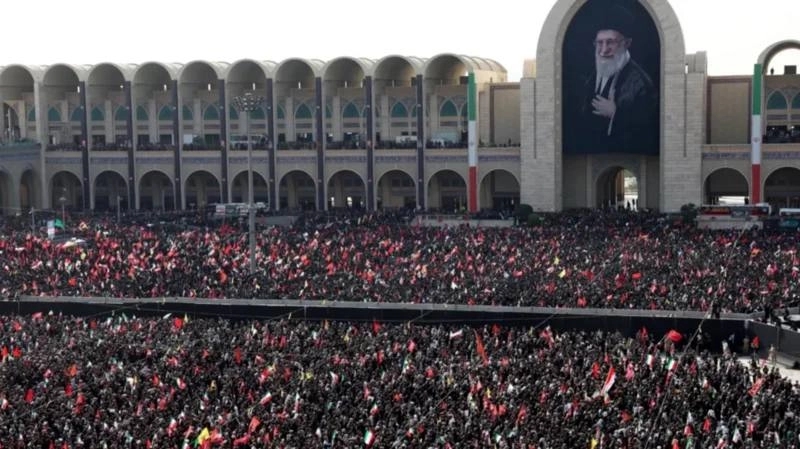
At the ceremony, three of Khamenei’s sons appeared in public for the first time since the war. Iran’s new Supreme Leader, Mojtaba Khamenei, however, was not among them. He is believed to be in hiding after being wounded in the strike that killed his father.
“Iranians are a very patriotic people. Yes, people are going hungry and facing enormous hardships. But after the bombing, many sided with the government — even those who had protested over the economic situation. That’s because, although it was presented as a war against the regime, in reality factories and bridges were destroyed, and people were killed,” Shahad says.
After the bombing, even those who had protested over the economic situation sided with the government
Shahad’s views are anti-war but pro-Iranian. He supports a deal with the United States and opposes Iran acquiring nuclear weapons, while also advocating for a “multipolar” Middle East and arguing that outside powers should leave Iran alone.
Middle East expert and NEST Centre analyst Ruslan Suleymanov says that the regime’s committed support base accounts for roughly 10–15% of the population — people who sincerely attend pro-government rallies. According to him, many Iranians genuinely oppose war with the United States because of the damage inflicted on civilian infrastructure. Others are unsettled by Trump’s support for Kurdish separatism.
Visible destruction
The war affected not only military targets but also Iran’s historical heritage. Reuters journalists, who were granted rare access to the country in March, documented damage to at least 11 historic buildings, including UNESCO World Heritage sites in Isfahan and Tehran. In most cases, the monuments were not struck directly but were damaged by powerful blast waves, which caused cracks in walls, crumbling plaster, and the destruction of tiles and stained-glass windows.
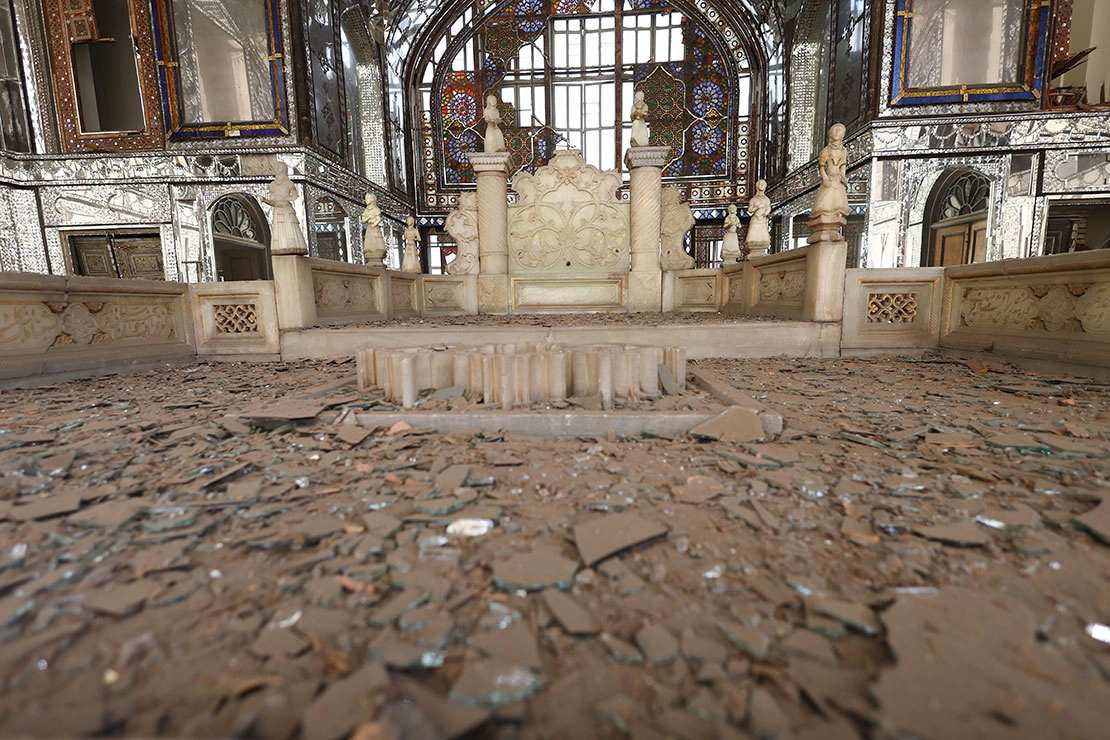
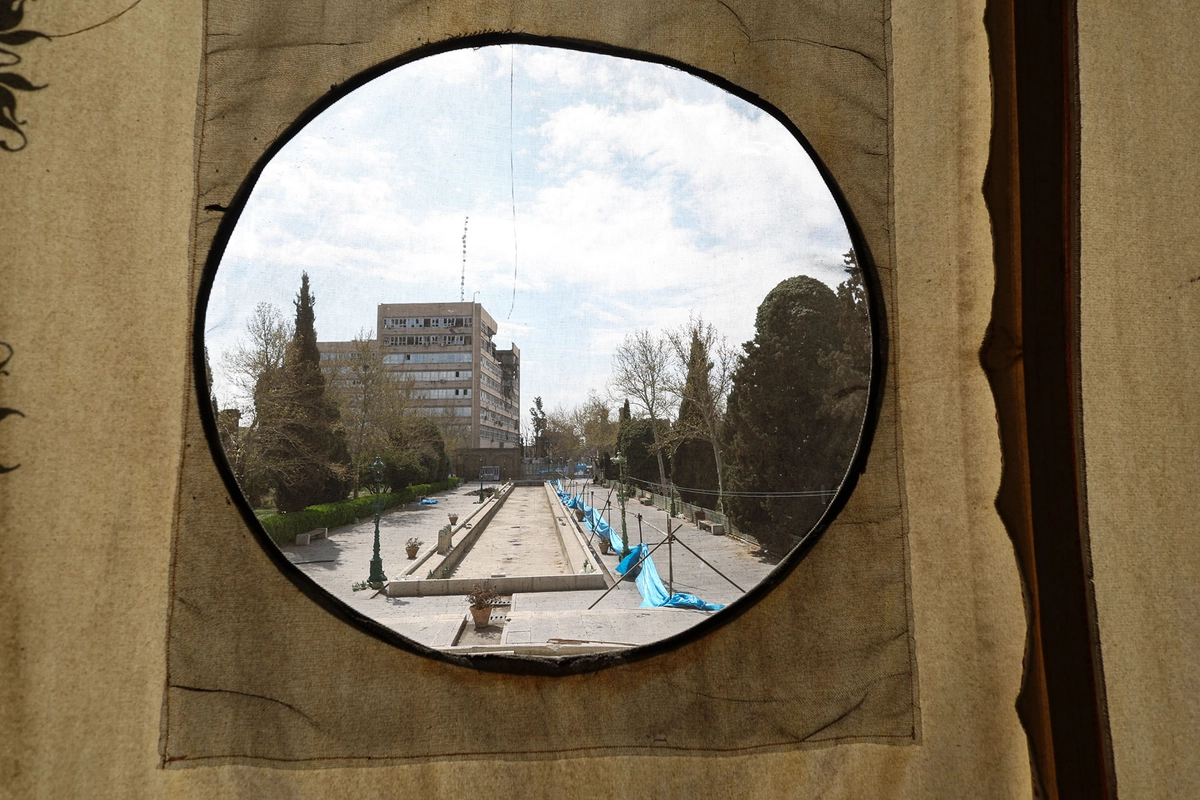
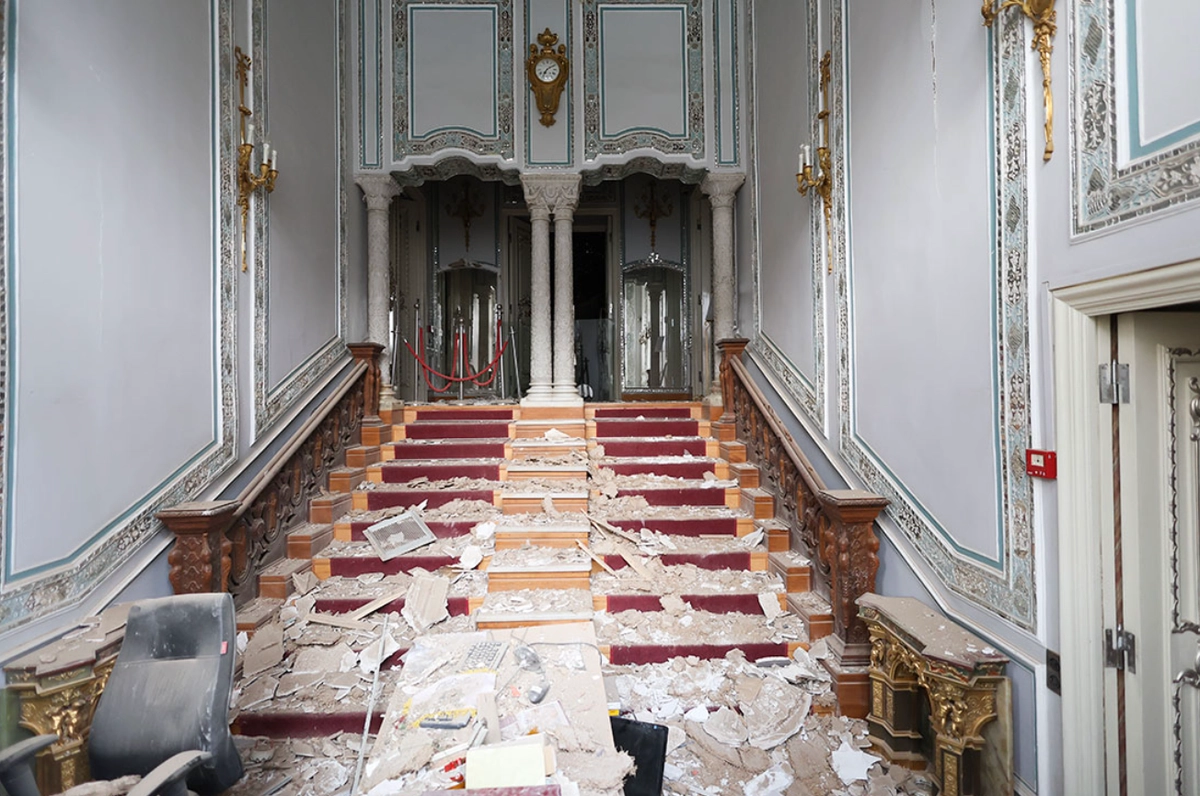
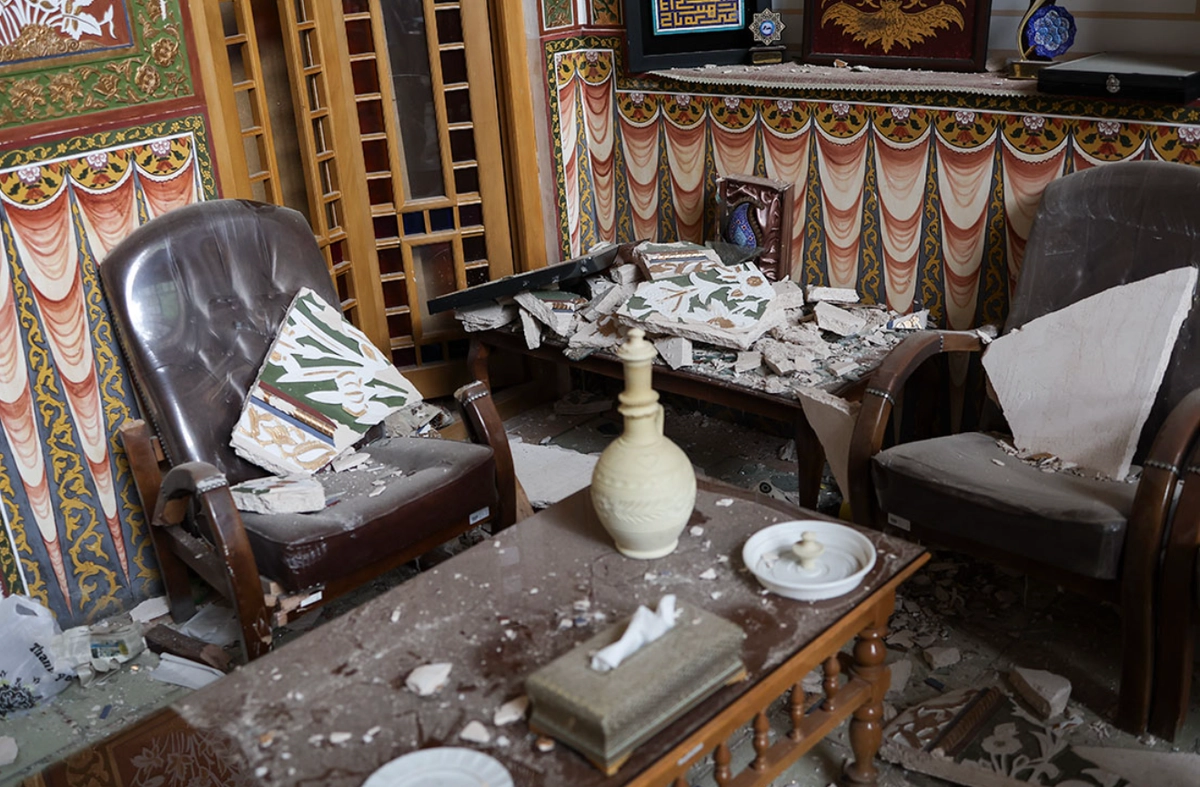
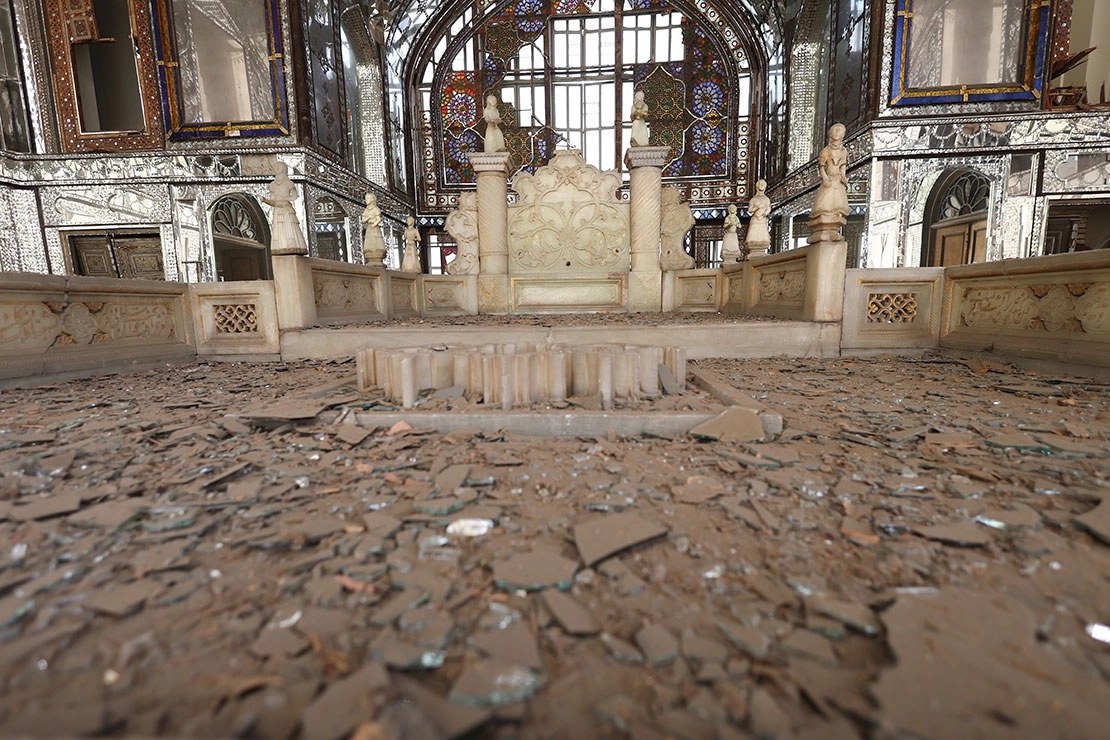
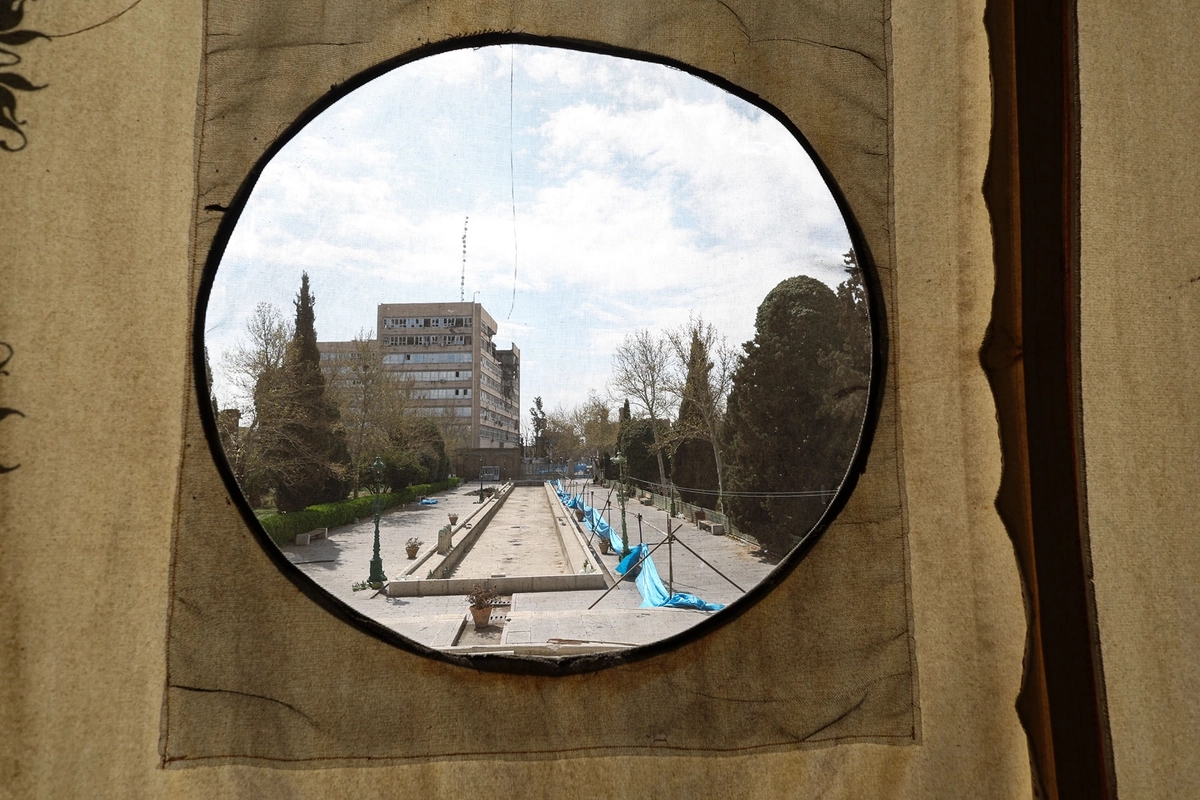
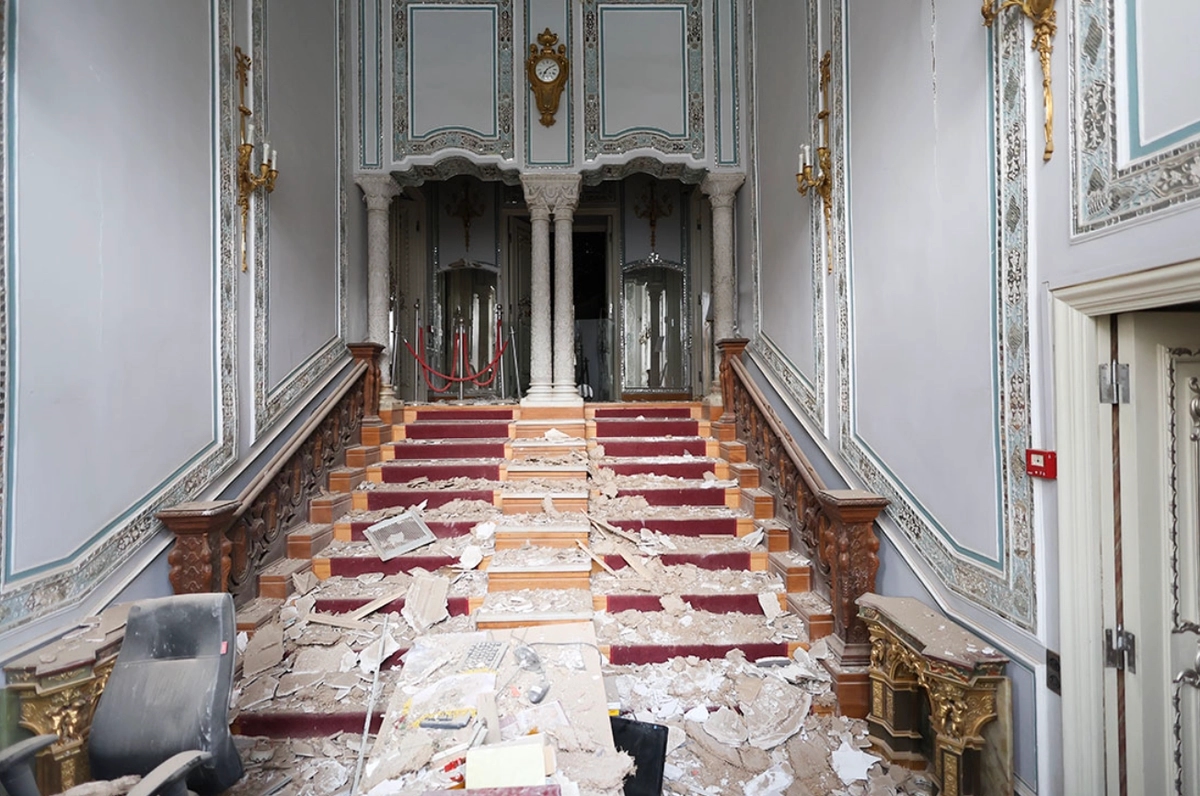
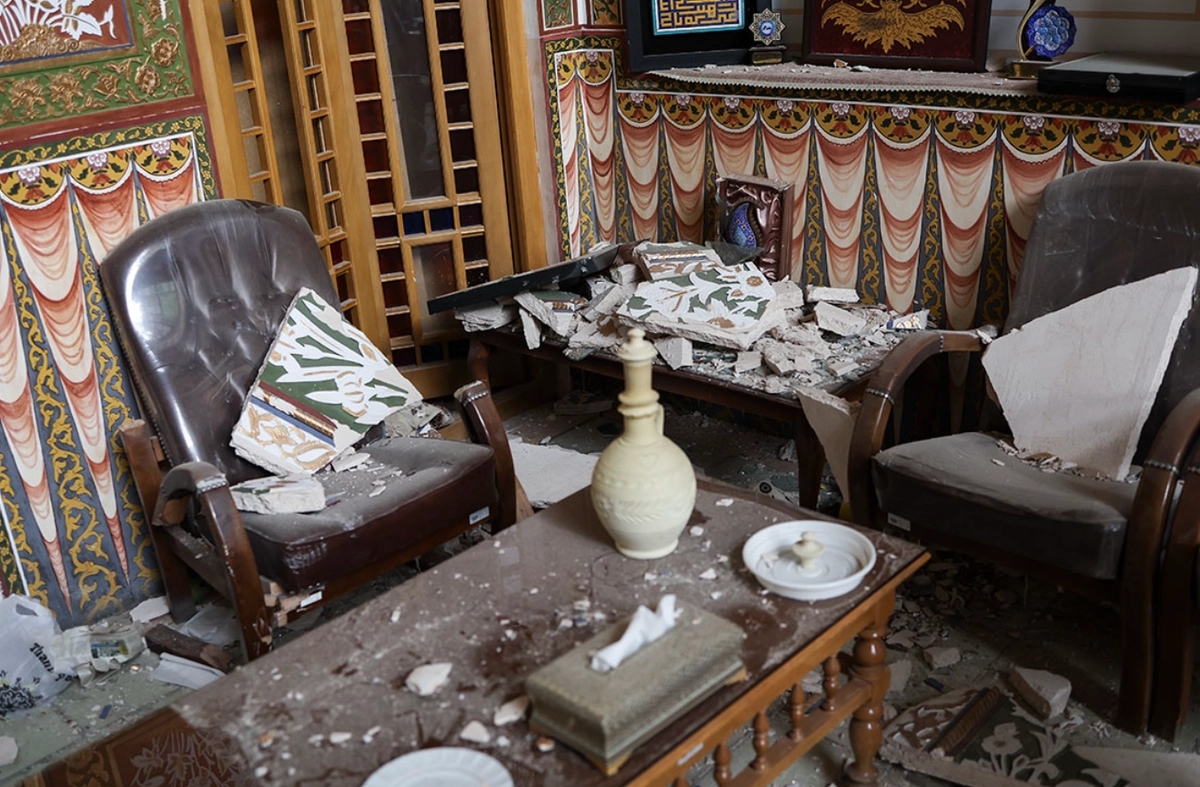
“These buildings were part of who we are,” museum guard Rasoul Mousavi, who was injured in one of the strikes, told Reuters. According to him, even two weeks after the bombing, shards of glass, plaster, and centuries-old tiles still crunched underfoot in Isfahan’s historic palaces.
M. says that civilian infrastructure in his city escaped major damage because all military facilities are located on the outskirts, while the only security installation in the city center is a base belonging to Basij, a paramilitary force affiliated with the Islamic Revolutionary Guard Corps (IRGC). “We weren’t hit very hard. Civilians know which neighborhoods are best avoided,” he says.
“The regime now has a free hand”
In mid-January, the Iranian authorities insisted that they did not intend to execute participants in the protests. However, in March they executed three demonstrators, including 19-year-old national youth wrestling team member Saleh Mohammadi. They were accused of “waging war against God” — one of the gravest offenses under Iran’s Sharia-based legal system. The authorities claimed they had taken part in the killing of two police officers and had acted “in the interests of Israel and the United States.”
According to a June 8 report by the Center for Human Rights in Iran, at least 40 prisoners have been executed in politically motivated cases since the beginning of 2026, including 19 participants in the January protests.
Human rights groups say the authorities have accelerated the handling of political cases, with just a few months now separating arrest from execution. They also report that confessions are frequently extracted through the use of torture and coercion. Defendants are held incommunicado for weeks, are denied access to independent lawyers, and, in some cases, have been executed without their families being notified.
Defendants are held incommunicado for weeks, denied access to independent lawyers, and executed without their families being notified
In addition to court-ordered executions, in January security forces carried out mass shootings of protesters in the streets and even inside hospitals. Doctors told journalists that they found patients dead in their hospital beds — some with gunshot wounds to the head, others after being disconnected from life-support machines.
Iranian authorities officially acknowledge that more than 3,000 people were killed. Human rights organizations and independent media outlets, however, say the death toll reached several tens of thousands.
According to The Insider's sources, arrests and enforced disappearances of protest participants have only intensified in recent months.
“The regime now has a free hand. The authorities are abducting, torturing, and executing people who took part in the demonstrations without any restraint,” says an activist with Mamlekat.
According to the U.S.-based human rights organization Human Rights Activists in Iran, more than 50,000 protesters had been detained before the end of February.
On June 22, Amnesty International Secretary General Agnès Callamard condemned the Iranian authorities’ campaign of mass arbitrary arrests, enforced disappearances, torture, politically motivated executions, and other forms of inhumane treatment.
“An end to the bombing of Iran will not, by itself, ensure the safety of people, who are facing escalating repression by the authorities of the Islamic Republic. It is essential that any agreement between the United States and Iran be accompanied by a dual-track diplomatic approach that places civilians at its center and includes concrete measures to prevent further crimes by the Iranian authorities, particularly new mass killings of protesters,” Callamard said.