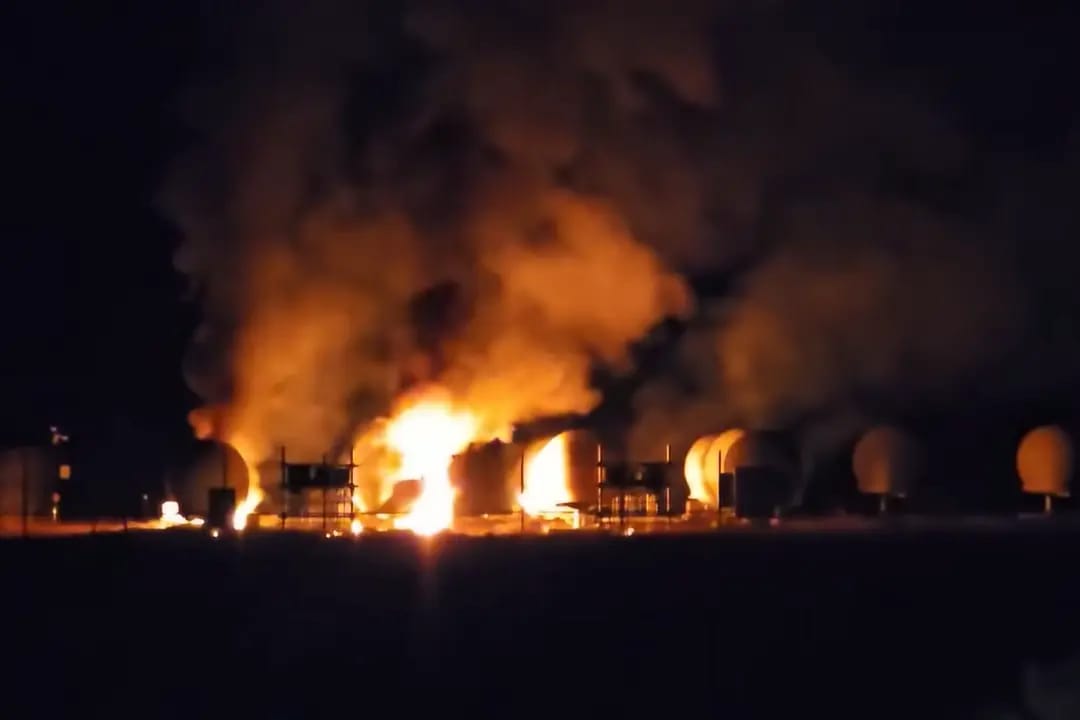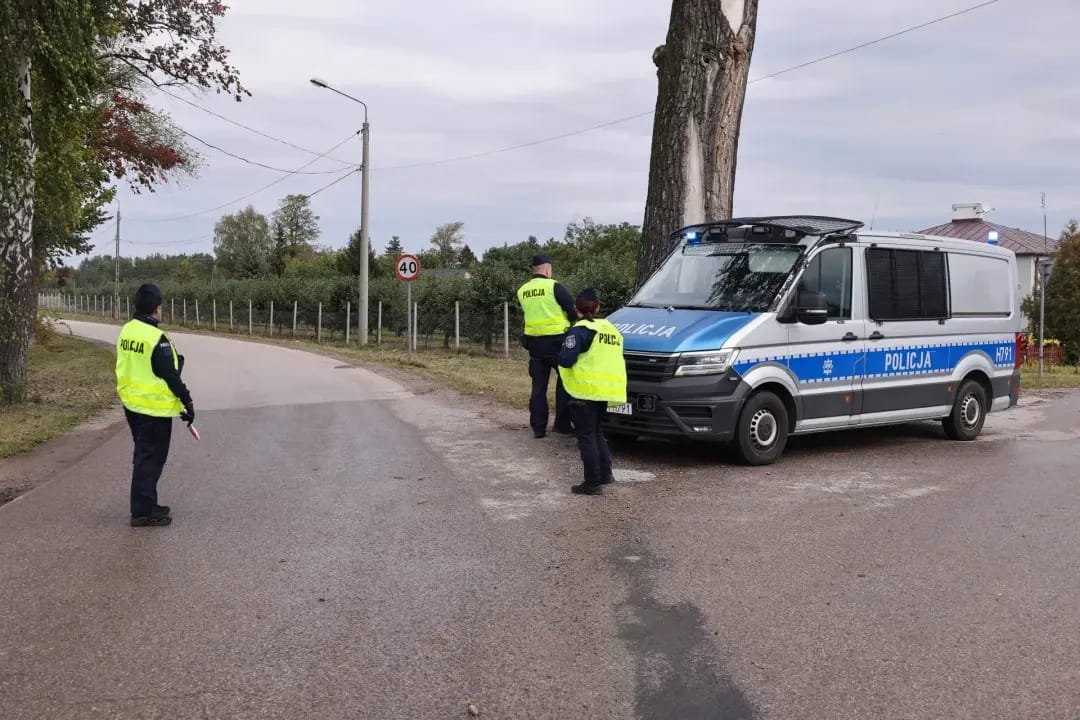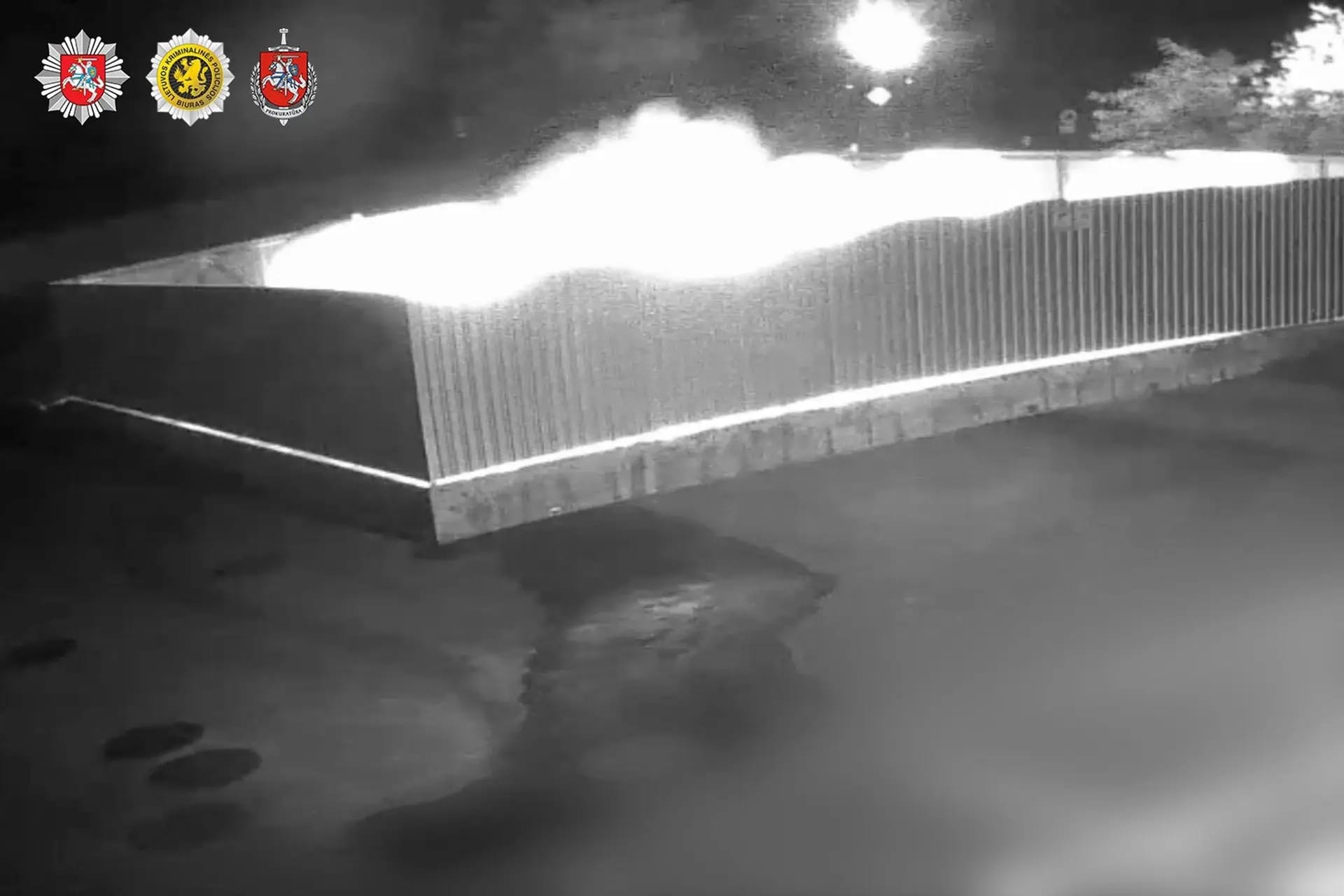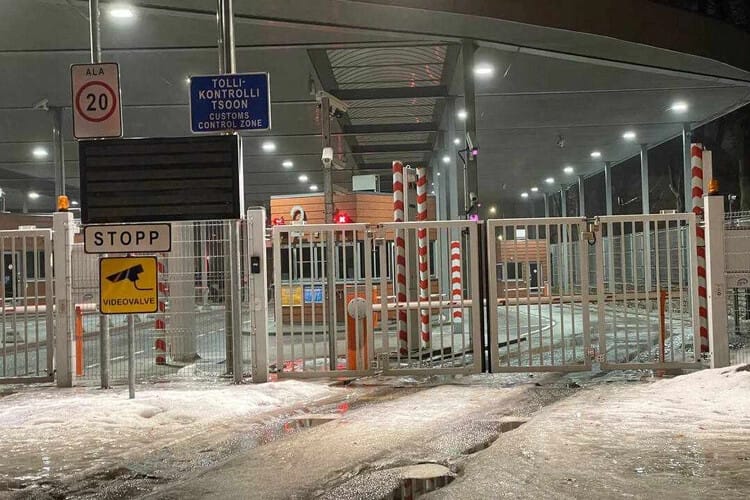
The number of sabotage incidents in Europe linked to Russian intelligence activity rose 16% in the 12 months through September 2026, according to a new research paper by the International Institute for Strategic Studies (IISS). The number of arson attacks doubled, while incidents involving explosive devices nearly tripled. Germany and Poland have remained the main targets of Russian sabotage since 2022.
The paper says the overall level of Russian-backed sabotage operations on the continent has increased, even as the Kremlin’s overall intelligence activity has declined. IISS said Poland and Germany are likely to remain a primary focus for Russian intelligence services because their transport, logistics, and industrial infrastructure plays a key role in supplying Ukraine.
The paper identifies three major waves of Russian hybrid activity in Europe:
- From November 2024 through March 2025, 55 incidents were recorded, 51% of them in Germany.
- From September through December 2025, 61 incidents were recorded, 36% of them in Poland.
- In August and September 2026, 25 incidents were recorded, with 24% in Poland, 20% in Germany, and another 20% in the Baltic states.
The paper says between October 2025 and September 2026, more than half of the incidents were confirmed attacks on either the military-industrial (28%), transport (22%), or energy (7%) sectors.
Over the 12 months through September 2026, the number of arson attacks rose from seven to 14, while incidents involving explosive devices increased from four to 11. Arson accounted for 16% of all recorded incidents, up from 7%, while sabotage involving explosives rose from 4% to 12%.
The IISS assessed that the Kremlin likely sets the priorities for the broader campaign while leaving the operational management to Russian intelligence services. The report identifies three categories of people involved in Russian operations. The first — and by far the largest — consists of “unskilled, mass-recruited proxies, who are often criminals or vulnerable individuals recruited online for ‘violence-as-a-service’ tasks.” Some may not even know what is inside packages they are asked to transport or understand the ultimate purpose of an assignment. The second group consists of “semi-skilled proxies, an increasing number of whom employ more complex attack methods, such as the use of improvised explosive devices (IEDs).” The third is made up of Russian intelligence officers “who conduct highly skilled operations against high-priority targets.”
The IISS report says Russia’s “unconventional war” against Europe has so far failed to achieve its strategic objective: sabotage has not led to a significant reduction in military assistance to Ukraine or prompted European governments to abandon their support for Kyiv. Instead, European countries have launched rearmament programs, with defense spending rising by around 12% in 2024 and again in 2025. Even so, the research paper’s authors said European countries have yet to establish a durable deterrent against Russia or to make sabotage a less attractive policy tool for the Kremlin.