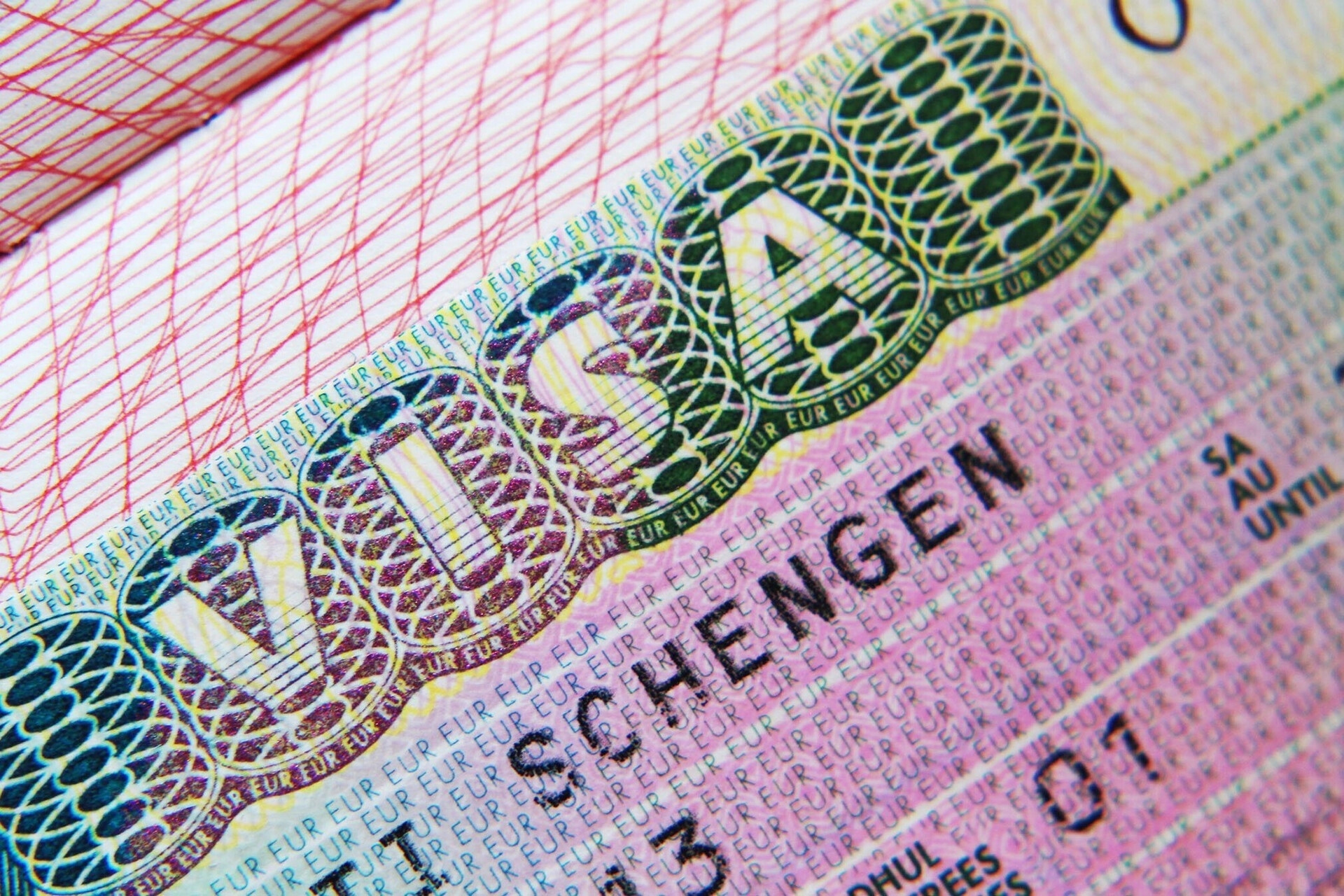
On Nov. 23, the European Commission presented new recommendations on issuing visas to Russian citizens. Aside from a proposed ban on visas for people who took part in the invasion of Ukraine, the document calls for stricter rules when considering applications for tourist visas.
Tourist visas
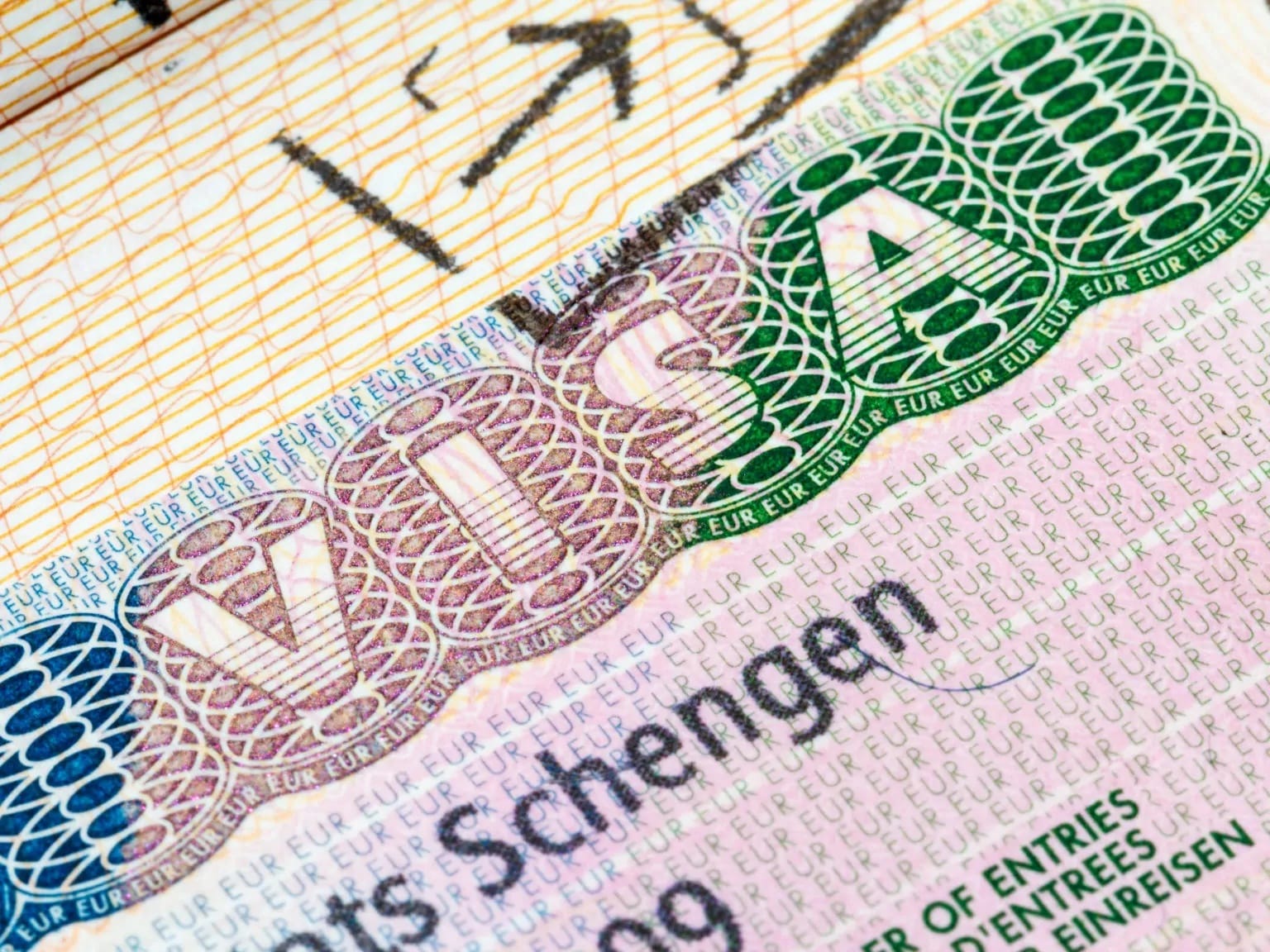
The European Commission proposes applying tougher rules to “non-essential travel,” a category that generally includes tourism.
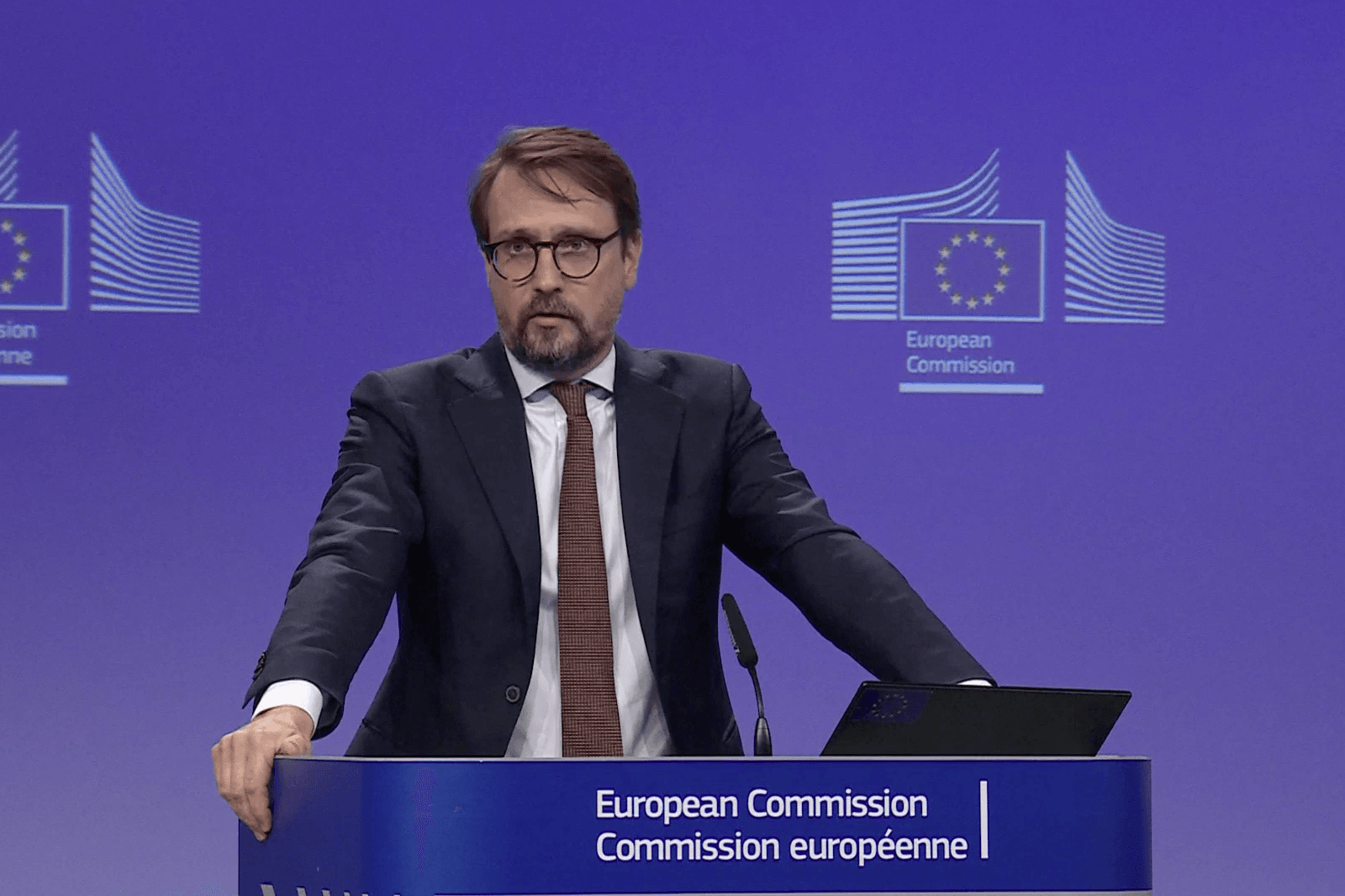
“Russian nationals continue to pose high security risks for the European Union, including hybrid threats, disinformation, acts of sabotage and espionage, and other hostile activities. Therefore, the updated guidelines recommend a very strict approach to issuing tourist visas for Russians,” the commission said in a news release.
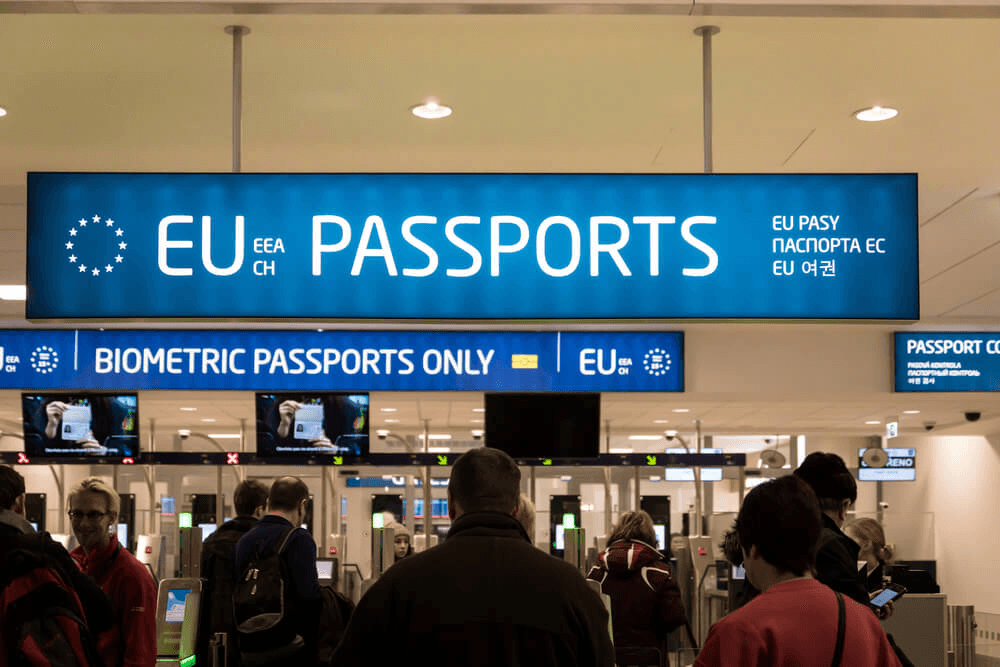
The guidance specifically recommends that EU member states stop recognizing Russian non-biometric international passports — the older passports that are valid for five years, rather than Russia’s 10-year biometric passports.
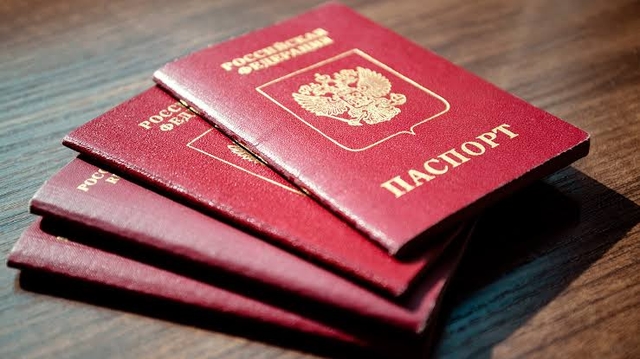
Denmark proposed the measure last week. According to a European Commission list, restrictions on recognizing Russia’s five-year passports are already in effect in 15 of the 29 countries in the Schengen area, including the Czech Republic, Germany, France, and Estonia.
Brussels is also proposing “stronger checks at EU external borders,” ranging from interviews and mandatory fingerprinting to “thorough individual assessments of all Russian nationals seeking to enter the Schengen area, regardless of where they have travelled from.”
Visas for military personnel, athletes, and performers
The updated recommendations also echo measures contained in the 22nd sanctions package, presented earlier on Monday. In particular, a complete visa ban would apply to Russian military personnel. The proposal specifies that it would cover “anyone who is serving or has served in the Russian Armed Forces since the beginning of Russia's war of aggression,” with “enhanced checks” reserved for individuals who “directly participated in combat operations.” It would also apply to citizens of other countries who fought on Russia’s side.
The document does not make clear whether the restrictions would apply to Russians called up for compulsory military service since 2022 who did not take part in combat. The proposed ban has not yet taken effect — it is part of the new sanctions package and still requires approval by the Council of the European Union.
The European Commission also says visa applications could include questionnaires about military service and require applicants to provide their military identification documents or service records.
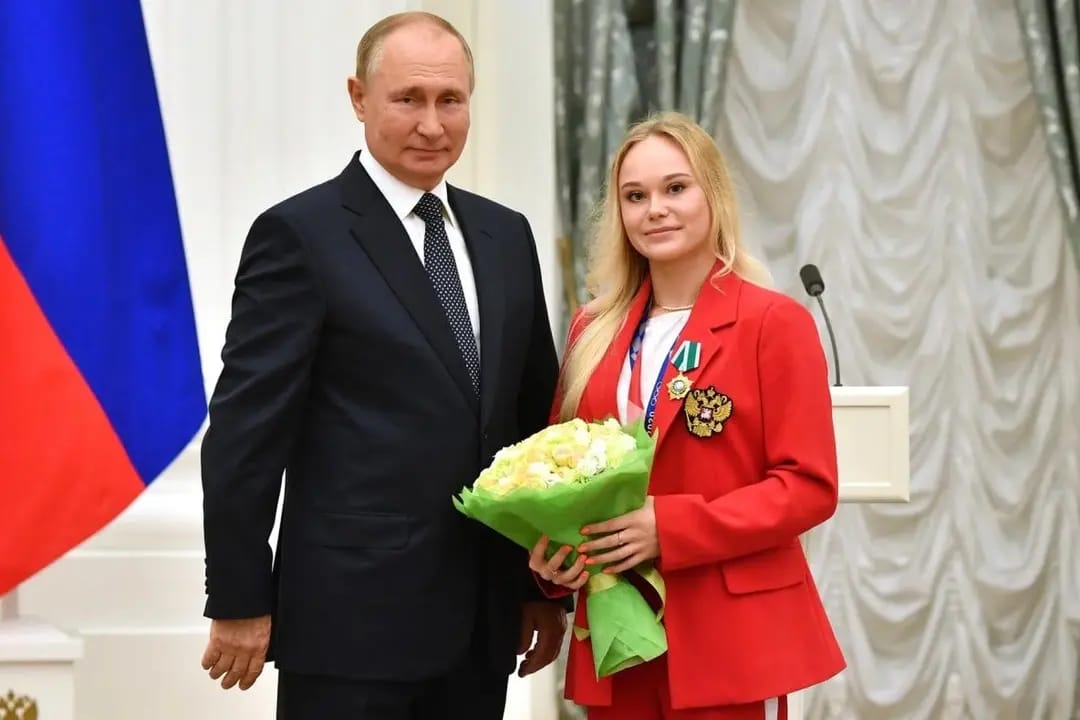
A proposed visa ban for athletes representing Russia in international competitions also remains under consideration. The commission has urged member states to subject performers and other cultural figures financed by the Russian authorities to greater scrutiny:
“The guidelines call as well for specific attention to be given to individual artists participating in cultural events, who are sponsored by the Russian authorities and who can use their visibility in favour of Russia's war of aggression.”
Does this amount to an outright ban?
In short, no. The recommendations do not mean that Russian citizens will automatically be denied visas or entry to European countries. Decisions on individual applications and the details of visa policy remain with the countries to which applicants apply. Guidelines issued by the European Commission are intended to coordinate visa policy across the European Union and therefore constitute recommendations rather than automatically binding rules.
The European Commission also stresses that the restrictions should not apply to Russian human rights defenders, opposition figures, or independent journalists. Exceptions are also envisaged for Ukrainians who were forced to acquire Russian citizenship.