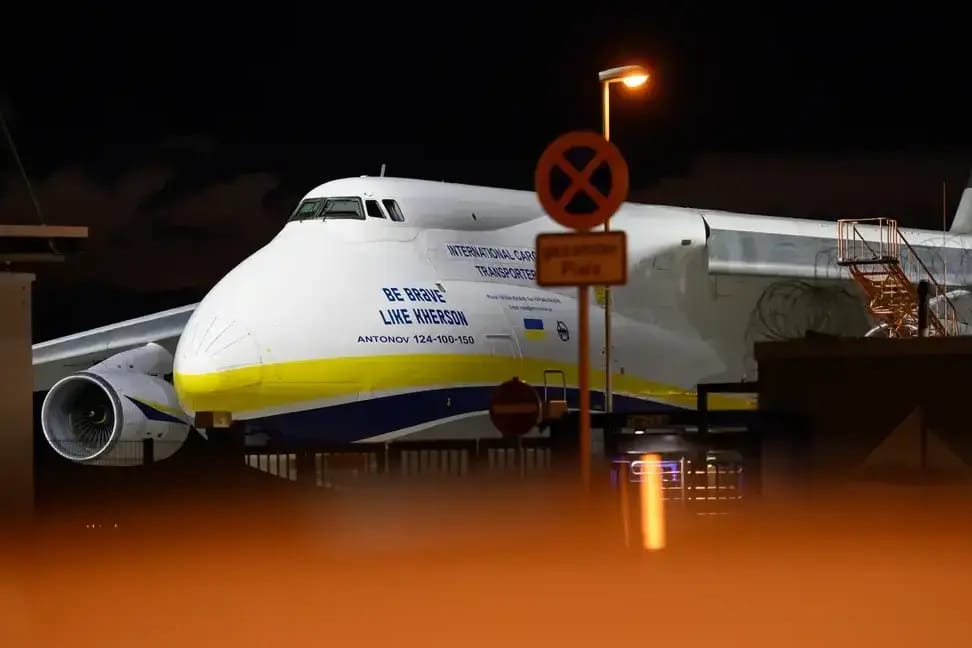
The European Commission is preparing new restrictions on the issuance of visas to Russian citizens as Germany investigates an attempted “hybrid” drone attack against a Ukrainian transport aircraft at Leipzig/Halle Airport that occurred in early August.
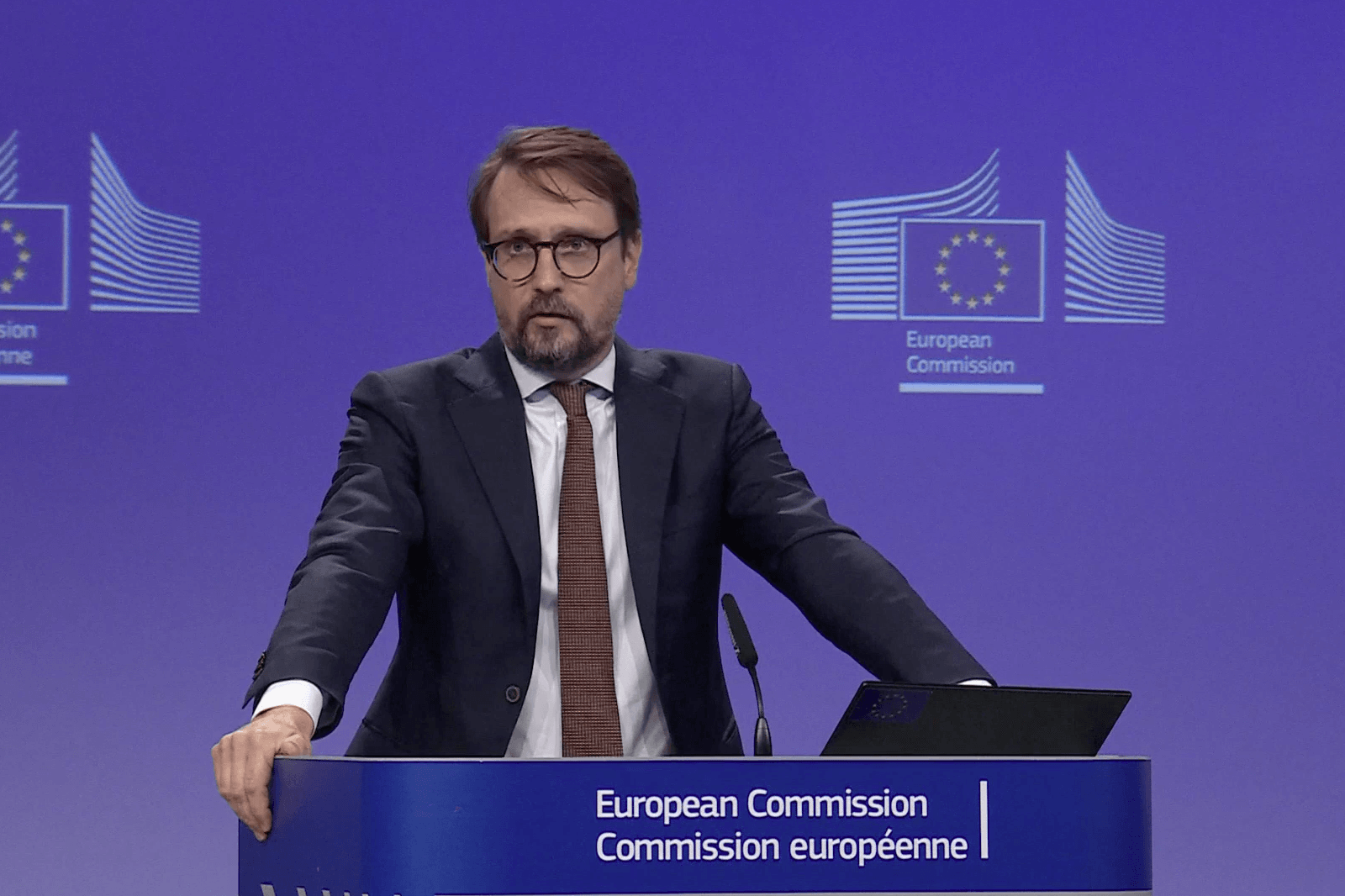
The commission’s proposal calls for “targeted restrictive visa measures to address security risks stemming from hostile actions of third countries,” according to a Sept. 3 statement by European Commission spokesperson Markus Lammert, who did not specify what the restrictions would be. The new measures are expected to be presented as part of an upcoming review of the EU visa code, though no timeline has yet been announced.
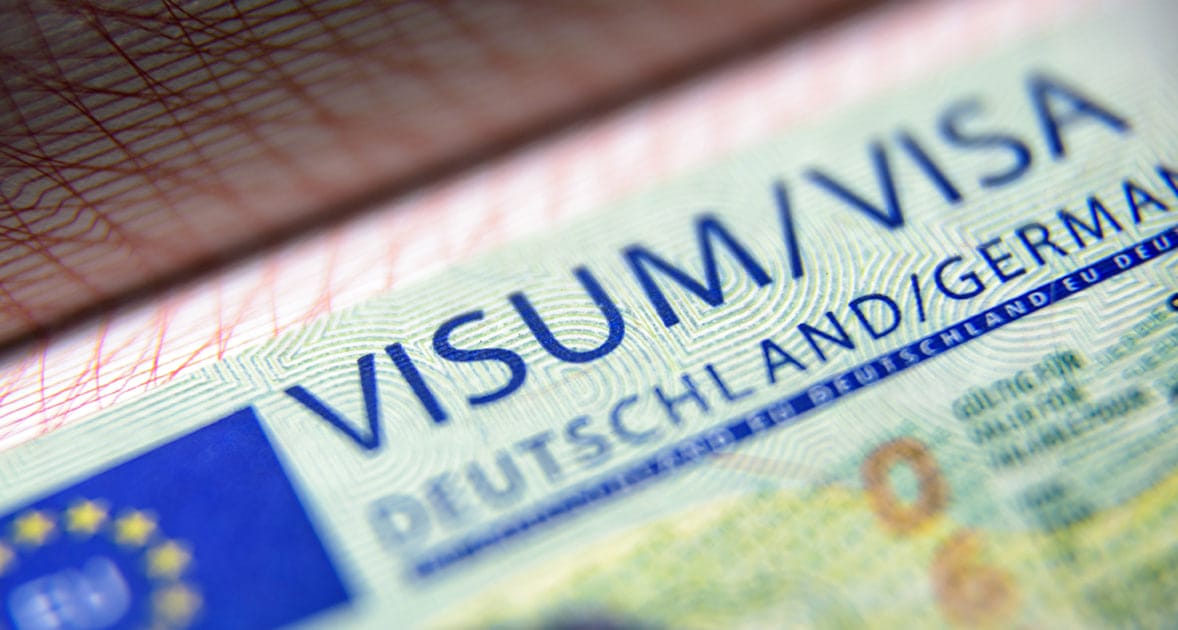
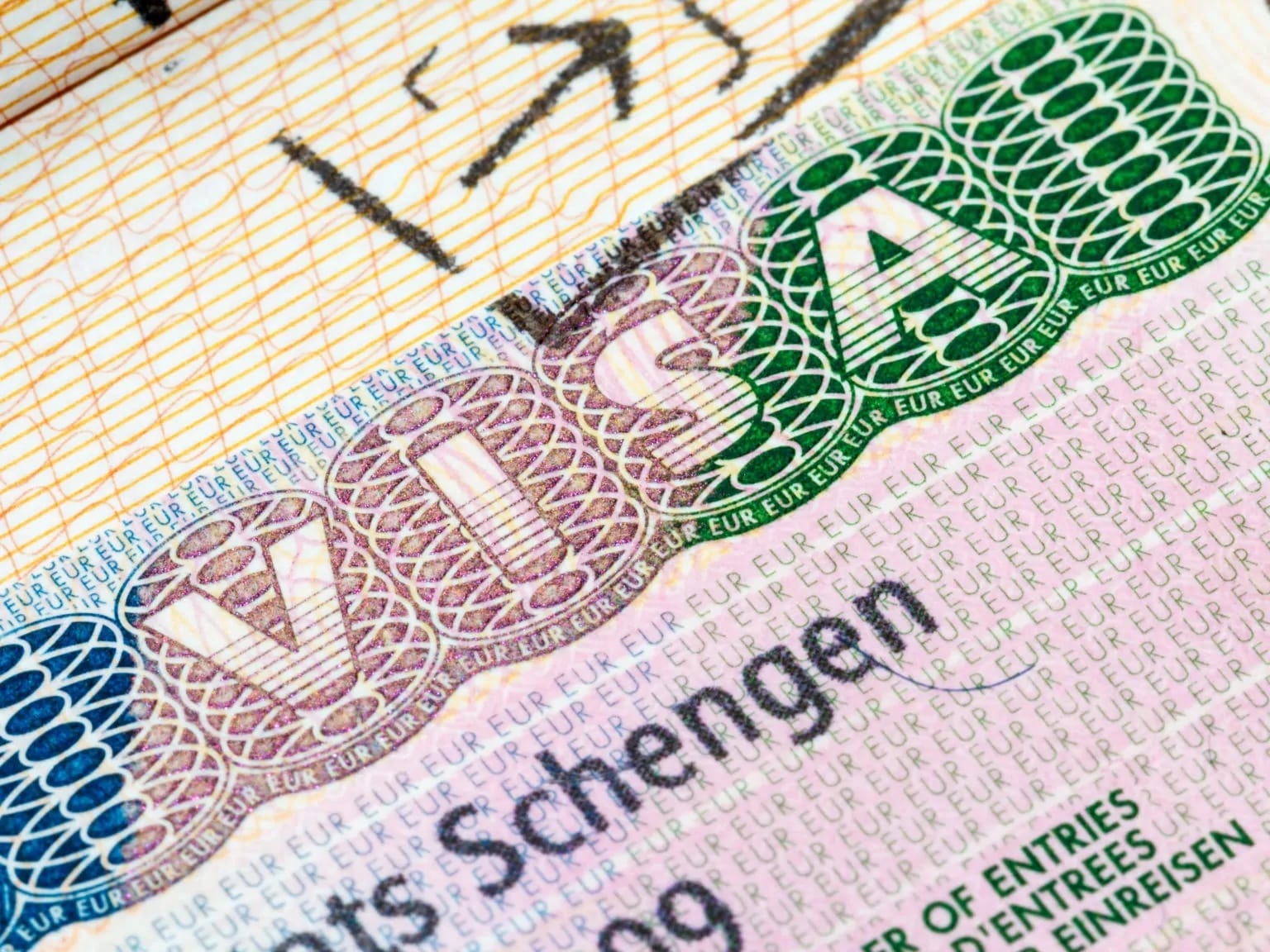
Before the start of Russia’s full-scale war against Ukraine, Russian citizens received about 4 million Schengen visas a year. By 2025, that number had fallen to 618,000, Lammert said. He added that it was “very important that the figures stay down and that the figures go further down.” Decisions on individual visa applications will still be made by the authorities of each EU member state, Lammert added:
“The issuance of visas is a member state competence, so each individual visa application has to be assessed on a case by case basis by the national authorities. It's the national authorities who decide on every individual application and issue visas, but what we can do at the EU level is that we can take action, and we have taken action to further restrict the issuance of visas.
One of the elements that we started in 2022 was that we fully suspended the visa facilitation agreement with Russia. Also in 2022, we have adopted clear guidelines for member states to deprioritize visas for Russians and to focus on security and border controls. So now we are monitoring these guidelines and the implementation of these guidelines, and we're working with member states to promote [their] consistent implementation.”
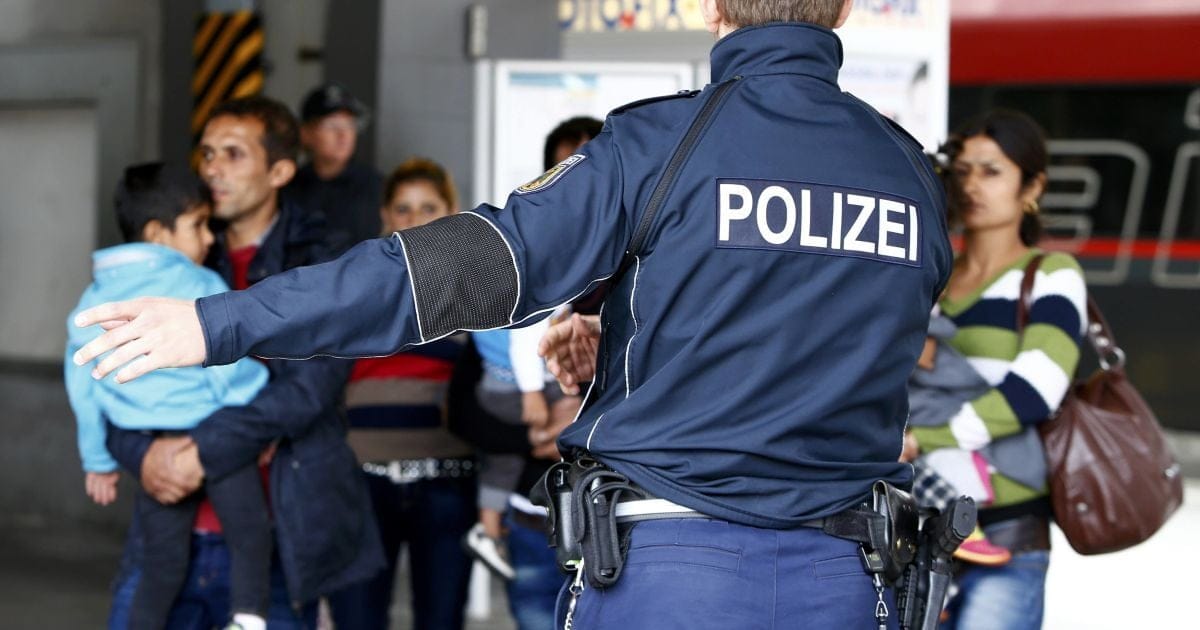
Germany is also preparing to tighten its own entry rules for Russian citizens. After the incident in Leipzig, German Foreign Minister Johann Wadephul said controls on Russian citizens entering Germany would be strengthened, though he did not announce specific measures.
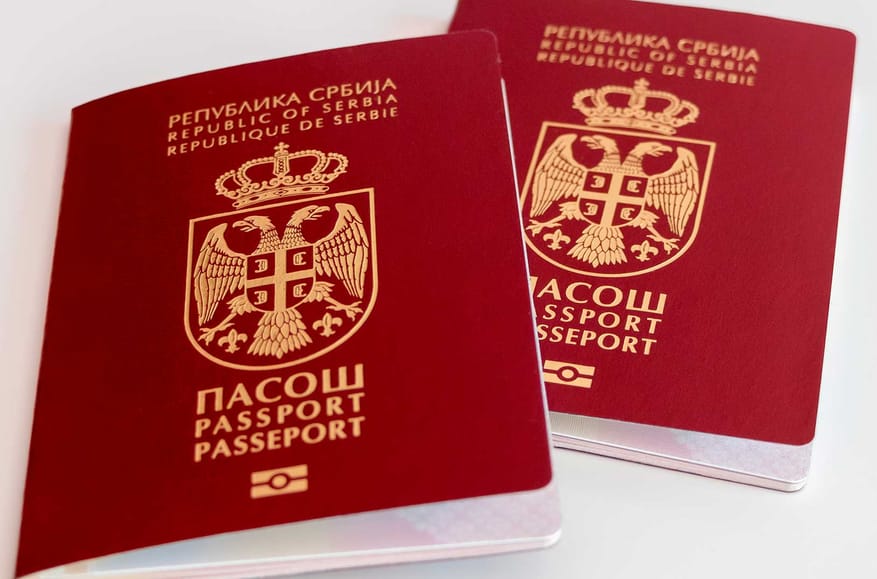
According to a report by the outlets Süddeutsche Zeitung, NDR and WDR, the suspected perpetrators of the failed August drone attack are a Russian-born man who holds a Latvian passport and a Belarus-born man who holds a Russian passport. German media reported that the latter entered Germany on a Schengen tourist visa issued by Italy in Minsk.
In addition to tightening entry controls, Berlin has decided to close Russia’s consulate general in Bonn and the Russian House cultural center in the German capital. Russia’s Foreign Minister announced that Moscow would shut Germany’s Goethe-Institut cultural centers in all of its locations across Russia.