Despite a ban on Swiss ammunition exports to Russia that has been in place since 2014, Russia has received at least 110,000 rounds of high-precision Swiss-made ammunition after the start of its full-scale invasion of Ukraine. The Swiss newspaper NZZ am Sonntag found that sniper-rifle ammunition manufactured by RUAG Ammotec reached Russia through Slovenia and Kyrgyzstan. The Insider identified the recipients as the Russian arms companies Varyag and Hunter Ru and also found documents covering another shipment of 10,400 rifle rounds from the same Swiss manufacturer.
NZZ journalists found documents in the database of Rosakkreditatsiya, Russia’s Federal Accreditation Service, covering two shipments of Swiss ammunition. The first, consisting of 60,000 rounds, was registered on Dec. 30, 2022, and the second, containing 50,000 rounds, on April 5, 2023. In both cases, the manufacturer was listed as RUAG Ammotec AG of Thun, Switzerland.
The Insider found that the recipient of the first shipment was Moscow-based Varyag, while the second went to Hunter Ru. Varyag imported 60,000 rounds of .338 Lapua Magnum ammunition with 250-grain (16.2 gram) HPBT bullets, while Hunter Ru imported 50,000 rounds of .308 Winchester ammunition with 168-grain (10.9-gram) bullets. The Insider also found documents for a third shipment of Swiss ammunition: on March 5, 2022, St. Petersburg-based Levsha Group received a certificate of conformity covering 10,400 rounds of RUAG Ammotec AG .223 Remington ammunition.
The Russian importers declared both shipments identified by NZZ as intended for civilian use. Ammunition in those calibers, however, is commonly used in precision and sniper rifles. Switzerland’s State Secretariat for Economic Affairs (SECO), which oversees arms-export controls and sanctions compliance, confirmed to the newspaper that the ammunition listed in the Russian documents was classified as military materiel.
Until the summer of 2022, the plant in Thun belonged to the Swiss state-owned defense company RUAG. It was then acquired by Italian firearms group Beretta. The facility now operates as SwissP Defence; the ammunition that ended up in Russia is marketed under the slogan “The Sniper’s Choice.”
How the Swiss ammunition reached Russia
According to NZZ, the ammunition was initially exported legally from Switzerland to Slovenia under a permit issued by SECO. The buyer was Slovenian arms dealer Gašper Hejbal, who assured Swiss authorities that the ammunition would remain in Slovenia.
Documents from Slovenia’s Defense Ministry reviewed by the journalists indicate that Hejbal resold the ammunition to two companies in Kyrgyzstan specializing in hunting goods. Kyrgyzstan is a member of the Eurasian Economic Union, a status that facilitates the subsequent movement of goods into Russia. NZZ did not name the Russian recipients but noted that both companies had previously appeared in cases involving the illegal import of Western sniper rifles into Russia.
Hejbal had already been the subject of a Politico investigation in 2023. The outlet found that his company, Valerian, appeared in Russian documents covering shipments of hundreds of thousands of rounds for Orsis rifles. The same investigation found that Wagner Group mercenaries used U.S.-made sniper ammunition in Ukraine. Hejbal denied supplying ammunition to Russia at the time. This time around, he did not respond to NZZ’s requests for comment.
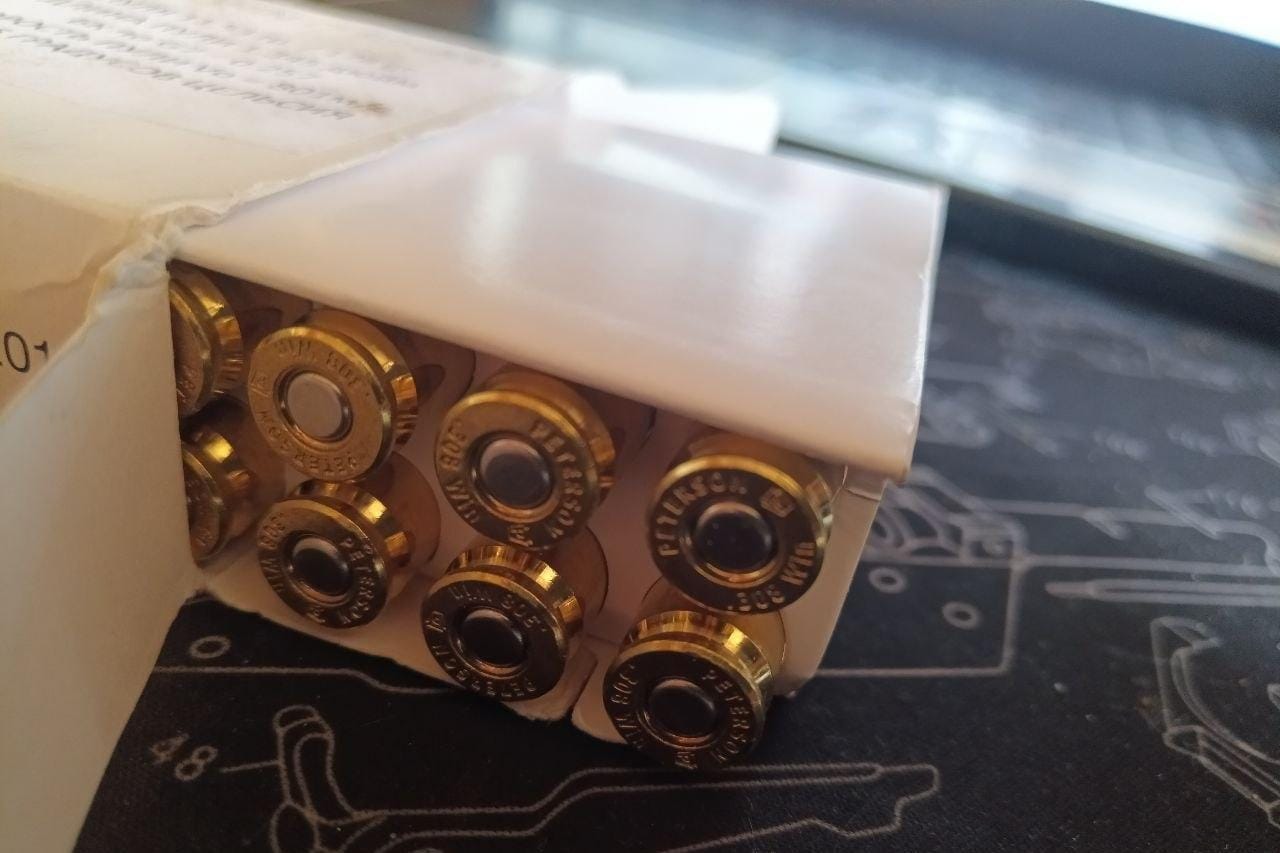
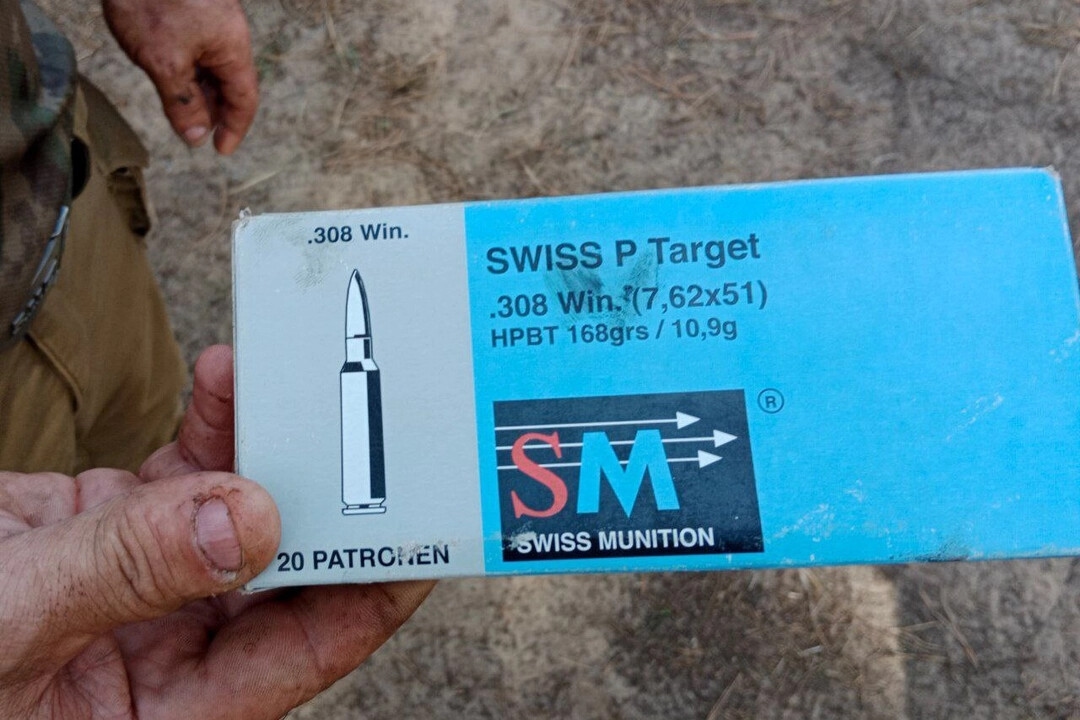
In a post published on Oct. 7, 2024, the Russian pro-war Telegram channel Bolshoi Panda published a photograph of a box of Swiss-made SWISS P Target .308 Winchester ammunition. The channel’s author praised the rounds’ accuracy, adding that they had been issued to Russian troops by a military rocket and artillery armaments service. The caliber and bullet weight match those listed in the certificate for the shipment of 50,000 Swiss rounds received by Hunter Ru in 2023.
In an edited version of the post, the blogger also claimed that such ammunition had been sold in Russian gun stores before 2014. He provided no documentary evidence, however, to suggest that the rounds in question had been imported before sanctions were introduced.
SwissP Defence said it had never exported ammunition to sanctioned countries and was cooperating with authorities. SECO said it was reviewing the information. According to NZZ’s sources, Swiss authorities have already prohibited exports to the company through which Hejbal purchased the ammunition. Hejbal no longer works for that company.
The Insider previously uncovered shipments of RUAG ammunition to Russia
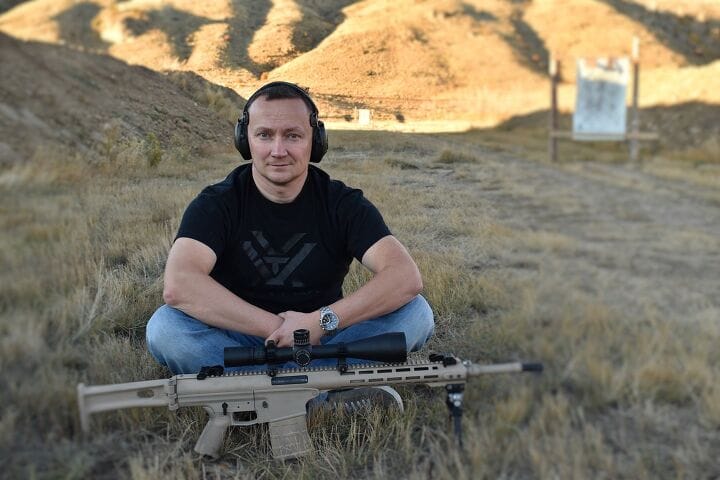
In October 2025, as part of a joint investigation with Canada’s Global News into shipments of Cadex sniper rifles, The Insider found that Moscow-based arms company Varyag had imported ammunition produced by RUAG Ammotec AG. During the first two years of the full-scale war, the company imported 501 firearms and 141,000 rounds of ammunition from various manufacturers, including ammunition for long-range sniper rifles.
The Insider also investigated shipments of weapons and ammunition produced by the Beretta group. The Italian manufacturer maintained a direct presence on the Russian market through Russian Eagle, a joint venture with businessman Mikhail Khubutia. In particular, the Khubutia-linked Okhotnik group of companies imported hundreds of thousands of rounds made by European Beretta facilities after the start of the war, including RUAG Ammotec plants in Germany, Sweden, and Hungary.
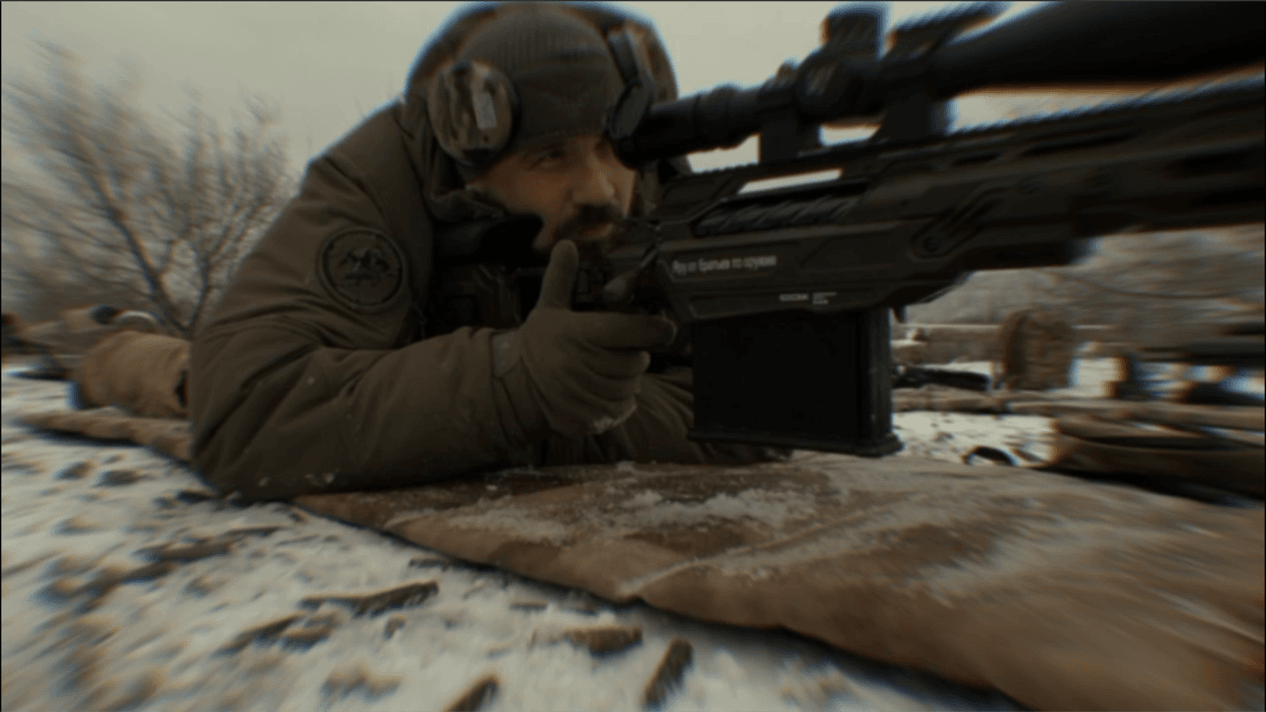
In September 2026, The Insider found that Russian snipers continued to receive Western-made ammunition and ammunition components. After a series of investigations into the smuggling of European weapons, Rosakkreditatsiya stopped publishing declarations covering several customs codes, but new shipments continue to be documented through posts by Russian military personnel, gun stores, and advertisements on specialized forums.
The NZZ investigation was published two weeks before a Swiss referendum, scheduled for Nov. 29, in which voters will decide whether to loosen the country’s arms-export laws. Opponents of the changes warn that easing rules governing the re-export of Swiss weapons to third countries would weaken oversight of who ultimately receives them.