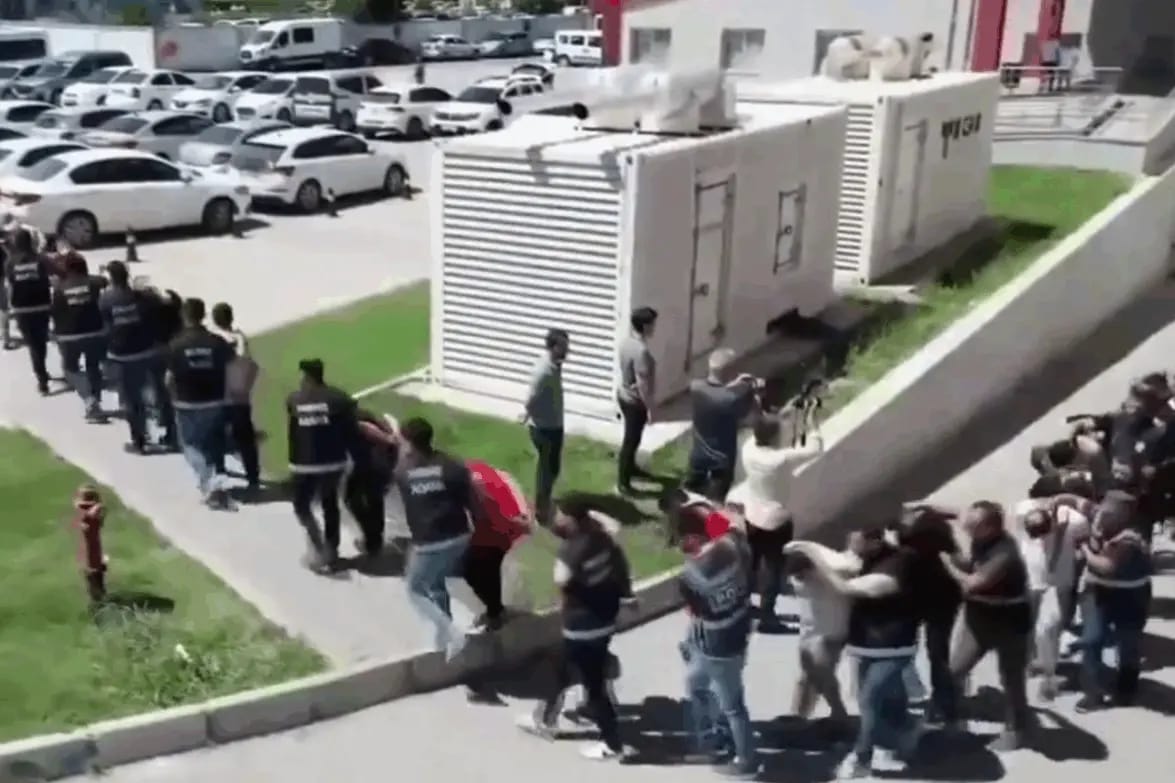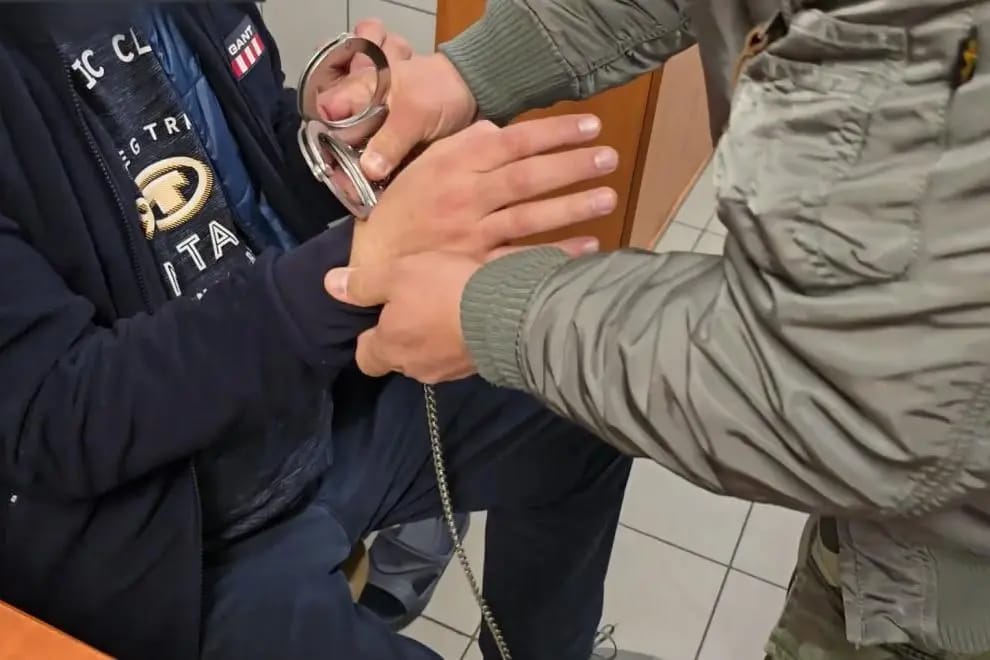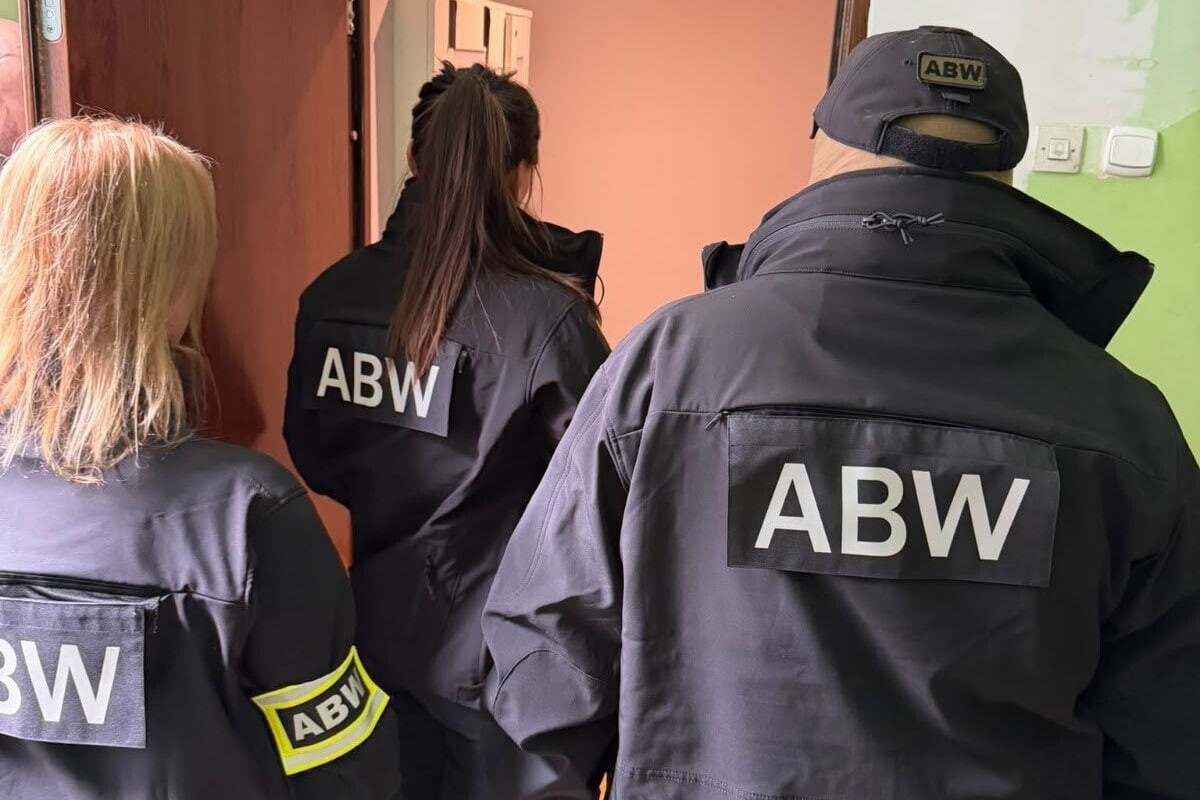
Officers of Poland’s Internal Security Agency detained two Ukrainian citizens in the town of Mińsk Mazowiecki on the suspicion that they were working on behalf of Russia to facilitate acts of sabotage. Tomasz Siemoniak, the country’s minister-coordinator of special services, reported their arrest on X.
According to Siemoniak, the two detained Ukrainians, aged 24 and 25, had been conducting reconnaissance, photographing Poland’s critical and military infrastructure facilities. In addition to conducting espionage on assignment from Russian security services, they were also charged with setting vehicles on fire. Siemoniak noted:
“Officers from the Internal Security Agency established that they had previously changed the vehicles’ license plates to ones resembling those used on vehicles belonging to the Ukrainian army. This may have been intended to make it harder to establish the true circumstances of the incidents and, above all, to shift suspicion onto the Ukrainian side, which could be used to spread disinformation.”
Siemoniak stressed that the suspects received payment for carrying out the assignments, including in cryptocurrency. Both have been placed in custody for three months.
Last week, Poland’s Internal Security Agency detained a Russian woman and five Polish nationals on suspicion of spying for Russia. According to the agency, members of the group were engaged in the illegal supply of “materials for military purposes” from Poland to Russia. The materials could be used, among other things, to produce ammunition and weapons.
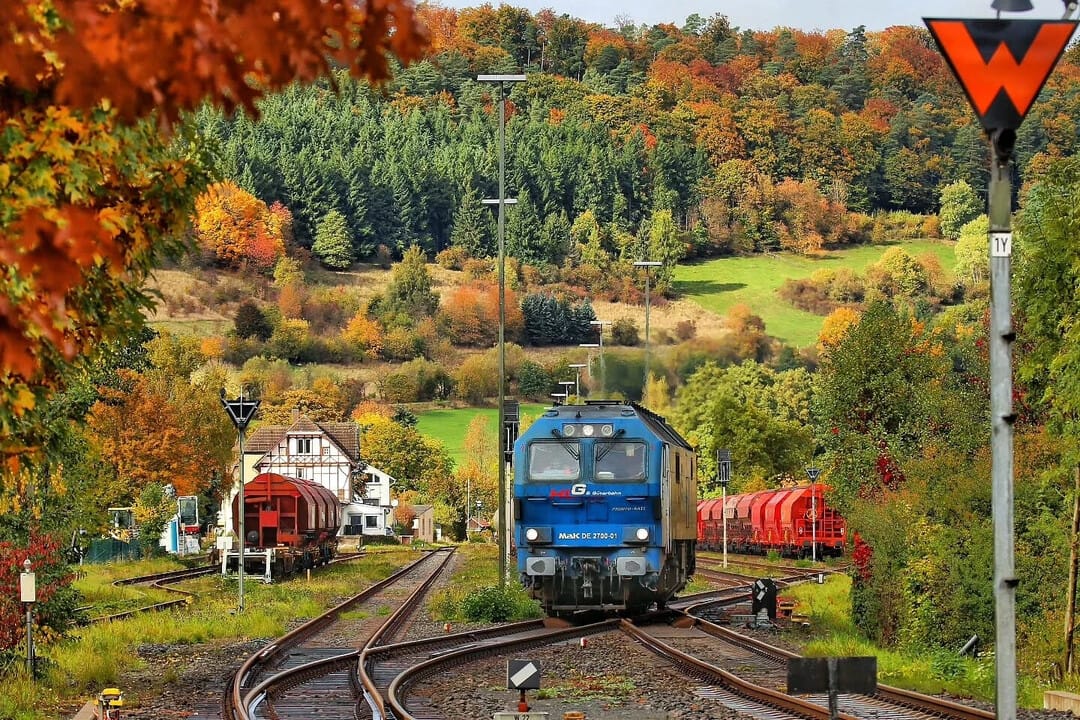
At the end of October, Polish police also detained a 55-year-old Russian citizen, accusing him of spying for foreign intelligence. The man photographed trains and railway infrastructure, and his devices were found to contain photos of various transport facilities in Poland and other countries. As The Insider found, the detainee turned out to be Moscow native Alexander Mashovets, an amateur photographer who for years has been fond of photographing trains, planes, and other transport, a hobby he began well before Russia’s full-scale invasion of Ukraine in 2022.