Seasonal supply deliveries have been disrupted in Russia’s Yakutia and Krasnoyarsk Region, leaving some remote communities without the fuel and food they expected to receive before changing weather renders river navigation impossible. The Arctic districts of Yakutia are facing fuel shortfalls, while Tura and other settlements in Evenkia have reported food shortages. Local authorities are trying to close the gap by preparing winter roads in Yakutia and increasing cargo flights in Evenkia, including by removing passenger seats from aircraft. Sources in Yakutia confirmed the disruptions to The Insider.
Russia’s “northern delivery” is a seasonal supply system for remote communities that lack year-round transport links. Fuel, food, and medicine are shipped mainly by river and sea during the summer and over temporary roads across frozen ground and waterways in winter. Between those seasons, settlements depend on stored supplies and air deliveries.
“They didn’t manage to bring everything in by river, so now they’ll transport it by truck over the winter roads,” one source told The Insider.
Yakutia’s authorities say the overall delivery plan is 95.1% complete; however, the republic-wide figure does not indicate how much fuel reached individual districts. Data presented during an October discussion in the regional parliament showed that only 72.4% of the planned coal and petroleum products had been delivered along the Yana River and 61.3% along the Indigirka. Dmitry Ammosov, head of the Momsky District, warned that local boiler plants could be forced to shut down. On Nov. 1, however, officials said existing petroleum reserves would last until the winter roads opened.
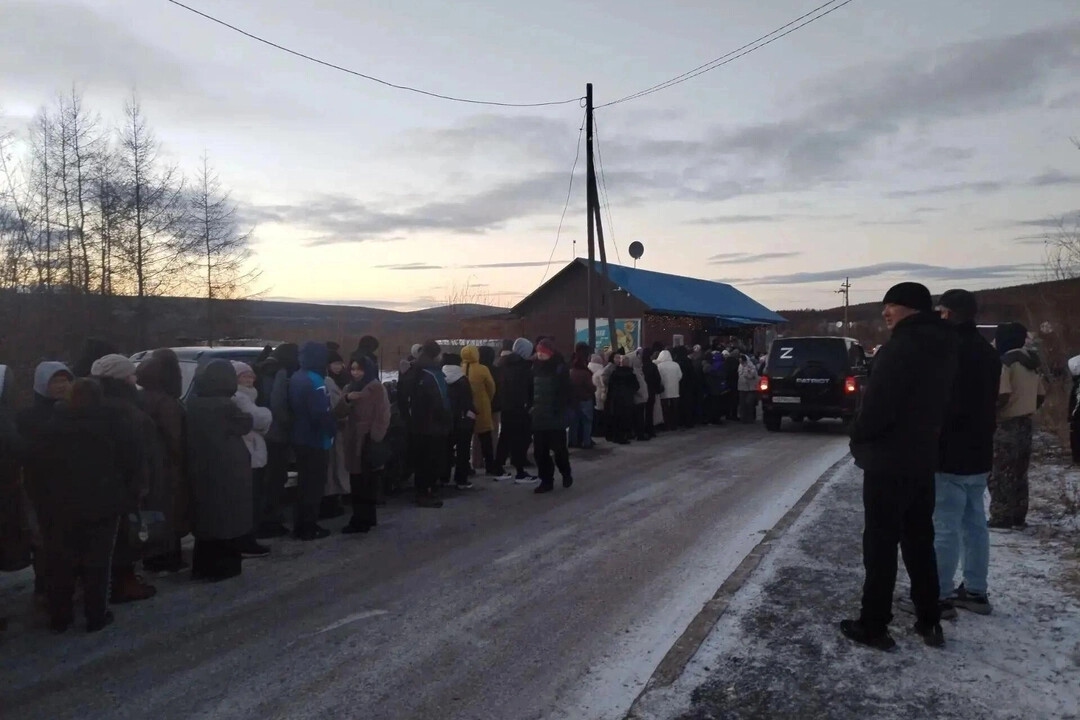
In Evenkia, the last river shipment to Tura arrived in late July. Vessels were unable to reach the settlement because of insufficient water levels on the Lower Tunguska River. Stores began running short of vegetables, dairy products, and other goods, while some subsidized food items were rationed to limited quantities per customer. Authorities opened a criminal negligence case over the shortages.
According to an Oct. 29 report by Newslab, more than 85 metric tons of food had been delivered by air since mid-September. Beginning in November, regional carrier KrasAvia plans to increase the frequency of flights and remove seats from An-26 aircraft so each plane can carry up to four tons of cargo.
Purchasing and transportation under the northern delivery program are handled by municipal utilities, trading companies, and freight carriers. Government support includes federal budget loans to regional authorities and regional subsidies. Politician Vladimir Milov told The Insider that public funding is capped in advance and may not cover actual increases in procurement prices.
Authorities in both regions blamed disruptions to river deliveries on low water levels: in Yakutia, they complicated shipments along Arctic rivers, while in Evenkia, vessels were unable to navigate the Lower Tunguska.
Still, economist Nikolai Kulbaka said low water levels alone do not explain the shortages:
“Falling river levels are a real cause of difficulties, but they cannot be blamed for all the consequences. Low water is a known risk for the northern delivery system. Water levels cannot be predicted precisely, but supply planning should take into account a shortened navigation season, reserve stocks, and alternative delivery methods.”
In Yakutia, the natural constraints were compounded by a shortage of tugboats, disruptions to coal shipments from the Dzhebariki-Khaya mine, and unpaid debts. As of Oct. 20, the state-owned housing and utilities company GUP ZhKKh Yakutii owed the Lena United River Shipping Company 2.225 billion rubles ($27.3 million). Yakutugol denied responsibility for the supply failure, citing nearly 489 million rubles ($6.0 million) in unpaid utility debts and delays in providing barges for loading.
The additional cost of completing deliveries in Yakutia has been estimated at more than 1.4 billion rubles ($17.2 million). Kulbaka said supply problems require stable budget funding:
“A loan helps pay for purchases in advance if the money is later recouped through sales. But a permanent gap between the high cost of delivery and a price residents can afford cannot be solved with loans. That requires predictable subsidies and a stable division of costs between the federal government and the regions.”
Milov suggested that the funds allocated to the programs may have fallen short because procurement costs rose:
“Clearly, prices are rising faster — especially fuel prices — and it is clear they couldn’t fit everything within the allocated sums. The Finance Ministry is looking for places to cut costs and keep the deficit at least within its current limits.”
The additional delivery costs ultimately affect residents, but the consequences of a failed supply operation go beyond higher prices, Kulbaka said:
“People’s losses are not limited to money. They also include waiting in line, poorer nutrition, and being unable to buy essential goods when they are needed. So even keeping prices affordable for a small subsidized batch does not mean the supply problem has been solved.”