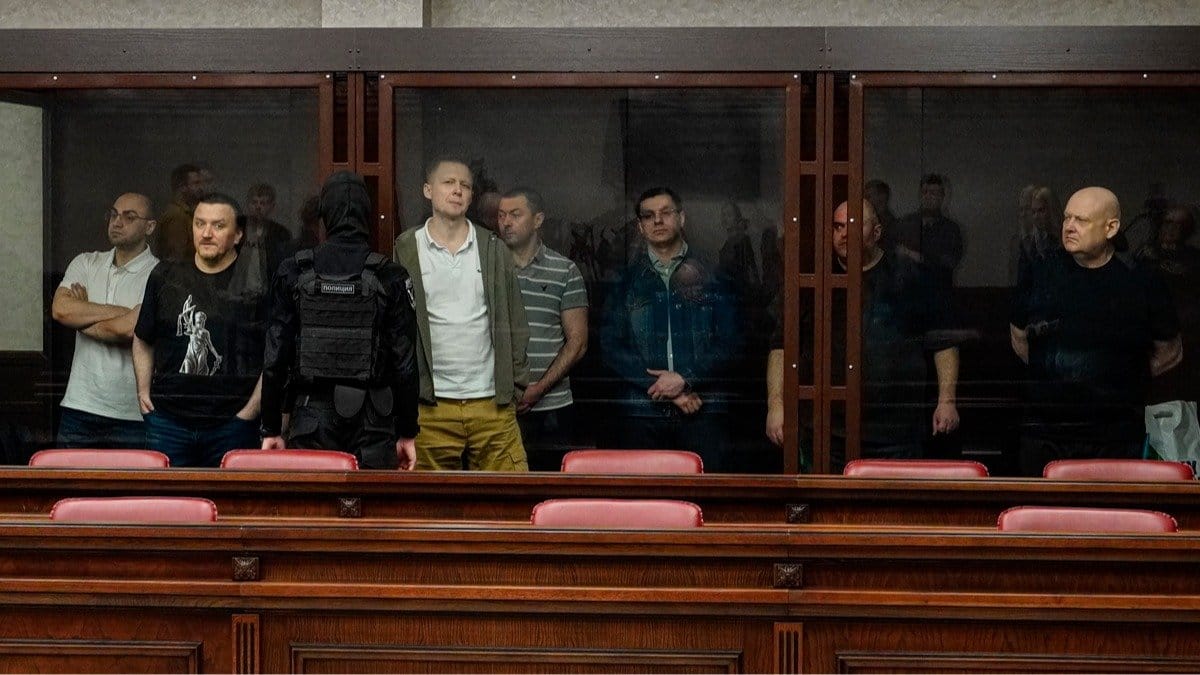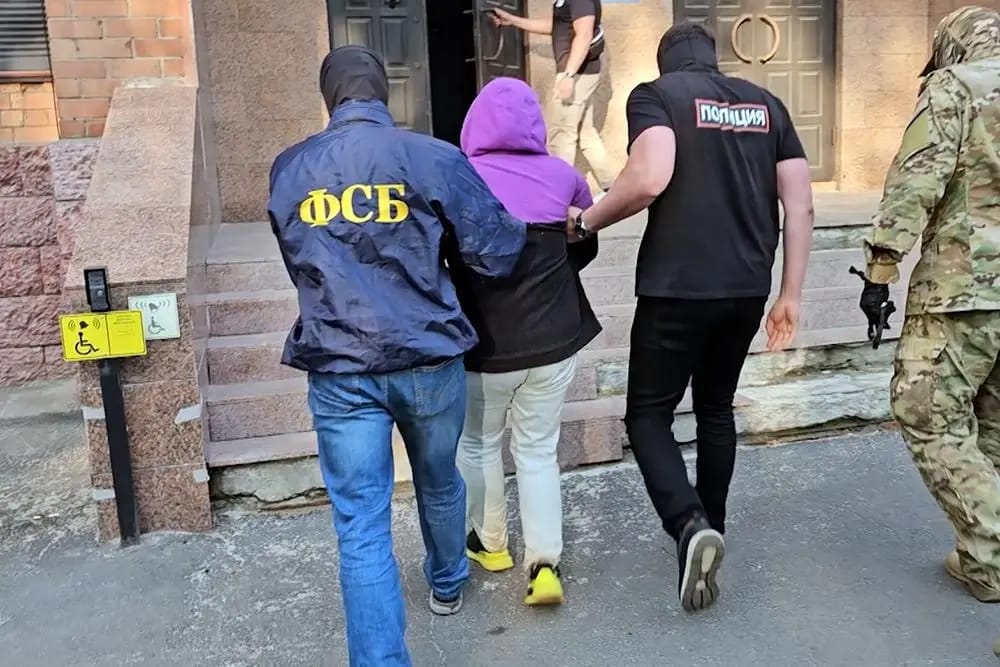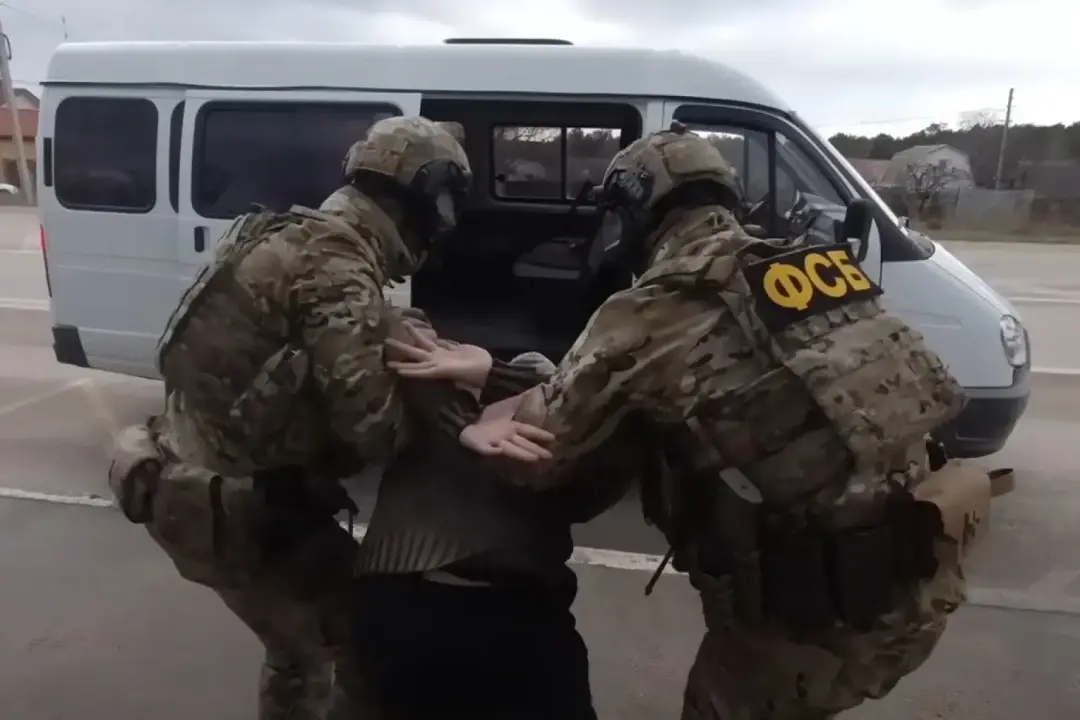
At least one charge falling under the investigative jurisdiction of Russia’s Federal Security Service (FSB) appears in 67% of politically motivated criminal cases recorded in Russia during the first nine months of 2026. While the overall number of prosecutions connected with defendants’ speech has declined, cases under other statutes handled by the FSB have increased. While the overall level of political repression in Russia remains roughly unchanged, the charges brought against defendants are becoming more severe, according to the new Barometer of Repression report by Memorial’s Support for Political Prisoners project covering the third quarter of 2026.
A catalyst for repression
Russia’s FSB has the authority to conduct investigations connected to extremism, terrorism, and state security. In the first nine months of 2026, the number of new defendants facing charges of “calls for extremism” rose by 26%, and charges involving calls for activity against state security rose 13%. Meanwhile, cases involving calls for terrorism or its justification fell by 1%. The report’s authors hypothesize that the FSB is becoming more active in politically motivated prosecutions.
Not more cases, but harsher ones
Overall, the scale of politically motivated criminal prosecutions inside Russia has not changed significantly. Memorial recorded 1,393 new defendants in the first nine months of 2026, compared with 1,339 during the same period last year, an increase of 4%. But the structure of repression is markedly new: the number of people prosecuted under statutes related to freedom of expression fell from 487 to 380, or 22%, while cases that rights advocates classify as restrictions on freedom of association rose from 219 to 328. Meanwhile, a previous rise in treason, terrorism, and sabotage cases effectively leveled off.
Much of the growth in the “freedom of association” category came from separate repression campaigns. Prosecutions against individual supporters of Alexei Navalny rose from 69 to 143 over the year, cases against Jehovah’s Witnesses increased from 45 to 91, and defendants from the so-called “Citizens of the USSR” movement jumped from 13 to 29. Nearly all cases Memorial classifies as prosecutions of Navalny supporters involve allegations of financing extremist activity through donations to his Anti-Corruption Foundation. In every quarter of 2026, at least 40 new such prosecutions became known.
Authorities also continued to prosecute people accused of involvement with Vyacheslav Maltsev’s Artpodgotovka movement. Memorial recorded 44 such cases in the first nine months of 2026, compared with 20 over the same period last year. Human rights advocates say the reasons for the simultaneous intensification of several unrelated campaigns remain unclear: it may reflect a shift in law enforcement attention toward alleged “organized” structures, though the authors do not rule out the possibility that several separate trends simply coincided.
At the same time, political prosecutions are becoming more severe. The share of cases involving at least one charge classified as especially serious rose from 29% in the first nine months of 2025 to 34% in 2026. Although the overall number of speech-related cases declined, their severity increased: the offense of “justifying or promoting terrorism” now accounts for more than 60% of prosecutions in the speech category, and in more than 80% of such cases, defendants are deprived of their liberty.
Russian-occupied territories and prosecutions of Ukrainian service members
In the Russian-occupied parts of Ukraine, Memorial recorded 307 new politically motivated criminal prosecutions in the first nine months of 2026, compared with 338 over the same period in 2025, a decline of about 10%. Human rights advocates, however, attribute that mainly to the end of a sharp surge in repression that had been seen in the second and third quarters of last year, rather than to a sustained easing of Russian legal pressure. Notably, the intensity of prosecutions in the occupied territories remains far higher than inside Russia itself: in Crimea and Sevastopol, the rate is 4.6 cases per 100,000 residents a year, while in occupied parts of the Donetsk, Luhansk, Zaporizhzhia and Kherson regions, it is 9.1 — compared with 1.2 inside the country’s internationally recognized borders. Unlike other major categories, speech-related prosecutions in occupied territories rose by 17%.
The number of new criminal prosecutions of Ukrainian service members also fell — from 484 in the first nine months of 2025 to 330 in 2026. The main reason was the winding down of a mass campaign against Ukrainian Armed Forces personnel captured during fighting in Russia’s Kursk region, with the number of newly recorded prosecutions in that group falling from 258 to 72. Russia has not engaged in the systematic prosecution of Ukrainian prisoners of war captured elsewhere; however, captives taken during Ukraine’s Kursk operation were widely charged with “terrorism” simply for participating in combat on Russian territory.
Memorial believes the peak of that campaign has passed, as most prisoners whom Russian authorities intended to prosecute have already become defendants in criminal cases. New cases are still being discovered with a delay, however: in the third quarter of 2026, the number of newly recorded prosecutions of Ukrainian troops rose from 101 to 129, while among captives from the Kursk region the figure increased from 17 to 40. Russian authorities have said more than 500 Ukrainian service members were captured there, and Memorial is currently aware of prosecutions against 400 of them.
Prosecutions of Ukrainian service members remain the harshest category of political cases, rights advocates say: in 86% of such cases, the charges include at least one especially serious offense. By comparison, the figure is 59% for civilian defendants in the occupied territories and 34% inside Russia.
The number of people formally recognized as political prisoners by the Memorial project rose from 1,680 to 1,825 in the third quarter. A broader list of people deprived of their liberty in criminal cases where Memorial sees signs of political motivation grew from 5,567 to 5,740. The authors caution that some prosecutions become known only after a delay, meaning figures for individual periods may later be revised.