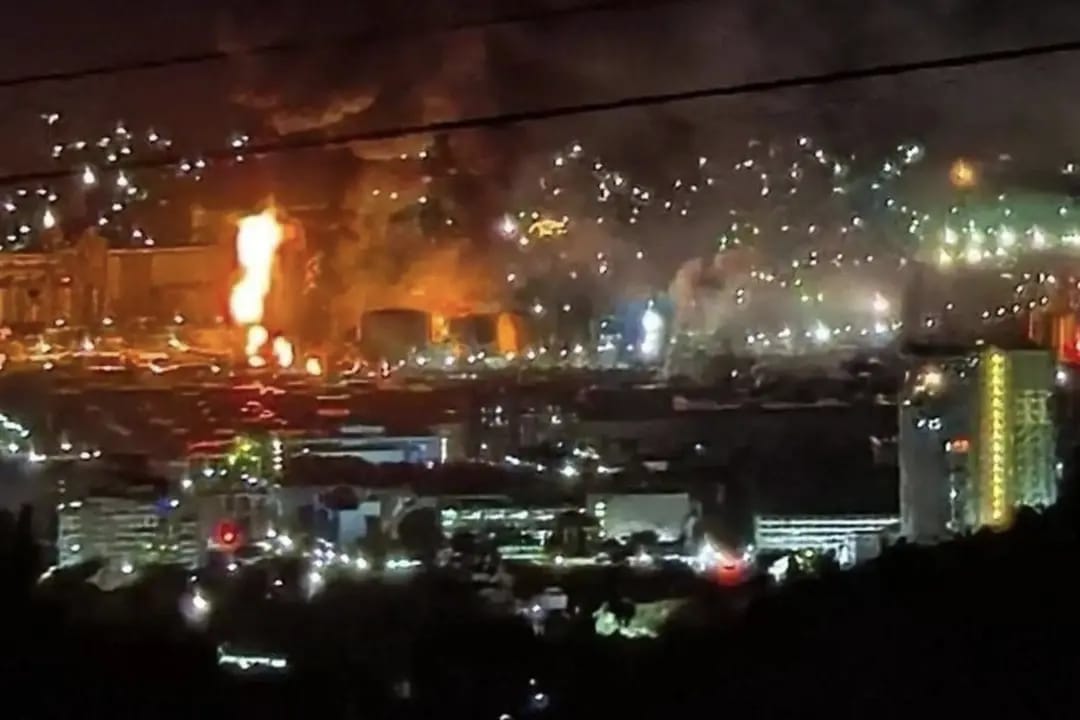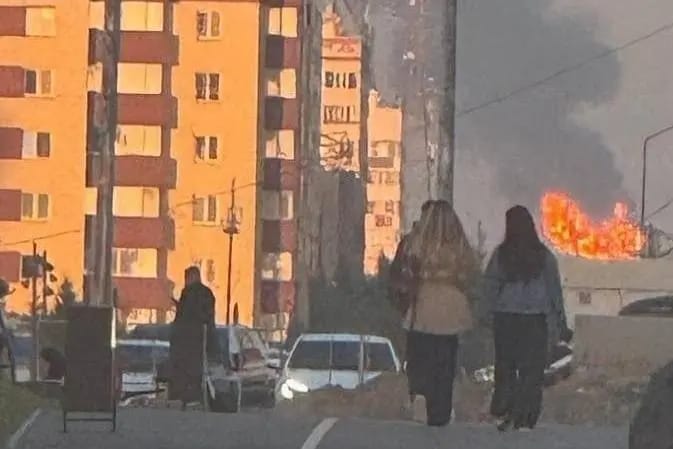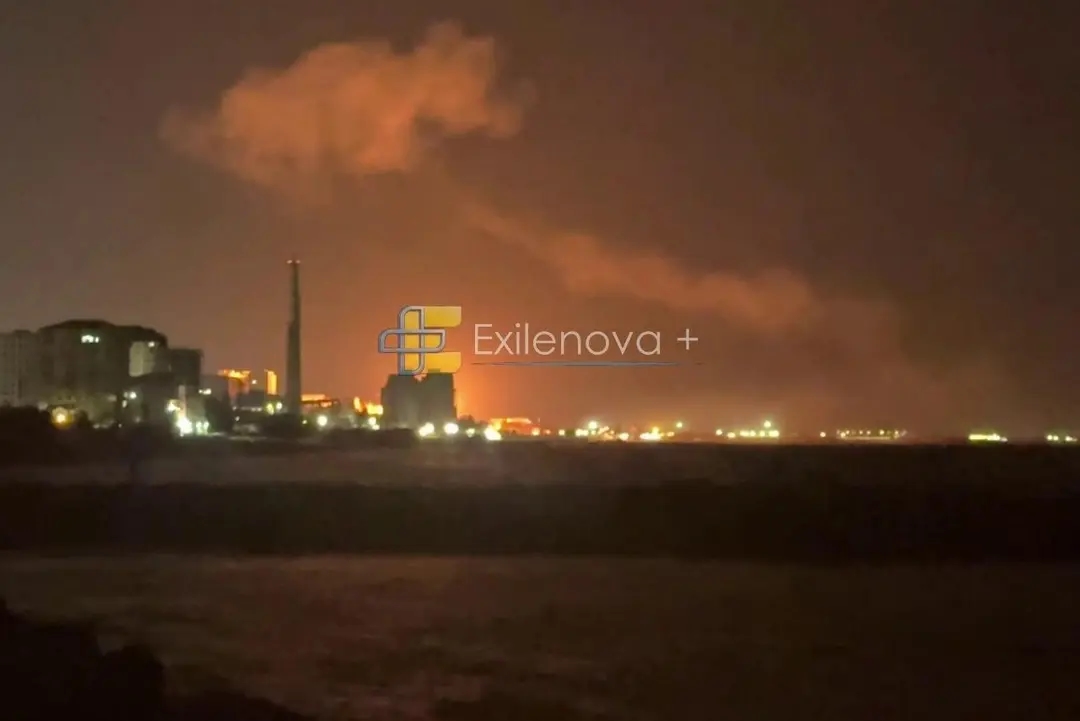
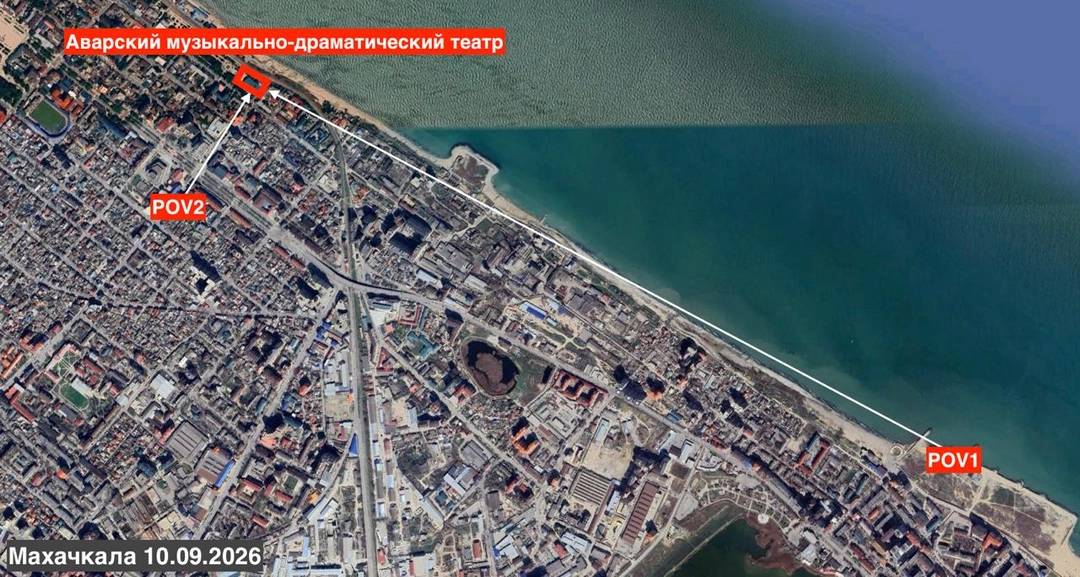
Ukrainian drones attacked the commercial seaport in the city of Makhachkala in Russia’s Dagestan overnight into Sept. 10. At around 3 a.m., local residents began reporting explosions and air defense activity near the port. Before the authorities issued any official statements, the independent outlet Astra analyzed witness footage and determined that the commercial seaport was the likely target.
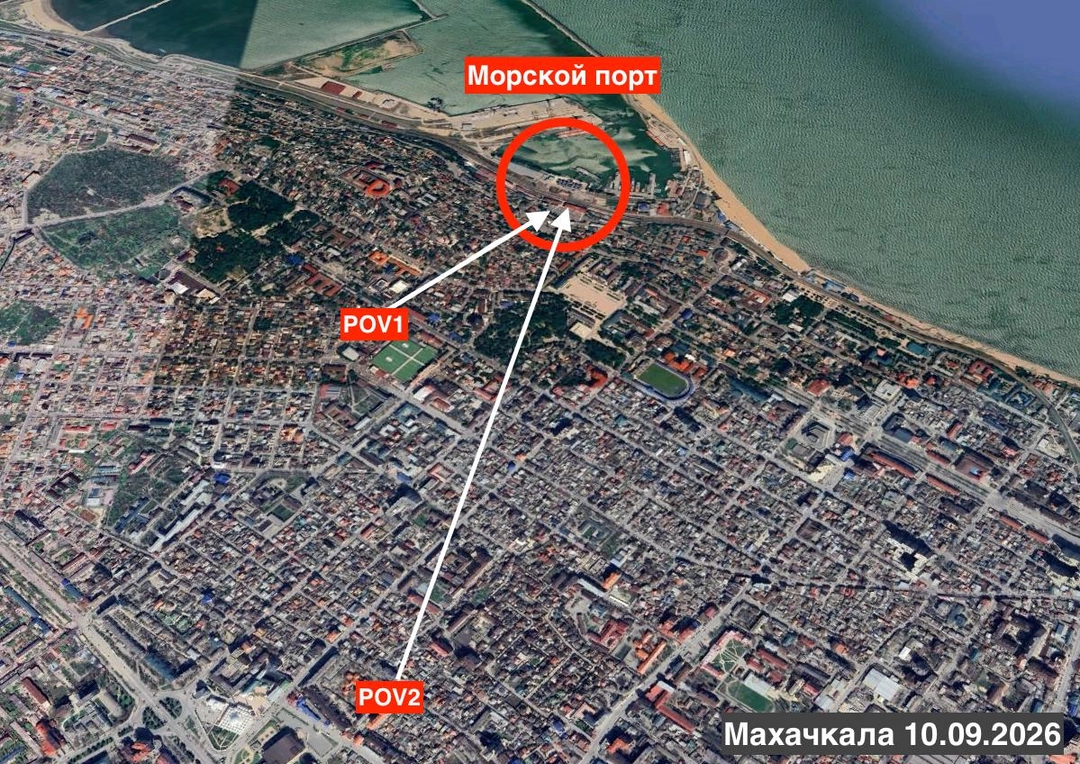
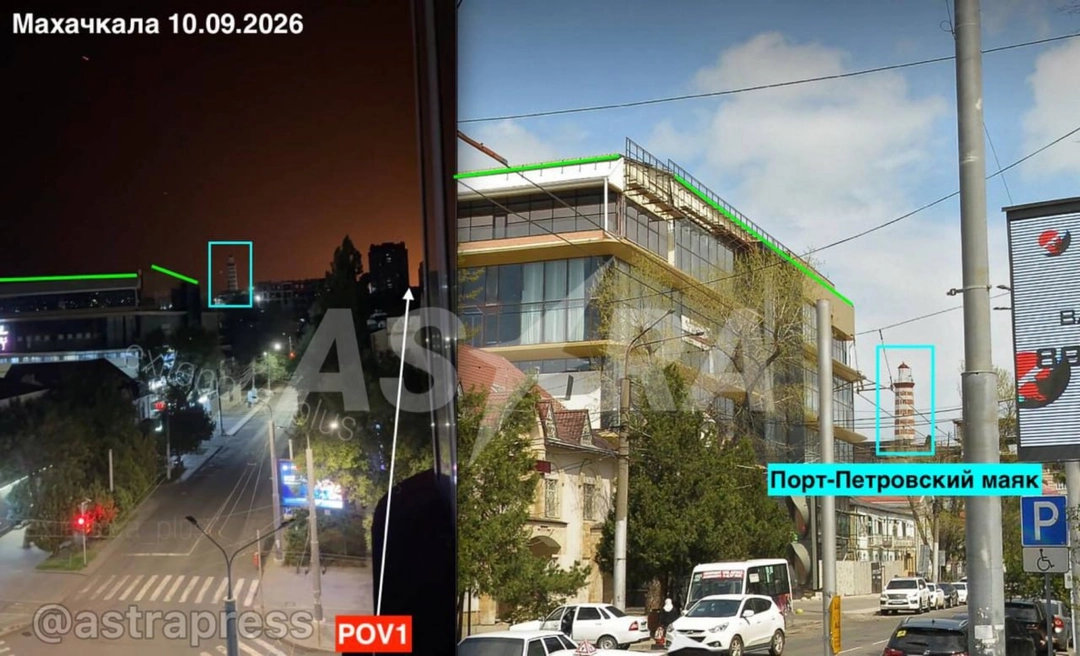
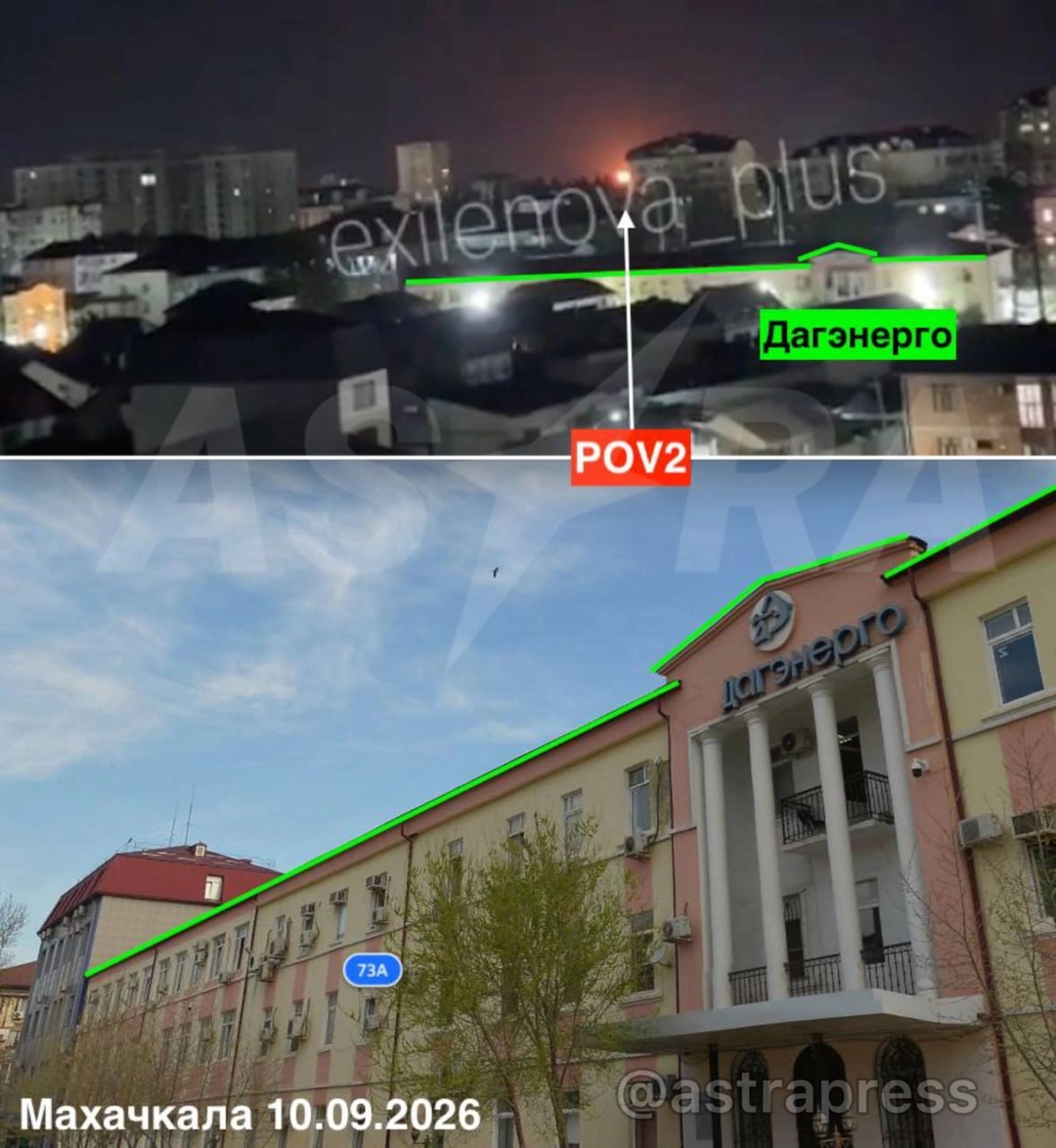
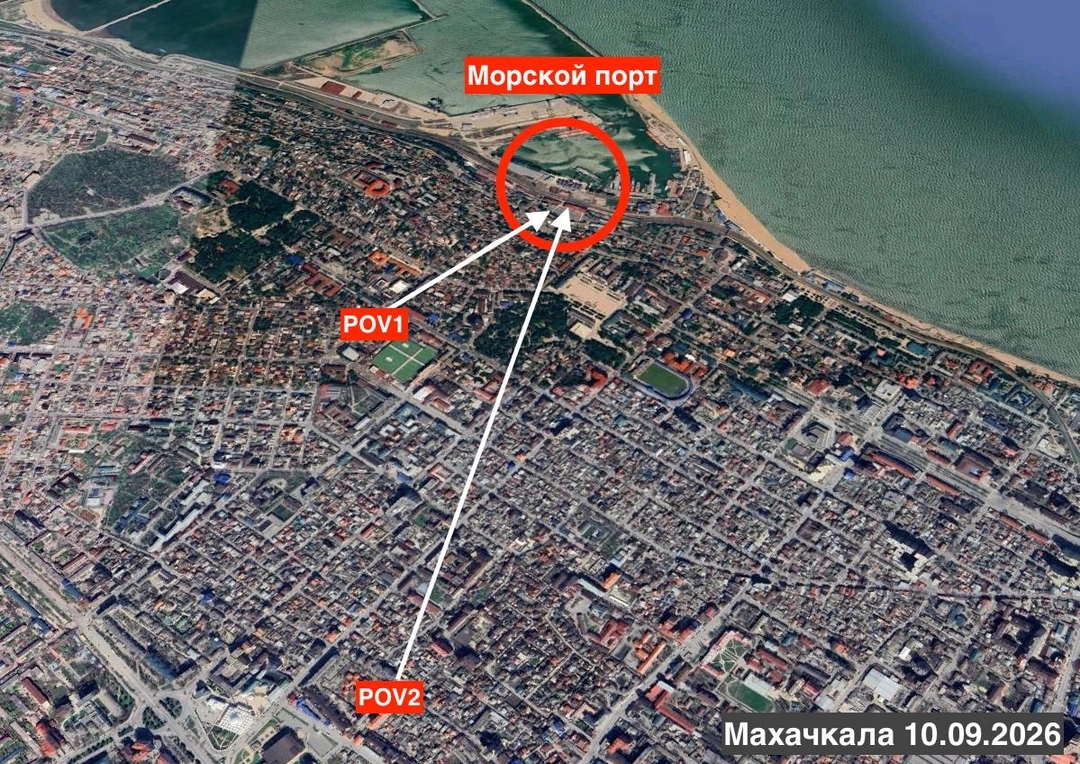
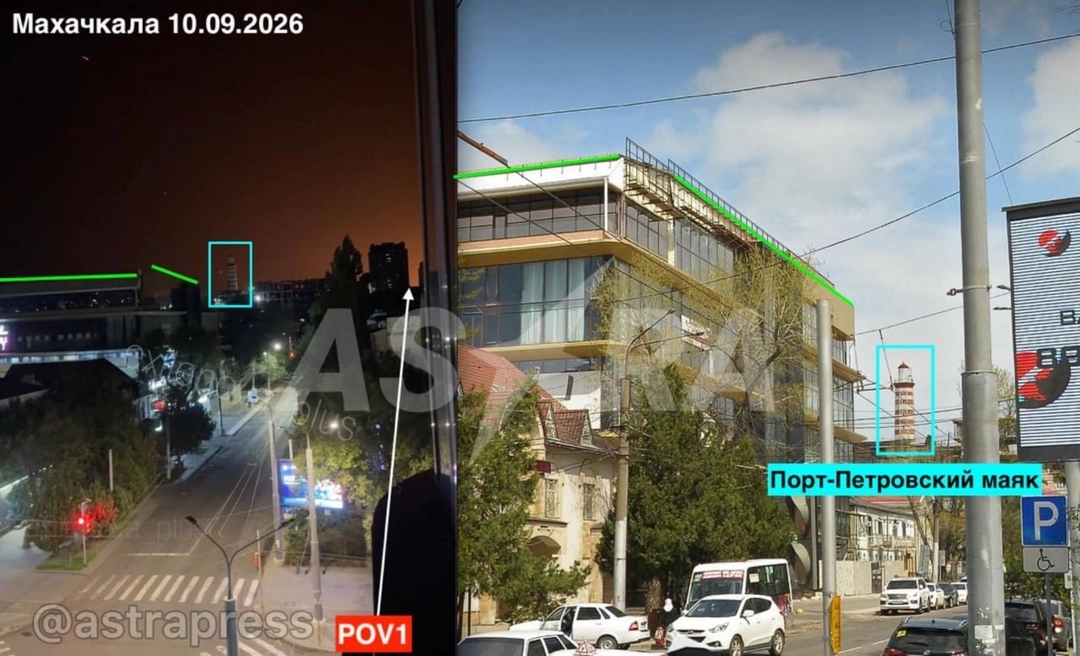
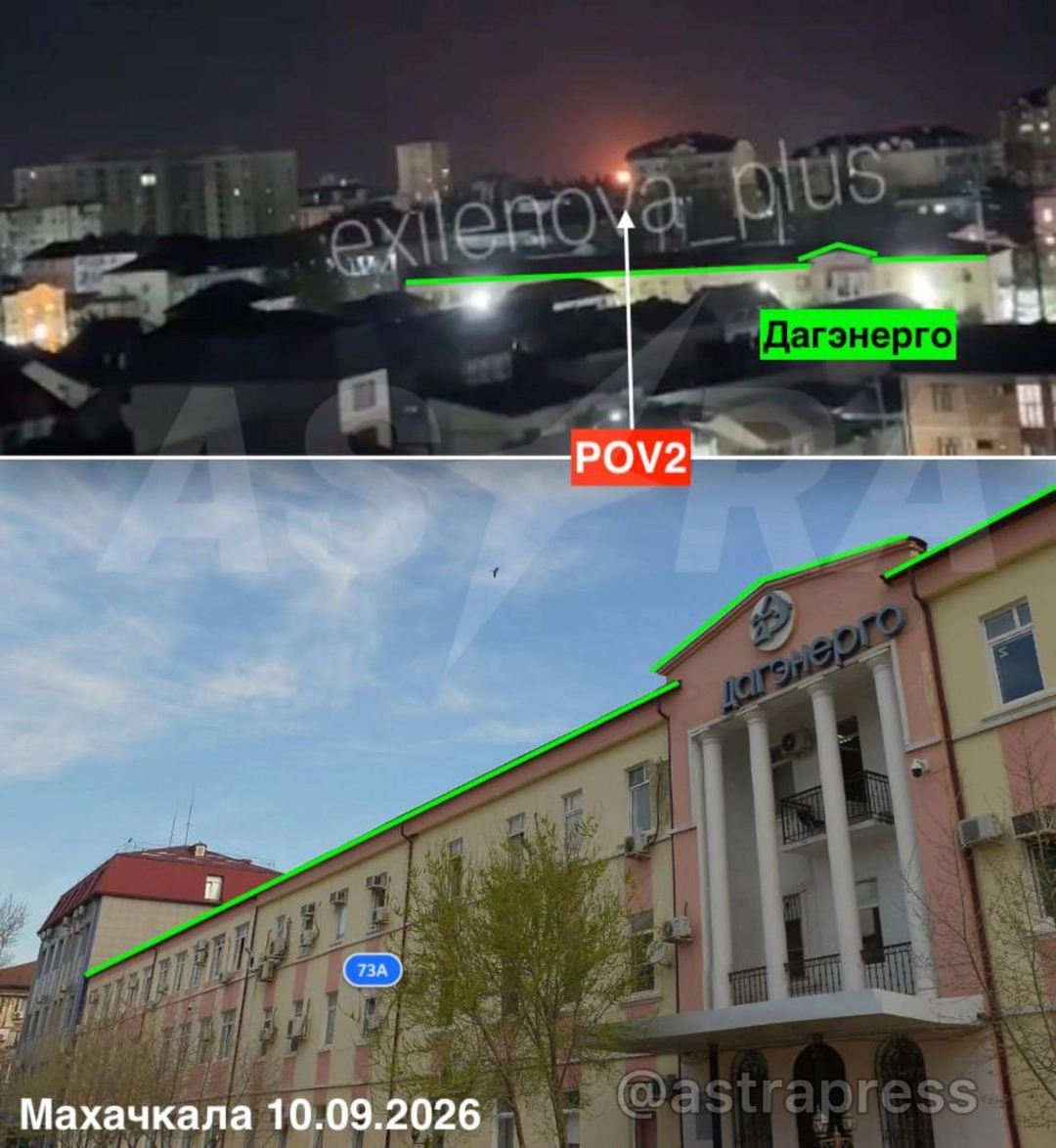
Astra also geolocated one of the explosions to the area of Pushkin Street where the Avar Theater is located.
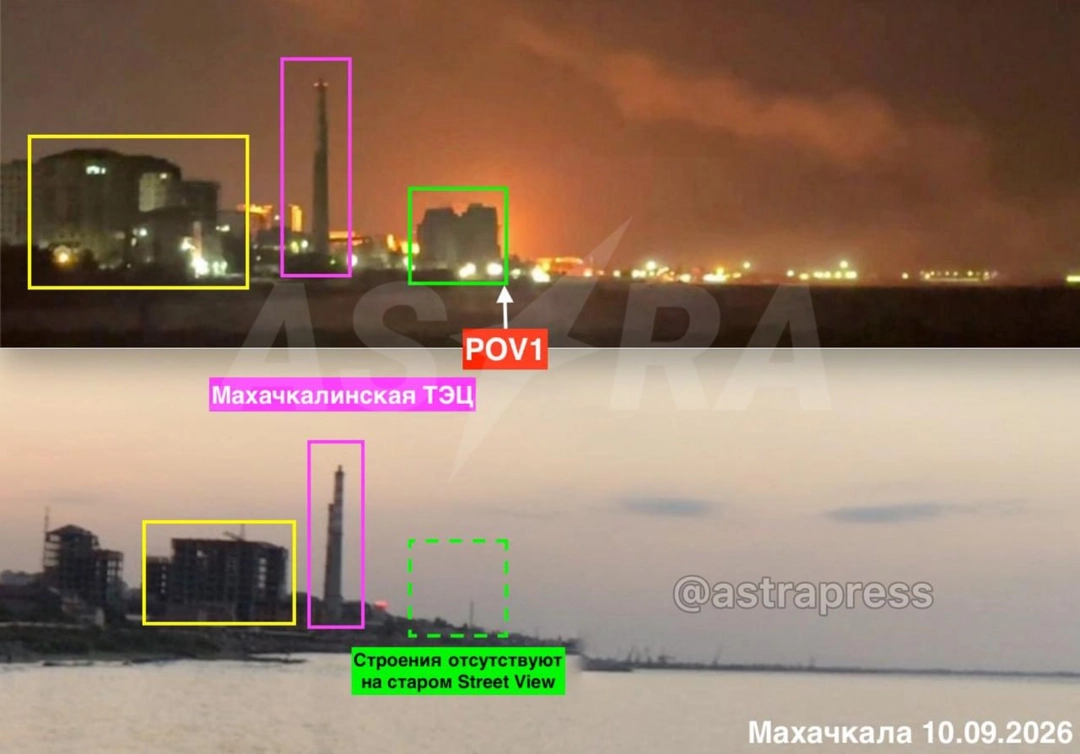
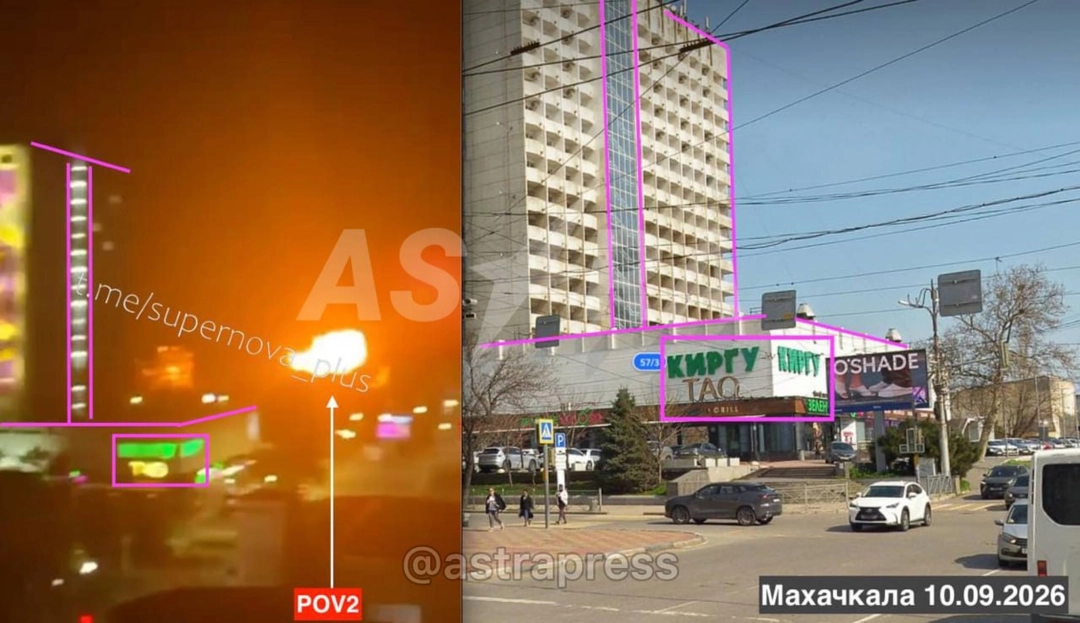
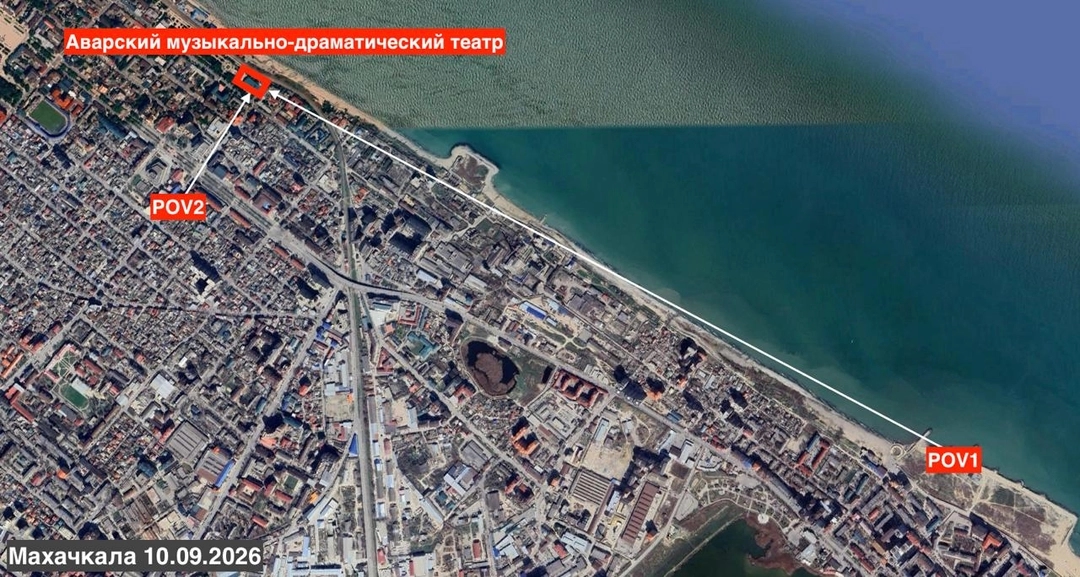
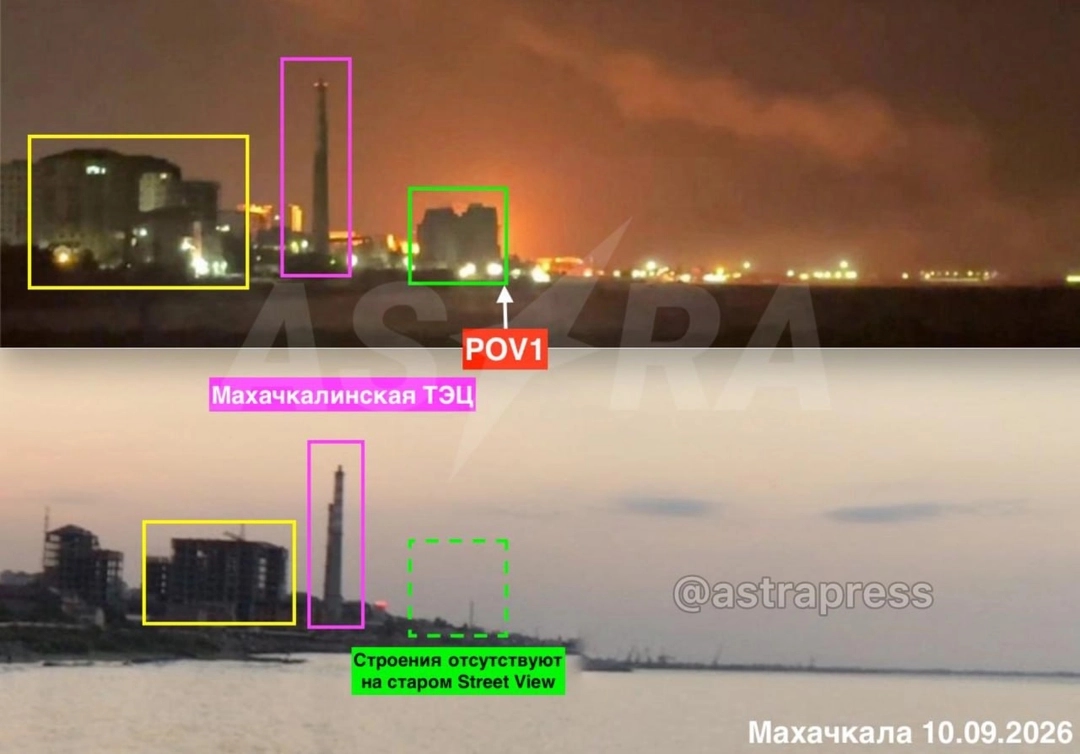
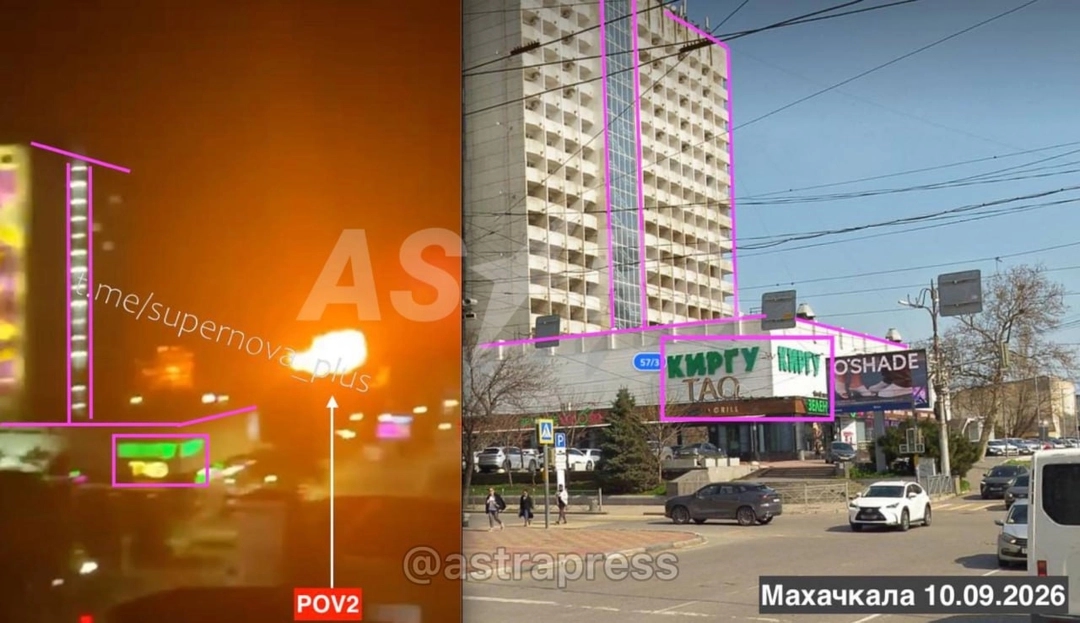
Ukrainian monitoring channels Exilenova+ and Supernova+ published several videos showing drones flying overhead and exploding. Other footage showed smoke rising in the port area and damage in the city. Exilenova+ also published what it said was the apparent moment of a strike on the port’s infrastructure.
Acting Dagestan head Fyodor Shchukin confirmed that fires broke out at the port and at the Avarsky Theater. He said all aerial targets had been destroyed and that the fires were caused by falling debris. However, the theater’s director, Magomed Bisavaliyev, reported that a drone fell directly onto the building’s roof, blowing out windows before a fire started. Shchukin said the fires had been extinguished, no one was killed or injured, and the theater’s damaged roof would be repaired. Airports in Makhachkala, Vladikavkaz, and Grozny suspended operations for three and a half hours.
The Makhachkala Commercial Seaport is Russia’s only ice-free, deep-water port on the Caspian Sea. It is used for the shipment of oil, petroleum products, grain, containers, and other cargo moving between Russia, Iran, and countries in Central Asia and the South Caucasus. From January through August 2026, it handled a record 2.9 million metric tons of cargo, according to its own data, up 42.5% from a year earlier. More than 2 million metric tons of that volume was oil.
In addition to the strikes on Makhachkala, the Russian Black Sea city of Sochi was attacked by maritime drones on the evening of Sept. 9. Supernova+ published a full video of one part of the attack, while another clip captured a strike on a pier. Footage posted on social media also appeared to show a cafe building burning near a beach.
Twenty-eight people were injured in the attack, including two children.
Beach infrastructure and a nearby section of the Primorskaya Embankment were damaged. A concert by Russian singer Tatyana Bulanova at the Festivalny concert hall was also interrupted due to the threat of an attack, and performers and audience members were sent to shelter.
Russia’s Defense Ministry reported that it had intercepted more than 440 fixed-wing drones in the south of the country and over the Black Sea.
New data also emerged about the consequences of yesterday’s Ukrainian drone attack on gas infrastructure in the Yamalo-Nenets Autonomous District, located more than 2,000 kilometers from the border between the two countries.
The open-source intelligence channel Falcon Insight noted that NASA’s Fire Information for Resource Management System (FIRMS) detected several thermal anomalies at the Urengoyskaya compressor station near the Novy Urengoy Condensate Preparation Plant, which was attacked on Sept. 9.
Falcon Insight said such heat signatures are not typical for the compressor station.
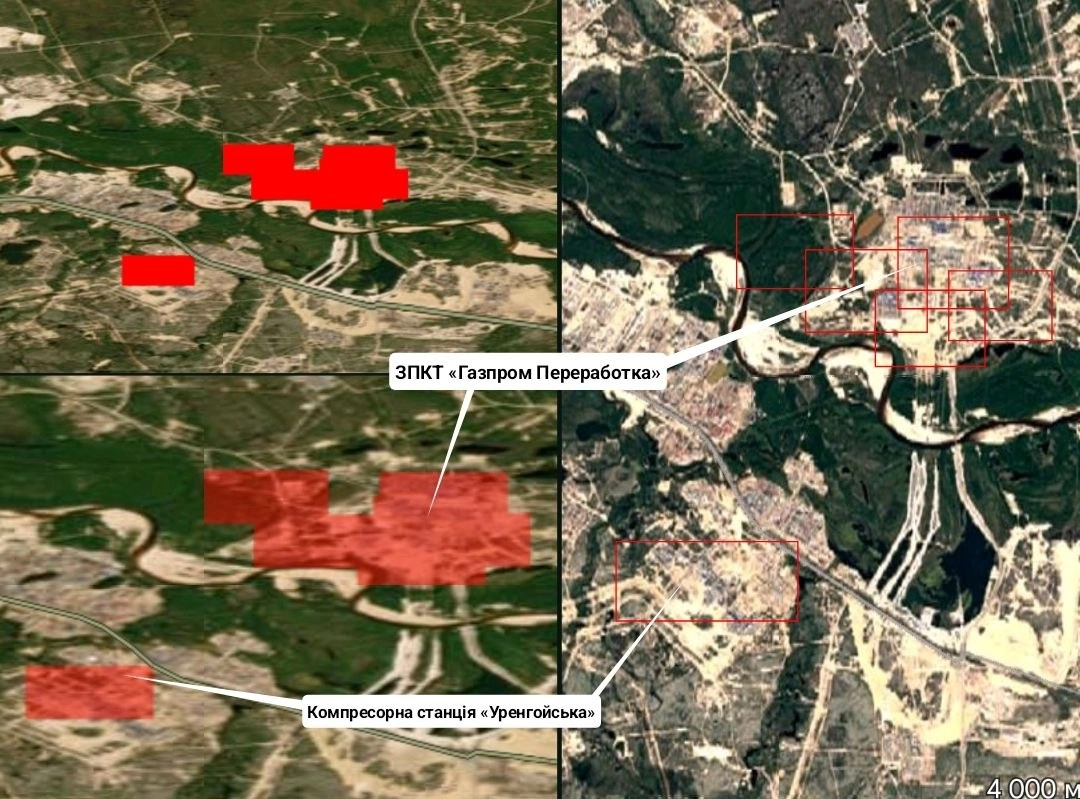
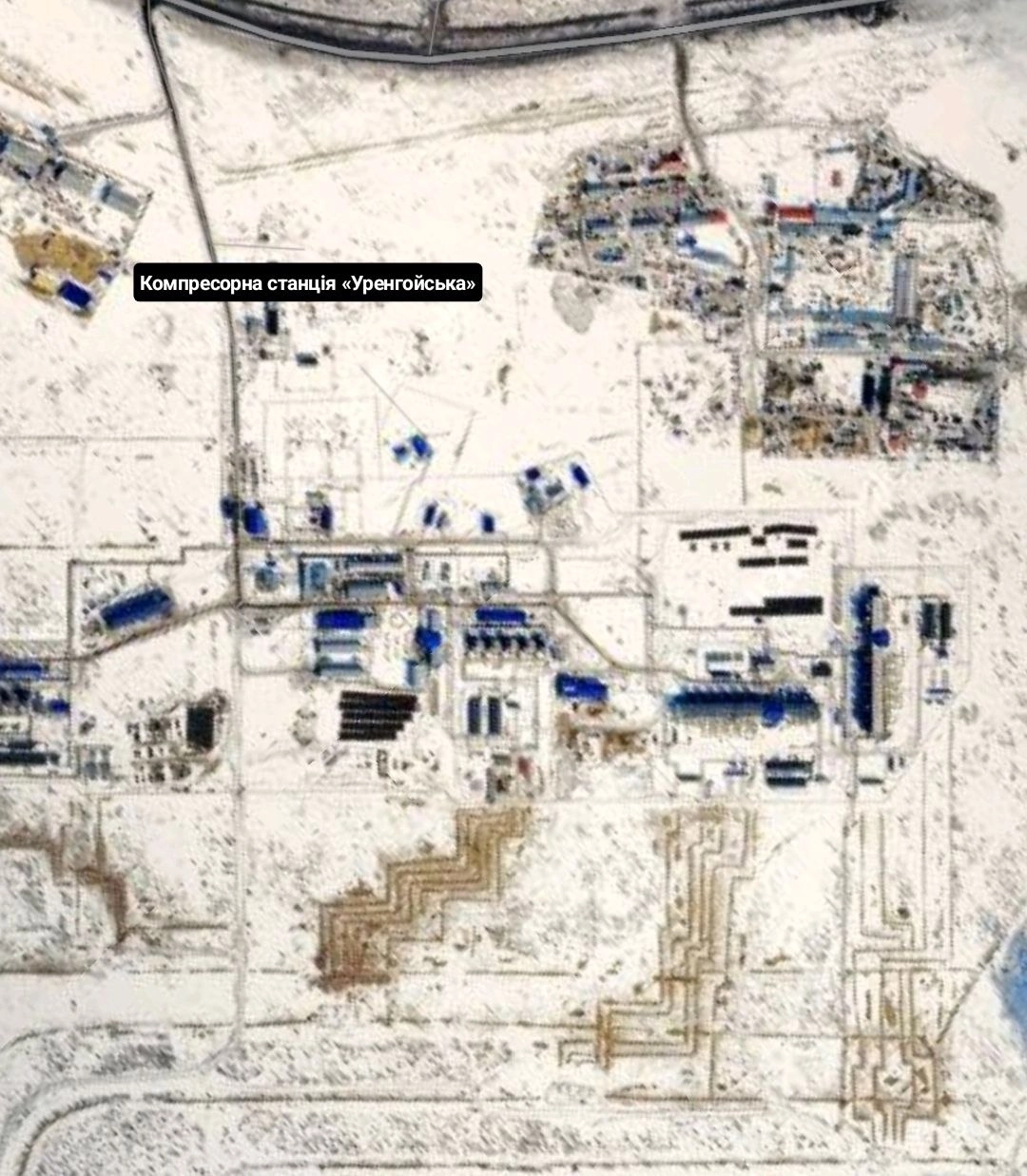
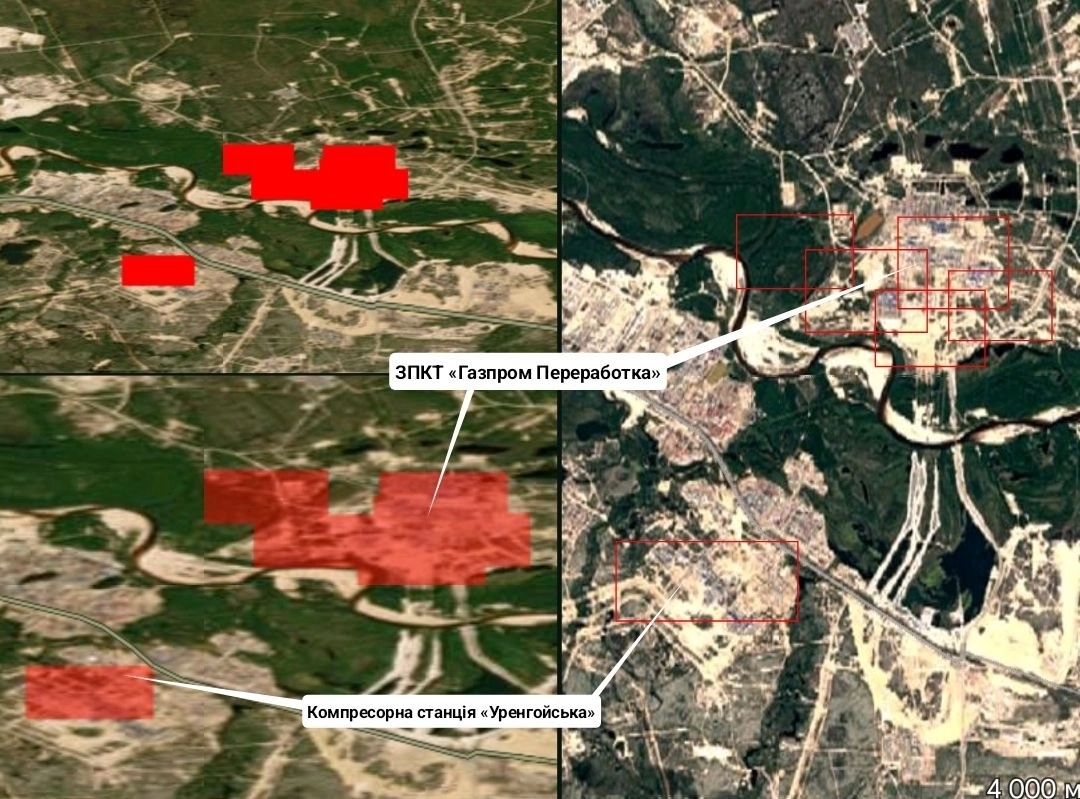
The station supports several major gas pipelines, including the Urengoy-Center and Urengoy-Novopskov systems, which transport gas from the Yamalo-Nenets Autonomous District to other parts of Russia. There had been no previous reports of an attack on the compressor station, and there is still no separate confirmation that the facility was damaged. Satellite monitoring data only shows sources of intense heat and cannot by itself establish what caused them.
Ukraine’s Special Operations Forces claimed responsibility for strikes on two other facilities in the region: the Novy Urengoy and Purovsky gas condensate processing plants. The Novy Urengoy plant has a design capacity of 19.5 million metric tons of feedstock a year, while the Purovsky plant processed 13.4 million metric tons in 2025. Ukraine’s military did not list the Urengoyskaya compressor station among the targets it said had been hit.