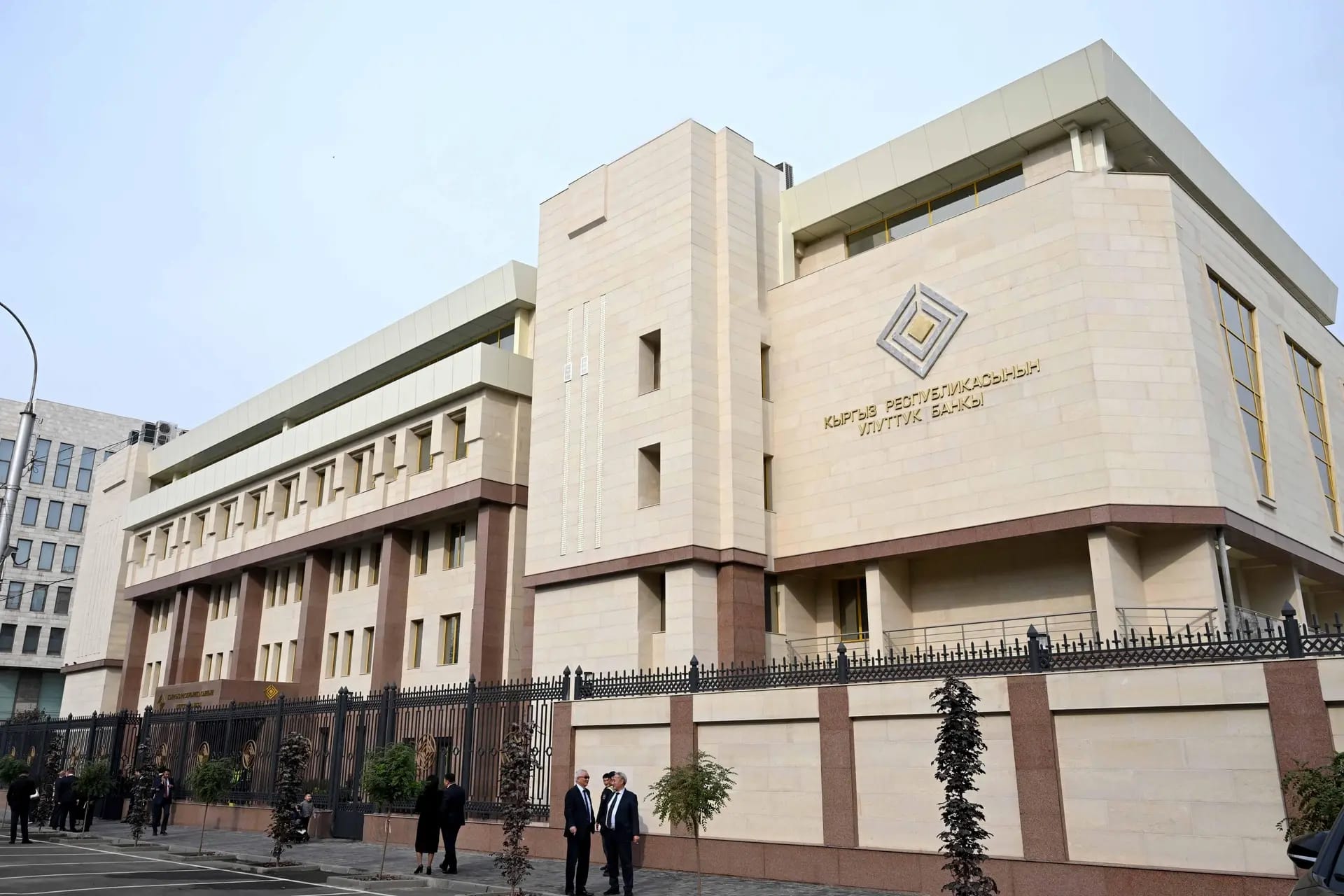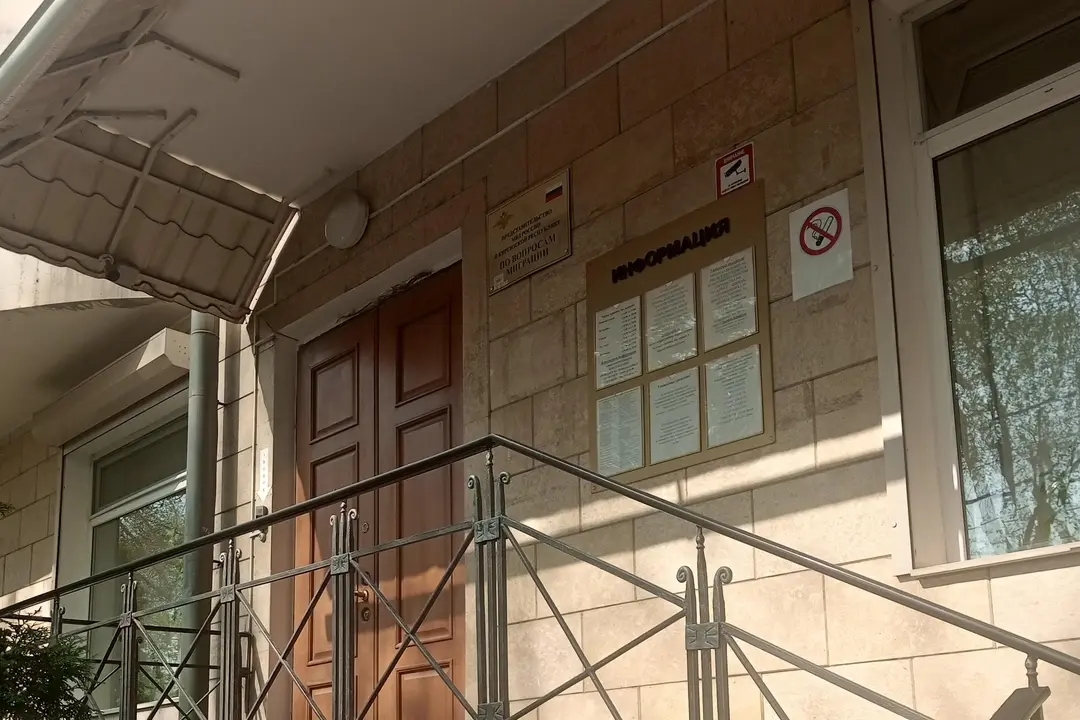
Russia and Kyrgyzstan are expanding the functions of their Interior Ministry representative offices in one another’s countries. The Russian Interior Ministry office in Bishkek, which previously operated under an agreement on migration cooperation, will now handle a broader range of law enforcement matters and take part in “information exchange” with Kyrgyzstan’s Interior Ministry, according to an agreement between the two governments that was reviewed by The Insider.
The agreement was signed in Bishkek on Nov. 26, 2025, and took effect Aug. 17 this year; however, it was only published on Sept. 8. It replaces part of a 2017 agreement on establishing reciprocal representative offices of competent agencies “in the field of migration.” The Russian office will now operate under an agreement covering “internal affairs and migration.”
The agreement says the Interior Ministry offices will help coordinate the work of the two ministries, interacting with government agencies, international organizations, and civic groups while facilitating “information exchange between the Ministry of Internal Affairs of the Russian Federation and the Ministry of Internal Affairs of the Kyrgyz Republic.”
The agreement does not specify what information Russian and Kyrgyz law enforcement agencies will be allowed to share. The offices will also be able to receive members of the public and participate in preparing international agreements in the field of law enforcement.
Employees of the representative offices and their family members will receive corresponding diplomatic privileges and immunities. The same protections will apply to the offices’ premises, property, archives, documents, and correspondence. Russia and Kyrgyzstan will also be able, by mutual agreement, to open branches of the offices in other cities.
At the same time, Kyrgyzstan will establish a separate Interior Ministry representative office in Moscow. Its existing migration office will be reorganized as a representative office of Kyrgyzstan’s Ministry of Labor, Social Security and Migration.
The expansion of cooperation between Russian and Kyrgyz law enforcement agencies comes after several cases in which Russian citizens, including anti-war activists, were detained in Kyrgyzstan. For example, in May 2023 anti-war activist Alexei Rozhkov was detained in Bishkek after leaving Russia following an arson attack on a military recruitment office carried out in protest against Russia’s invasion of Ukraine. Rozhkov was then transported to Russia without a court order. Human rights advocates said at the time that Kyrgyz security forces had also sent several other Russian citizens wanted by Moscow back to Russia.
An even more striking case involved Lev Skoryakin, an activist with the Levy Blok (lit. “Left Bloc”) opposition movement. In the summer of 2023, Skoryakin was detained in Bishkek at Russia’s request. He sought asylum, and Kyrgyz prosecutors ultimately refused to extradite Skoryakin to Moscow. After his release, he obtained a German humanitarian visa and was preparing to leave for Germany. In October of that year, however, men who identified themselves as officers of Kyrgyzstan’s criminal investigation department arrived at the shelter where Skoryakin was staying and took him away. His lawyers were unable to determine his whereabouts until it emerged that he was already being held in Moscow’s Butyrka pretrial detention center.
Human rights advocates told The Insider that Skoryakin had been illegally taken from Kyrgyzstan to Russia despite the government’s refusal to extradite him. In March 2024, reports confirmed that Skoryakin had fled Russia for Europe.
In yet another notable case, in June 2023, Levoye Soprotivlenie (lit. “Left Resistance”) activist Alyona Krylova was detained in Bishkek. She was wanted in Russia over her involvement in an alleged “extremist community,” a criminal charge Russian authorities often use for participation in non-violent political groups that oppose the Putin regime. Krylova applied for asylum in Kyrgyzstan and remained in custody while Russia’s extradition request was being considered. In December of that year, reports said she had been taken from Kyrgyzstan to Russia and sentenced to two years in prison.