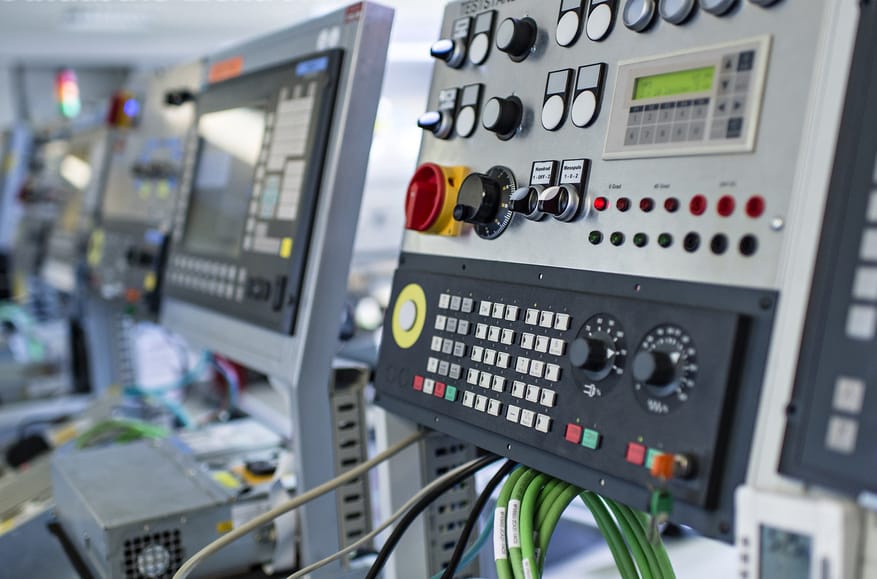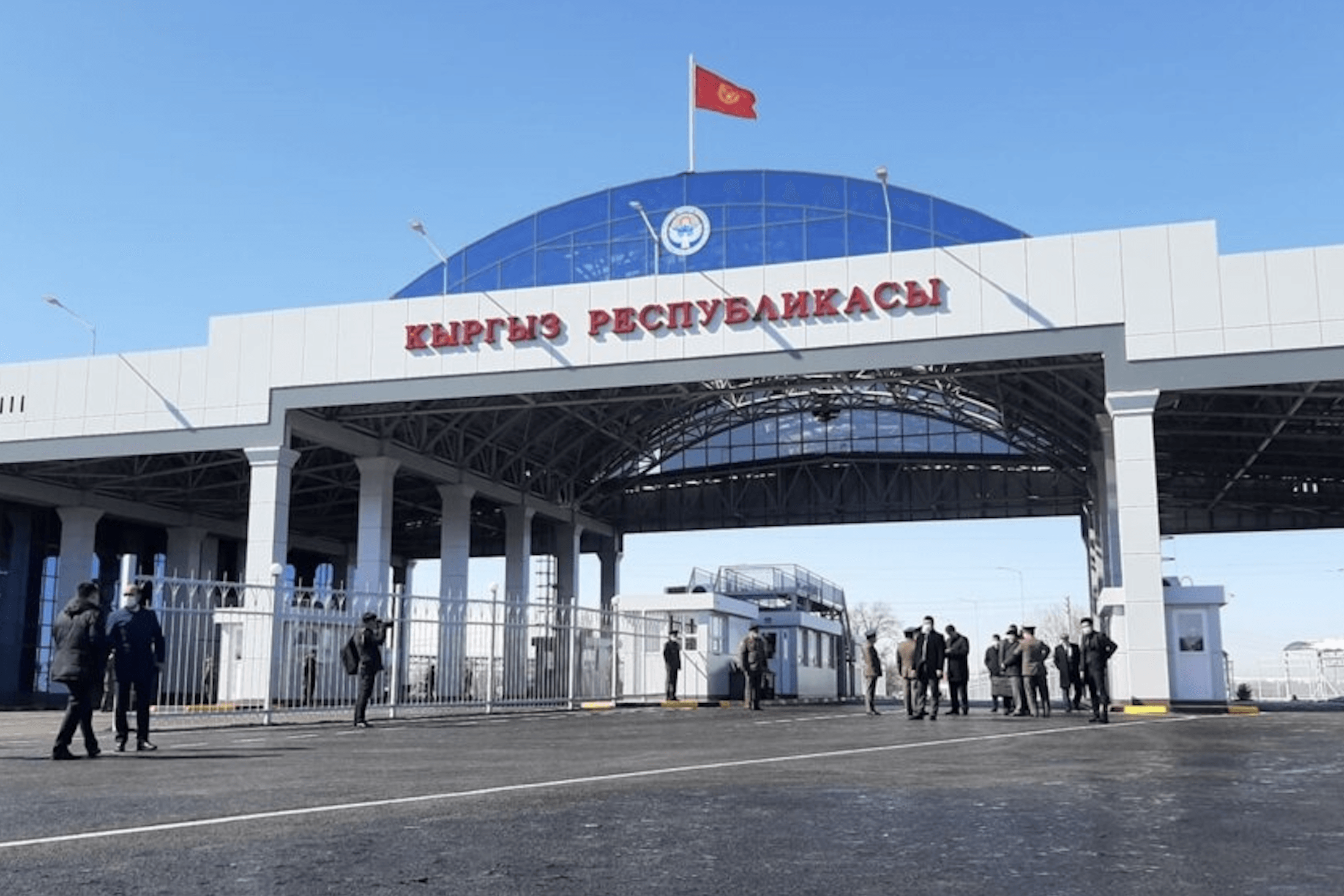
The European Union’s 20th package of sanctions against Russia includes a ban on exporting digitally controlled machine tools and radio equipment to Kyrgyzstan. A press release from the Council of the EU said the “thorough analysis of trade data showed a significant surge in re-export of common high-priority items through Kyrgyzstan to Russia.”
As The Insider has repeatedly reported, Russia has used Kyrgyzstan as a transit point for importing various types of European-made equipment, including machines that are then used for defense production.
For example, Kyrgyz company Interstyle Plus and its Russian partner Alliance LLC were already under U.S. sanctions over their role in procuring Czech machine tools. The Insider found that the founders of Interstyle Plus and Alliance LLC had personal ties: both were fishing enthusiasts and competed on the same fishing team.
KLC Group SIA, a company registered in Jurmala and founded by Latvian national Roberts Kalve, also exported $1.3 million worth of Western-made industrial automation equipment to Russia in 2024. According to documents, the shipments went through Kazakhstan and Kyrgyzstan. The actual buyers were two linked companies: ITC and ITC-Project, which then sold the equipment to Russian factories.
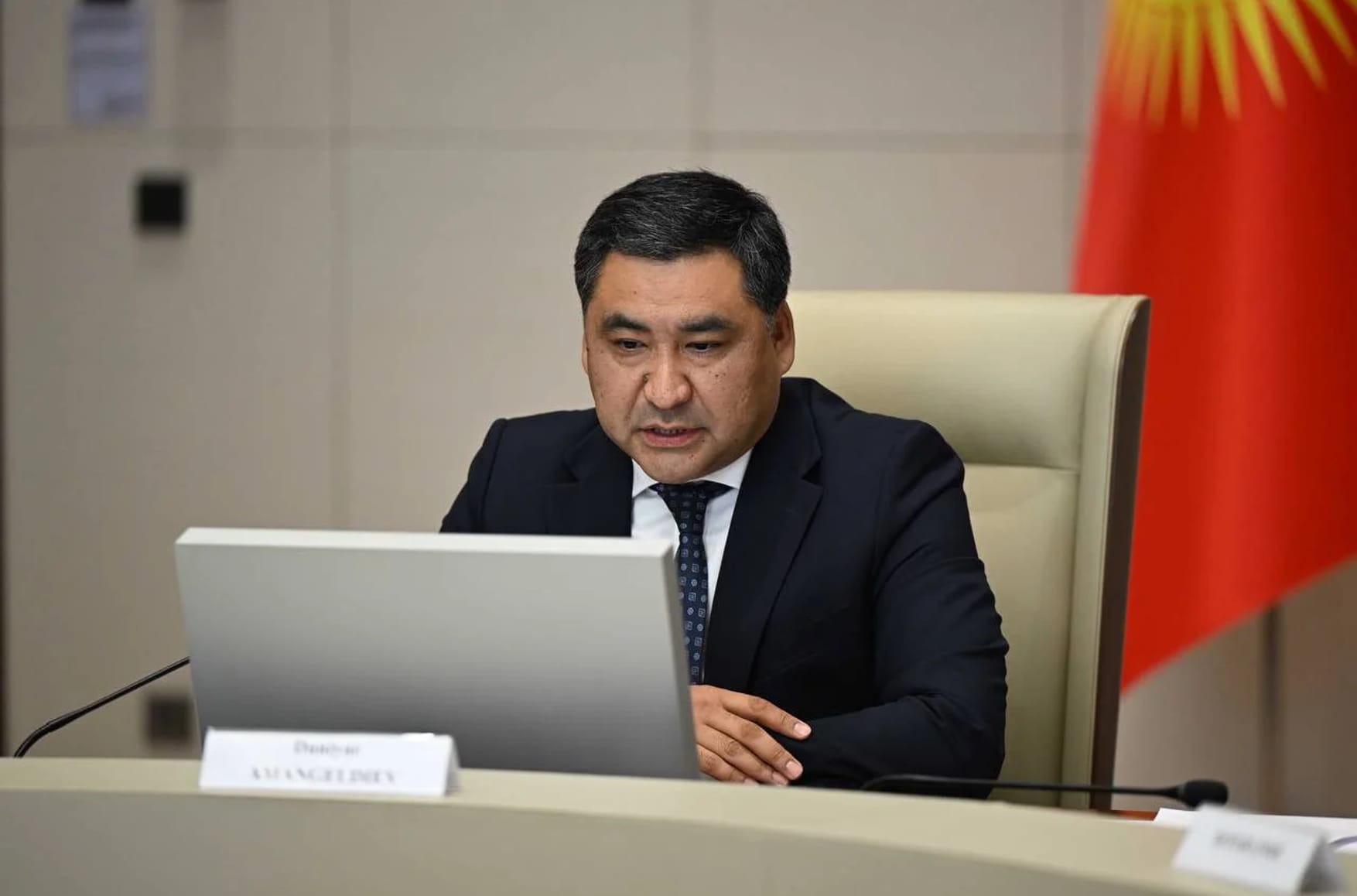
The Financial Times reported on March 2, citing the First Deputy Chairman of Kyrgyzstan's Cabinet of Ministers, that the country planned to sue the EU if it imposed sanctions on Bishkek over the re-export of dual-use goods to Russia. In comments to The Insider, however, Amangeldiev denied that Kyrgyzstan was ready to sue the EU, saying there had been a misunderstanding and that Kyrgyz authorities were instead prepared to take measures against companies supplying Moscow with sanctioned goods.
The new sanctions also targeted a Kyrgyz organization that operates a crypto exchange handling large volumes of A7A5, a ruble-pegged stablecoin backed by deposits at Russia’s Promsvyazbank, which is under EU, U.S., and British sanctions.
The EU’s 19th sanctions package, adopted in October 2025, had already imposed restrictions on A7A5, its Kyrgyz issuer, and the operator of the platform where it is traded.
The token was created by A7, a cross-border payments company linked to exiled Moldovan oligarch Ilan Shor. The Insider previously reported that A7 and related entities help Russian businesses make international payments despite the complications introduced by sanctions.