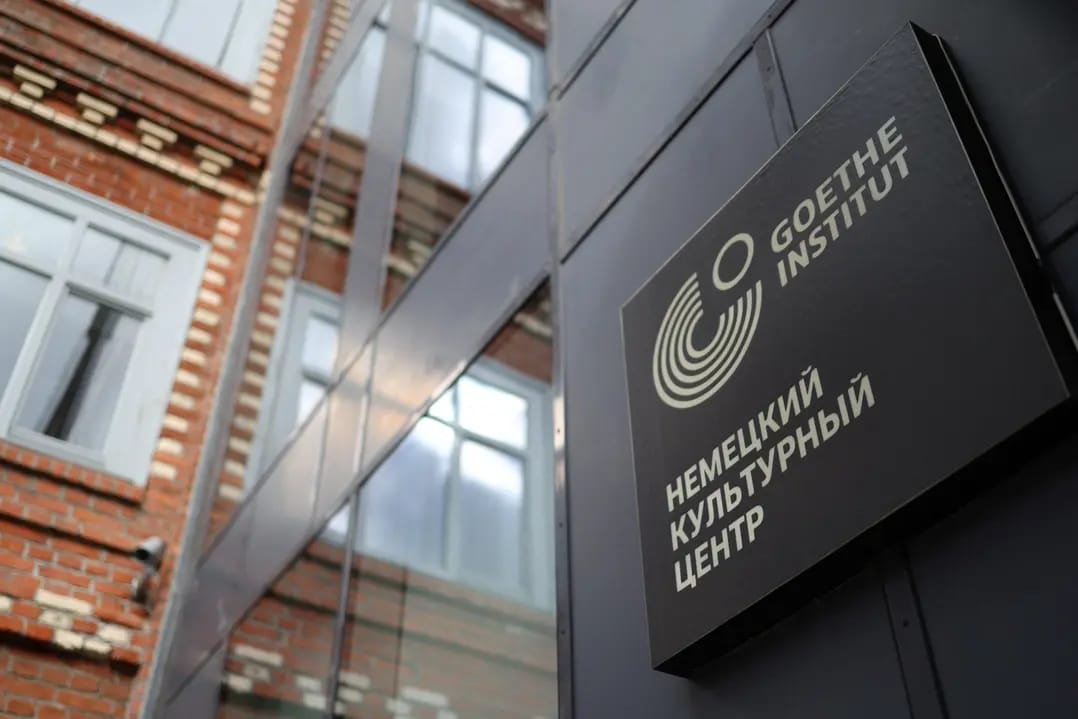
The Goethe-Institut plans to keep the Russian-language version of its website online despite the closure of the German cultural organization’s offices in Russia, the institute told The Insider. It also said it would preserve access to its online library and Russian-language materials for learning German.
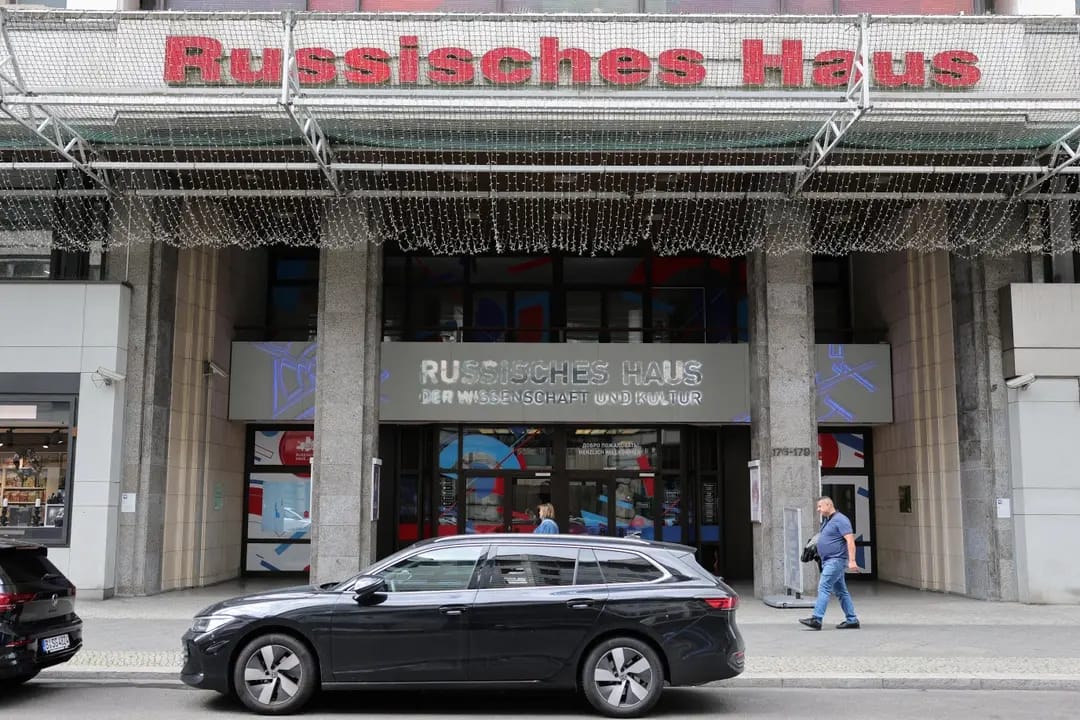
On Sept. 3, Russian authorities announced that they would close Goethe-Institut’s centers in Moscow, St. Petersburg, and Novosibirsk in response to Germany’s decision to shut the Russian House in Berlin. The Goethe-Institut said its centers in Russia would stop operating Monday, Sept. 14.
Russia has ordered Goethe-Institut employees posted to the country to leave no later than Sept. 13. Gitte Zschoch, the organization’s secretary-general, said that “the doors of the Goethe-Institut centers [in Russia] will therefore close as early as next Monday [Sept. 14].”
She said the move would restrict access for people living in Russia to the German language, German culture, and reliable information about Germany, adding that the institute was working with Germany’s Foreign Office on ways to preserve opportunities for exchange and cooperation, including through online services. The organization could not say what would happen to courses and exam slots in Moscow, St. Petersburg, and Novosibirsk that customers had already paid for.
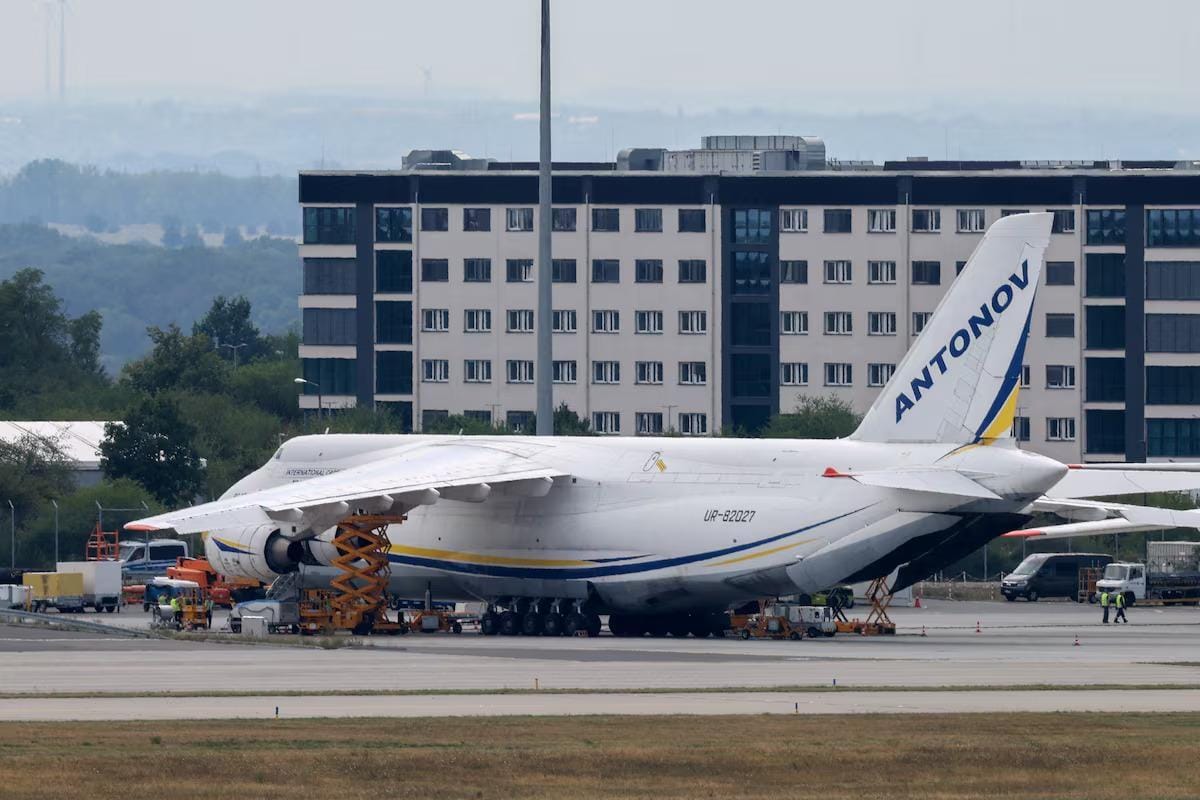
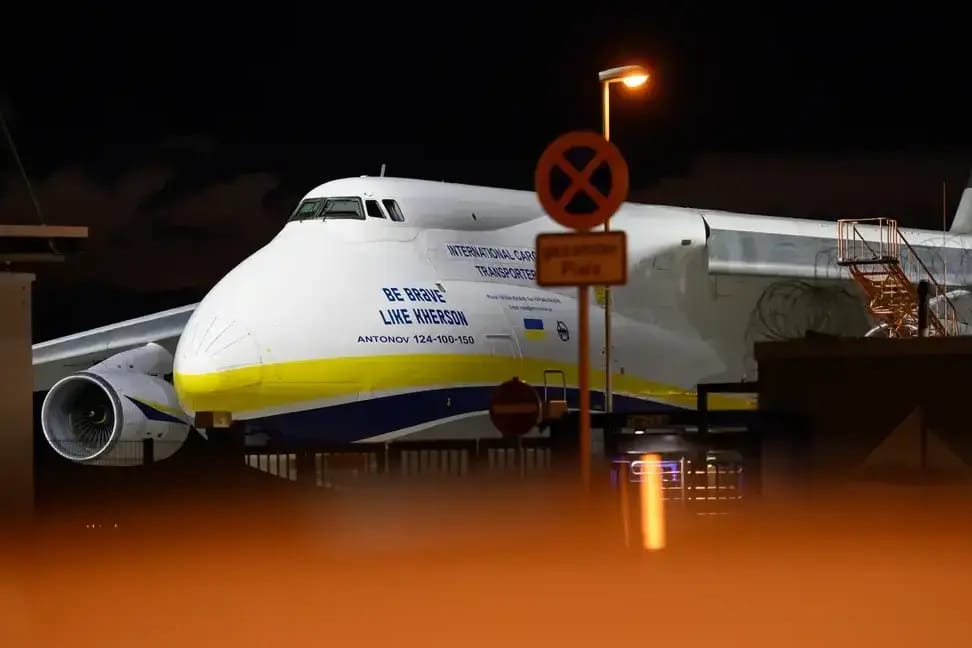
Following Berlin’s decision to close Russia’s consulate general in Bonn as of Sept. 18, Moscow also said Germany’s consulate general in St. Petersburg would have to close by the same date. In addition, Germany is exploring measures to tighten entry controls for Russian citizens and to push for new European Union sanctions against Russia. The moves follow Germany’s decision to hold Moscow responsible for an attempted attack at Leipzig/Halle Airport, where a drone equipped with a detonator was found near a Ukrainian transport plane in early August.
German investigators later identified two individuals that it suspects participated in preparations for the attack: a Russian-born man carrying a Latvian passport and a Belarus-born man who holds a Russian passport. The investigators believe the first man organized logistics and acted as an instructor, while the second was identified through traces of DNA found both on the drone and on an antenna near the airport. Three drones, either intact or in pieces, were eventually discovered at the scene.