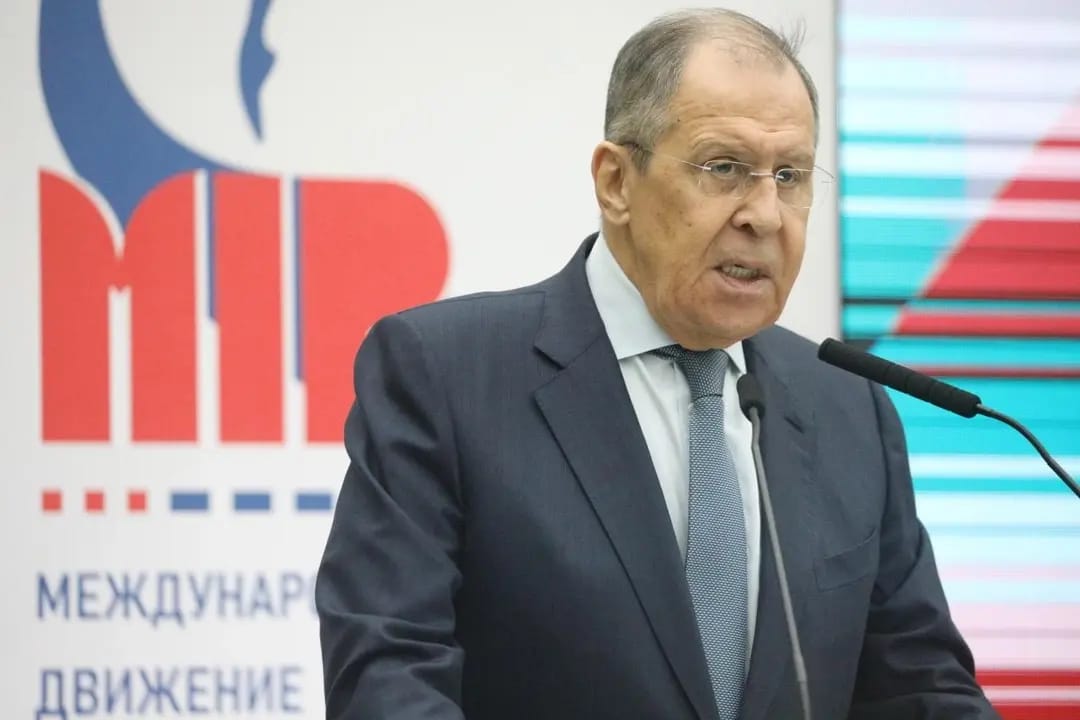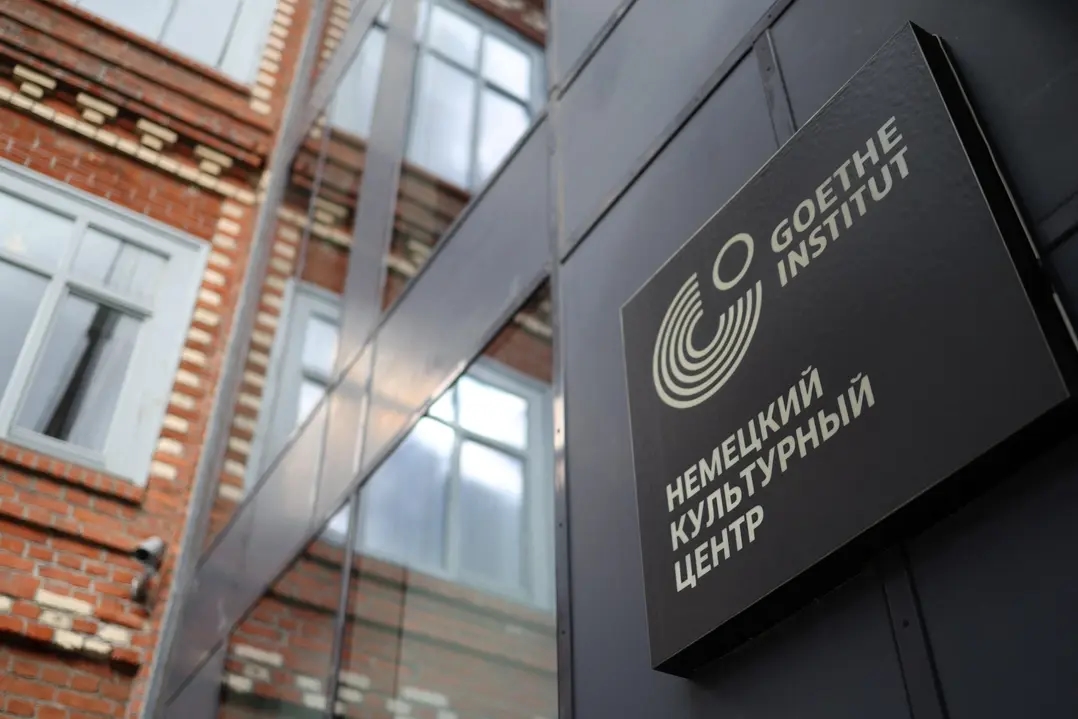
Goethe-Institut President Gesche Joost said that Russia and Germany had reached “the end of an era” in cultural ties after Russian Foreign Minister Sergey Lavrov announced that branches of the German cultural center in Russia would soon be closed, according to a statement released by Goethe-Institut on Sept. 3.
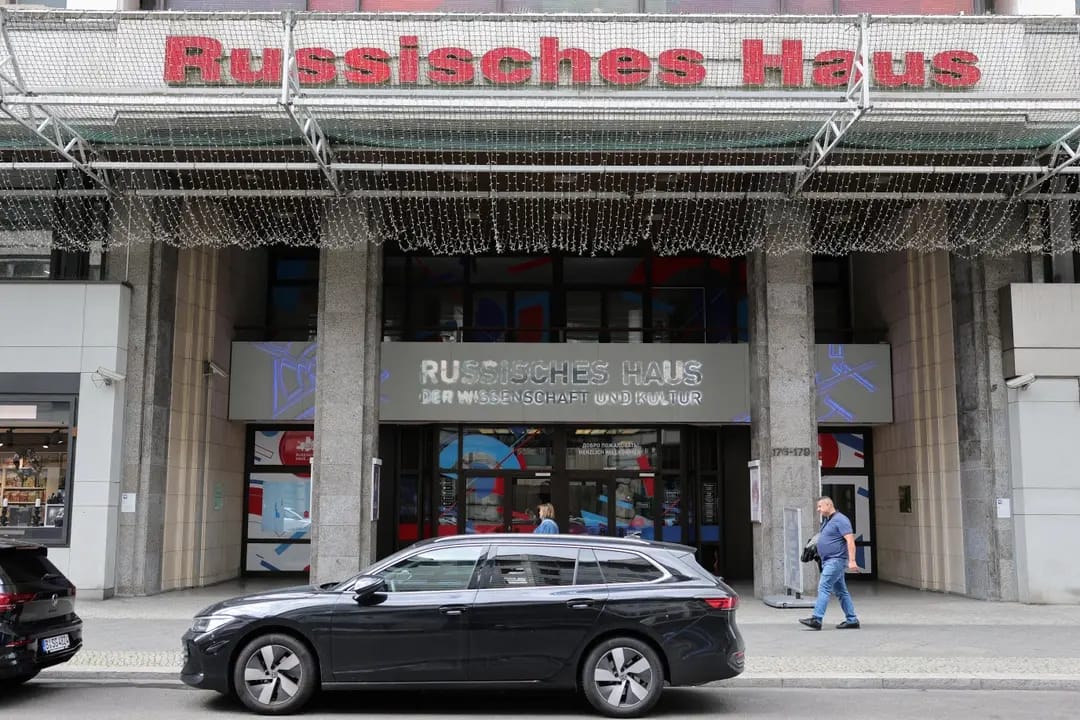
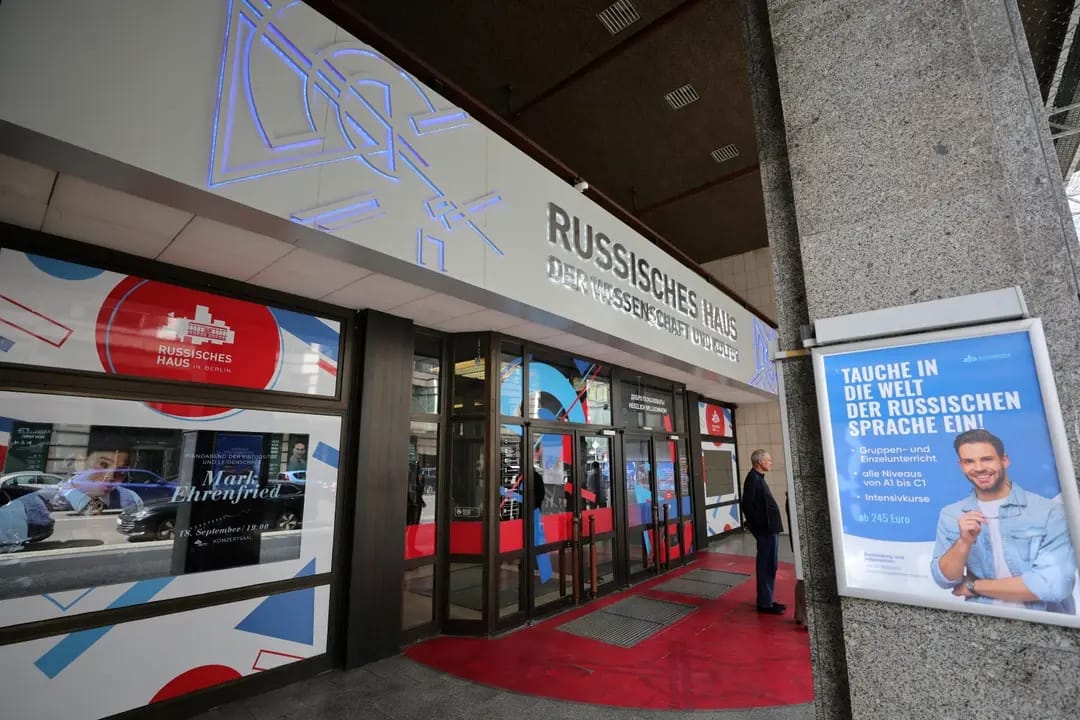
On Sept. 1, Germany formally accused Moscow of organizing a failed attack on Leipzig/Halle airport, where a drone with a detonator was found near a Ukrainian transport plane in early August. As part of its response, German officials said they had decided to close the Russian House in Berlin, along with Moscow’s consulate in the western German city of Bonn.
The Goethe-Institut is a Germany state-backed cultural organization tasked with promoting German culture abroad through language courses, libraries, events, and exchanges. The Russian House is the informal name for Russia’s state cultural center abroad, run by the cultural outreach organization Rossotrudnichestvo.
Officially, the Goethe-Institut is still operating in Russia. Lavrov, however, has already said its branches “will, of course, be closed.” Joost said Moscow’s decision would mean the “end of an era” in Russian-German cultural relations:
“The announcement by the Russian Foreign Minister marks the end of an era in German-Russian cultural relations. Following the fall of the Berlin Wall, the institutes in Moscow and Saint Petersburg were opened.
It was the beginning of a new chapter, which enabled us to bring the societies of both countries closer together through the work of the Goethe-Institut and, consequently, through culture and language. In 2019, another institute in Novosibirsk opened its doors.
For people in Russia who are learning our language and visiting our libraries, today’s announcement is unfortunate news.
In recent years, our work has been increasingly restricted – in 2023, we were forced to reduce our staff numbers. Our work in Russia was and remains important: promoting German language learning and fostering a mutual understanding between people. Our staff have carried out important work under the most difficult conditions. We are in close contact with all of them regarding how things will proceed in the coming hours.
We are also working together with the Federal Foreign Office to continuously monitor the situation and determine the next steps together.”
German Foreign Minister Johann Wadephul expressed regret that “Russia has taken such a step,” saying the Goethe-Institut had served as an important cultural bridge. German authorities, he said, “were prepared to continue this work.” Lavrov earlier said Berlin had “deliberately” moved to close the Russian House — a step that, he said, “they could not fail to understand clearly means the end of their cultural presence” in Russia.
Despite the statements from Russian and German officials, as of the evening of Sept. 3 in Moscow, it was still possible to register for a Goethe-Institut German-language exam. The schedule for those tests, which certify levels of language proficiency, runs through the end of November 2026. In St. Petersburg, the exam schedule also runs through the end of November. Places for the A1, A2, and B1 exams — beginner to intermediate levels under the Common European Framework of Reference for Languages — were fully booked through the end of September.