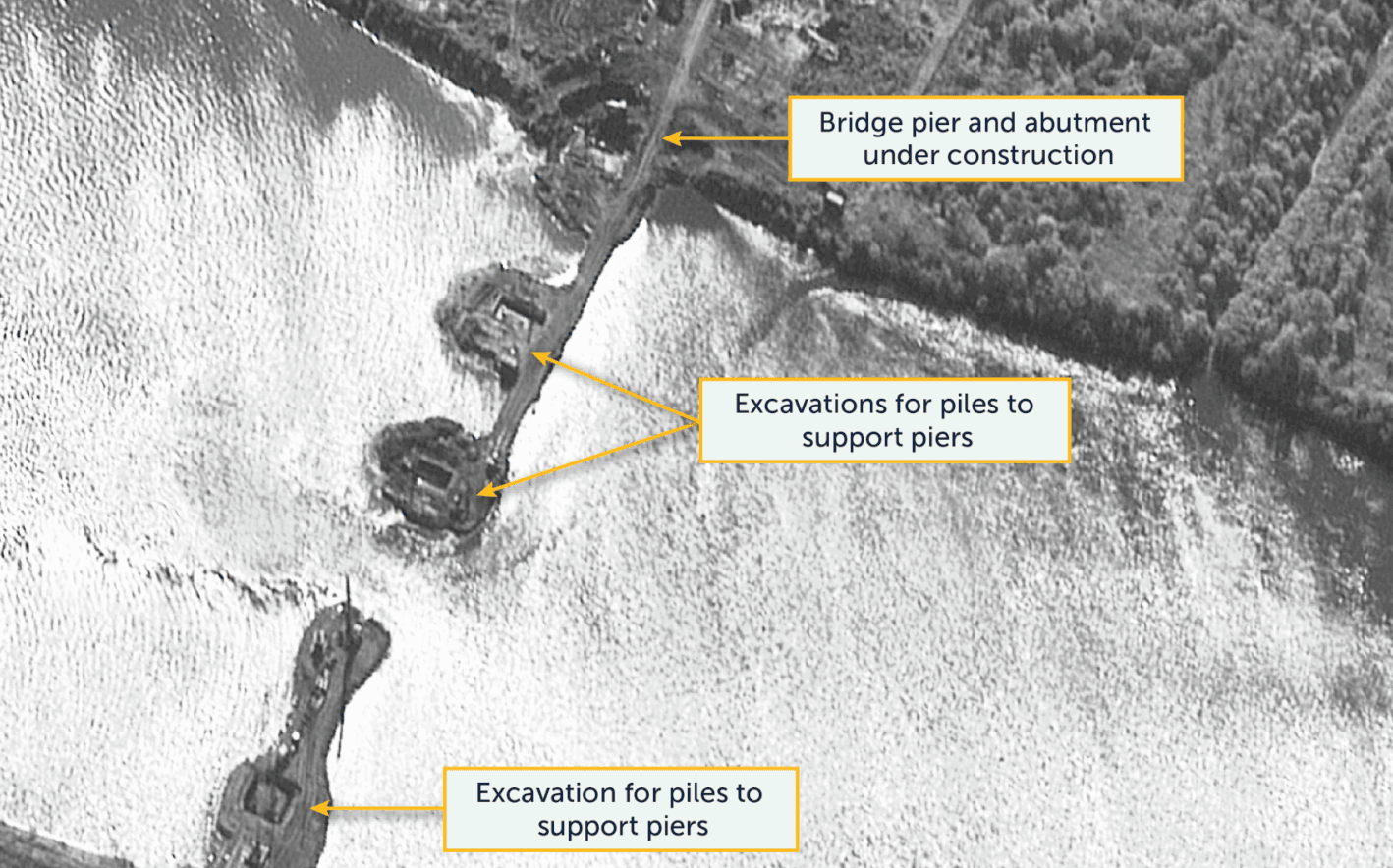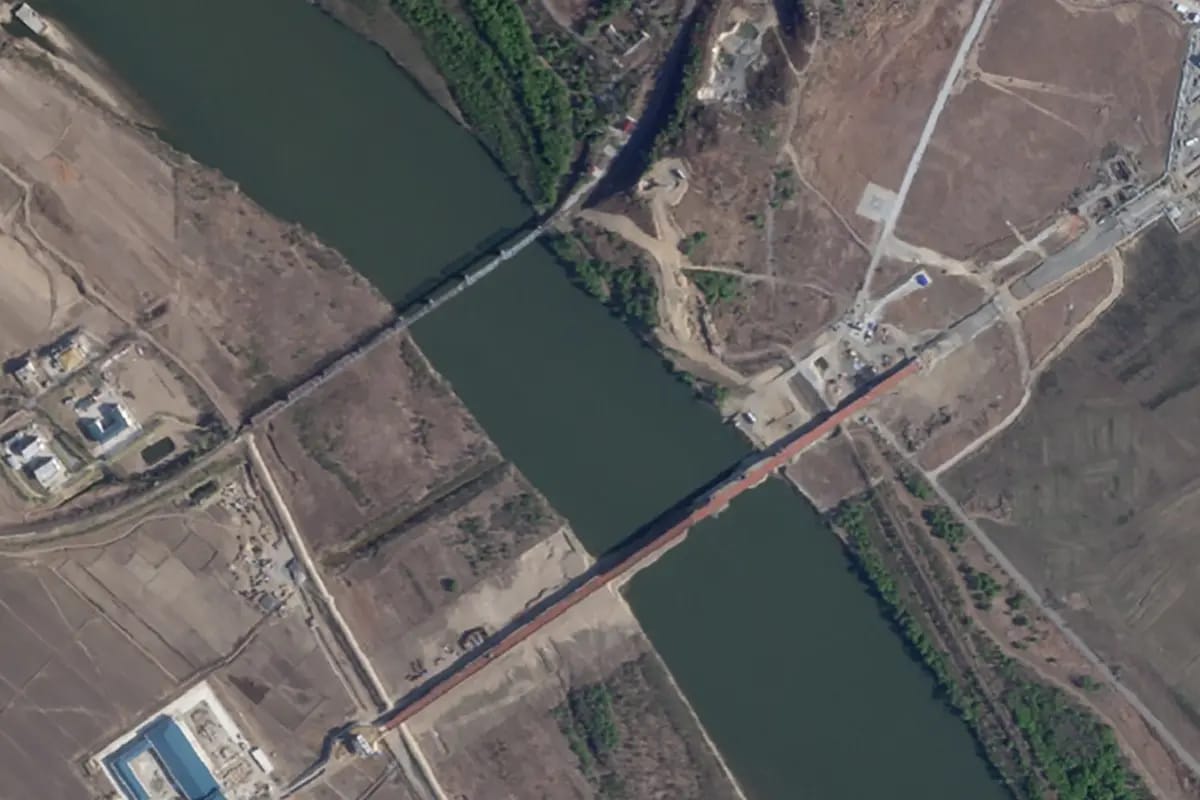
Russia and North Korea have opened the first road bridge connecting the two countries across the Tumen River, according to a report by the Russian state-controlled news agency TASS. Russian Prime Minister Mikhail Mishustin said the link would enhance cooperation in various fields. Analysts have previously noted, however, that the main purpose of the bridge likely involves the expansion of military cooperation between Moscow and Pyongyang.
Mishustin and North Korean PM Pak Thae Song took part in the opening ceremony by video link. During the festivities, Mishustin said:
“I am convinced that expanding cross-border transport infrastructure will give a powerful boost to the further development of trade, economic, scientific, technological and cultural cooperation between the Russian Federation and the Democratic People’s Republic of Korea. The tourism industry will also gain good prospects.”
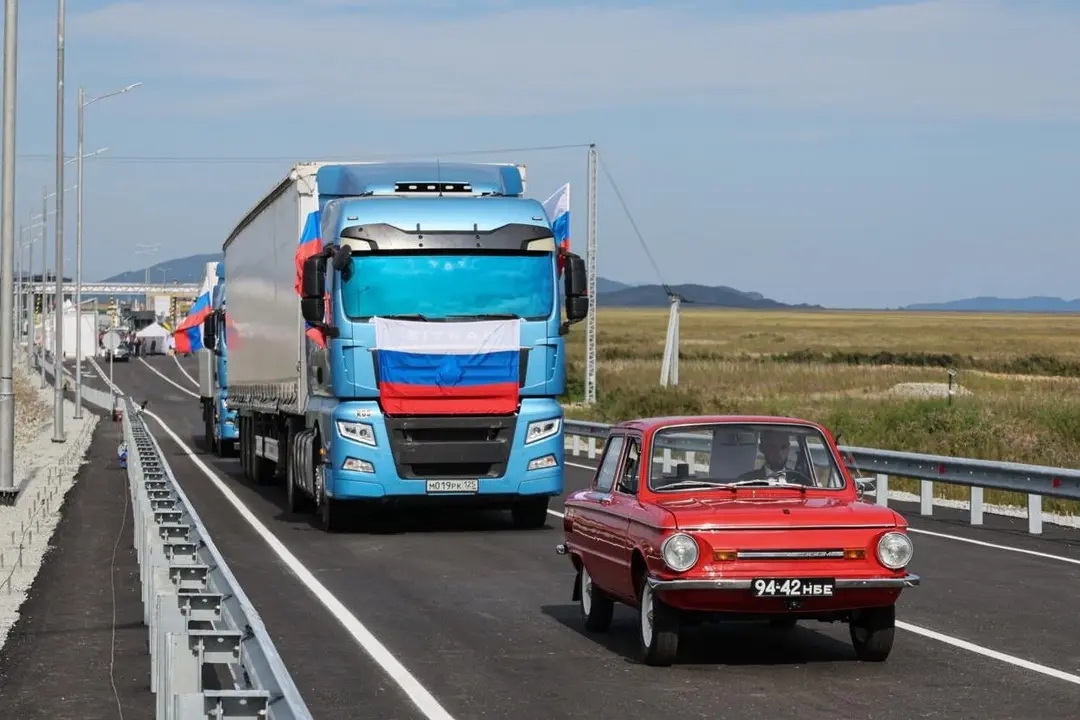
Primorsky Krai governor Oleg Kozhemyako, whose Far Eastern region borders North Korea, said the bridge “symbolizes the desire to strengthen friendly, good-neighborly relations and expand interregional cooperation,” adding that the bridge had been named after Soviet army officer Yakov Novichenko, who, according to the official Russian account, “saved the lives of participants of a peaceful demonstration in Pyongyang” on March 1, 1946.
As Kozhemyako also noted: “Today, the convoy of vehicles that crossed the bridge from the Russian side was led by a ZAZ-968M made in 1980. It belonged to Yakov Novichenko. At the wheel of the restored car was the grandson of the internationalist hero, Nikolai Shcherbitsky.”
TASS said the project was first conceived in 2018; however, the agreement to build the road bridge across the Tumen River was only signed on June 19, 2024 during Vladimir Putin’s state visit to North Korea. The opening of the bridge was been postponed several times —North Korea completed its required infrastructure on schedule, while Russia repeatedly missed construction deadlines.
Investigators with the Ukrainian organization Truth Hounds concluded that the real reason for building a road crossing over the Tumen River is not trade or cultural ties, but military cooperation, saying the bridge could become a key route for moving North Korean soldiers and weapons for use in Russia’s war against Ukraine. In the opposite direction, Russia could use the link to send North Korea various technologies and resources.
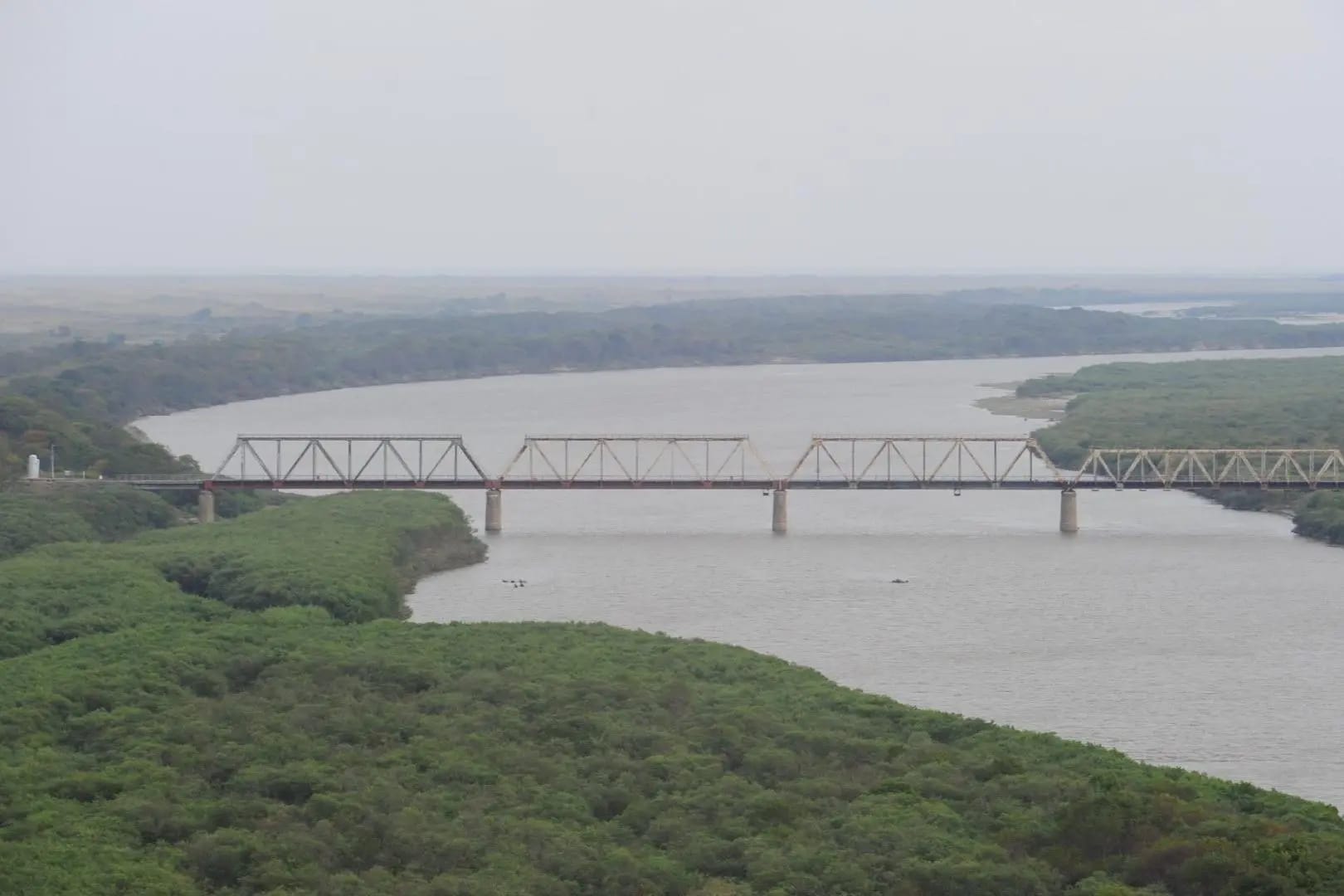
Until now, overland transport between Russia and North Korea had been limited to a single railway crossing, known as the Friendship Bridge. The investigators noted that road traffic is significantly harder to track by satellite than rail shipments because both countries have much more extensive road networks than rail networks. Loading and unloading trucks also takes less time than handling rail cars, reducing the window in which satellite imagery can capture such activity.
They also said analysts can often identify the category of goods being transported by rail based on the type of rail car visible in satellite imagery, while trucks generally look almost identical from space. Trucks can also be unloaded almost anywhere, whereas trains must use specific rail hubs.
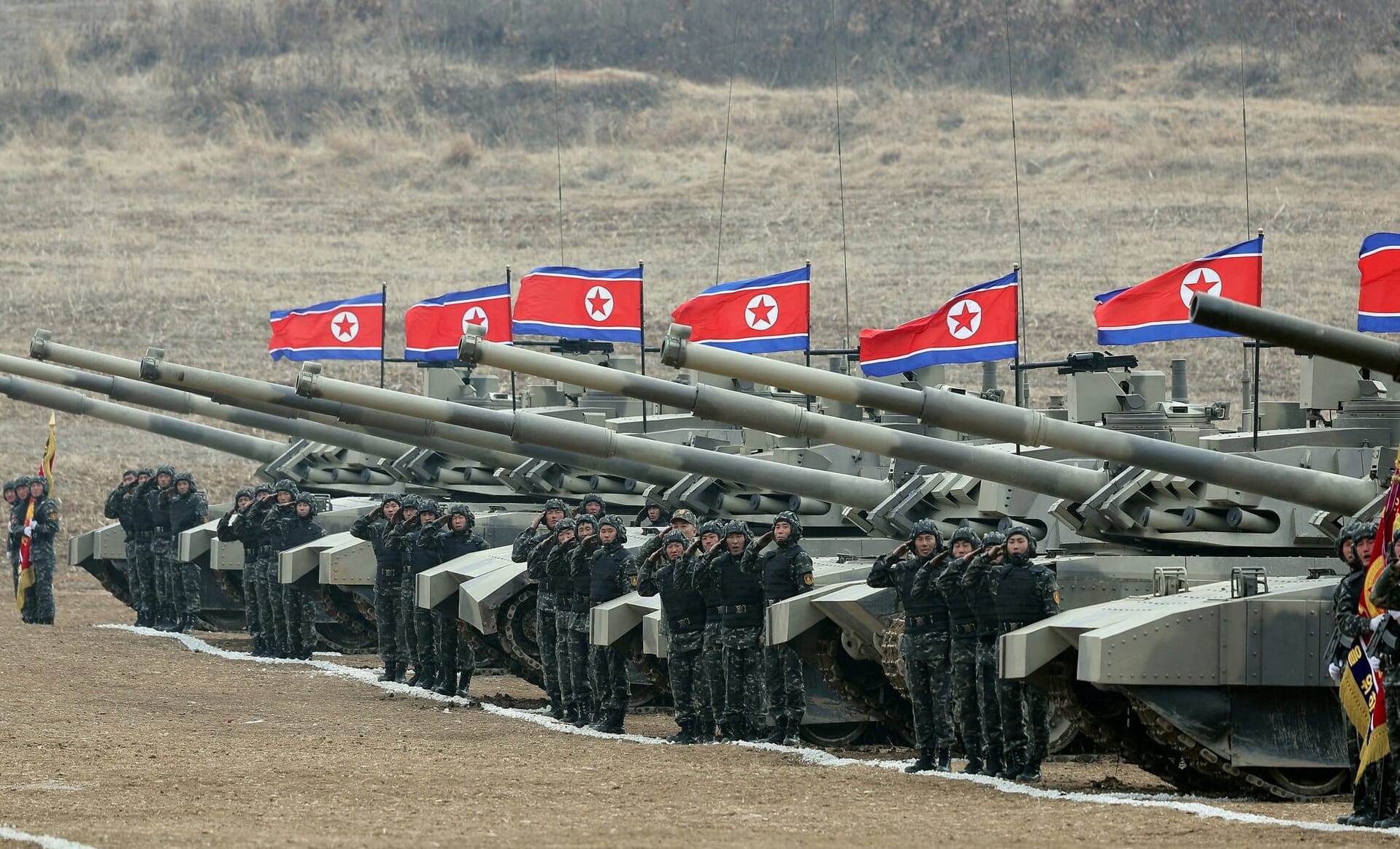
More than 10,000 North Korean troops have taken part in Russia’s war against Ukraine, and at least 2,300 of them have been killed. North Korean authorities have described their troops’ participation in Russia’s full-scale invasion of Ukraine as a “sacred mission.”
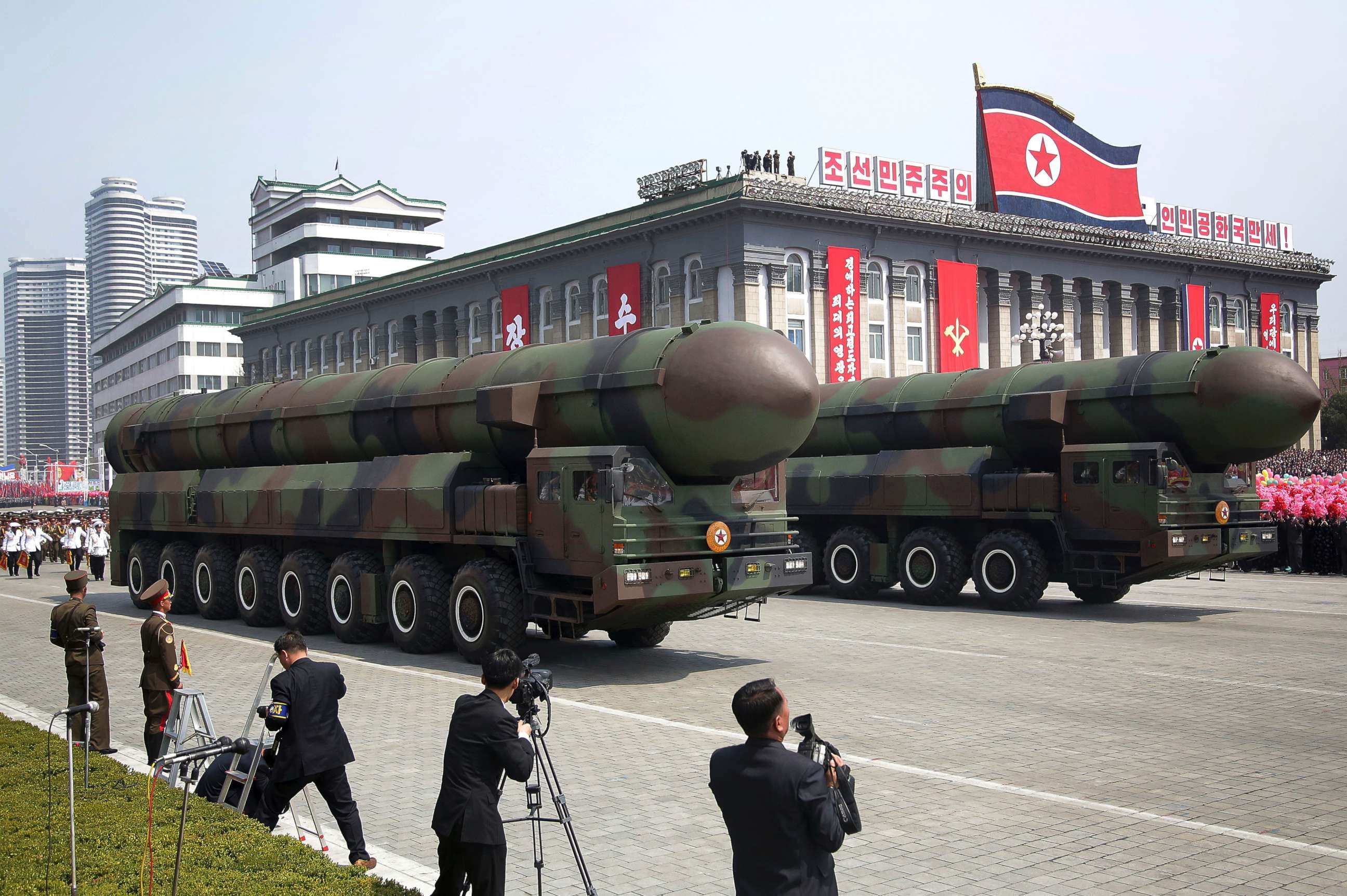
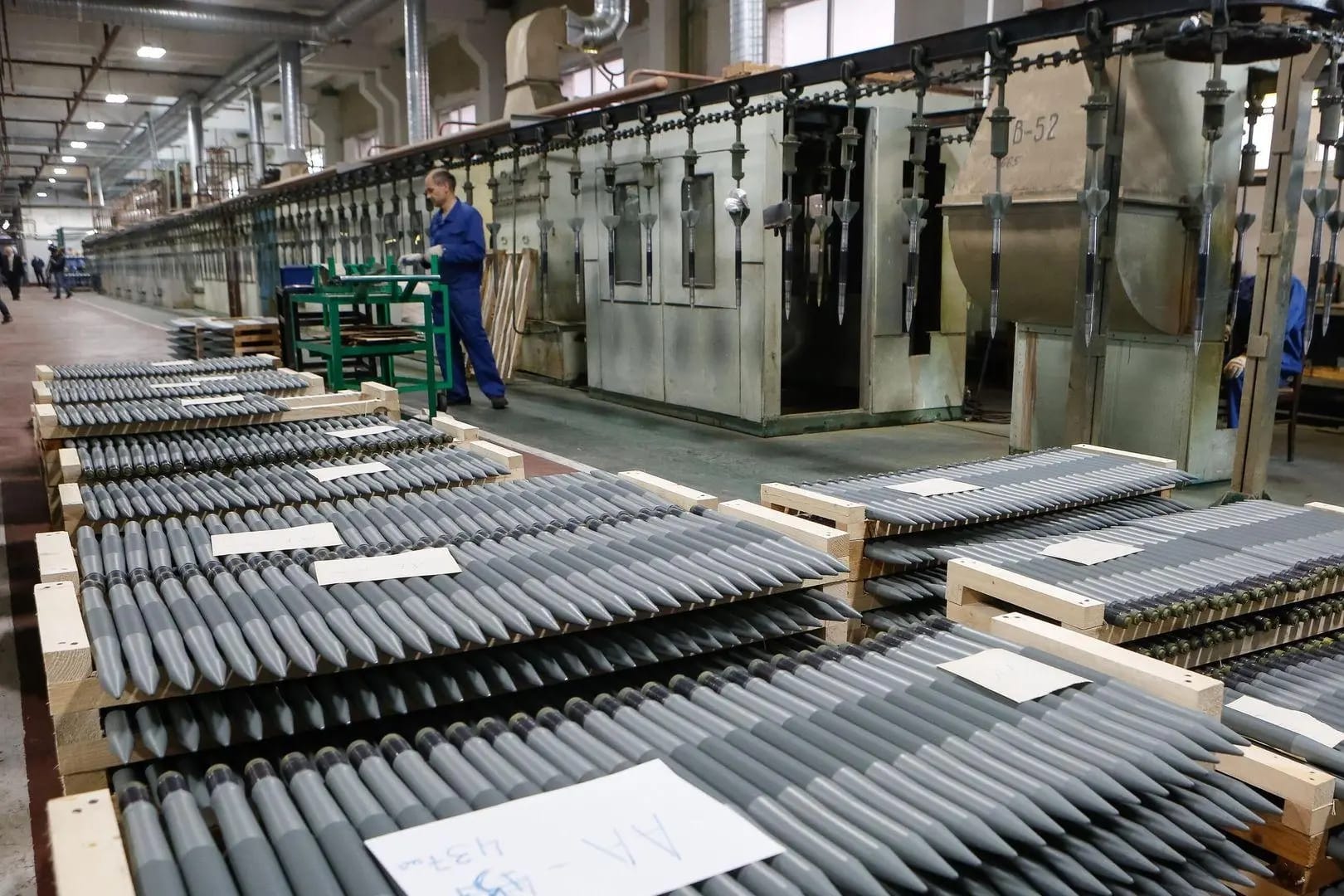
Pyongyang has also supported Moscow with weapons shipments, with North Korea’s military assistance to Russia estimated to be worth between $7.67 billion and $14.4 billion, according to South Korea’s state-funded Institute for National Security Strategy.
The independent Russian investigative outlet Important Stories and the UK-based non-profit Open Source Center also reported that during the war North Korea has supplied Russia with as many as 11 million artillery shells and rockets, accounting “for 75% to 100% of all daily artillery fire” by Russian forces at the front lines in Ukraine at various points in the fighting.