Russian wheat exports in September could total just 1.8–2.3 million metric tons, less than half of the figure from a year earlier, the Russian analytics firm Sovecon forecasts. If the prediction is accurate, shipments would be the lowest for any September since 2010. Amid export problems, the domestic price of Russian wheat has fallen by more than 40% over the past year. In September 2025, Russia exported 4.8 million metric tons of wheat, while the average for the past five years was 4.9 million metric tons.
The Institute for Agricultural Market Studies (IKAR) also expects a significant drop in shipments in September but has not yet given a specific forecast, the business outlet Kommersant writes. In August, according to Sovecon estimates, Russia exported around 2 million metric tons of wheat — 55.6% less than a year earlier and 60% below the five-year average.
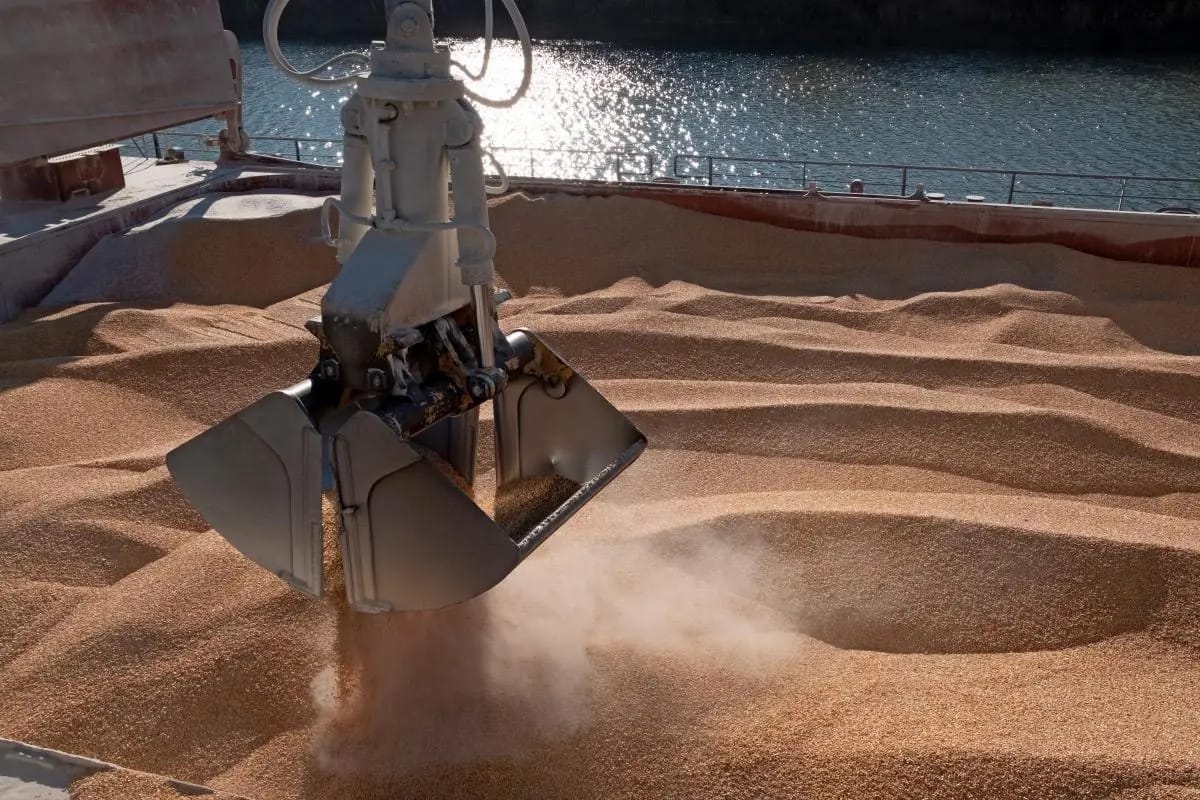
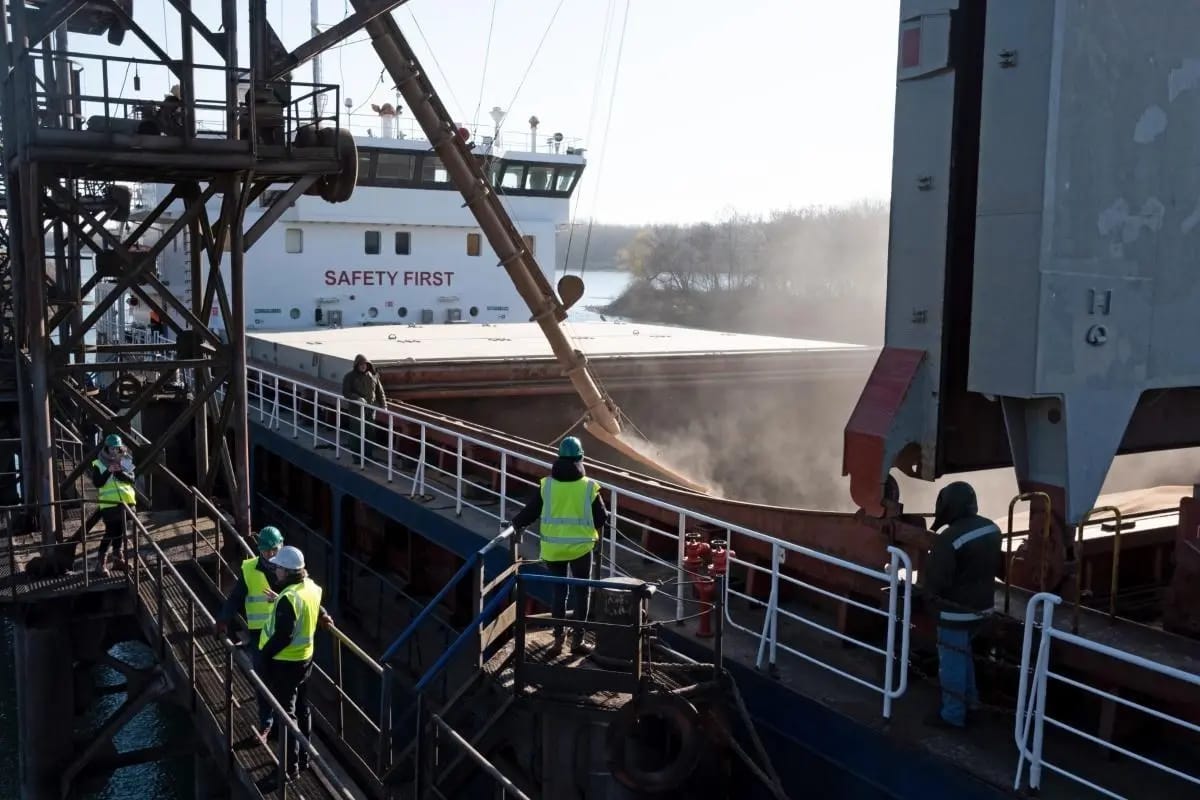
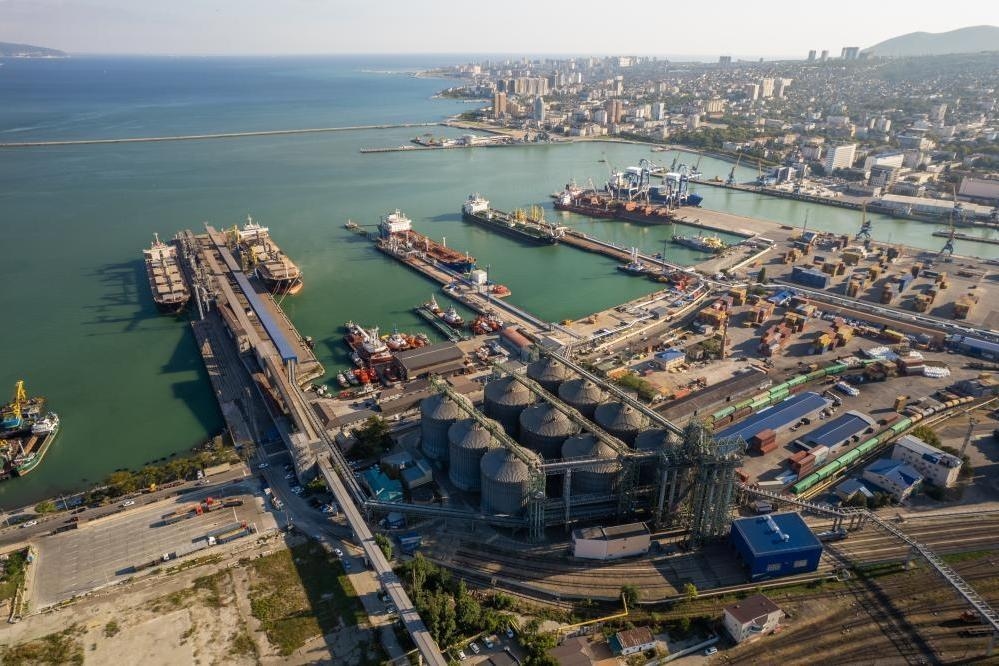
Exports began falling sharply in the second half of July after Ukrainian drones damaged terminals in the Sea of Azov and Black Sea, causing them to shut down. In early August, Russian grain was being shipped from only eight ports, compared with 29 a year earlier. Exporters have increasingly turned to rail routes and ports in the Baltic while also increasing shipments to Kazakhstan, other Central Asian countries, and Azerbaijan.
Still, with a significant share of the harvest stuck inside Russia, domestic grain prices are falling. As of Aug. 30, Class 5 wheat cost an average of 7,400 rubles per ton — down 42% year-on-year. Class 4 wheat fell 41.1% over the same period, to 8,300 rubles per ton. Meanwhile, the cost of growing wheat at one of the farms surveyed by Kommersant is estimated at approximately 12,000 rubles per ton.
On Aug. 28, authorities in the Rostov Region declared a state of emergency due to the shutdown of ports and the buildup of grain among producers. The Azov-Black Sea basin previously handled 80–90% of Russian grain exports, and after shipping was halted on the Azov-Don Sea Canal and the terminals in Novorossiysk and Taman were damaged, it proved impossible to redirect comparable volumes through other Russian ports.
Sovecon director Andrei Sizov believes that, barring new major attacks on port infrastructure, the situation will soon improve. Shipments, he says, could begin to recover as alternative routes develop. If prices remain low, however, agricultural producers warn that planted areas could be reduced next year.