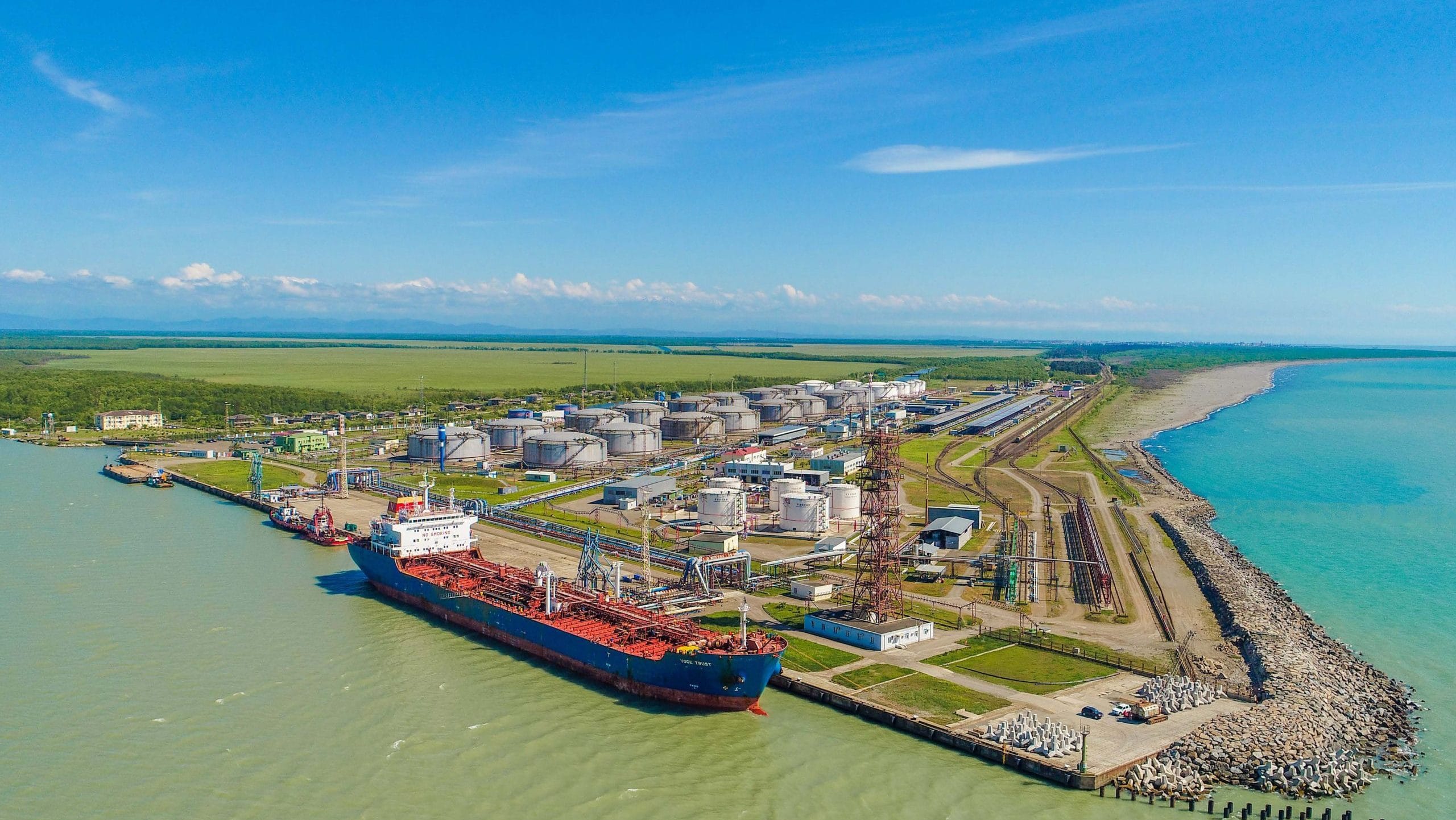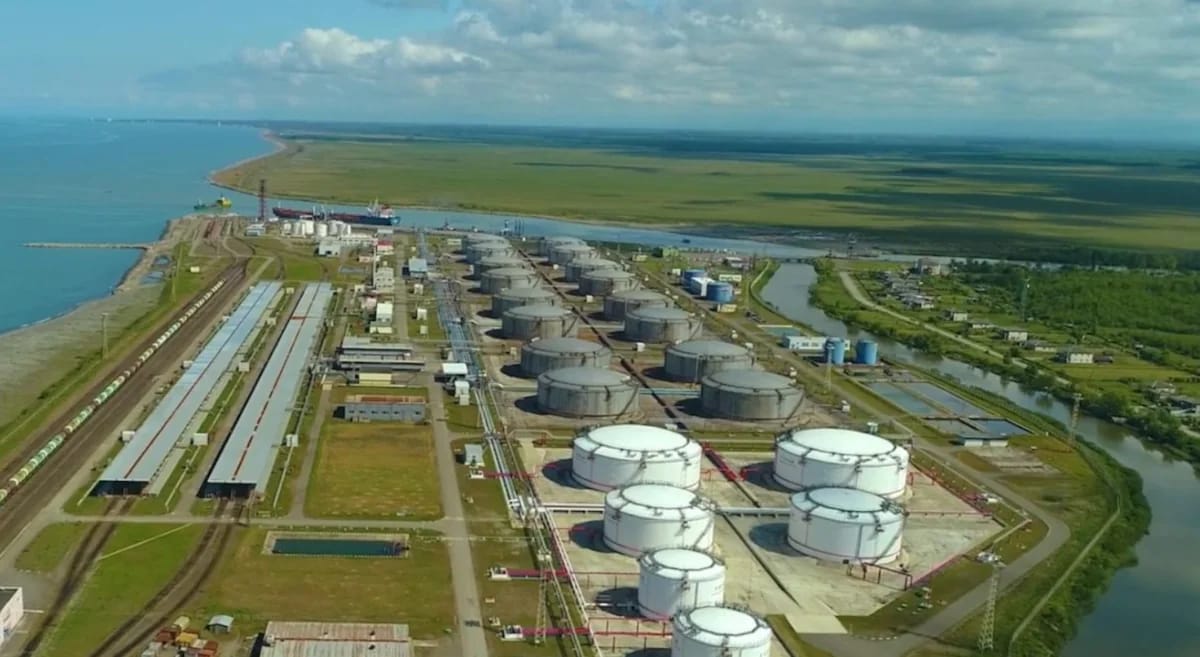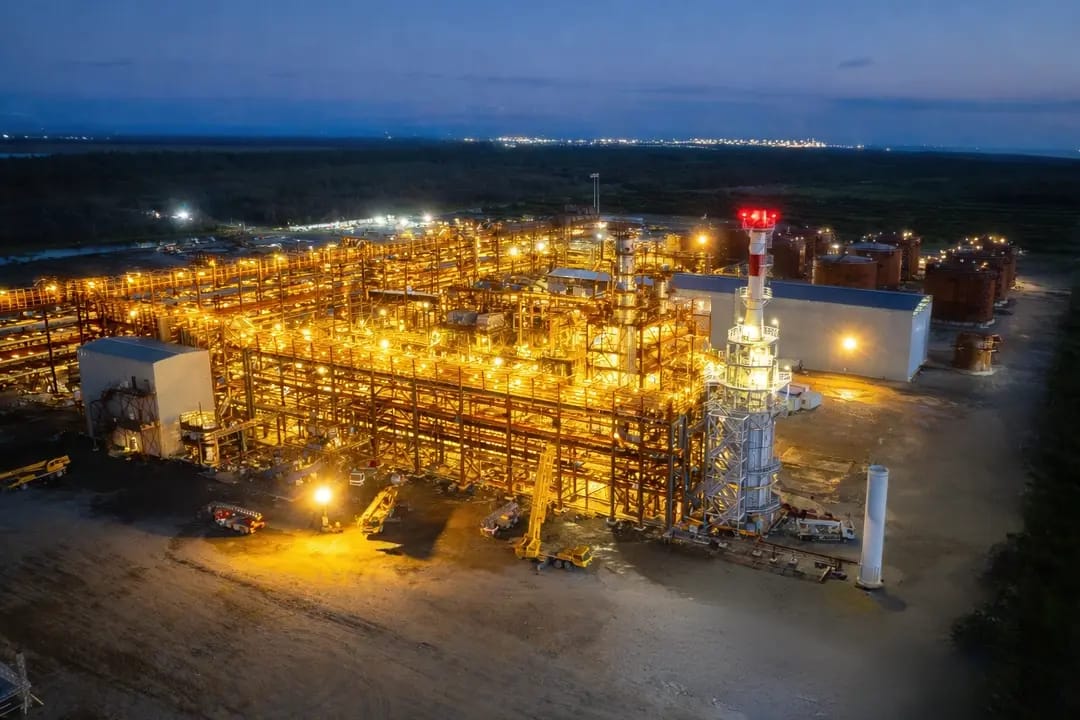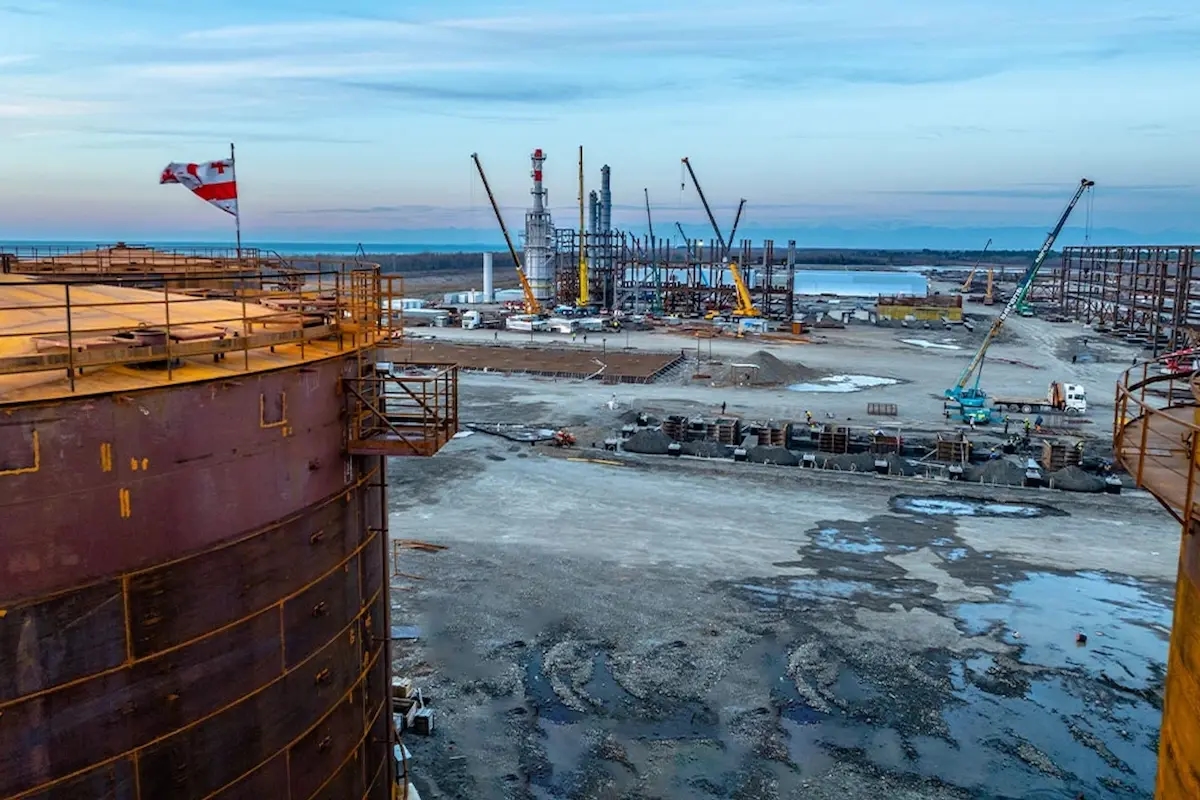
Georgia’s only operating oil refinery, located in Kulevi on the Black Sea coast, has been included in the European Union’s 21st sanctions package. Brussels is demanding that the refinery stop buying Russian energy products — currently, Georgia buys about 99% of its crude oil from Russia, according to data from its state statistics service.
The sanctions against the Kulevi refinery were introduced with a six-month delay. In order to prevent an EU ban on transactions with the refinery from taking effect, the plant must stop working with Russian oil.
Reuters reported in February that the EU planned to add the refinery to its sanctions list due to suspicions that it was reexporting Russian oil, thereby helping Moscow evade international restrictions. The EU soon reconsidered that decision after Georgian authorities and the Kulevi port operator pledged not to service vessels from Russia’s “shadow fleet.”
Georgia’s Foreign Ministry responded to the Kulevi refinery’s inclusion in the EU’s latest sanctions package, saying that it had provided the European Commission with “comprehensive information” showing there were no grounds to list the plant.
“Georgia fully takes into account the sanctions regime imposed by the European Union and takes all necessary measures to ensure that the country’s territory is not used to circumvent sanctions,” the ministry said.
Black Sea Petroleum (BSP), the company that owns the refinery, previously said it would begin processing oil “entirely of non-Russian origin” in August or September of this year. BSP’s report said the refinery processed more than 650,000 metric tons of crude in the first half of 2026. The local outlet Business Media reported, citing Georgia’s National Statistics Office (Geostat) that 99% of the country’s crude oil purchases in 2026 have come from Russia.
A previous investigation by The Insider found that the family that owns the refinery has ties to Russia and that oil was delivered to the plant by “shadow fleet” vessels. The refinery received its first oil tanker in October 2025. By January 2026, Georgia had exported $56 million worth of petroleum products, a year-on-year increase of 3,300%.
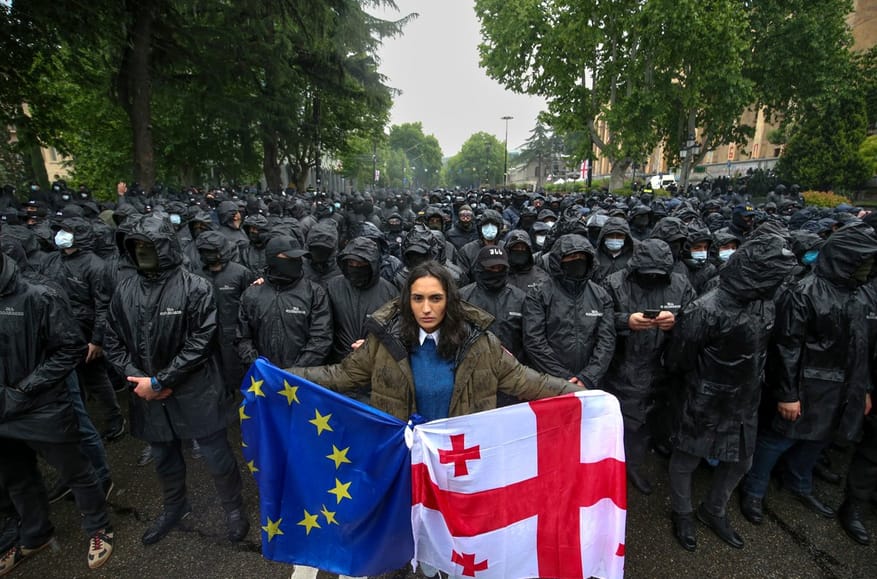
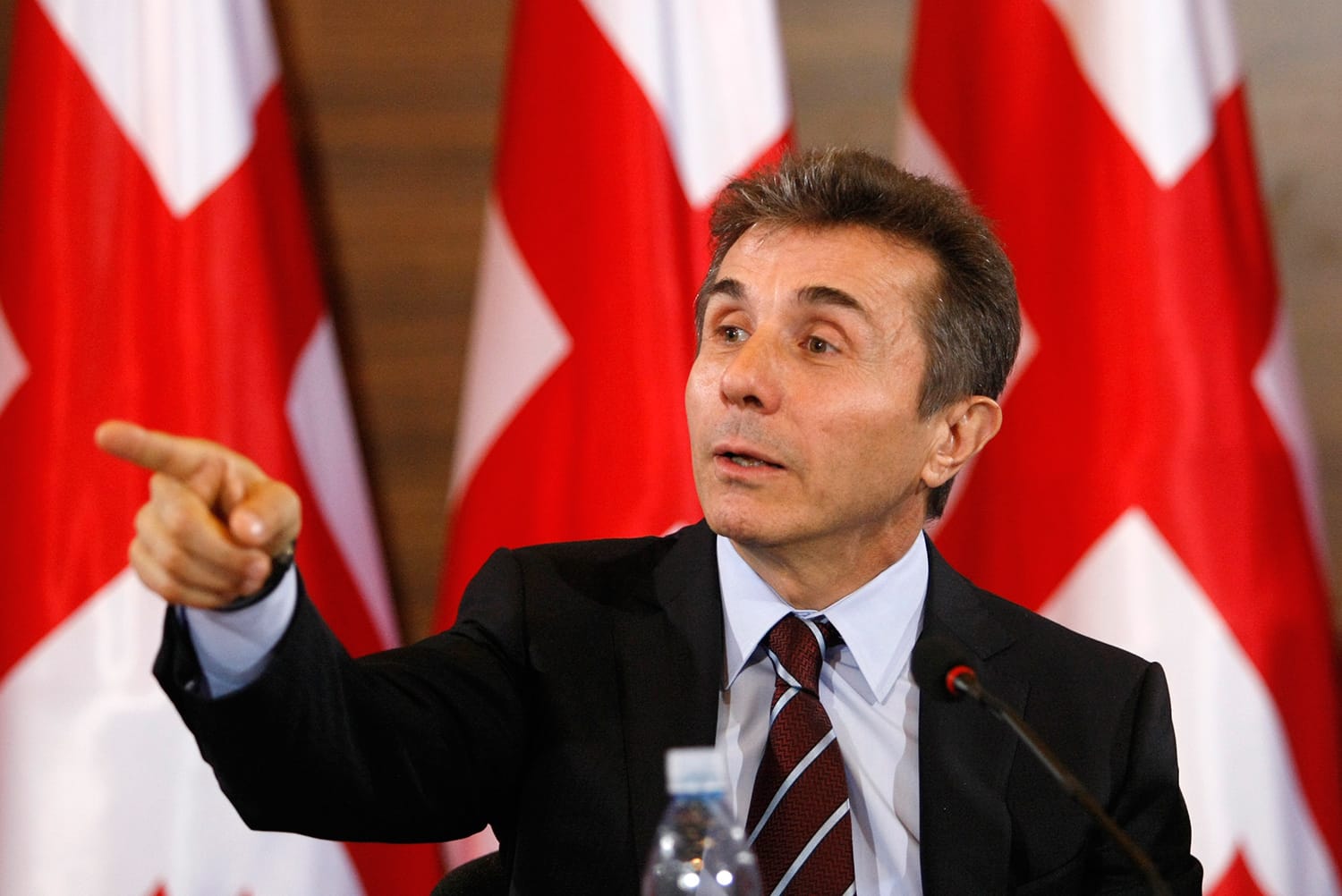
In recent years, Georgia’s foreign policy has shifted from pro-Western to Moscow-friendly. The ruling Georgian Dream party, led by oligarch Bidzina Ivanishvili, initially condemned Russia’s full-scale invasion of Ukraine and assisted Ukrainian refugees. However, by 2024, Ivanishvili was effectively accusing the West of starting the war in Ukraine. As protests in Georgia continued following parliamentary elections that were neither free nor fair, the authorities in Tbilisi began copying Russian-style repressive laws at home, including a ban on “LGBT propaganda” and a law targeting so-called “foreign agents.”