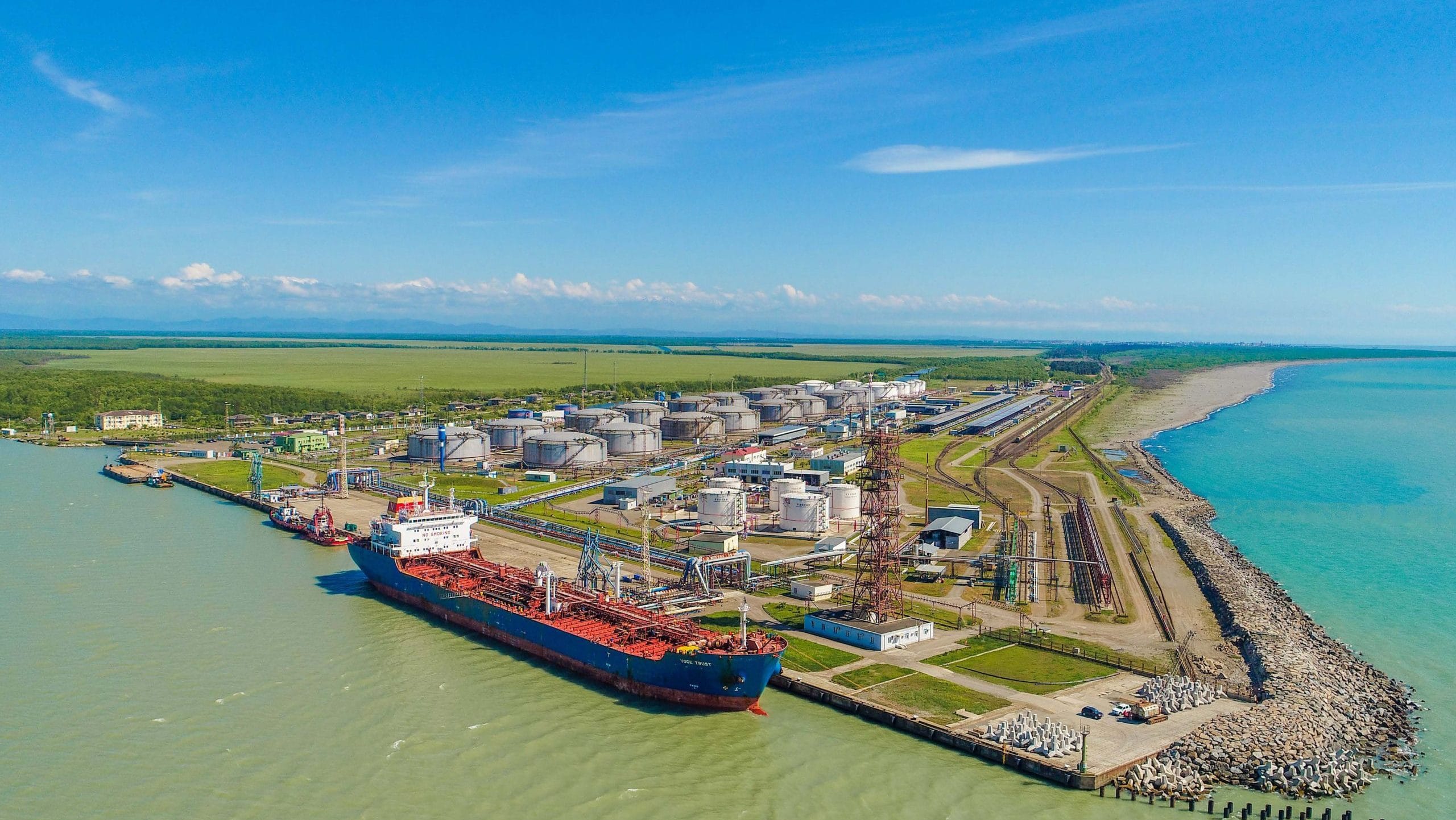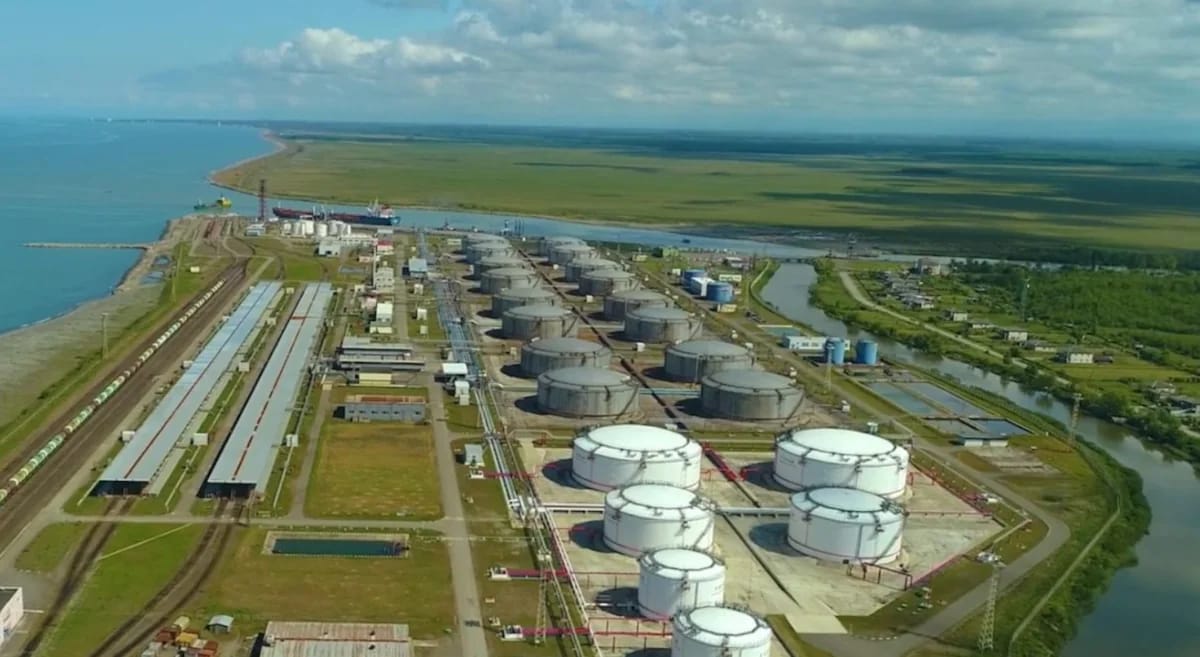
Black Sea Petroleum, or BSP, the company that owns the oil refinery in Georgia’s port of Kulevi, said it will fully stop using Russian oil by September this year, with the company announcing the plan in a statement on its website.
“Starting from August–September of this year, the company will begin refining crude oil of entirely non-Russian origin. This will open doors to high-margin markets for products manufactured by Black Sea Petroleum,” the statement said.
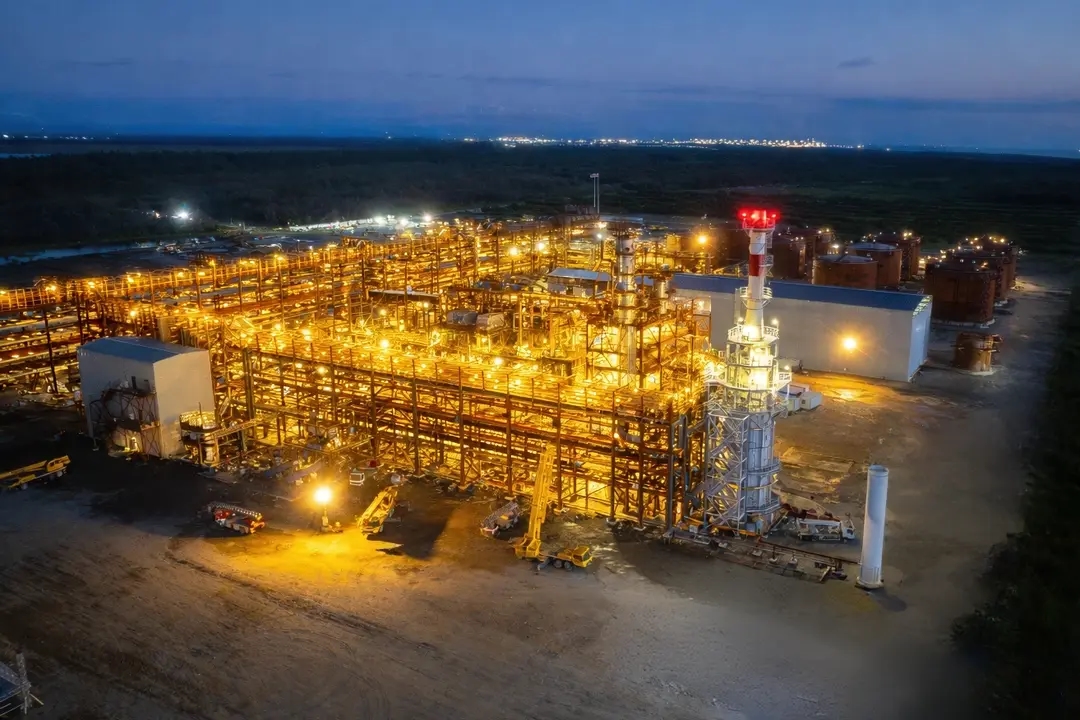
The BSP statement said the company processed more than 650,000 metric tons of crude in the first six months of the year. Under current plans, it will begin producing road bitumen in the first quarter of 2027 for both the domestic market and export. The plant is also expected to add capacity for aviation fuel production.
In March, BSP CEO and co-founder David Potskhveria said the company planned to replace Russian oil with Turkmen crude and later with supplies from Kazakhstan and other countries. He said the shift was necessary in order to enter the European Union market, but that BSP had faced difficulties arranging the transport of oil from Turkmenistan through Azerbaijan.
The Kulevi refinery, which received its first tanker in October 2025, is Georgia’s only full-cycle crude oil processing plant. In January 2026, Georgia exported $56 million worth of petroleum products, a 3,300% increase from the same period a year earlier. The Insider previously reported on links between Russia and the family of the refinery’s owner, along with the fact that oil was delivered to the plant by vessels that make up part of its “shadow fleet” — a collection of ageing, poorly maintained tankers that Moscow uses to skirt price restrictions and international sanctions imposed after the full-scale invasion of Ukraine.
In February, the EU promised to include the port of Kulevi in its next package of sanctions against Russia, but it soon reversed the decision. “This initial position has been reassessed following the positive commitments that [Georgia’s] authorities and the port operator have taken,” EU sanctions envoy David O’Sullivan said in a letter to Georgia’s Foreign Ministry.