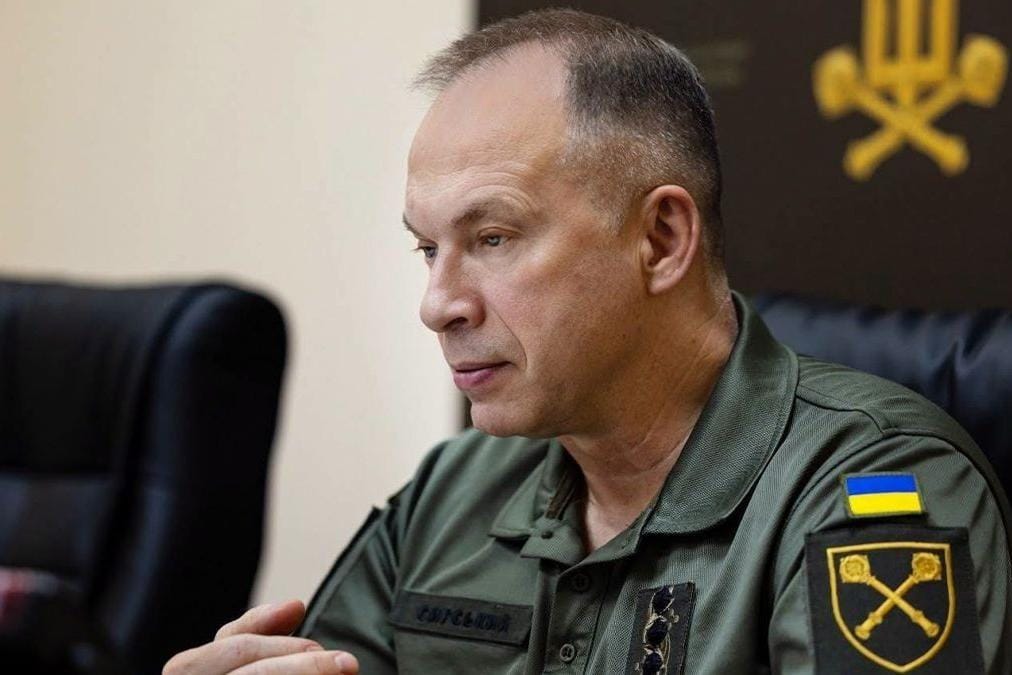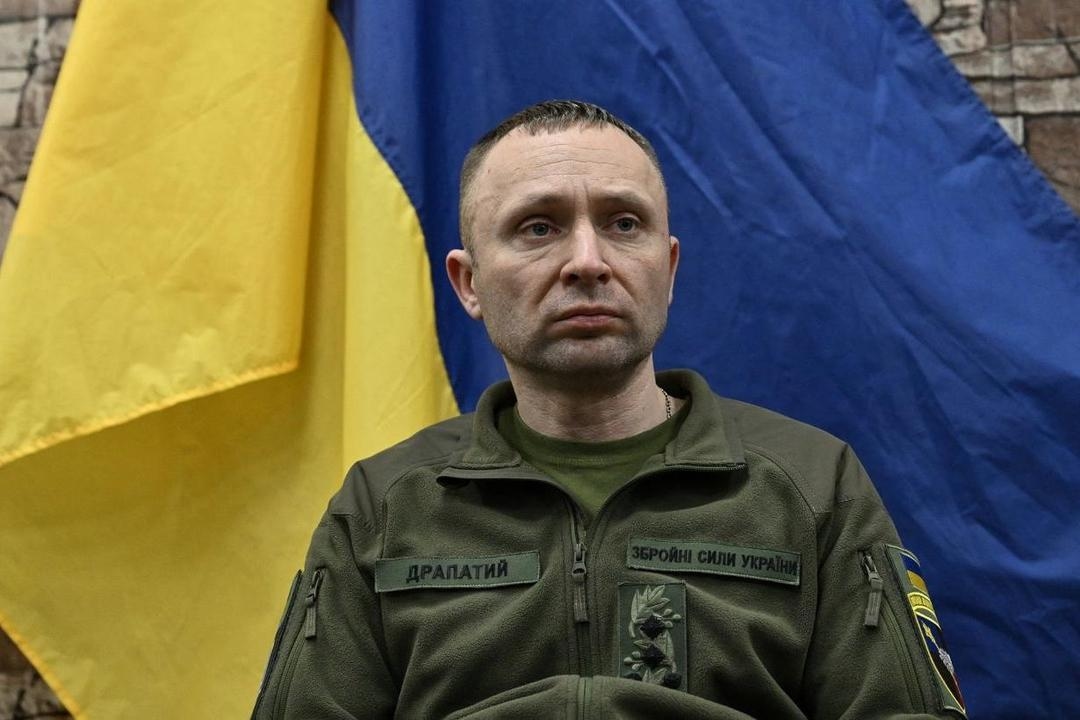
Ukrainian President Volodymyr Zelensky recently made another round of changes to the top command of the country’s armed forces. Major General Ihor Skybiuk was appointed chief of the General Staff, replacing Andriy Hnatov, who had held the post since March of last year. A day earlier, General Oleksandr Syrskyi was dismissed as commander-in-chief of the Armed Forces of Ukraine (AFU) — replaced by General Mykhailo Drapatyi, commander of the AFU’s Joint Forces.
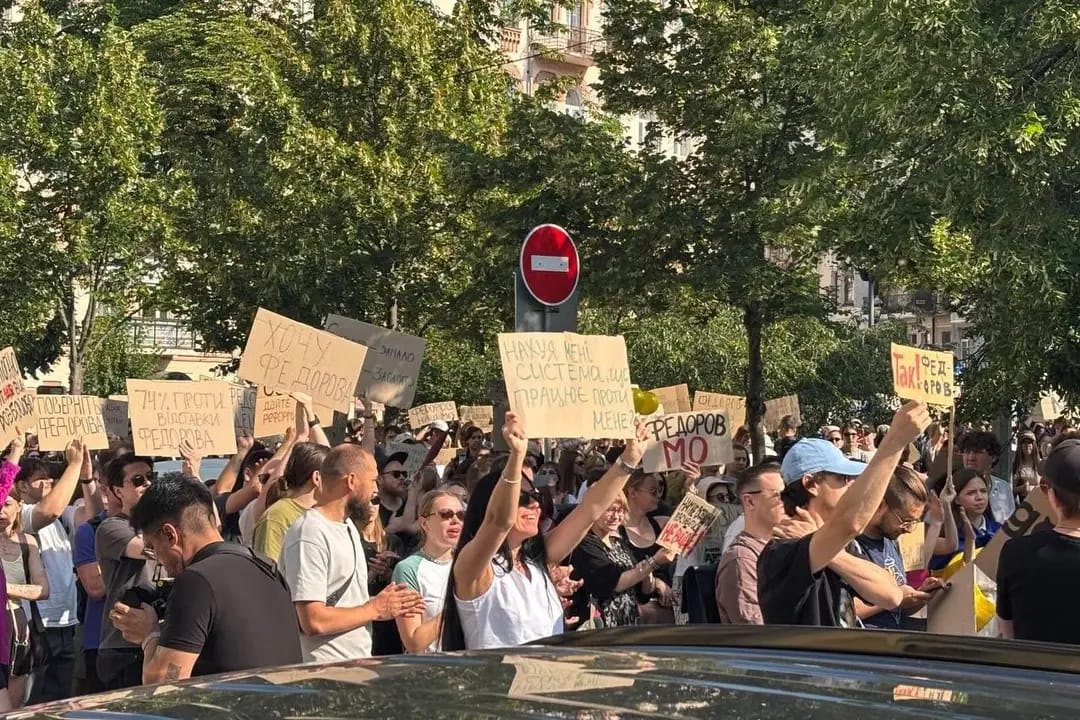
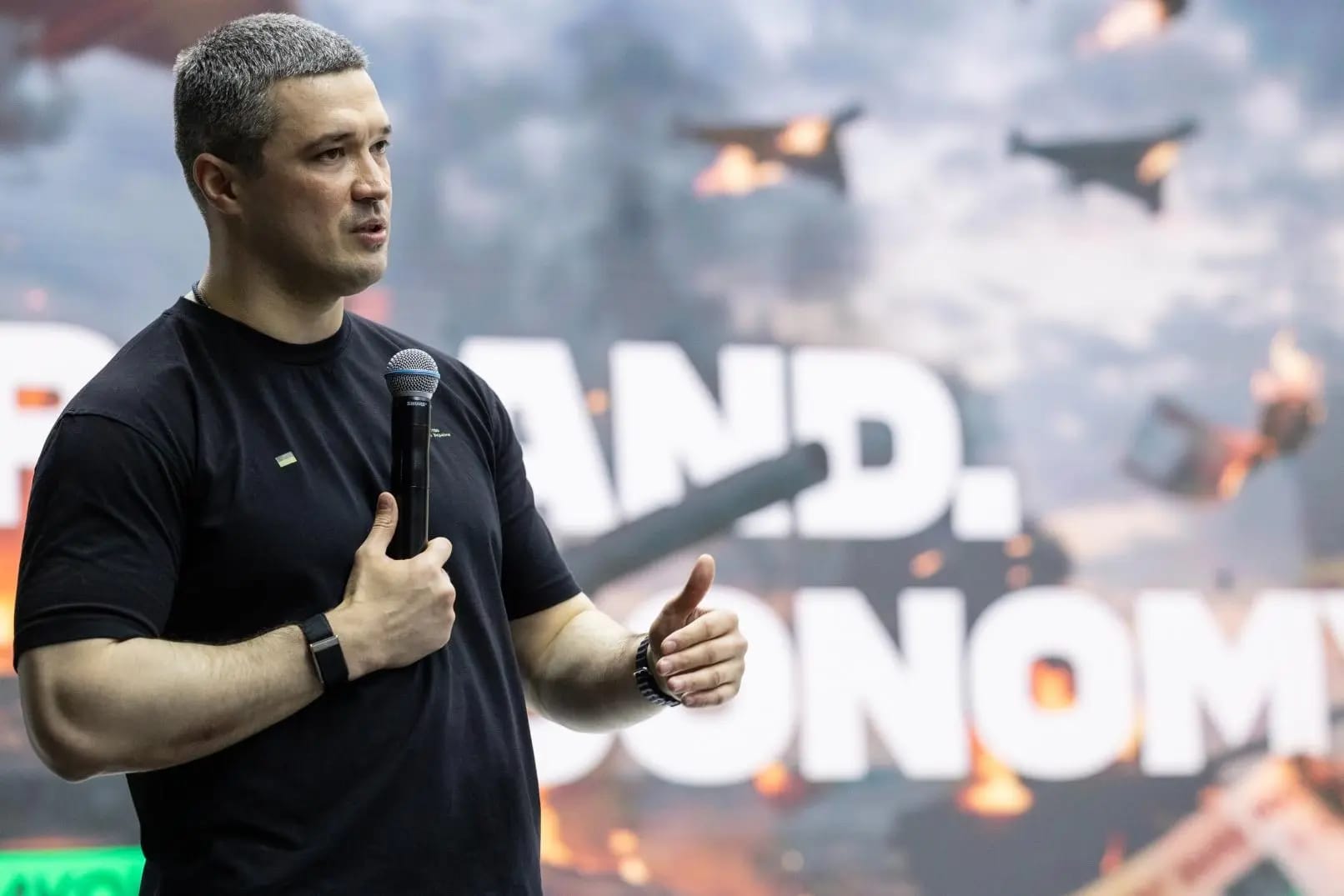
As The Insider previously reported, the changes came in response to a political crisis triggered by the dismissal of Defense Minister Mykhailo Fedorov. Fedorov publicly said he had proposed that Zelensky dismiss Syrskyi and Hnatov, and that afterward his reforms faced resistance from the General Staff.
Fedorov said his proposal was driven by systemic problems in the management of the army: bureaucracy, resistance to reform, manual distribution of weapons, frequent changes of commanders, and decisions made “based on loyalty, not data analysis.” Drapatyi supported Fedorov, confirming that many Defense Ministry decisions had to be pushed through “in spite of the system,” not because it was working.
Viktor Trehubov, spokesman for the AFU’s Joint Forces and someone who knows Drapatyi personally, told The Insider that Drapatyi’s career has been marked by an almost complete absence of conflicts, something rare in the Ukrainian army.
“He is a very competent person, and he has always surprised me with how well he can monitor all the processes taking place in command and management at the same time. In that sense, he is simply a human computer,” Trehubov said. “At the same time, he is not a micromanager, as some officers are. He delegates, but constantly keeps track of things. He has a good reputation among fellow service members. I know almost no one who has any serious complaints about him. That is actually surprising, because in Ukraine there are generals who are highly respected by subordinates and colleagues, but usually even they are criticized by someone. Drapatyi has no serious personal conflicts with anyone.
I am sure he will be a good commander in chief. One of his strengths is that you can always have a normal conversation with him, regardless of rank or position. He is focused on helping. He often said he wanted to remind many officers that command is not only about assigning tasks to soldiers, but also about helping them do their work.”
Ukrainian military expert and retired colonel Oleh Zhdanov told The Insider that Drapatyi’s appointment gives Ukraine’s armed forces a “second chance.”
“This is a second chance for the Armed Forces of Ukraine to truly carry out reforms and bring themselves into the condition we dreamed of — one that meets NATO standards and the standards of developed countries,” Zhdanov said. “Drapatyi’s biography shows that he has the talent of a commander, starting with the operation in Mariupol in 2014 and the Izvaryne pocket, when he was able to lead his battalion out of encirclement at a time when the political authorities were still negotiating humanitarian corridors.
But his appointment is unlikely to immediately bring huge changes or landmark events. From President Zelensky’s address, in which he announced Drapatyi’s appointment as commander in chief and laid out his immediate tasks, it is clear that he will effectively have to start from the beginning: with the mobilization mechanism, the troop command system, and the organizational structure of the armed forces. Even simply replacing the apparatus is already a major undertaking.”