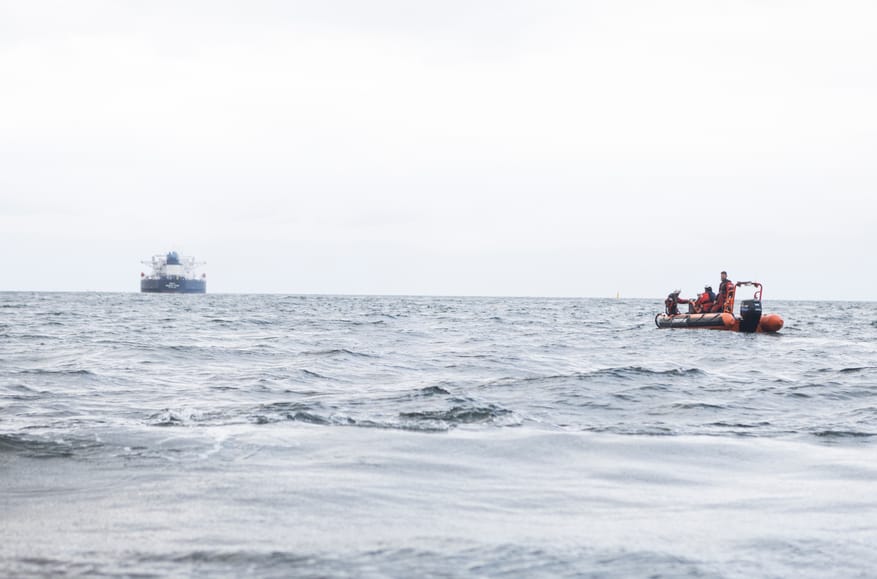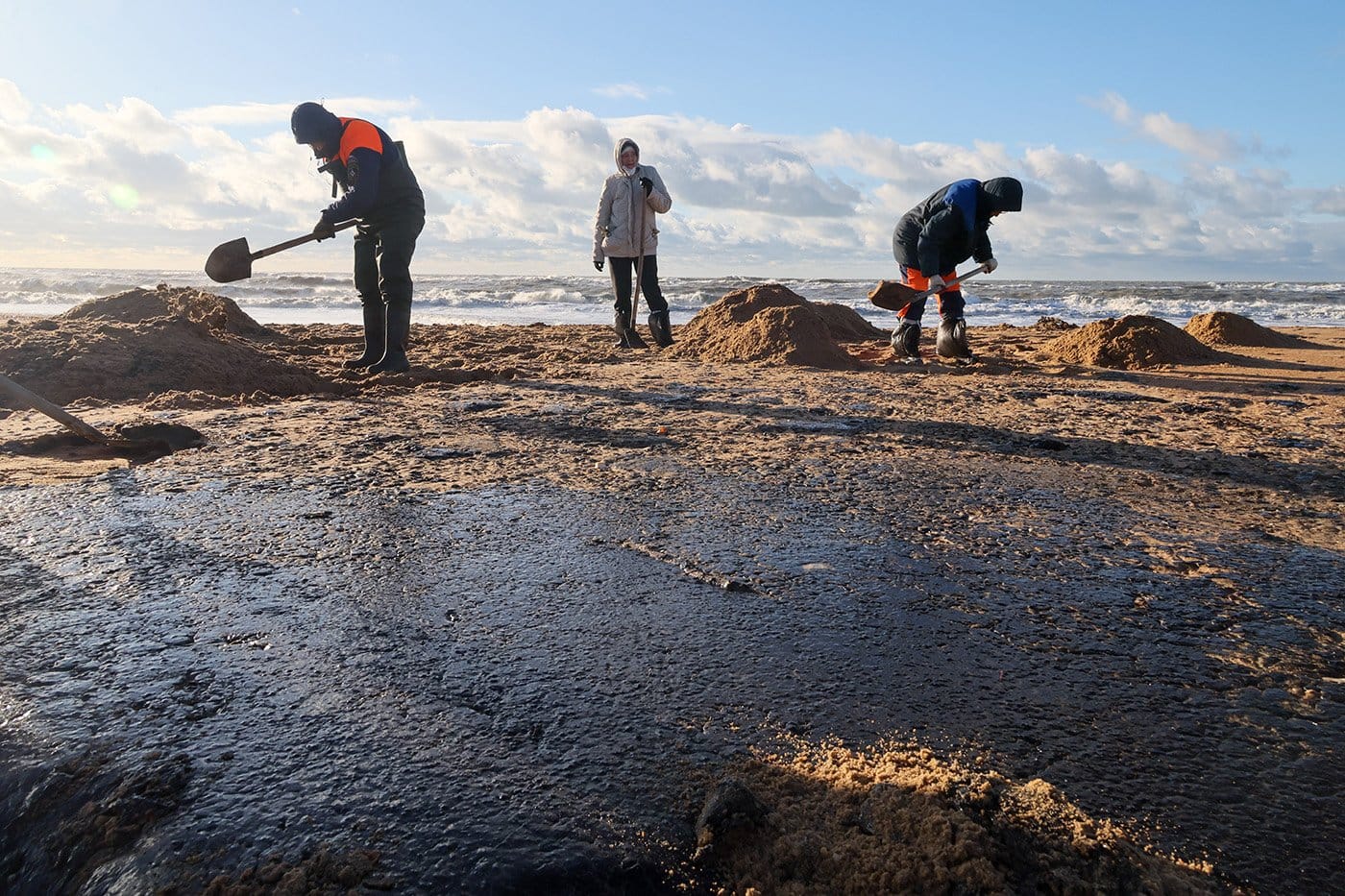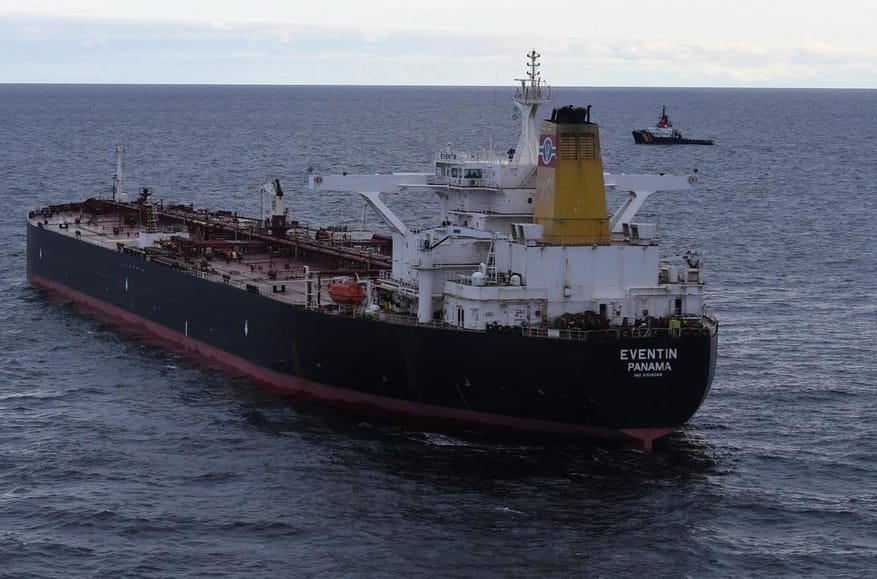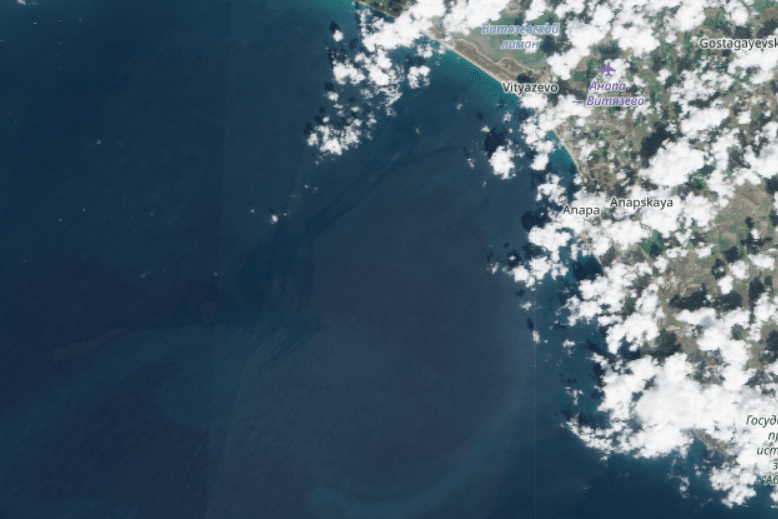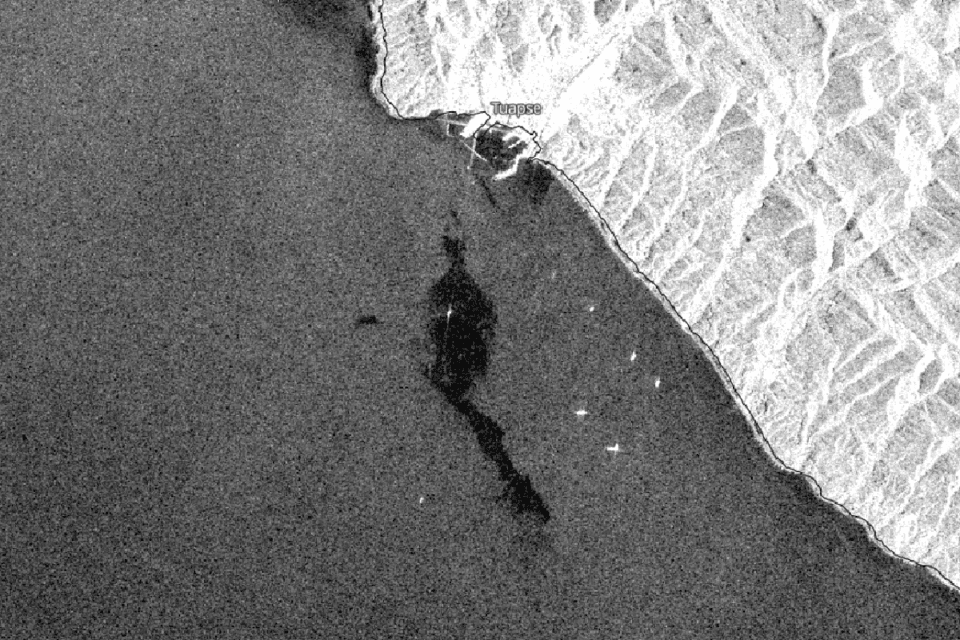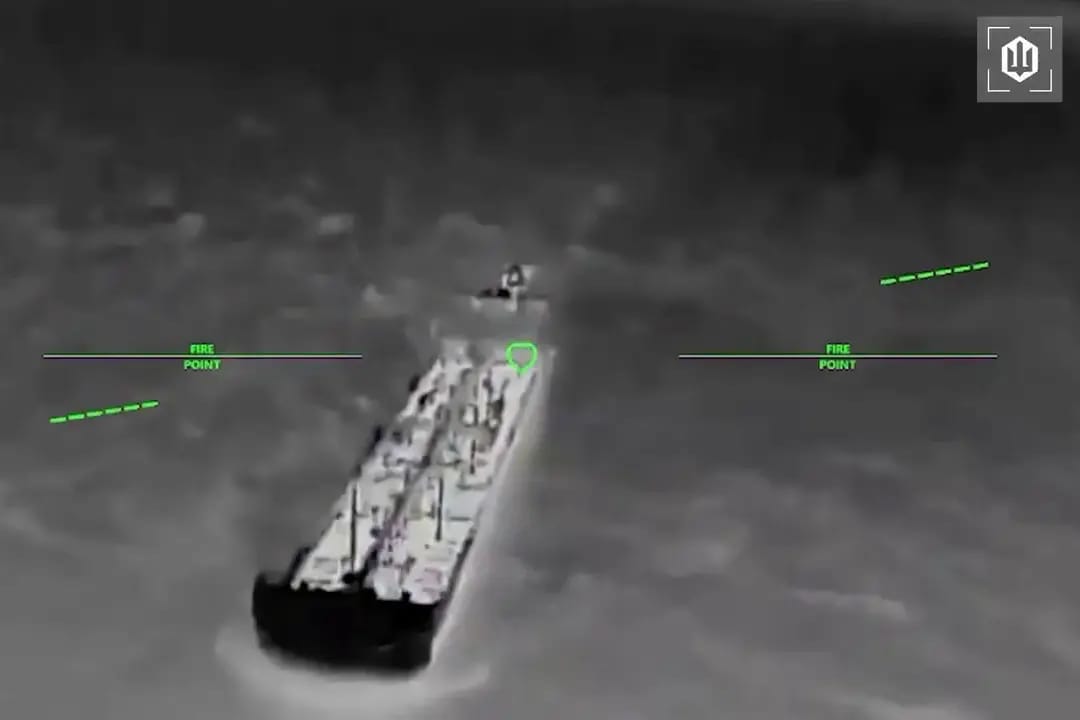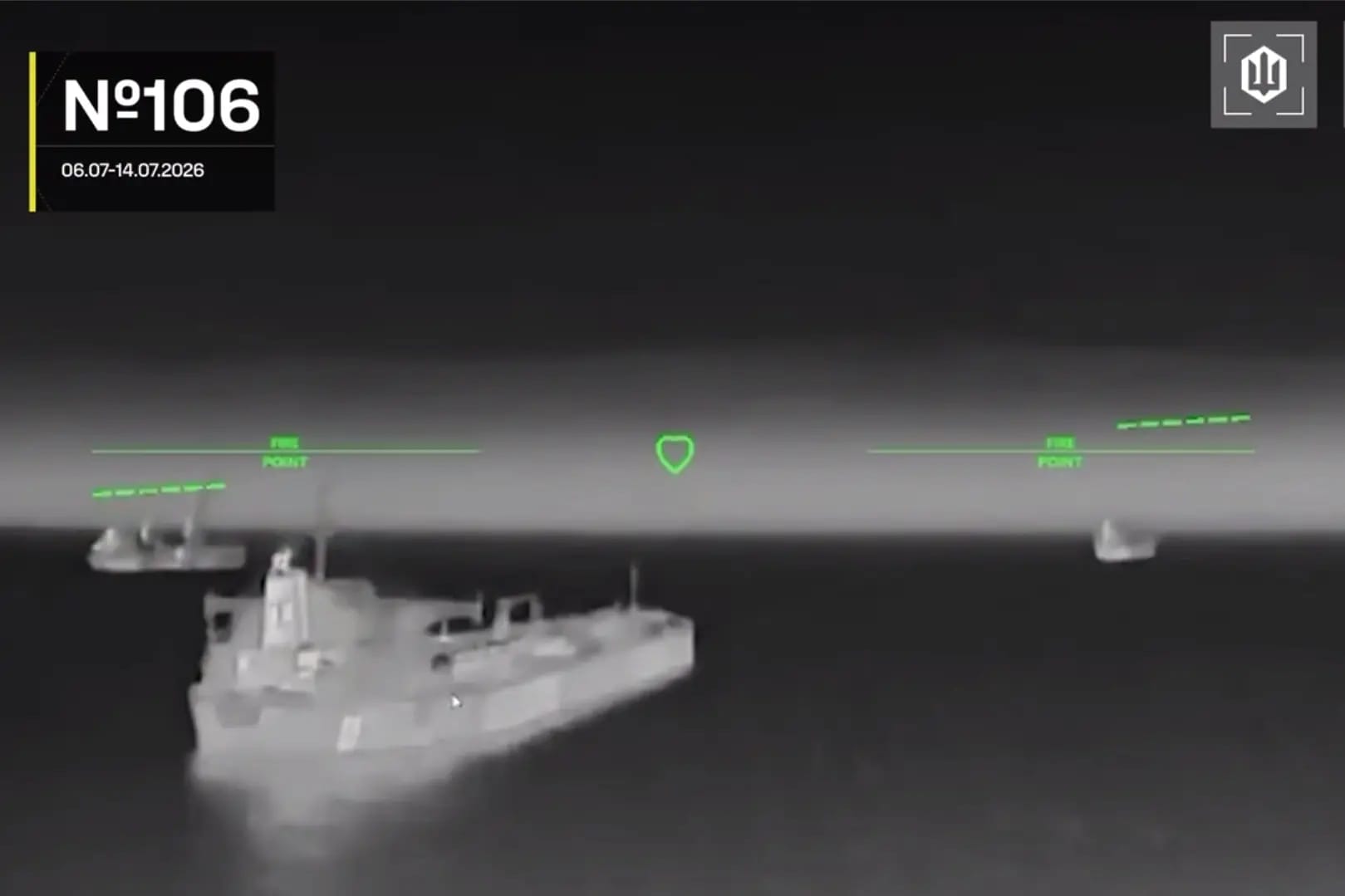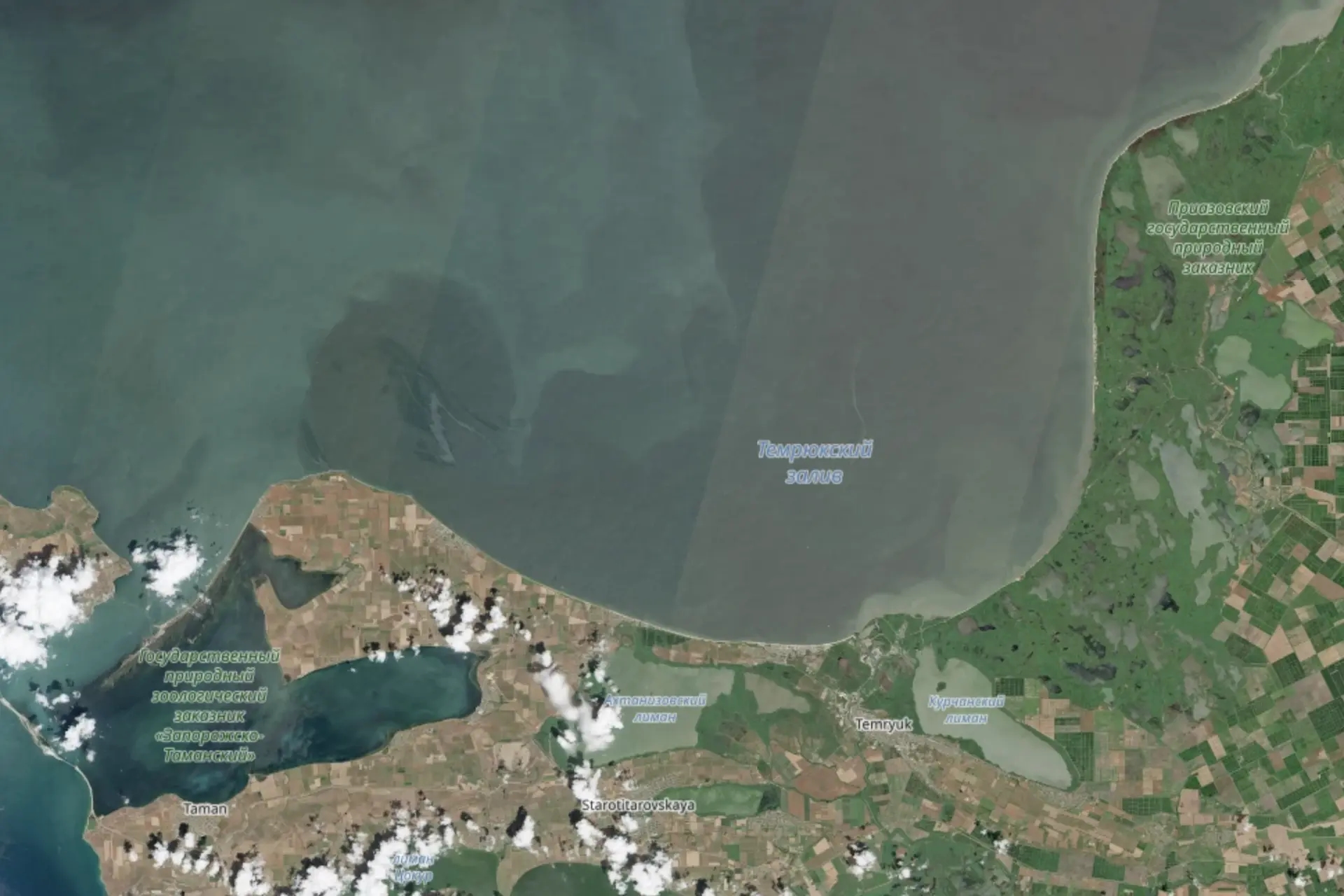
Satellite images from the U.S. company Planet Labs analyzed by Greenpeace Central and Eastern Europe show that multiple oil slicks have appeared in the Sea of Azov over the past several days. Images taken July 11-12 show a burning tanker and at least three large oil slicks. Greenpeace analysts told The Insider that by July 14, the total polluted area had reached about 100 square kilometers.
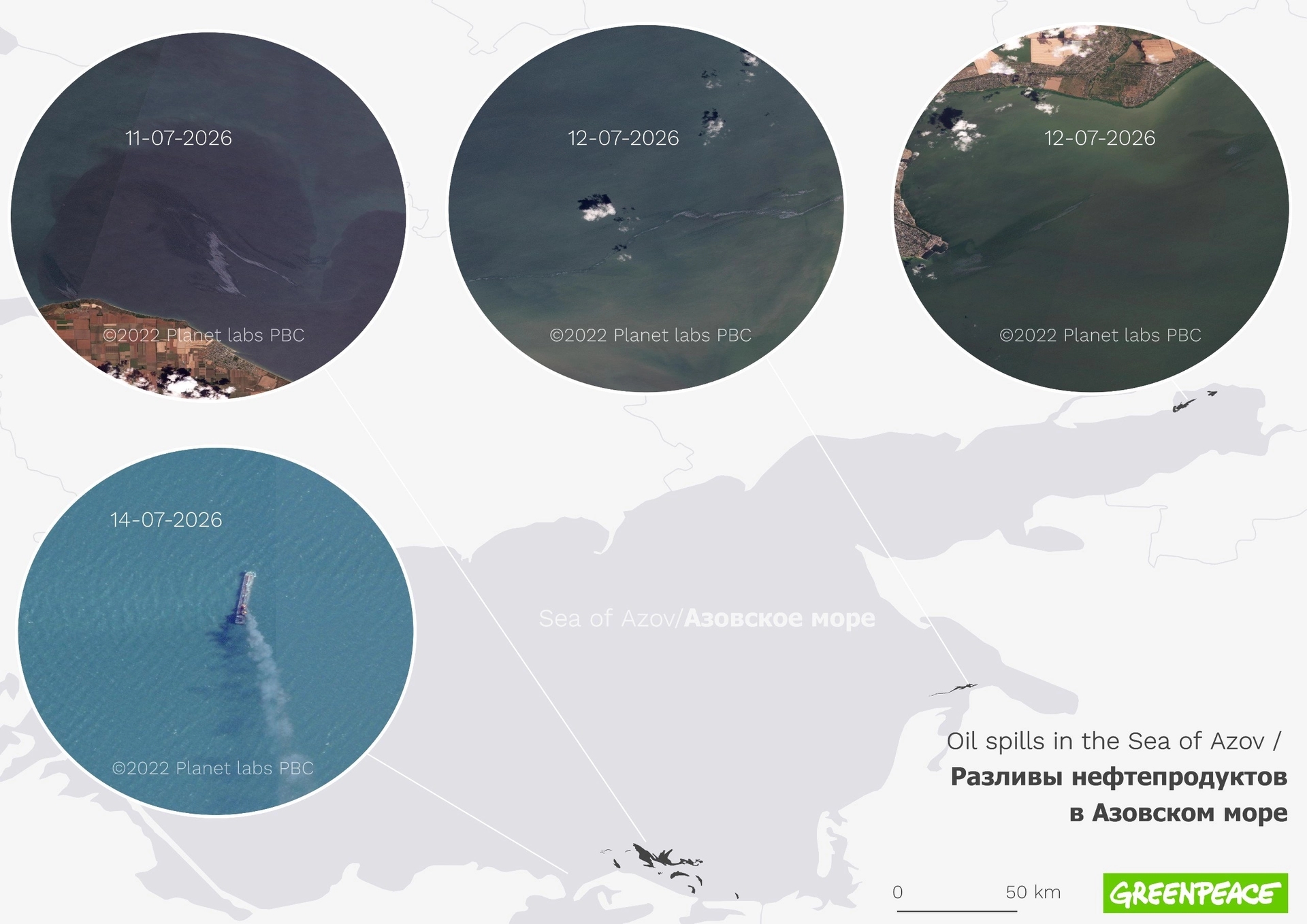
Dmitry Markin, an expert with Greenpeace Central and Eastern Europe, said the Sea of Azov was frequently exposed to oil pollution even before the start of Russia’s full-scale invasion of Ukraine. However, the war has significantly increased both the frequency and scale of spills.
“Today the Sea of Azov is under significant pressure from oil pollution, including spills linked to the war Russia started. But it is important to understand that the problem did not begin only now,” Markin said. “Even before the full-scale war, the waters were actively used to transport petroleum products. Several oil terminals are located there, and heavy shipping traffic regularly polluted the water. Under wartime conditions, spills have become more frequent, and their consequences are far more extensive.”
Markin said the environmental consequences for the Sea of Azov are especially serious due to its characteristics. The sea is one of the shallowest in the world, and in recent years reduced river runoff and climate change have significantly increased the water’s salinity, weakening the ecosystem’s ability to withstand additional stressors.
“The ecosystem in the Sea of Azov is already undergoing profound changes under the impact of the climate crisis, so it will never again be what it once was. Today, the only question is reducing the consequences of the damage already done and preventing new pollution.”
Markin noted that the situation demonstrates the link between dependence on fossil fuels, the climate crisis, and the consequences of armed conflict.
Strikes on Russian shipping
According to Ukraine, 136 Russian vessels were hit between July 6 and July 15. Of those, 116 were in the Azov Sea, and 20 were in the Black Sea.
The commander of Ukraine’s Unmanned Systems Forces, Robert “Madyar” Brovdi, said Ukrainian units are striking the ferries and tankers that Russia uses to transport oil and petroleum products. He said strikes are also regularly hitting transshipment infrastructure in Crimea. As a result, traffic through the Kerch Strait has been halted, and cargo unloading has been reduced to a minimum.
The Sea of Azov remains one of the key transport corridors for fuel, petroleum products, and agricultural goods moving to Russian-occupied Crimea. Russian pro-war bloggers have previously acknowledged that protecting tankers and other vessels from Ukrainian drones is extremely difficult, partly because Russia lacks a unified system to defend shipping. Analysts at the Institute for the Study of War have also said Russia’s air defense system has not been able to adapt quickly enough to Ukraine’s rapidly changing methods for using naval and aerial drones.