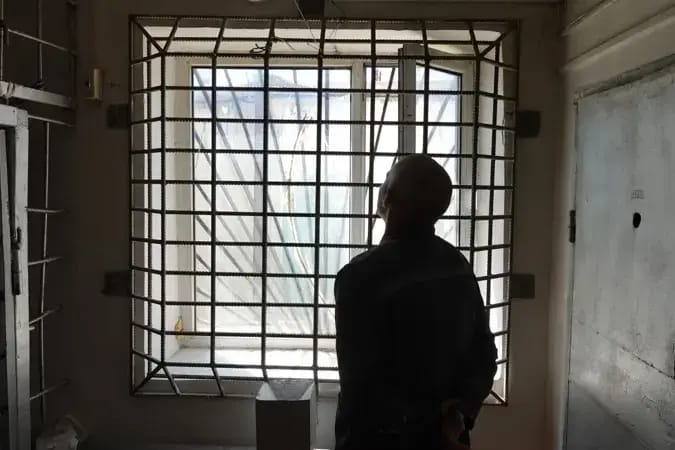
In the first half of 2026, the number of teenagers classified by Russian authorities as having committed “criminal acts of a terrorist nature” grew from 88 to 196, as reported by the Security Council of the Russian Federation. The authorities did not specify which charges were included in the statistics, the procedural status of the individuals, or how many cases ended in convictions.
The Security Council attributed the growth to online recruitment using “social engineering methods,” which it claims are employed by “Ukrainian nationalists.” The Security Council provided no concrete examples or evidence, and it did not indicate what share of the 196 teenagers had allegedly been recruited by individuals linked to Ukraine.
The umbrella term “crimes of a terrorist nature” is used in Russian official statistics to cover a broad range of charges, from mass casualty attacks and acts of sabotage to “public justification of terrorism” and participation in a “banned organization” (such as the late Alexei Navalny’s Anti-Corruption Foundation). The number of underage individuals classified by the authorities as having committed acts of an “extremist nature” rose from 62 to 87, according to the Security Council. The number of armed attacks on educational institutions also increased. According to the agency, 26 such attacks occurred between September 2025 and May 2026. The Security Council described this figure as the highest since 2017, but did not specify which incidents were included in the statistics or what exactly was interpreted as an armed attack.
The agency attributes the rise in attacks to “the spread of the destructive ideology of Columbine and Maniac Murder Cult,” including allegedly via gaming platforms.
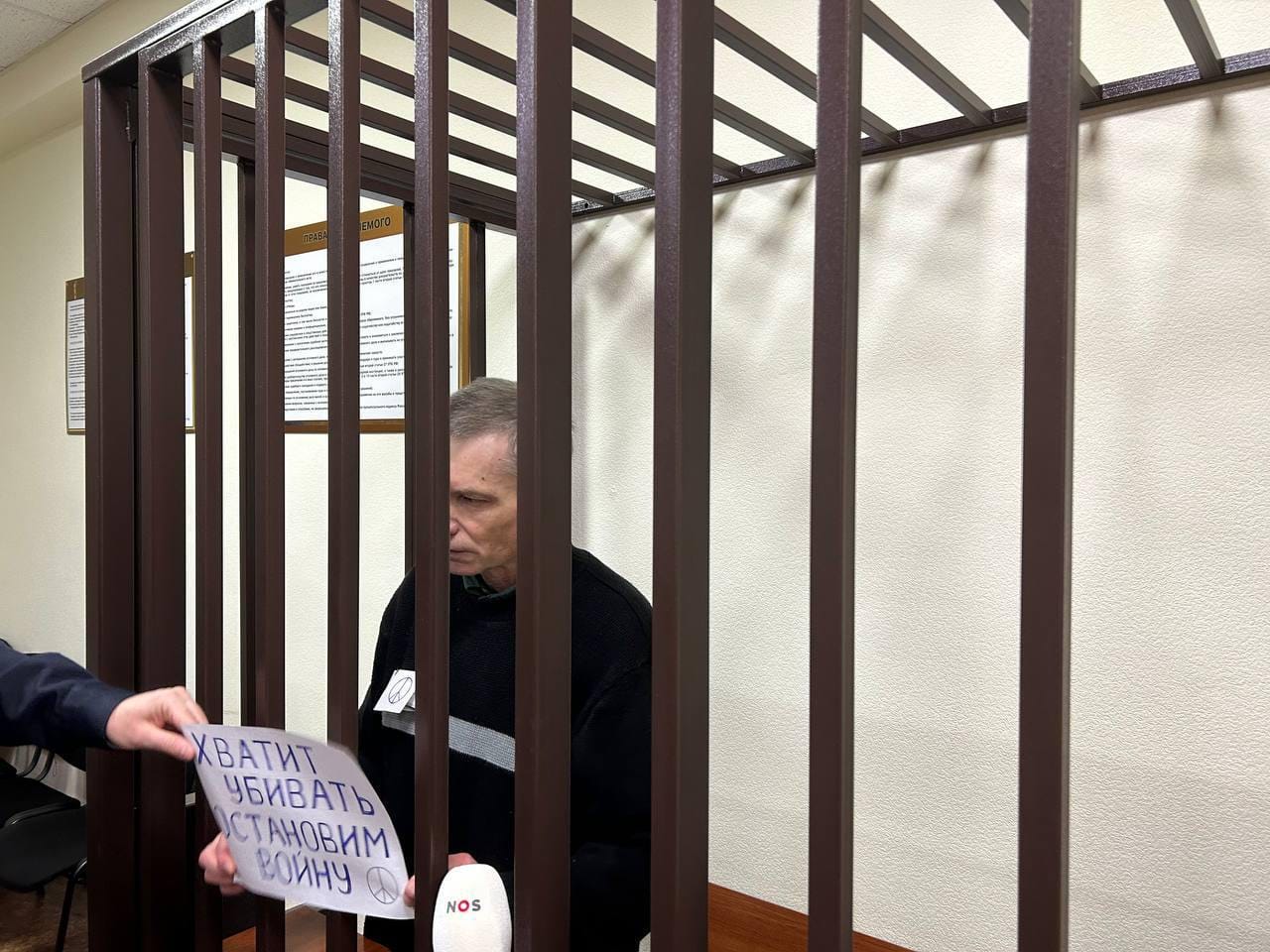
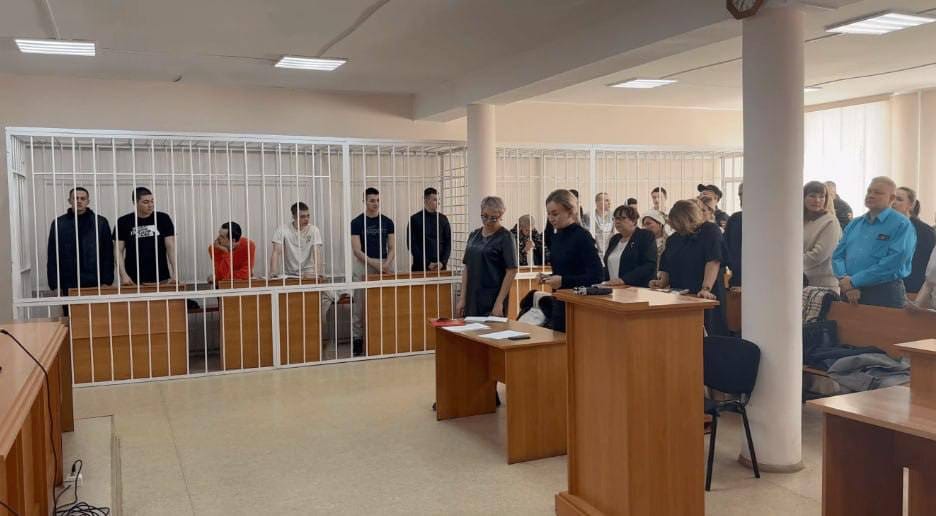
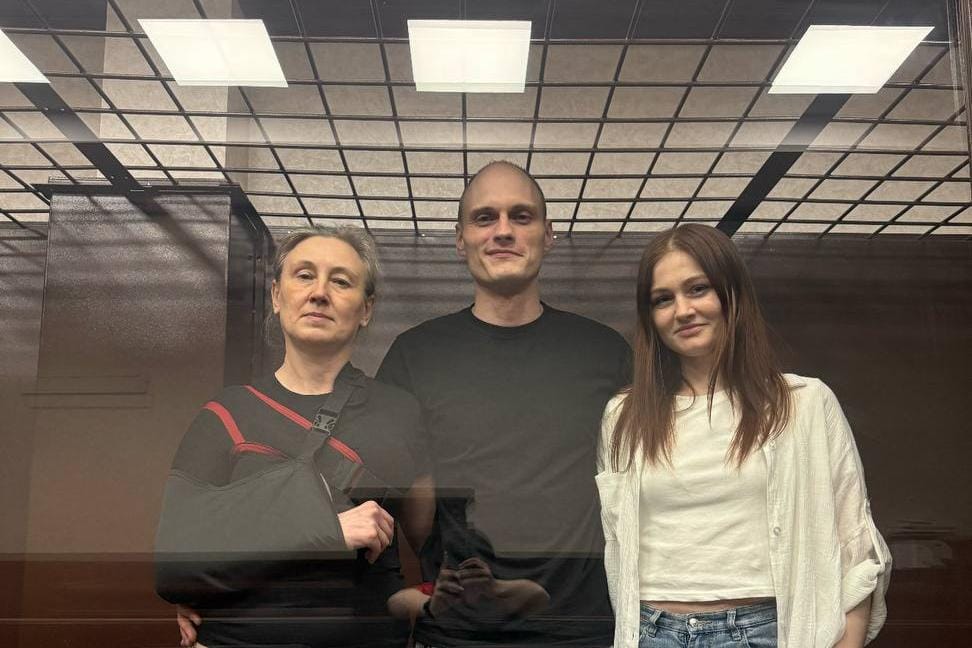
Russia’s Investigative Committee regularly reports on cases against teenagers accused of arson attacks on military enlistment offices, police vehicles, railway equipment, and energy infrastructure. Some of these arsons were carried out in protest against the war in Ukraine; others, according to investigators, were committed by teenagers for money at the direction of online recruiters.
Since the start of the full-scale war, Russian security forces have been classifying such actions as terrorist attacks and acts of sabotage. Against this backdrop, at least 12 Russian regions have banned or decided to ban the sale of fuel to minors, citing (among other reasons) the need to prevent them from being drawn into criminal activity.
The human rights project Pervy Otdel (Dept.One), however, maintains that a significant share of such cases arise following deliberate entrapment by Russian security services, which often target teenagers with no prior criminal record.