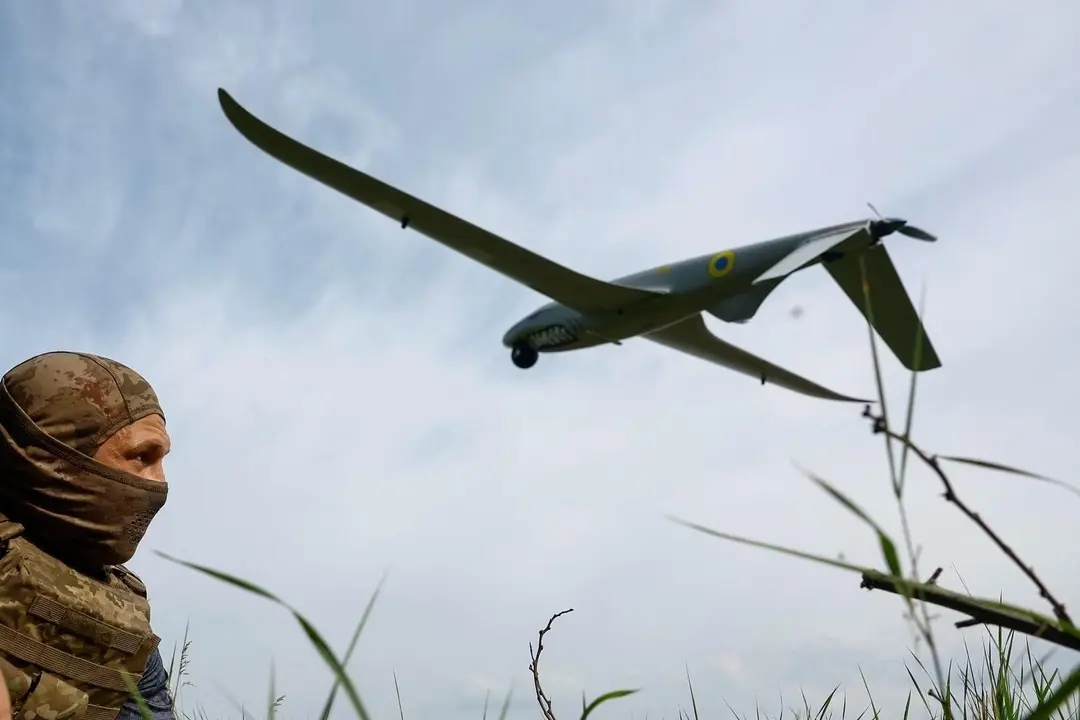
The Russian military is trying to counter Ukrainian medium-range drone strikes by disguising military cargo as civilian shipments and deploying powerful systems to jam Starlink satellite internet, Ukrainian drone commanders and pilots told Reuters. Ukraine’s inexpensive drones, capable of precisely hitting targets dozens of kilometers behind the front line, have been striking Russian supply routes, fuel depots, air defense sites, and command posts, disrupting logistics and helping trigger fuel shortages in Russian-annexed Crimea.
Most of those missions are carried out using Starlink satellite internet, which allows pilots to control drones remotely. The service was long considered almost impossible to jam. However, Serhiy “Flash” Beskrestnov, an adviser to Ukraine’s Defense Ministry, said Russia has begun deploying the Volna Kupol Garant system, which can destabilize Starlink connections over an area of about 20 square kilometers. About 10 such systems have been found so far. Volna Kupol Garant systems themselves have become priority targets: Ukraine’s 422nd Unmanned Systems Regiment took part in strikes on two of them, and one was destroyed within hours of being detected in a joint operation with the SBU, Ukraine’s domestic security service.
"As soon as we struck that installation, our Starlink-equipped (drones) flew without problems," said a crew commander with the call sign “Dyryhent,” Ukrainian for “conductor.”
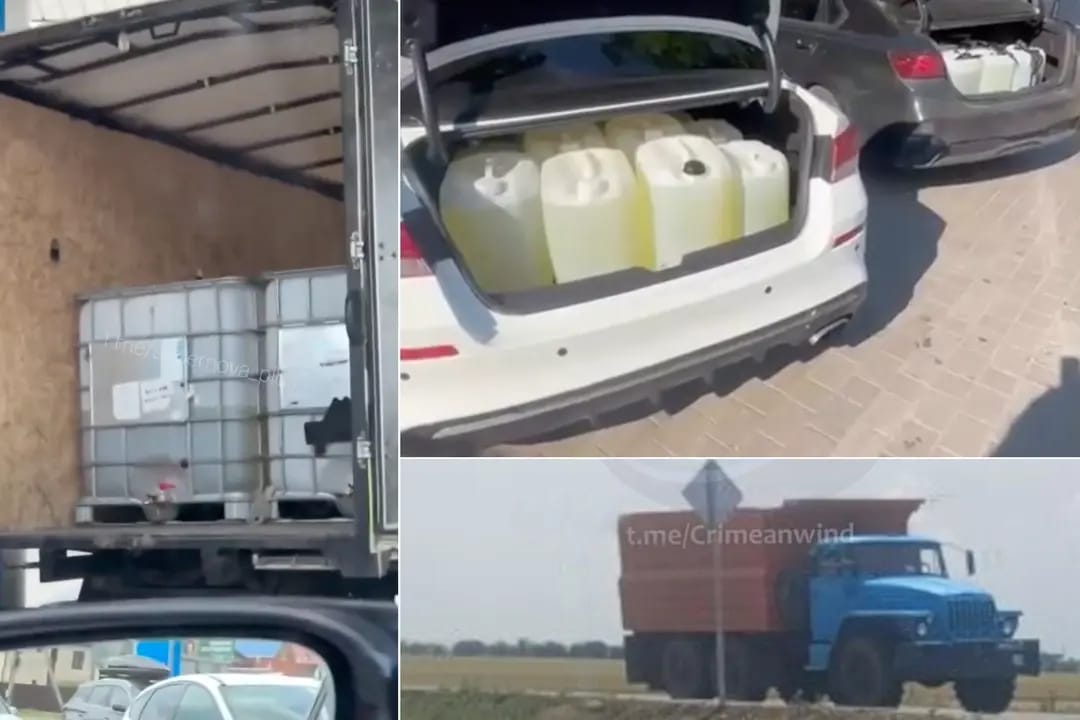
To protect fuel and other supplies, Russian forces are hiding them in civilian vehicles. A Ukrainian regiment commander named Kolesnyk said Ukrainian drones had struck Russian water tankers that caught fire because they were carrying gasoline, as well as repainted milk tankers loaded with diesel fuel.
Russian forces now move small convoys of fuel trucks escorted by pickups mounted with machine guns, Ukraine’s military intelligence agency said. They also use secondary roads and transport supplies using cars, all terrain vehicles, and motorcycles. For storage, camouflaged shelters, abandoned buildings, agricultural facilities, and civilian gas stations are used.
Rob Lee, a senior fellow at the U.S.-based Foreign Policy Research Institute, called Ukraine’s medium-range drone strikes one of the most important battlefield developments of the year. However, he said Moscow is beginning to have some success countering them, and that the Ukrainian campaign could become harder to sustain if Russia expands production of jamming systems.
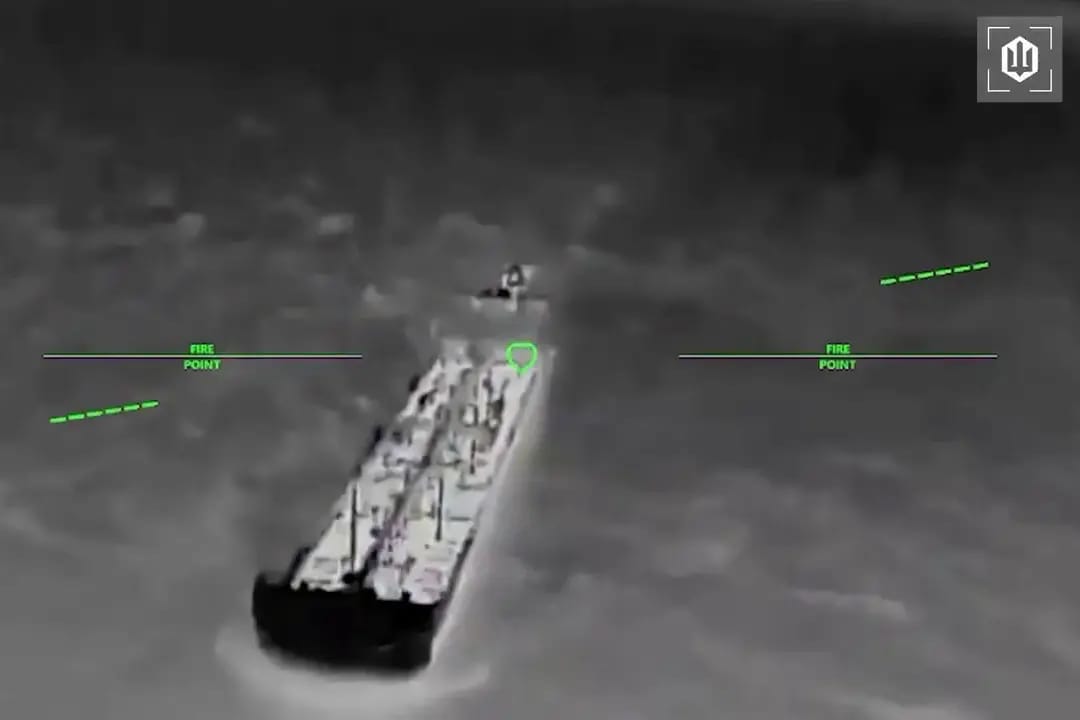
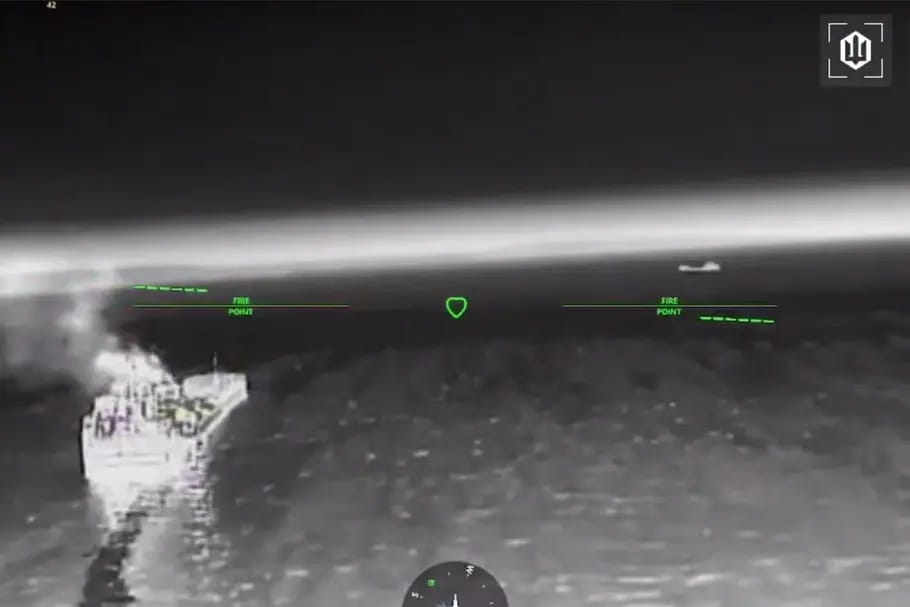
This week, Ukrainian drones attacked two gasoline tanker ships in the Sea of Azov that were traveling from Taganrog to Crimea, where the fuel shortage has become so severe that even Putin has publicly acknowledged it.