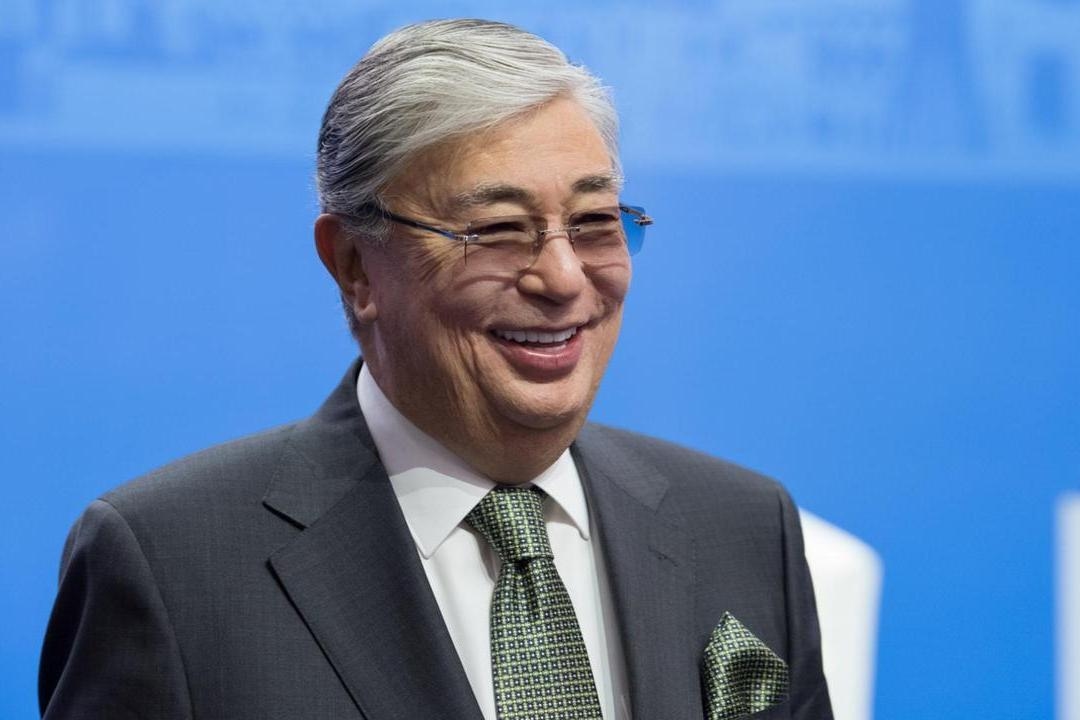
Kazakhstan’s Constitutional Court has ruled that after the country’s new constitution comes into force, term limits for officials who held office under the former constitution will be reset. The ruling effectively allows the 73-year-old incumbent President Kassym-Jomart Tokayev to run for president again.
Tokayev took office in 2019 after the abdication of his predecessor, Nursultan Nazarbayev. He won an election later that year, then secured a new term in 2022 after Kazakhstan amended its constitution.
The latest decision was set out in a July 7 ruling by Kazakhstan’s Constitutional Court, which was considering Tokayev’s own request for an official interpretation of the new constitutional provisions.
Kazakhstan previously limited presidents to a single seven-year term with no right to reelection. The new constitution kept that rule, but the court said presidential terms served under the 1995 constitution do not count toward the limit.
“For the purposes of applying the restrictions established by the constitutional norms in question, the election or appointment of such persons to the relevant posts after the 2026 Constitution enters into force shall be regarded as the first election or appointment,” the court determined.
Kazakhstan’s new constitution took effect on July 1. According to official figures, more than 87% of voters who took part in a March referendum supported the adoption of the new document. Tokayev called the vote a “fateful day.”
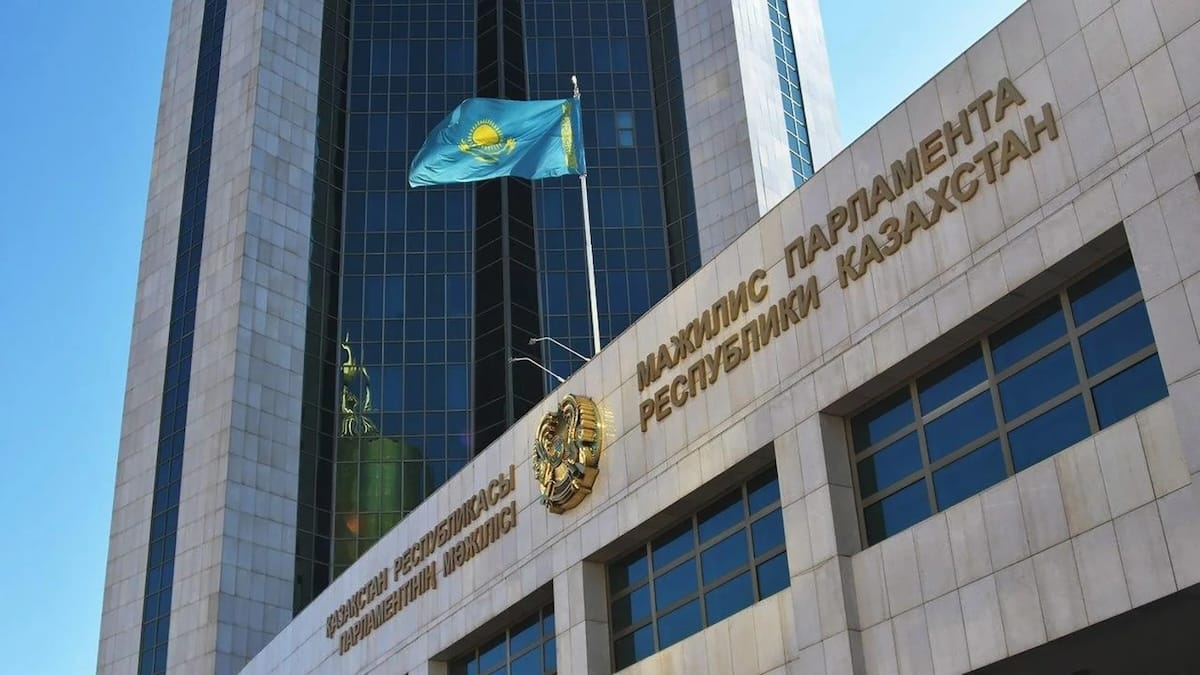
The reform radically changes Kazakhstan’s political system. The former bicameral parliament, which consisted of the Senate and the Mazhilis, is being replaced by a unicameral Kurultai, a term historically used among Turkic and Mongol peoples for a council or assembly. The post of vice president is being restored, and a new advisory body, the People’s Council, is being created. Its members are expected to be appointed by the president.
Political analysts interviewed by The Insider warned that the changes could strengthen presidential control over the political system and further narrow opportunities for political competition. In 2022, Tokayev said he did not intend to “reset” his presidential term. His current presidential term ends in 2029.
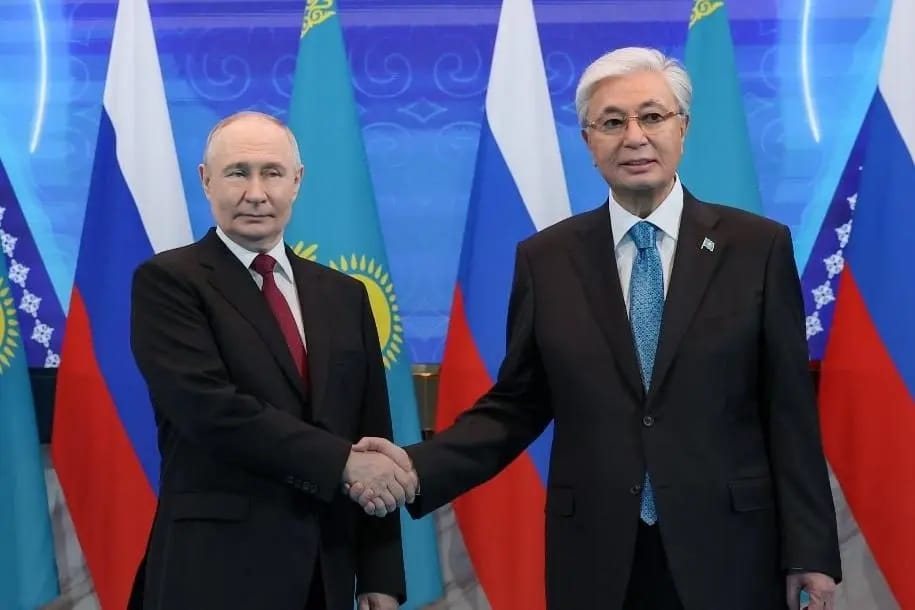
The move echoes Vladimir Putin’s 2020 constitutional overhaul in Russia, which “reset” his previous presidential terms, allowing him to remain in power until 2036. In Tokayev's case, the court’s interpretation could allow him to stay on as president until 2036 as well.