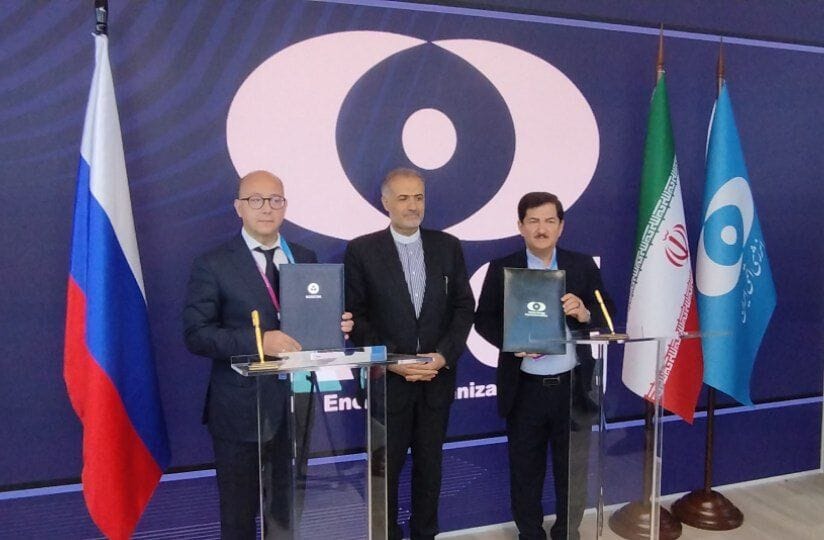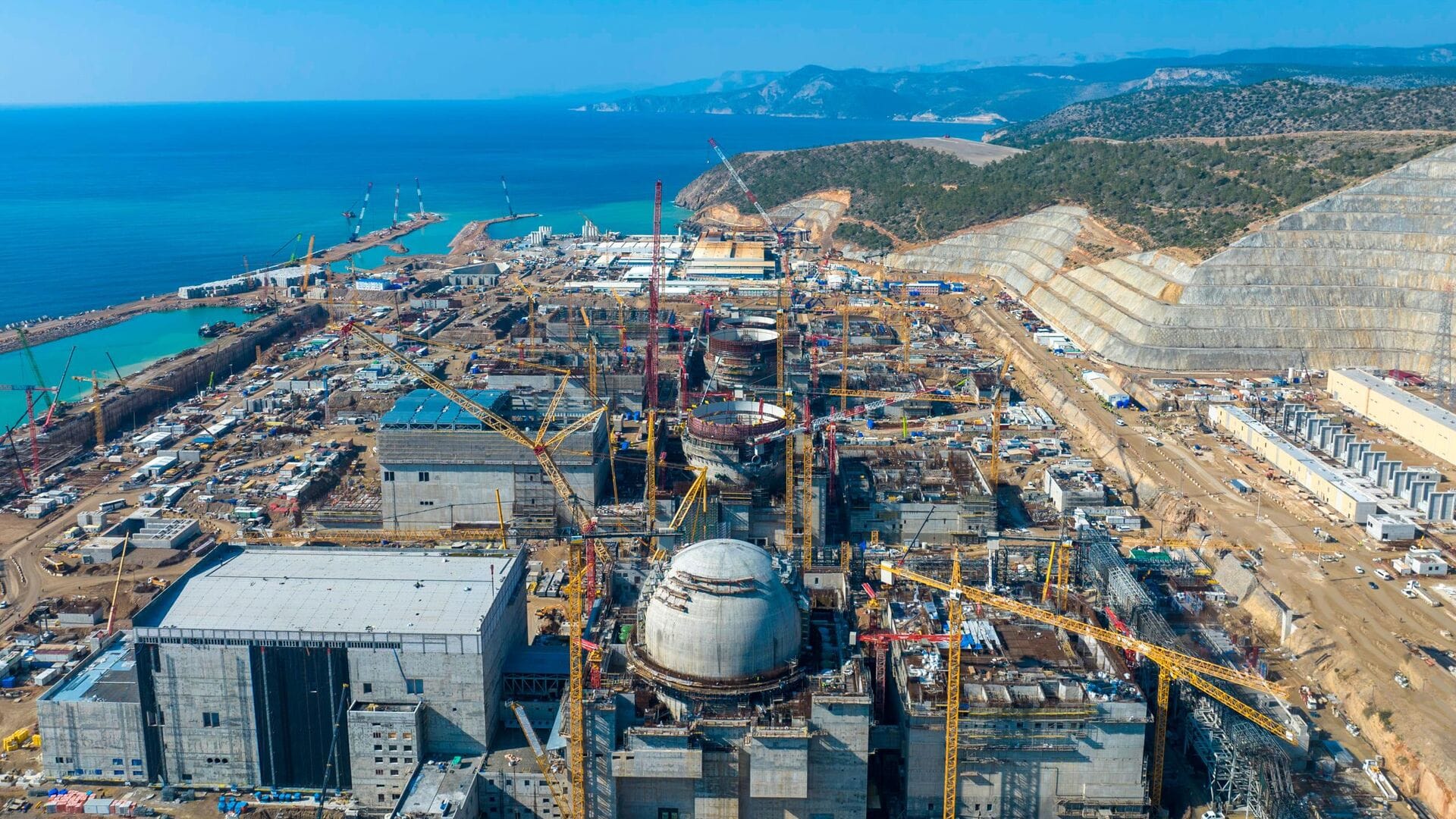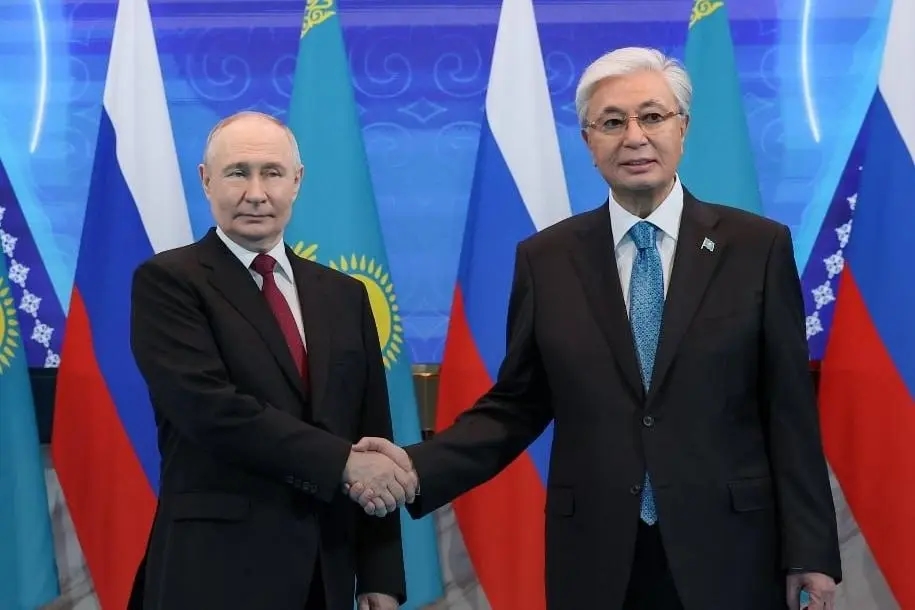
During Vladimir Putin’s state visit to Astana earlier today, Russia and Kazakhstan signed an agreement to build Kazakhstan’s first nuclear power plant, Russian state-controlled news agency TASS reported.
The document sets out the project’s key parameters and provides for construction to be financed with a Russian state export loan. The plant is scheduled to be commissioned in 2035, by which time Kazakhstan expects to reach a generating capacity of 2.4 gigawatts.
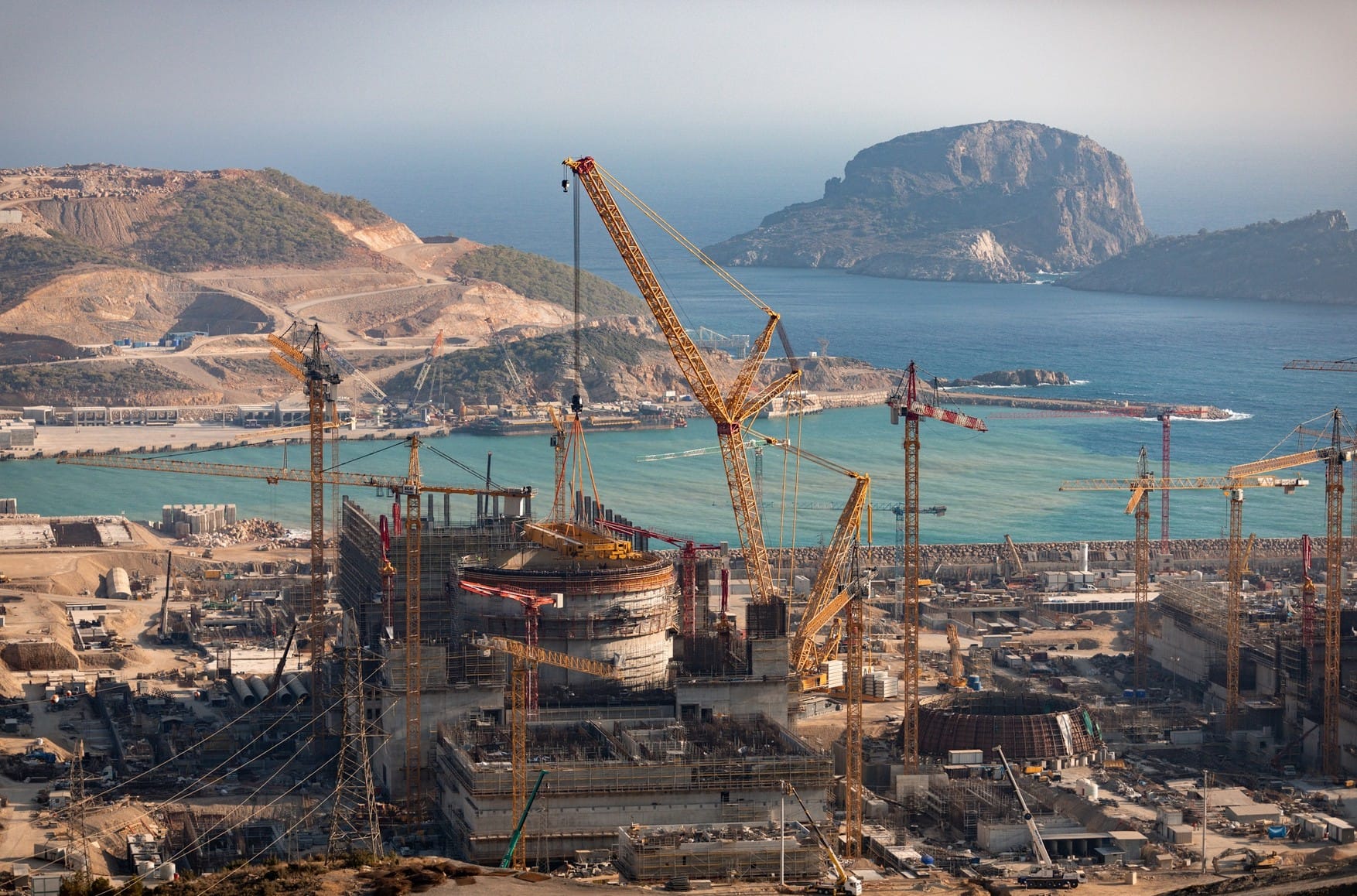
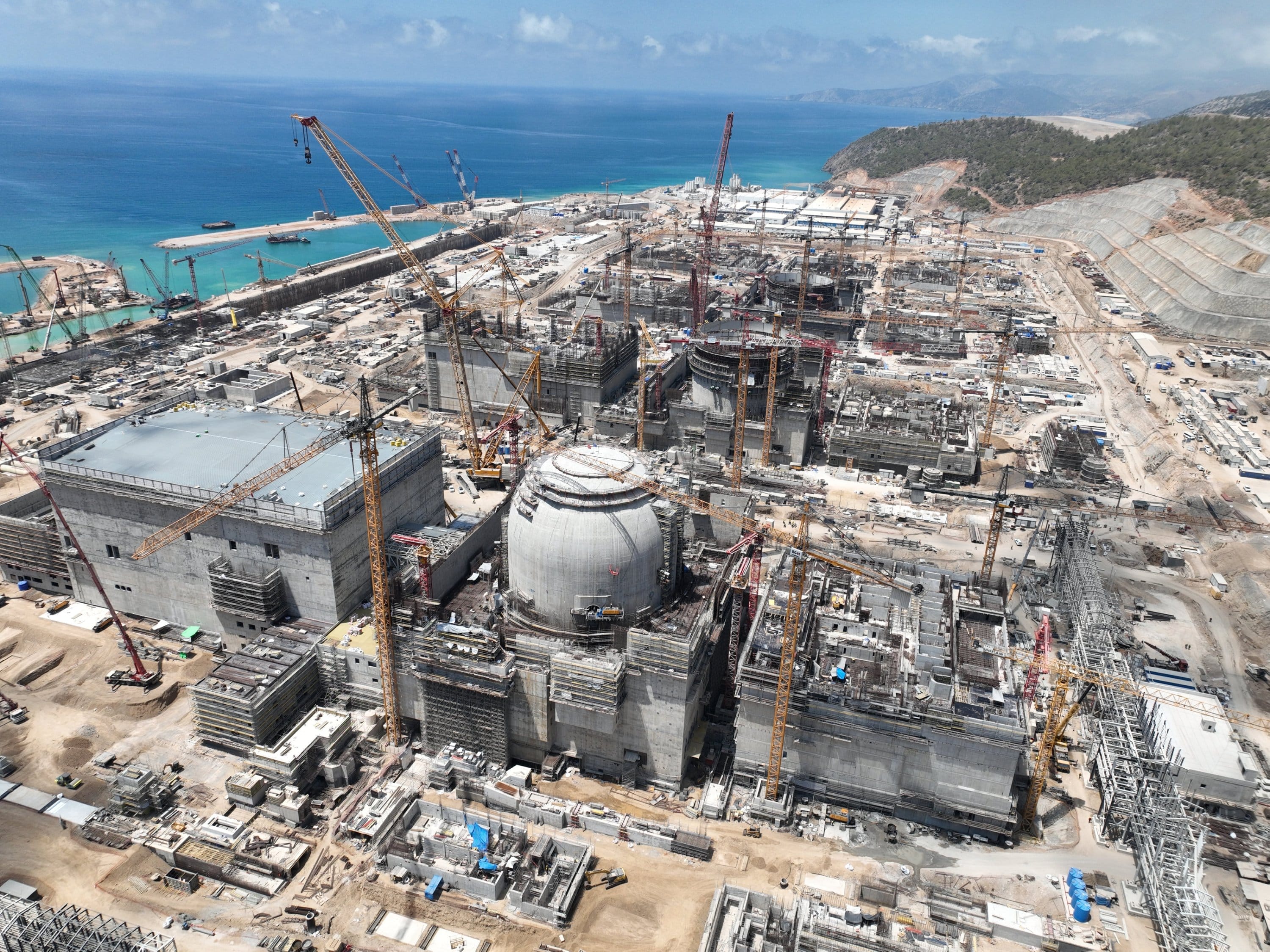
Kazakhstan held a referendum in October 2024 on whether to build a nuclear power plant. In June 2025, it selected Rosatom, Russia’s state nuclear energy corporation, to lead the international construction consortium. In August, specialists from the two countries began engineering surveys at the site of the future plant in the village of Ulken.
Kazakhstan has chosen a site near Lake Balkhash in the Almaty Region. Rosatom CEO Alexei Likhachev said in 2025 that work to set up the construction and installation base would begin in 2026, alongside preparation of technical and design documentation needed to obtain a license.
Kazakhstan has had no nuclear power generation capacity since 1999, when the BN-350 reactor on the Caspian Sea was shut down. Critics of the project warn that building the plant with Russian technology and specialists could deepen Kazakhstan’s energy dependence on Russia. Environmentalists have voiced concern about the plant’s possible impact on the ecosystem of Lake Balkhash.
The nuclear agreement was one of 16 documents signed during the visit, which included talks between Putin and Kazakh President Kassym-Jomart Tokayev. In addition to bilateral cooperation, the two sides discussed the agenda of the Eurasian Economic Forum, scheduled to begin the next day in Astana.
The Insider has previously reported on how Russia uses nuclear projects abroad to create long-term obligations for its partner countries.